


 简体中文
简体中文 English
 русский
 Español
 Français
 عربى
عربى Português
 日本語
日本語 italiano
 Nederlands
 Polskie
A pipe failure rarely comes from bad luck. It comes from a material picked for the wrong job — copper run through acidic soil, PVC pushed past its heat limit, or a thin-walled option chosen because it was cheaper on day one. Getting the material right at the start saves far more than it costs.
Content
- 1 What Determines the Right Pipe Material for Your Project
- 2 Metal Pipe Materials: Strength with Trade-offs
- 3 Plastic Pipe Materials: The Modern Standard
- 4 PPR: Built for Hot and Pressurized Water Systems
- 5 HDPE: Flexibility for Underground and Large-diameter Systems
- 6 PPR vs HDPE: A Side-by-Side Comparison
- 7 Certifications to Verify Before You Buy
- 8 Matching Material to Project, Not the Other Way Around
What Determines the Right Pipe Material for Your Project
Every piping decision comes down to a handful of variables working together. Pressure rating matters first: a system carrying 20 bar needs a different wall thickness and polymer grade than one running at 4 bar. Temperature is the second filter — hot water lines, heating loops, and industrial process fluids all demand materials that hold their strength well above room temperature.
Beyond that, look at the transported medium (potable water, gas, chemicals, or wastewater), the installation environment (buried, exposed, or embedded in concrete), expected service life, and total installed cost, which includes fittings, joining labor, and maintenance over decades rather than just the sticker price of the pipe itself.
Metal Pipe Materials: Strength with Trade-offs
Cast iron, steel, and copper were the default choices for most of the twentieth century, and they still show up where their specific strengths matter. Cast iron resists abrasion well and dampens the sound of moving water, which is why it still appears in drainage stacks inside high-rise buildings.
Steel handles high internal pressure and is easy to weld into large-diameter runs, but it corrodes without a protective coating, and its service life typically runs shorter than the plastic alternatives it competes against. Copper offers excellent corrosion resistance and a service life that can exceed 70 years, yet its price has made it a harder sell for large commercial jobs, and it performs poorly in freezing climates, where trapped water can split the pipe wall.
Plastic Pipe Materials: The Modern Standard
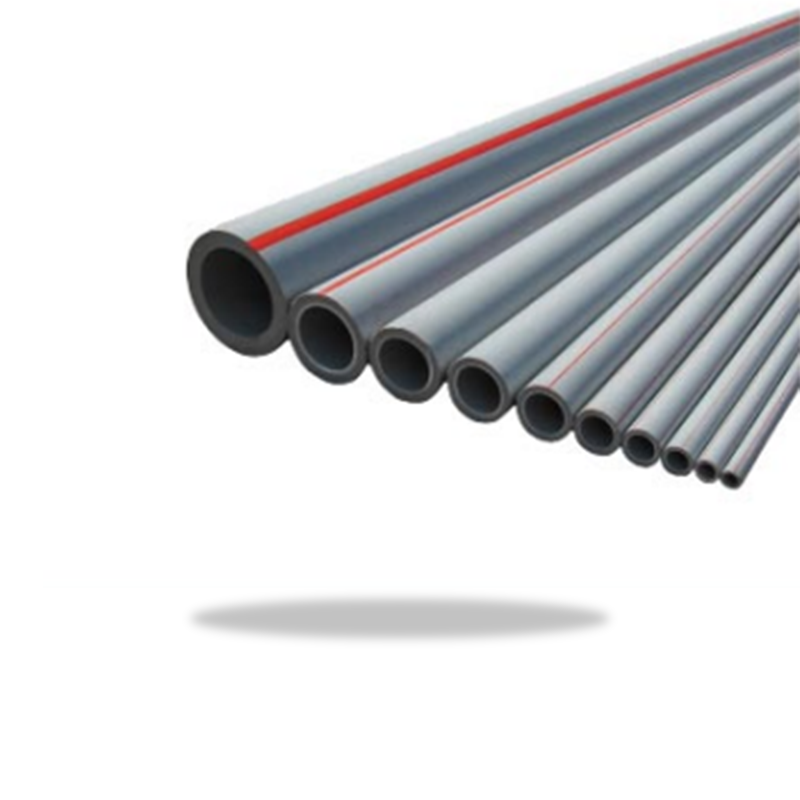
Plastic pipe now dominates new construction because it solves the corrosion problem outright and costs less to install. PVC has been the workhorse since the 1950s, prized for its low price and resistance to rust, though it softens under sustained hot water exposure. CPVC addresses that gap with a higher heat tolerance, making it a common substitute where hot water lines are involved.
The choice between the two often comes down to the specific temperature ceiling a project needs — a distinction covered in more depth in this comparison of PVC and CPVC for drinking water applications. Beyond these two, PPR and HDPE have become the preferred materials for projects that need higher pressure ratings, welded joints, or long-term chemical resistance, and they deserve a closer look.
PPR: Built for Hot and Pressurized Water Systems
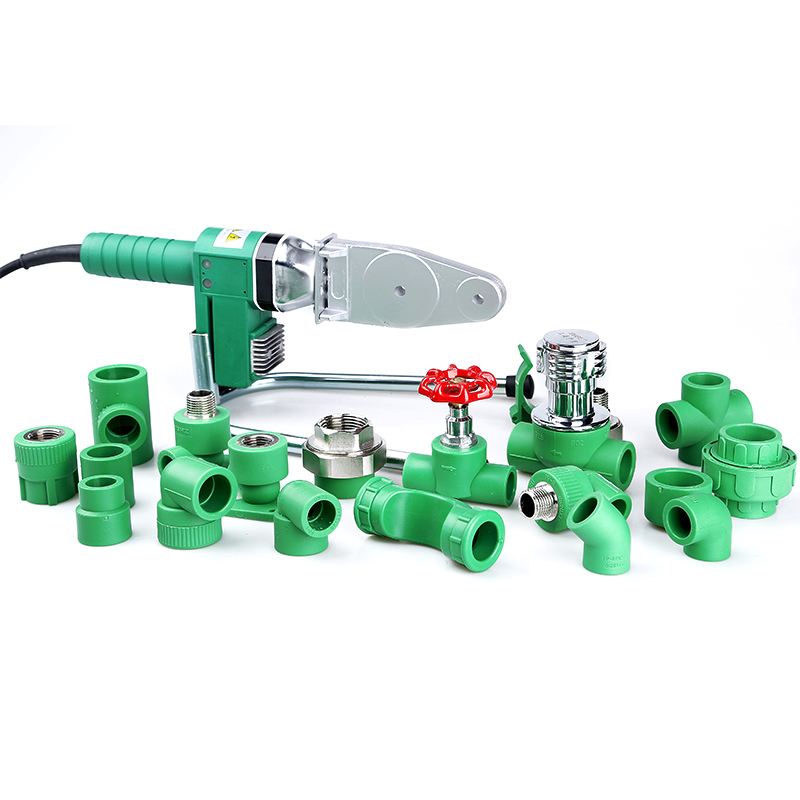
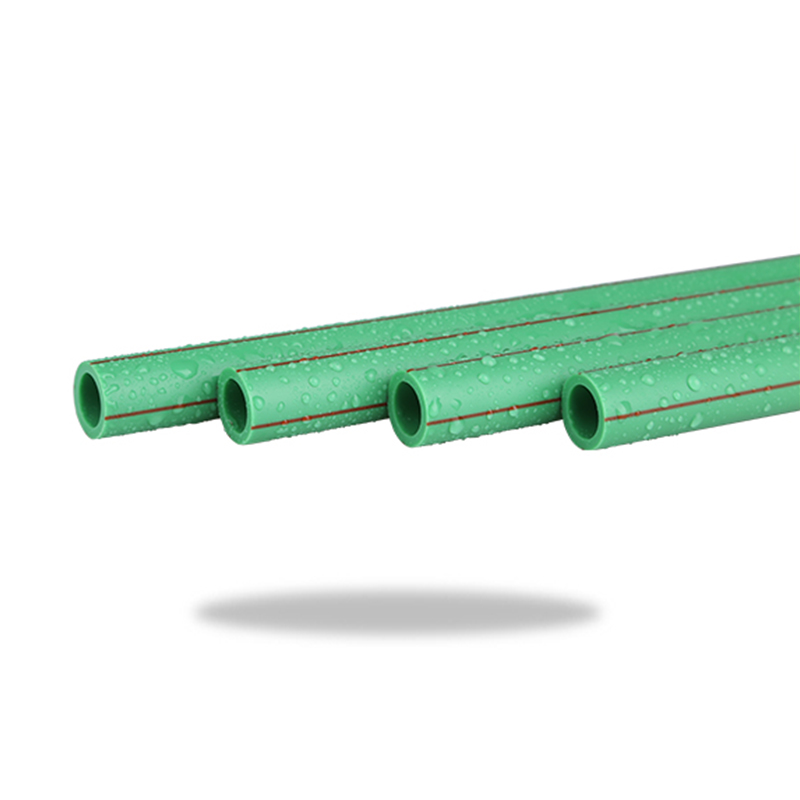
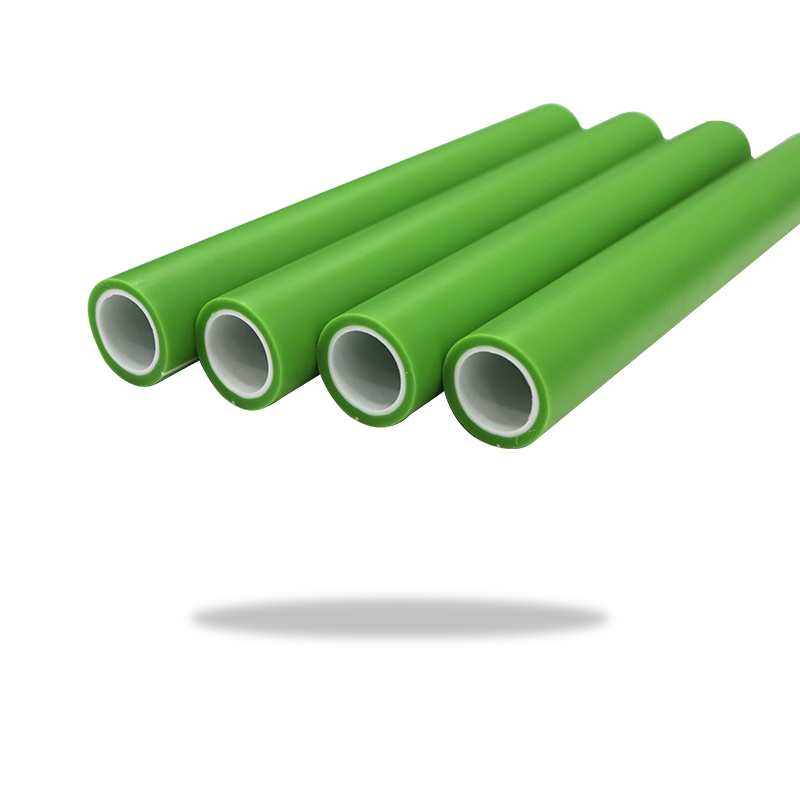
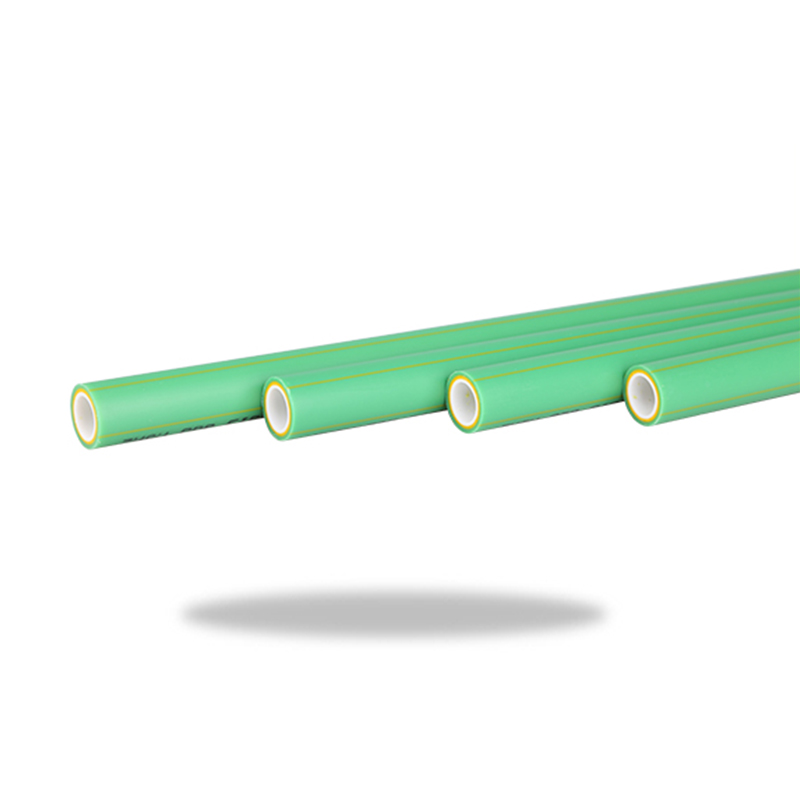
PPR (polypropylene random copolymer) pipe is manufactured to standards such as DIN 8077/8078 and ISO 15874, and it's built specifically for pressurized water distribution. It handles continuous operating temperatures up to roughly 70°C, with short-term peaks reaching higher, which makes it a natural fit for hot and cold water supply lines in residential towers, hospitals, and hotels.
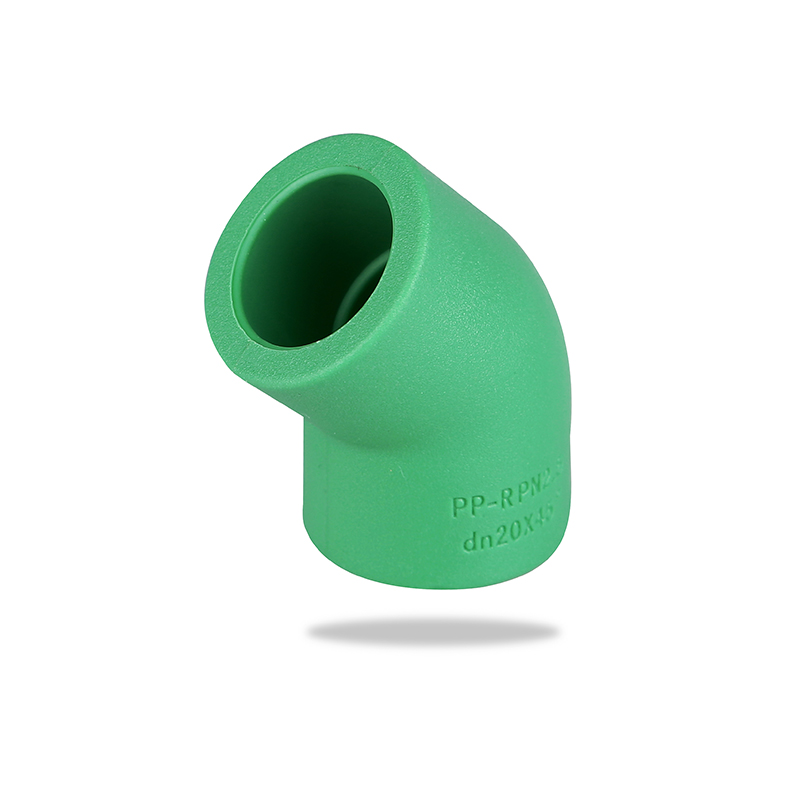
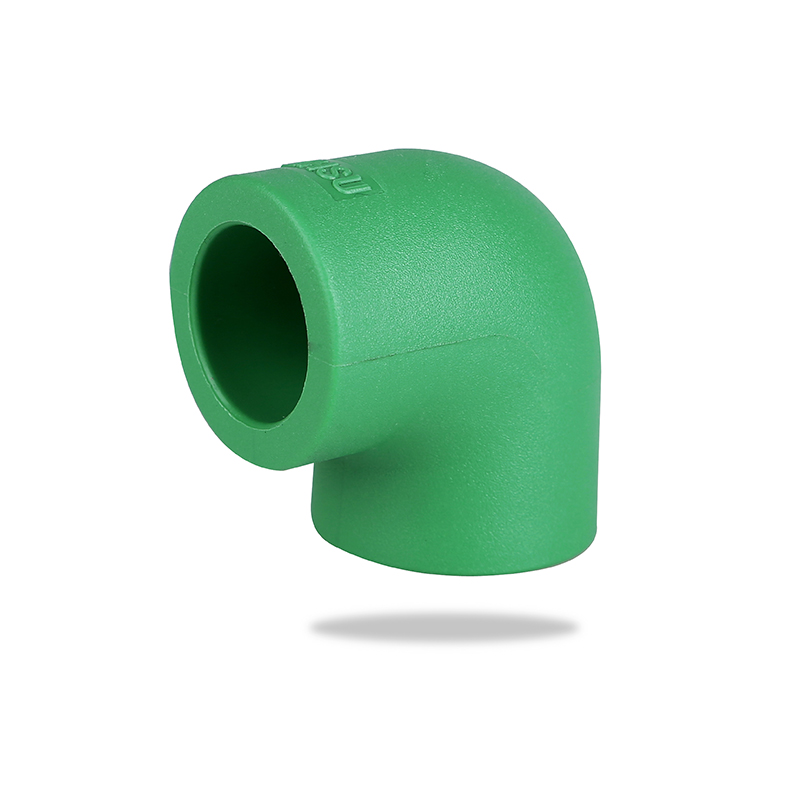
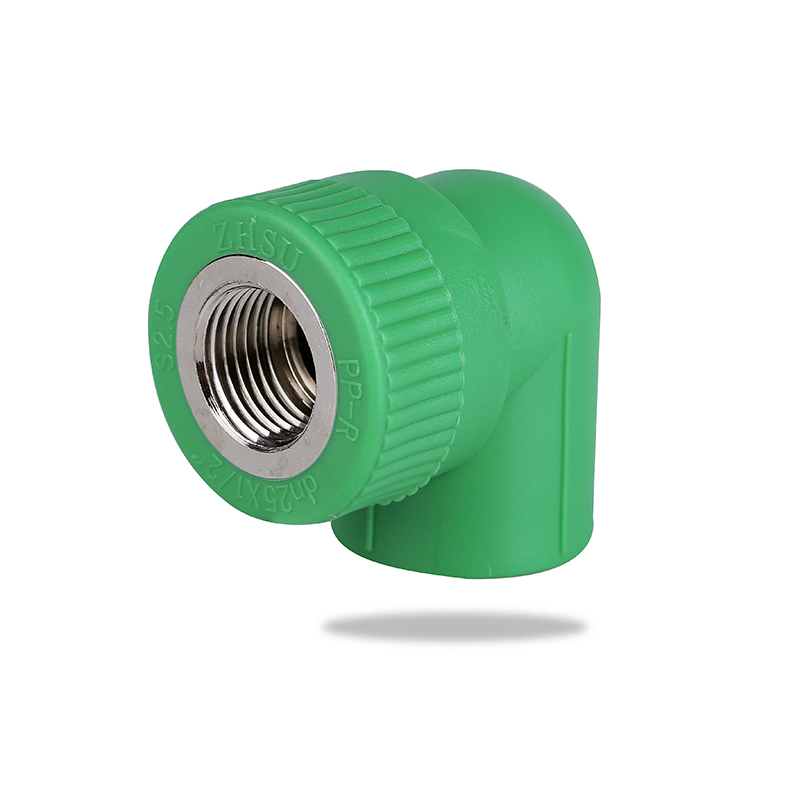
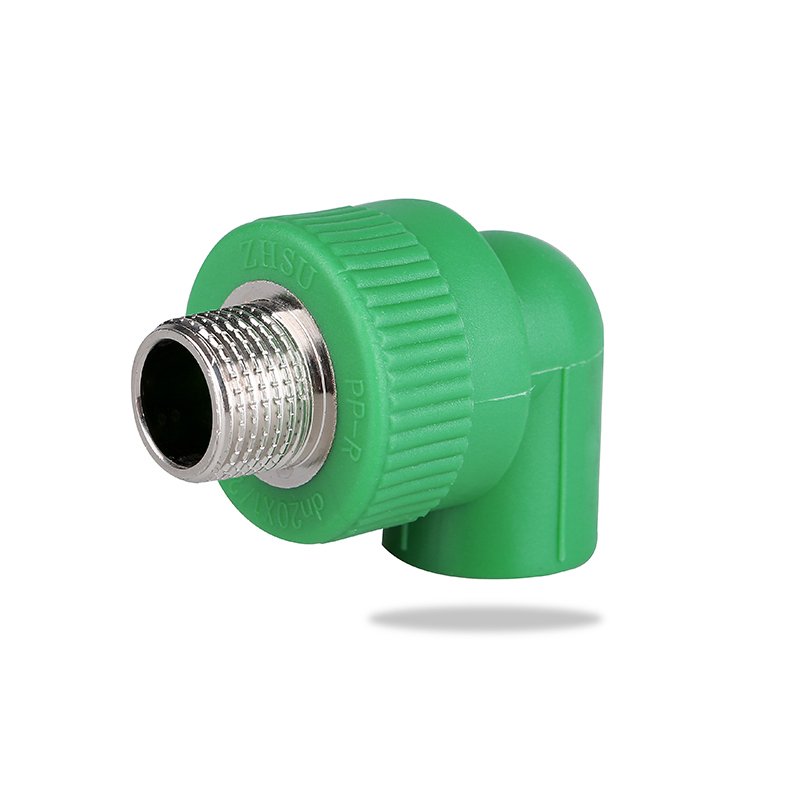
Joints are heat-fused rather than glued or threaded, which removes weak points that would otherwise leak under pressure over time. PN20 and PN25 pressure classes are standard, covering the range most building water systems require. This potable water PPR pipe built for residential and commercial supply lines is a typical example of how the material is specified in practice. For a deeper technical breakdown of the polymer itself, this explanation of what PPR stands for and how it performs covers the underlying chemistry and its practical benefits.
HDPE: Flexibility for Underground and Large-diameter Systems
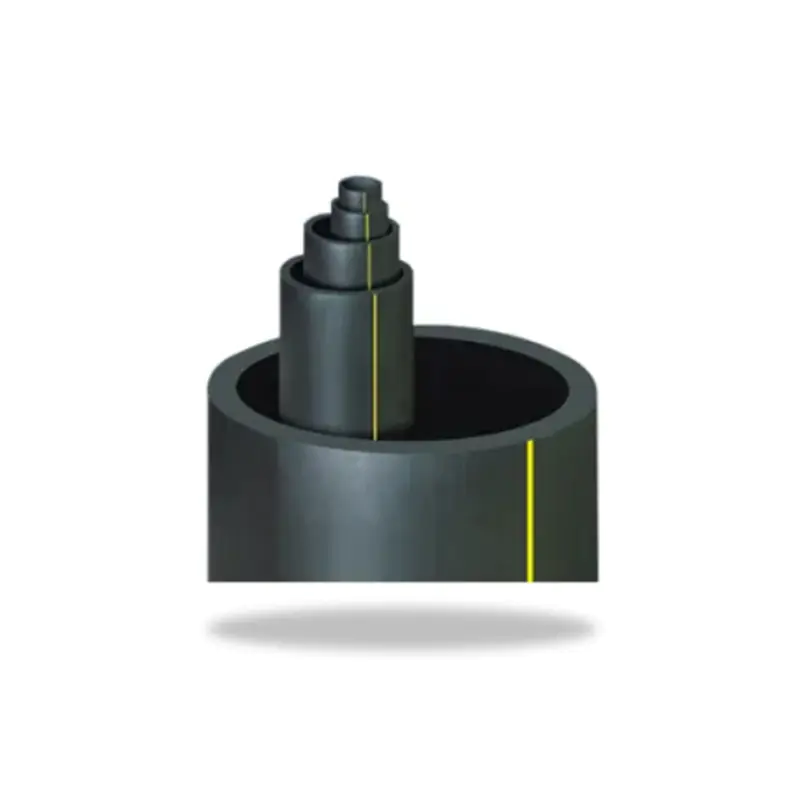
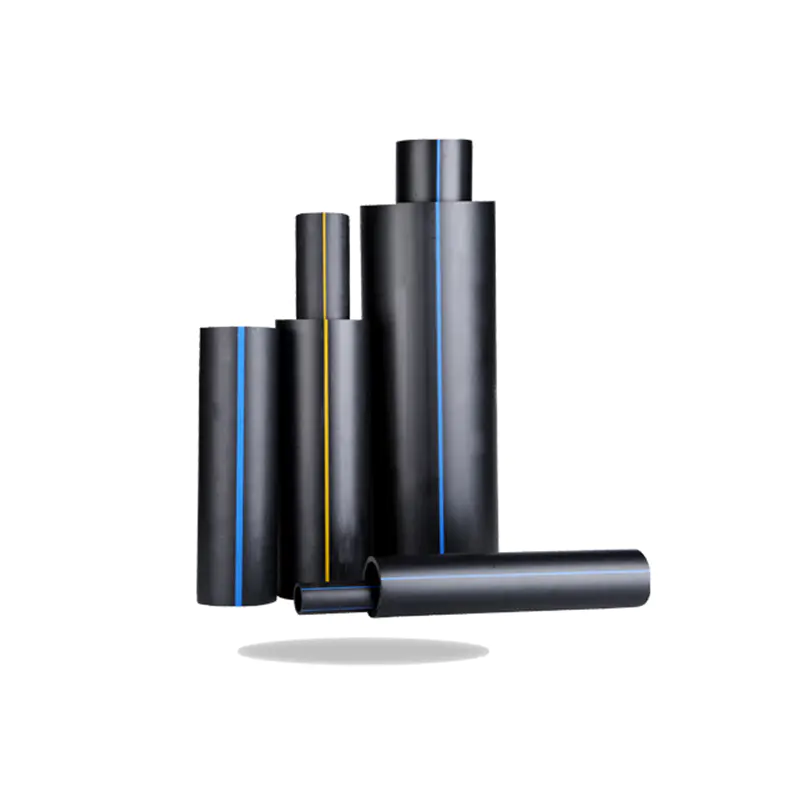
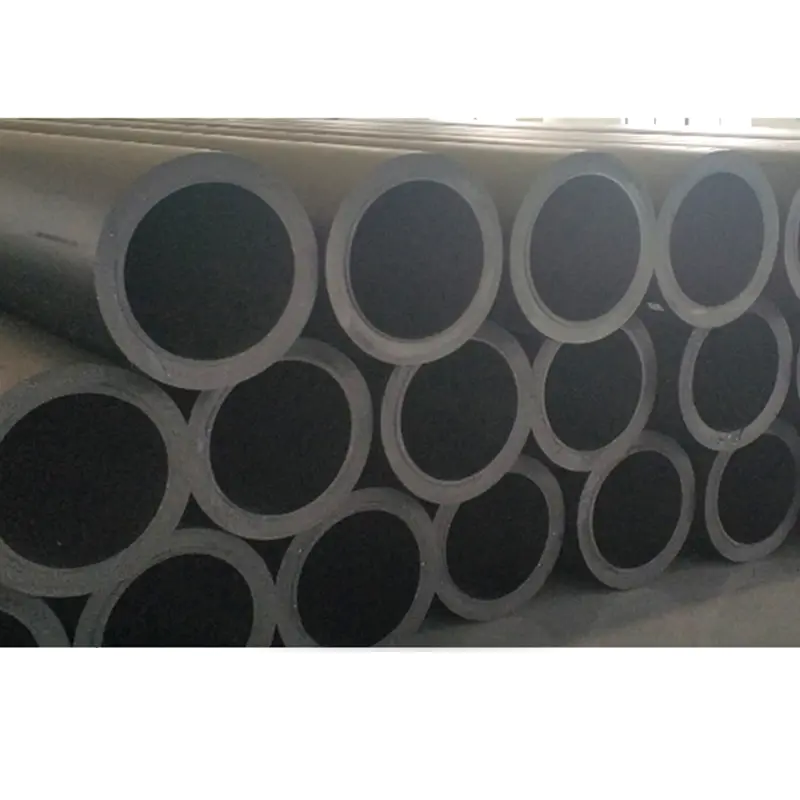
HDPE (high-density polyethylene) pipe follows a different design logic. Instead of rigidity, it's engineered for flexibility, impact resistance, and butt-fusion joints that create a continuous, leak-free run over long distances — a major advantage for buried municipal water mains, gas distribution, and irrigation networks. Manufactured to ASTM D3035 and ISO 4427, it stays serviceable down to around -40°C and resists the slow crack growth that limits other plastics over decades of buried service.
Its heat tolerance tops out lower than PPR's, generally around 60°C, so it isn't the first choice for indoor hot water lines. But for cold water transport, gas lines, and large-diameter drainage, it's hard to beat. Examples in active use include HDPE pipe engineered for municipal and rural water supply and HDPE pipe solutions built for gas distribution networks, both of which rely on the same fusion-welded, corrosion-free design principles.
PPR vs HDPE: A Side-by-Side Comparison
Since both materials often compete for the same projects, a direct comparison makes the decision easier.
| Property | PPR | HDPE |
|---|---|---|
| Max continuous temperature | ~70°C | ~60°C |
| Typical pressure class | PN20–PN25 | PE100-SDR11 (~16 bar) |
| Joining method | Socket heat fusion | Butt or electrofusion |
| Flexibility | Rigid | Flexible |
| Best fit | Indoor hot/cold water, heating | Buried mains, gas, irrigation |
In practice, many large projects use both: PPR inside the building for hot and cold distribution, HDPE outside for the buried service lines feeding it.
Certifications to Verify Before You Buy
Material specifications only tell part of the story. Before selecting a pipe for a potable water system, confirm it's certified against a recognized health-effects standard rather than just "performing well" in testing. In the United States, that standard is the NSF/ANSI 61 standard covering health effects of drinking water system components, which applies to pipes, fittings, and the materials that contact the water inside them.
Reputable manufacturers will have third-party lab reports on hand, and raw material traceability back to the resin supplier. If a supplier can't produce either, treat that as a warning sign regardless of how the pipe looks on paper.
Matching Material to Project, Not the Other Way Around
There's no single best pipe material — only the right one for a given set of pressure, temperature, and installation conditions. Indoor hot water systems lean toward PPR. Buried mains and gas lines lean toward HDPE. Budget-sensitive cold water runs often still make sense in PVC. The work is in matching the material to the job before construction starts, not retrofitting after a failure.
If you're weighing options for an upcoming project, a free consultation can help match the right pipe material to your specific requirements.

 Email:
 Telephone:+86-21-57461561
 Phone:+86-18721379989


