


 简体中文
简体中文 English
 русский
 Español
 Français
 عربى
عربى Português
 日本語
日本語 italiano
 Nederlands
 Polskie
Content
Why PPR Unions Are Essential for Modern Plumbing
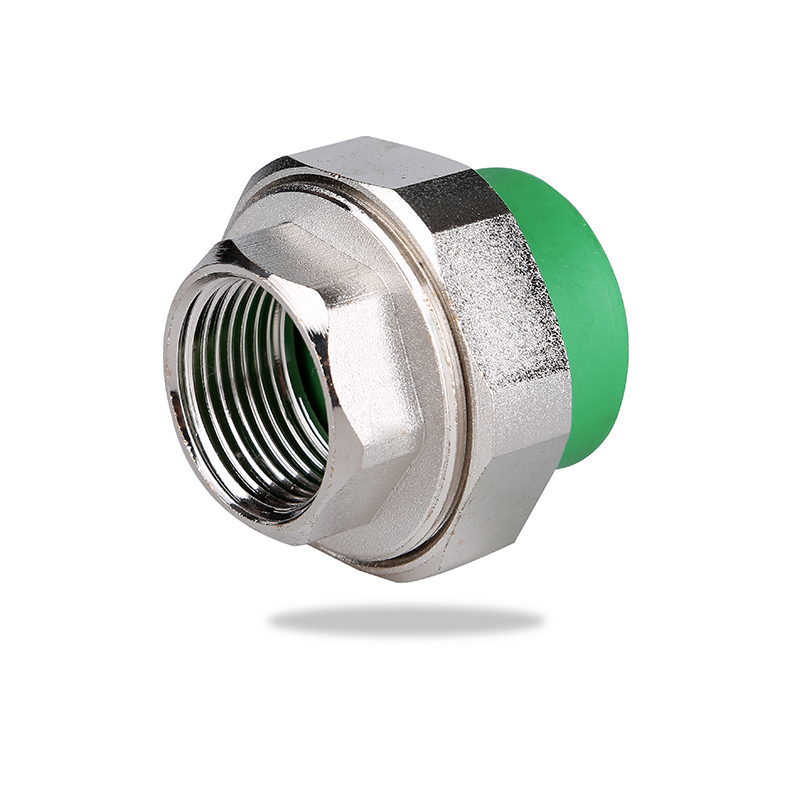
A PPR union is a specialized fitting that allows for the easy connection and disconnection of Polypropylene Random Copolymer (PPR) pipes without cutting or heat fusion. Using PPR unions reduces maintenance time by up to 50% compared to traditional fused joints, making them ideal for systems requiring regular inspection or valve replacement.
These fittings consist of three main parts: two female threaded ends and a central nut. When tightened, they create a watertight seal using an O-ring or gasket, ensuring reliability in both hot and cold water applications up to 95°C.
Key Benefits of Using PPR Unions
PPR unions offer several advantages over standard fixed fittings:
- Easy Maintenance: Allows for quick disassembly to clean filters, replace valves, or repair sections without damaging the pipe system.
- Leak-Proof Sealing: High-quality EPDM or silicone O-rings provide 100% leak resistance even under pressure fluctuations up to 25 bar.
- Chemical Resistance: Compatible with most acidic and alkaline fluids, making them suitable for industrial and residential use.
- Cost Efficiency: Reduces labor costs during repairs since no re-fusion or pipe cutting is required.
Installation Best Practices for PPR Unions
Proper installation ensures longevity and prevents leaks. Follow these critical steps:
Preparation and Alignment
Ensure pipe ends are cut cleanly and deburred. Misalignment can cause uneven pressure on the O-ring, leading to premature failure. Use a pipe cutter for precision.
Fusion and Assembly
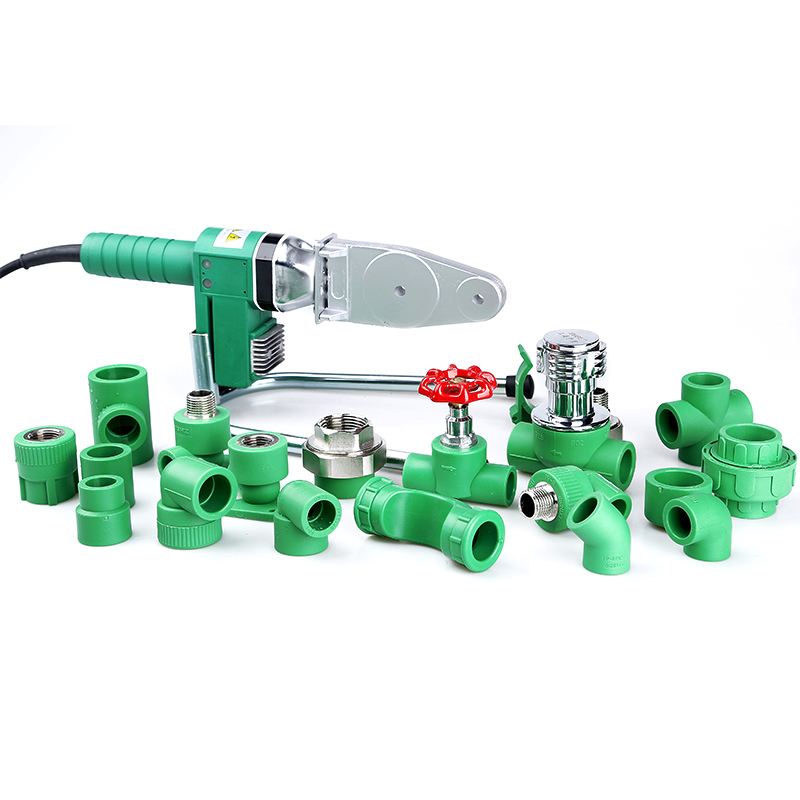
Fuse the union ends to the PPR pipes using a standard welding machine at 260°C. Allow the joint to cool completely before tightening the central nut. Over-tightening can crush the O-ring, while under-tightening causes leaks.
| Pipe Diameter (mm) | Recommended Torque (Nm) | O-Ring Material |
|---|---|---|
| 20–25 mm | 15–20 Nm | EPDM |
| 32–50 mm | 25–35 Nm | EPDM/Silicone |
| 63+ mm | 40–50 Nm | Viton (High Temp) |
Common Issues and Troubleshooting
Even with proper installation, issues may arise. Here’s how to address them:
- Leaking at the Nut: Check if the O-ring is damaged or displaced. Replace it with a new one of the same material and size.
- Difficulty in Disassembly: Mineral deposits may jam the threads. Apply a penetrating lubricant safe for plastics and wait 10 minutes before attempting to loosen.
- Cracked Union Body: Often caused by over-tightening or physical impact. Replace the entire union unit immediately to prevent burst failures.
Regular inspection every 6 months can prevent 80% of unexpected leaks in commercial plumbing systems.
Choosing the Right PPR Union for Your Application
Selecting the correct union depends on specific operational needs:
- Temperature Rating: For hot water systems above 70°C, choose unions with Viton O-rings instead of standard EPDM.
- Pressure Class: Ensure the union matches the pipe’s PN rating (e.g., PN20 for 20 bar).
- Material Quality: Opt for unions made from virgin PPR material rather than recycled content to ensure structural integrity and longevity.
Investing in high-quality PPR unions ensures a service life of over 50 years under normal operating conditions, providing peace of mind and reduced long-term costs.
 Email:
 Telephone:+86-21-57461561
 Phone:+86-18721379989


