


 简体中文
简体中文 English
 русский
 Español
 Français
 عربى
عربى Português
 日本語
日本語 italiano
 Nederlands
 Polskie
PVC and CPVC: What Makes Them Different
Both PVC and CPVC are thermoplastic materials built around a polyvinyl chloride backbone, but the similarity largely ends there. CPVC — chlorinated polyvinyl chloride — is PVC that has undergone an additional chlorination process, raising its chlorine content from roughly 57% to between 63% and 69%. That extra chlorine fundamentally changes how the material behaves under heat, pressure, and chemical exposure.
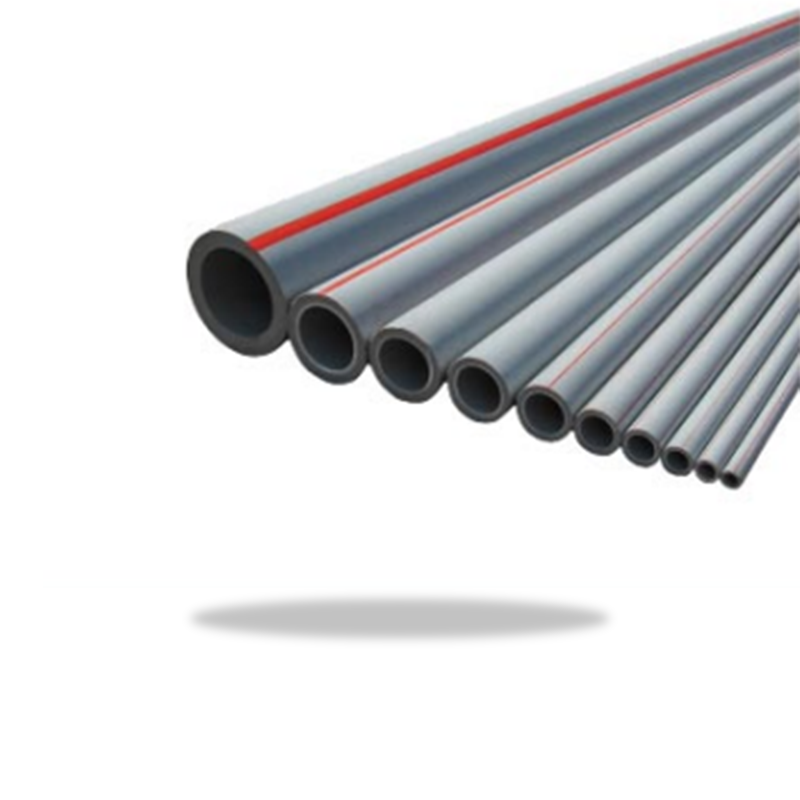
The difference shows up visually at the point of purchase. Standard PVC pipe is white or dark gray. CPVC pipe is typically beige or tan. This color coding is intentional — it prevents contractors from accidentally fitting PVC components into a CPVC system, which would create a failure point. The two materials are also sized differently: CPVC follows copper tube sizing (CTS), while PVC uses iron pipe sizing (IPS). This means a ¾-inch CPVC pipe and a ¾-inch PVC pipe have different outer diameters and are not interchangeable with shared fittings.
The chemical difference between the two materials drives every practical difference in performance. Understanding what chlorination adds — and what it does not — is the foundation for any informed decision about which pipe belongs in a drinking water system.
Content
Temperature Performance: The Deciding Factor
Temperature tolerance is the most operationally significant difference between PVC and CPVC, and it directly determines which material is appropriate for a given drinking water application.
PVC has a maximum service temperature of approximately 60°C (140°F) under pressure. In practice, most plumbing codes prohibit PVC from use in pressurized hot water distribution lines inside buildings precisely because domestic hot water systems routinely approach or exceed this threshold — water heaters are typically set between 49°C and 60°C, and supply temperatures can spike higher. At or near its thermal limit, PVC softens, loses pressure rating, and can deform under load. Using it in a hot water supply line is a code violation in most jurisdictions, not just a performance risk.
CPVC handles temperatures up to 93°C (200°F) under pressure — a margin wide enough to cover virtually all residential and light commercial hot water applications with room to spare. At room temperature, CPVC and PVC carry comparable pressure ratings (both around 400–480 psi for ¾-inch Schedule 40 pipe), but CPVC retains meaningful pressure capacity at elevated temperatures where PVC has no rating at all. A ¾-inch CPVC pipe carries a 100 psi rating at 82°C (180°F); PVC at that temperature is unsuitable for any pressurized application.
For cold water lines — irrigation, main service lines, and cold supply branches — PVC's thermal limitations are rarely a practical constraint. The pipe will never see temperatures that challenge its rating. For any system that distributes hot or warm water, CPVC is the technically correct choice between these two materials. Neither, however, can approach the thermal performance of alternatives like PPR pipe, which handles continuous operation at 70°C under pressure for a rated service life exceeding 50 years.
Safety and Certification for Drinking Water
Both PVC and CPVC can be safely used in potable water systems — but only when the specific product carries the appropriate certification. The critical standard in North America is NSF/ANSI/CAN 61: Drinking Water System Components – Health Effects, developed at the request of the U.S. EPA. This standard establishes maximum contaminant limits for chemicals that can leach from pipe materials into the water flowing through them, covering metals, organic compounds, and residual processing chemicals.
Not all PVC or CPVC pipe is NSF 61 certified. Products that meet the standard are marked with the NSF-61 or NSF-pw (potable water) designation on the pipe itself. Before specifying either material for a drinking water application, that mark should be verified on the product — not assumed based on material type alone. In 49 of 50 U.S. states, NSF/ANSI/CAN 61 compliance is required by plumbing code for any pipe contacting public water supplies. The full scope of the standard and its certification requirements is maintained by NSF International at NSF/ANSI/CAN 61 testing and certification.
Beyond the certification baseline, CPVC carries a hygiene advantage for drinking water. The additional chlorine atoms in its molecular structure inhibit biofilm formation on the interior pipe wall — the microbial layer that can degrade water quality in systems with low flow or long residence times. This property makes CPVC a preferred specification in healthcare facilities, laboratories, and other settings where water purity is a clinical or regulatory concern. Standard PVC does not offer this characteristic.
One precaution applies to both materials equally: when PVC or CPVC is cut with a heat tool, heated, or thermally processed, it releases toxic fumes including hydrogen chloride gas. All cutting and solvent cementing should be done in well-ventilated spaces with appropriate respiratory protection. This is not a concern during normal service — only during fabrication and installation.
Cost, Installation, and Long-Term Durability
CPVC consistently costs more than PVC — typically 20–40% more for equivalent pipe diameter and schedule. Fittings carry a similar premium. For large-scale projects involving substantial linear footage of pipe, this difference accumulates to a meaningful budget line. For smaller residential repairs or branch runs, the absolute cost difference is minor.
Installation method is almost identical for both materials. Both are joined using a two-step process: a primer that softens the pipe surface and a solvent cement that chemically fuses the pipe and fitting into a single molecular structure. The critical distinction is that PVC primer and cement are not interchangeable with CPVC primer and cement. Using PVC cement on CPVC connections — or vice versa — produces a weakened joint that may hold initially but is prone to failure under pressure or temperature cycling. Each material requires its own formulated products, clearly labeled at point of sale.
CPVC solvent joints typically require a slightly longer cure time before pressure testing — 24 hours is a common specification under normal temperature conditions, versus 15 minutes for PVC joints in ambient conditions. In practice, this rarely affects project timelines, but it is a factor in time-sensitive installations.
Long-term durability is strong for both materials in appropriate applications. PVC in cold water service has a documented service life of 50 years or more. CPVC in hot and cold water service carries similar longevity claims, though its performance is more sensitive to UV exposure — outdoor CPVC must be insulated or painted to prevent UV degradation. For guidance on choosing between pipe materials across a broader range of applications, the complete guide to pipe material selection covers key decision criteria across pipe types used in different service environments.
PVC vs CPVC for Drinking Water: At a Glance
| Criteria | PVC | CPVC |
|---|---|---|
| Max Service Temperature | 60°C / 140°F | 93°C / 200°F |
| Cold Water Lines | Suitable | Suitable |
| Hot Water Lines | Not recommended / code-prohibited in most regions | Suitable |
| NSF/ANSI 61 Certification | Available (verify mark on product) | Available (verify mark on product) |
| Biofilm Resistance | Standard | Enhanced (extra chlorine) |
| Relative Material Cost | Lower | 20–40% higher than PVC |
| Pipe Color | White or dark gray | Beige / tan |
| Sizing Standard | IPS (Iron Pipe Size) | CTS (Copper Tube Size) |
| Joining Method | Solvent cement (PVC-specific) | Solvent cement (CPVC-specific) |
| UV Resistance | Poor (requires protection outdoors) | Poor (requires protection outdoors) |
| Best Application | Cold water mains, irrigation, drainage | Hot and cold potable water distribution |
When to Look Beyond PVC and CPVC
For many drinking water projects — particularly those involving hot and cold distribution inside buildings, high-purity water applications, or systems designed for long service life under demanding conditions — both PVC and CPVC have meaningful limitations. Solvent-welded joints introduce chemical compounds into the installation environment and require cure time before pressurization. Neither material handles sustained temperatures above 93°C. Both are brittle relative to alternatives under impact loading, and both carry UV sensitivity that limits outdoor exposure without protective coating.
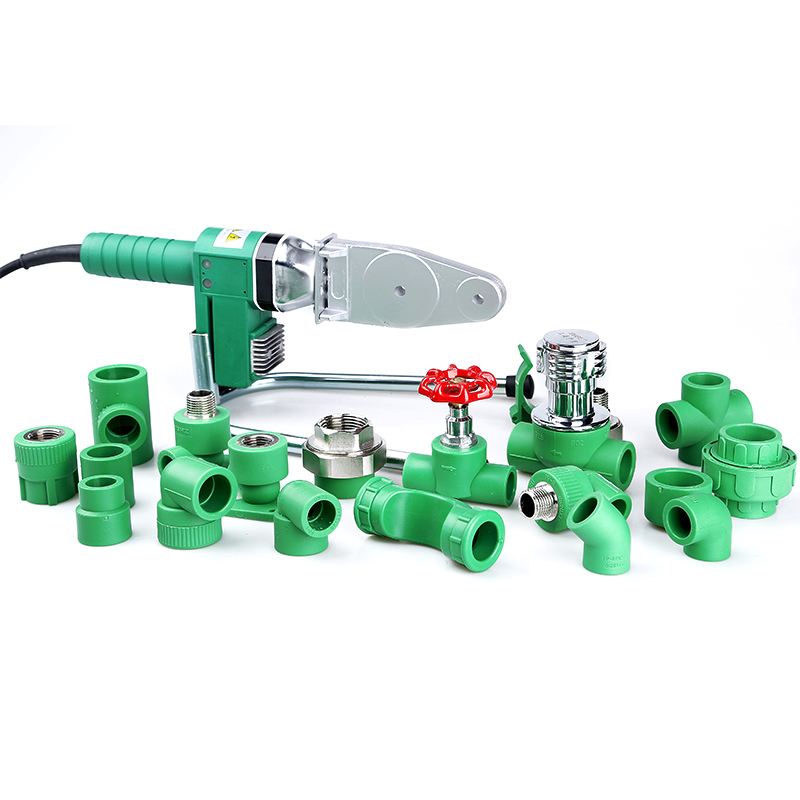
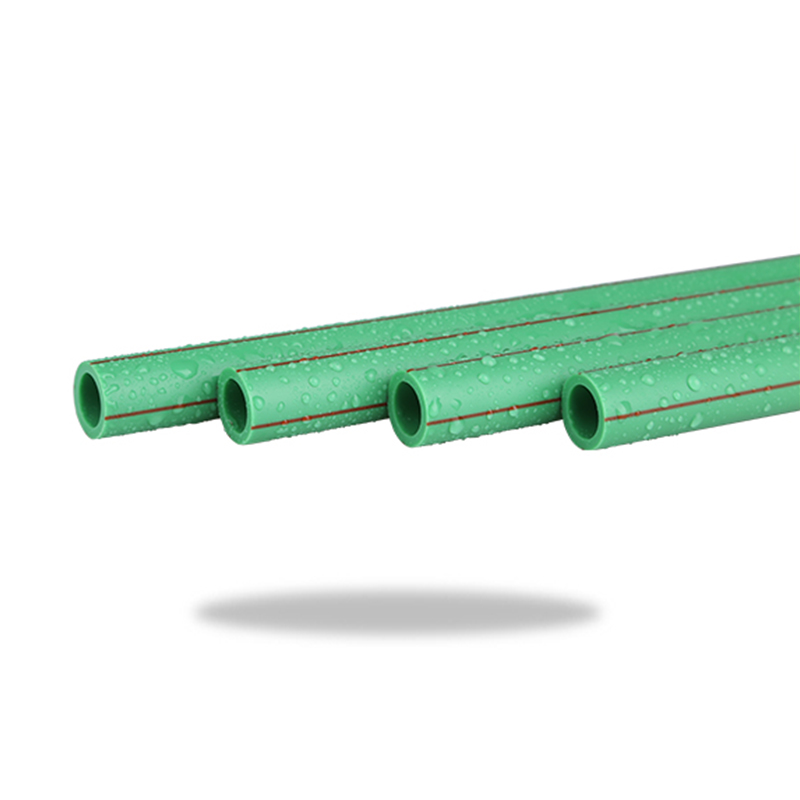
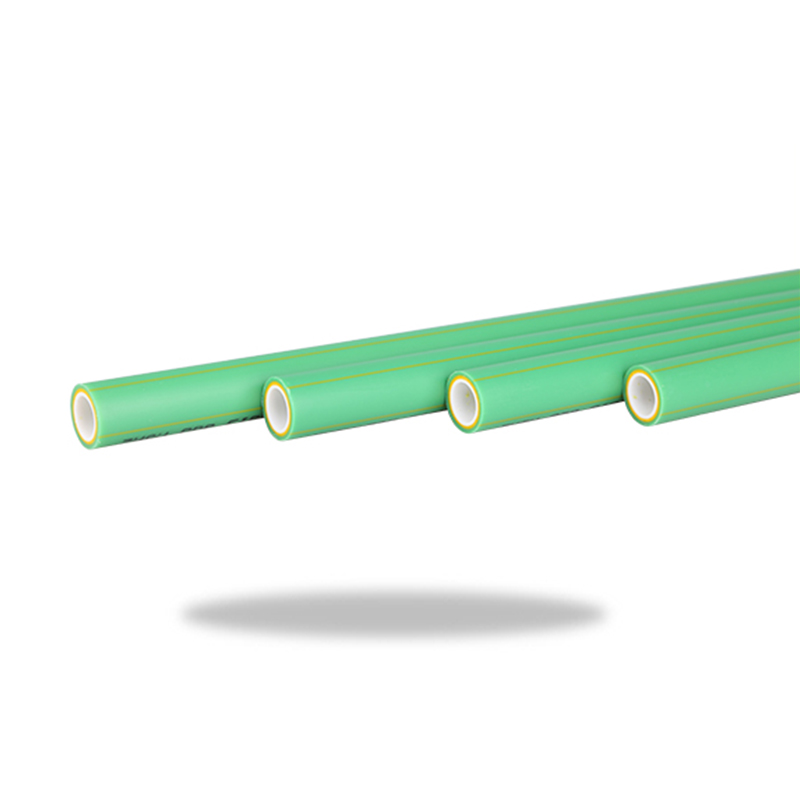
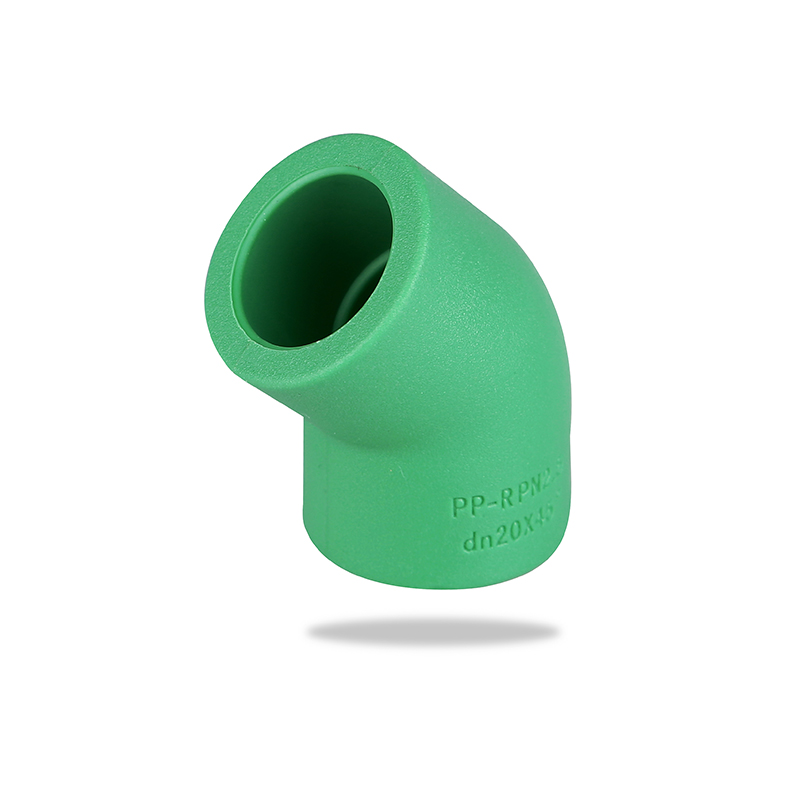
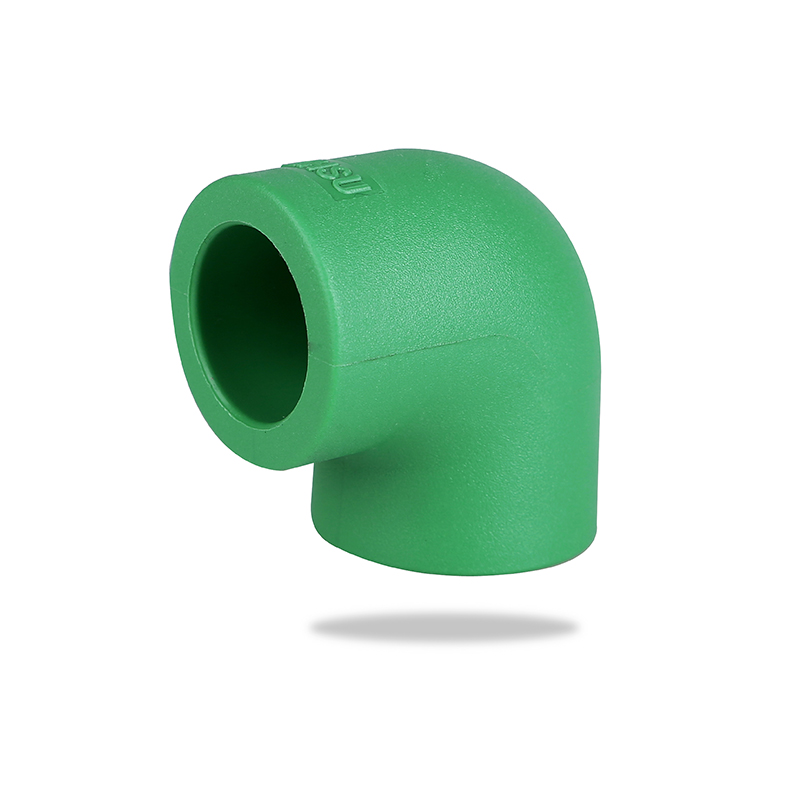
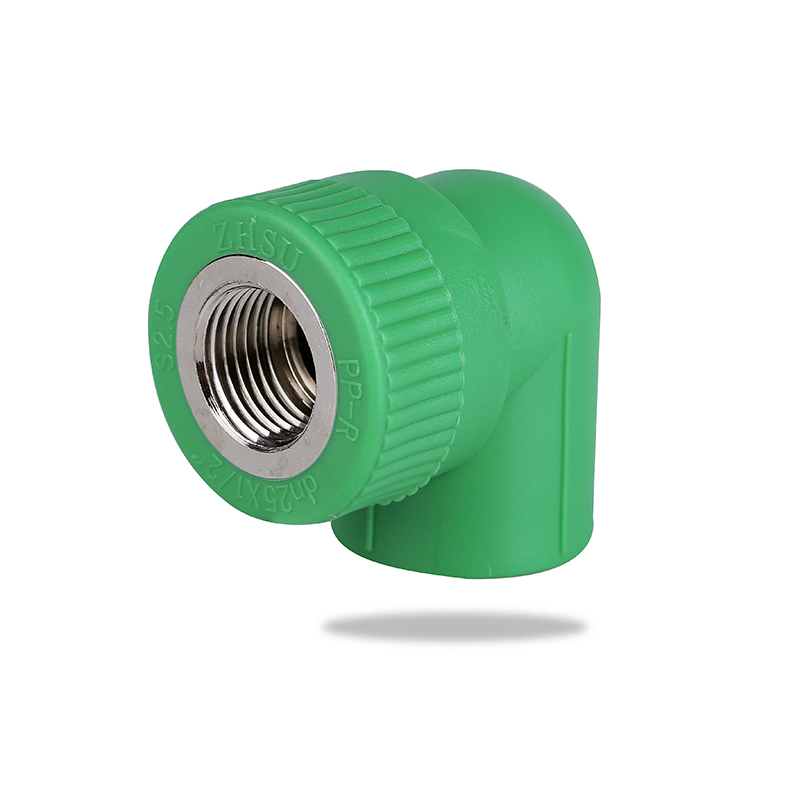
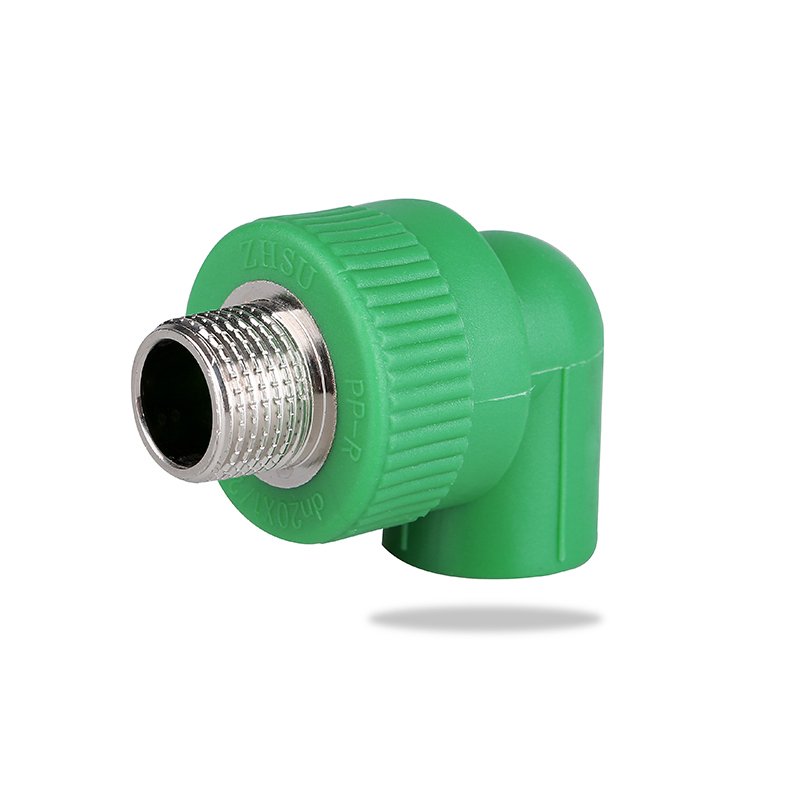
PPR (polypropylene random copolymer) pipe addresses several of these constraints directly. PPR is joined by thermal fusion rather than solvent cement — the pipe and fitting surfaces are heated and pressed together, creating a monolithic joint with no added chemicals. Certified PPR pipe for potable water carries a rated service life of over 50 years at 70°C under 10 bar working pressure, covering virtually all residential hot water applications with performance that PVC cannot approach and that CPVC matches only at the top of its rated range. Potable water PPR pipe for hot and cold systems is produced to international standards with 100% virgin raw material and is verified through CNAS-accredited laboratory testing for chemical safety and long-term pressure performance.
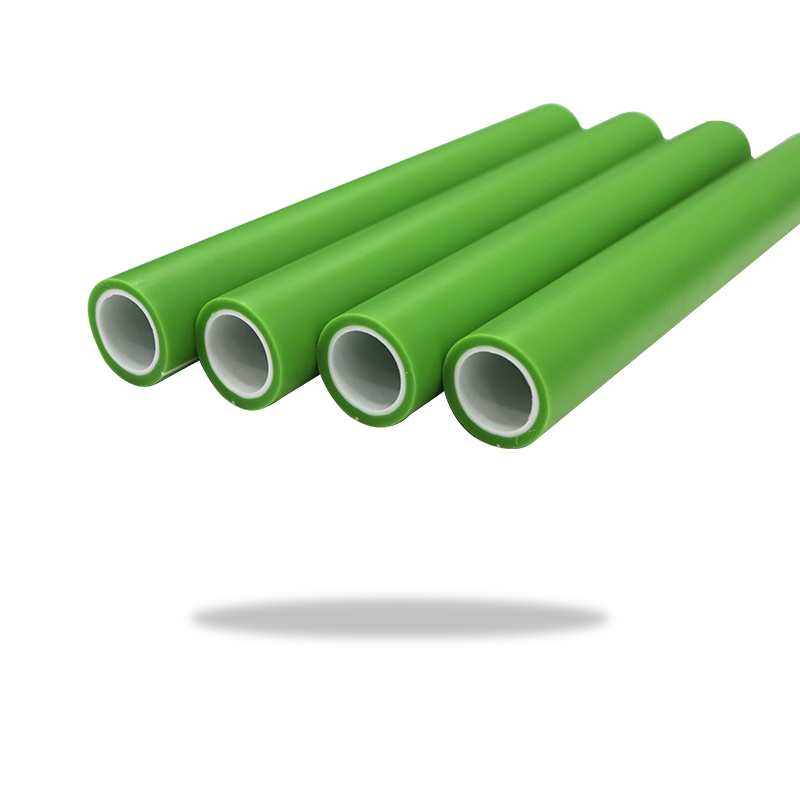
For applications where microbial control in the water distribution system is a priority — healthcare facilities, food processing, laboratories, or regions with warm ambient temperatures that promote biofilm growth — antibacterial PPR pipe for drinking water safety incorporates specialized additives engineered to inhibit microbial colonization on interior pipe surfaces throughout the pipe's service life, without relying on a temporary surface treatment that degrades with washing cycles.
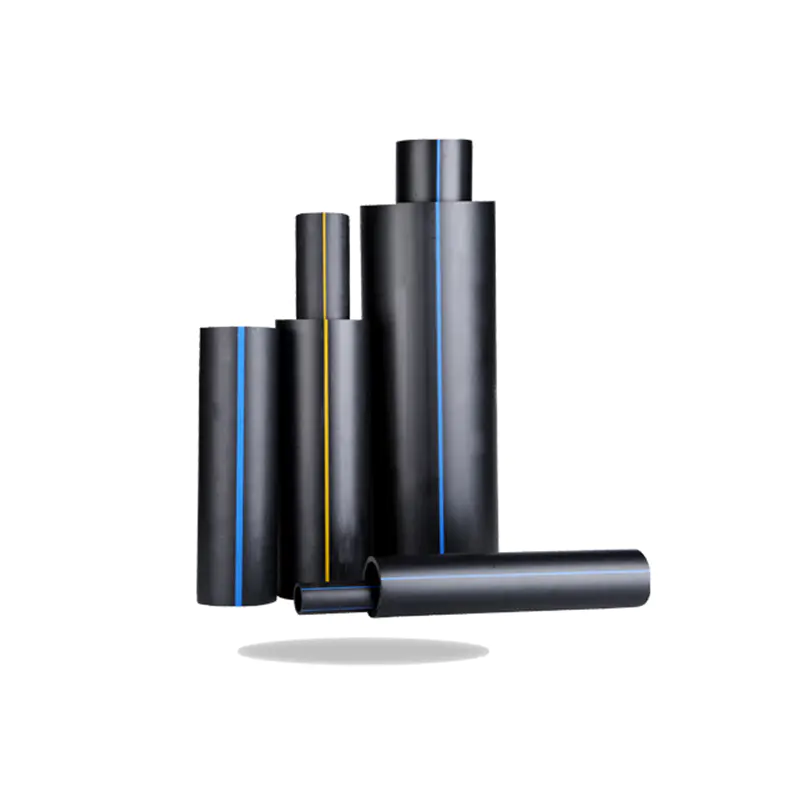
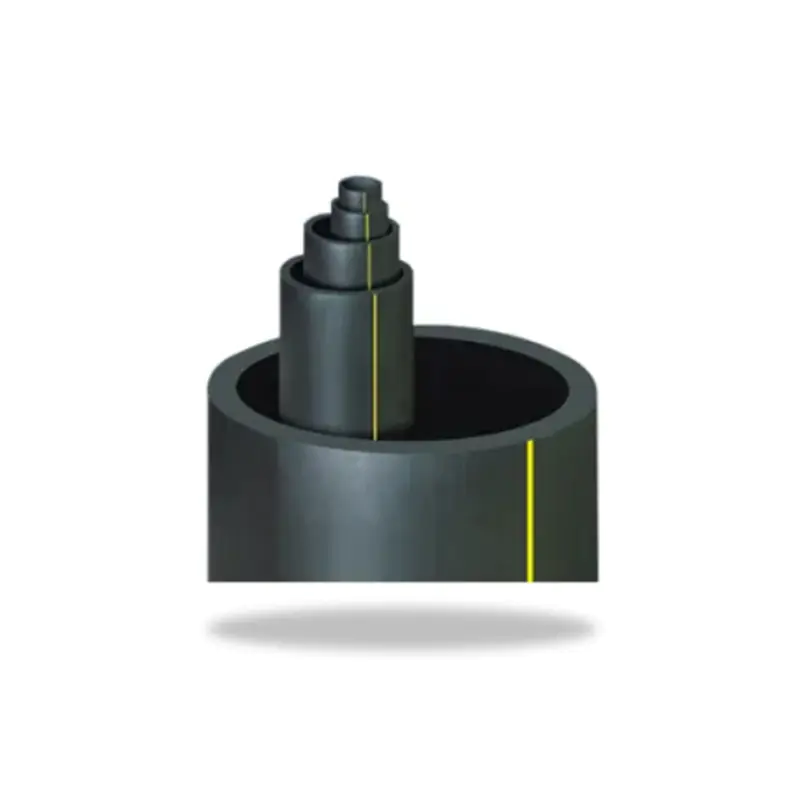
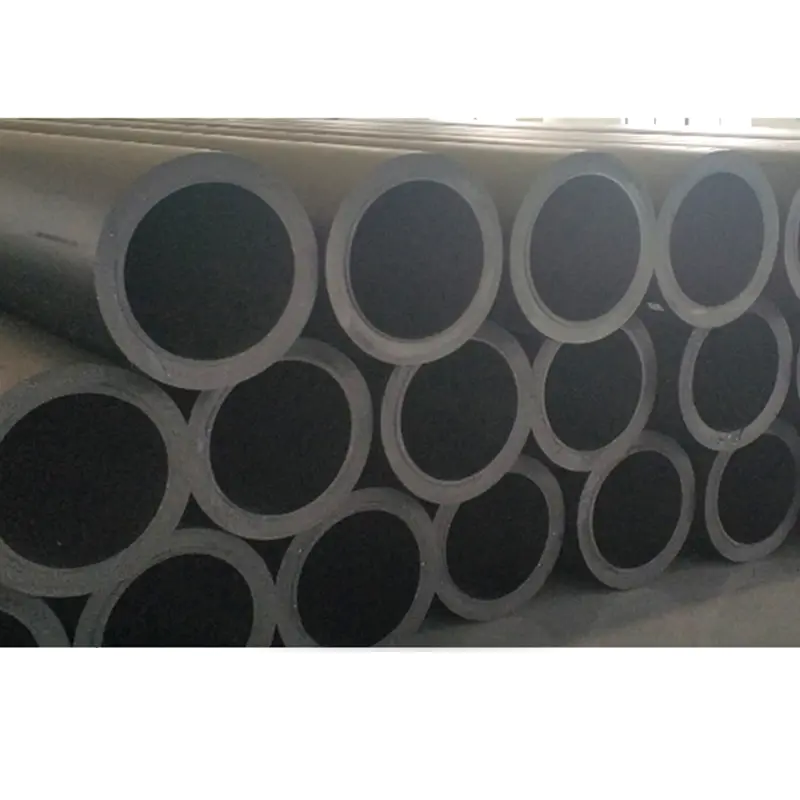
For large-diameter municipal water supply, rural drinking water networks, or buried infrastructure applications, HDPE is the dominant alternative to PVC at scale. Its flexibility accommodates ground movement, its fusion-welded joints are fully leak-free without mechanical seals, and its resistance to corrosion eliminates the pipe degradation that affects metal alternatives over time. HDPE pipe for water supply applications is available in diameters up to DN1200mm for projects ranging from building supply to major municipal infrastructure, and is fully compliant with international potable water standards.
PVC and CPVC remain valid, code-compliant choices in many drinking water applications — particularly where cost and installation simplicity are primary drivers. The decision to go beyond them is driven by temperature requirements, hygiene specifications, project scale, or service life expectations that these materials are not positioned to meet.

 Email:
 Telephone:+86-21-57461561
 Phone:+86-18721379989


