


 简体中文
简体中文 English
 русский
 Español
 Français
 عربى
عربى Português
 日本語
日本語 italiano
 Nederlands
 Polskie
Content
What Is PVC Drinking Water Pipe?
PVC drinking water pipe is made from unplasticized polyvinyl chloride, commonly labeled UPVC or PVC-U. The "unplasticized" distinction matters: unlike flexible vinyl products that contain plasticizers to keep them soft, pipe-grade PVC is a rigid formulation with no added plasticizers, which is part of why it holds a stable, non-toxic profile suitable for potable water contact.
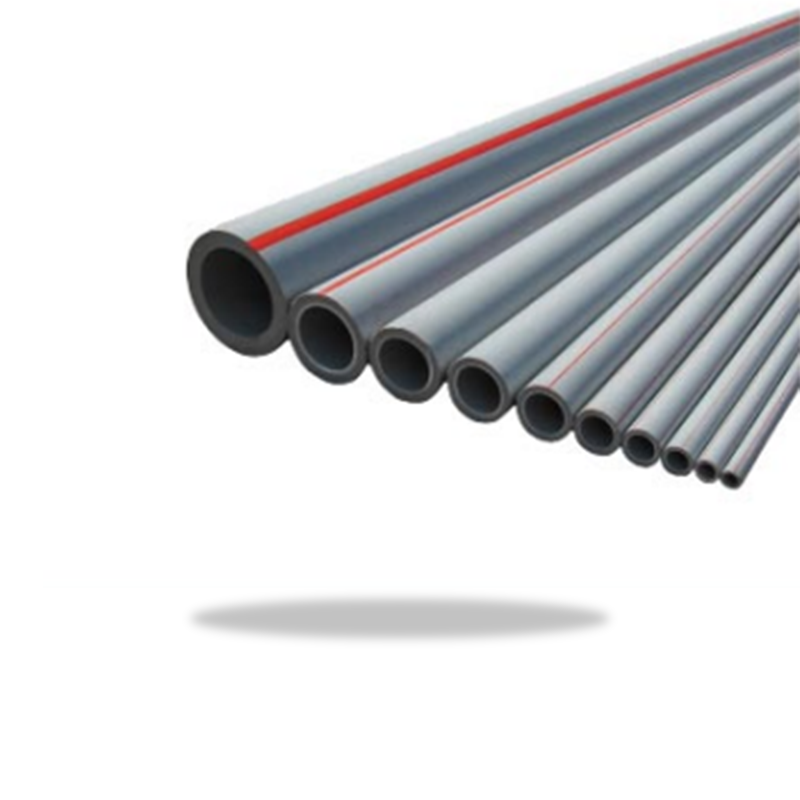
Pressure-rated PVC water pipe is typically sold in two wall-thickness classes—Schedule 40 and Schedule 80—sized according to Iron Pipe Size (IPS) standards. Schedule 40 covers most residential and light commercial supply lines, while Schedule 80 is specified where higher pressure or extra mechanical protection is needed. Pipe intended for potable water is manufactured in white, distinguishing it at a glance from the gray or solvent-weld PVC used in drainage or electrical conduit applications.
Is PVC Pipe Safe for Drinking Water?
The short answer is yes, provided the specific product is certified for the purpose. Pipe-grade PVC intended for potable water must be tested and marked to NSF/ANSI/CAN 61, the standard that sets maximum contaminant limits for anything that can leach from a pipe material into the water flowing through it. In the United States, this certification is required by plumbing code in nearly every state before PVC can legally contact a public water supply. For the full scope of what the standard tests and how certification works, NSF's testing and certification documentation is the authoritative reference.
The safety conversation around PVC has generated genuine public debate, and it's worth acknowledging both sides plainly. Some independent researchers have raised concerns about trace chemical release from PVC over long service periods, particularly in stagnant water conditions. At the same time, decades of NSF-certified product use and regulatory oversight by agencies including the EPA have not resulted in PVC being withdrawn from approved potable water materials. The practical takeaway for buyers is to verify the NSF-61 or NSF-pw mark on the specific product rather than assuming safety based on material type alone—certification status varies by manufacturer and product line, not just by material.
Advantages of PVC for Water Supply
PVC has remained a dominant choice for water infrastructure for a straightforward set of reasons.
- Cost: PVC is one of the least expensive pipe materials on a per-foot basis, which matters significantly on projects involving long linear runs of pipe.
- Corrosion resistance: PVC doesn't rust, scale, or pit the way metal pipe can, eliminating a major long-term maintenance concern in both buried and exposed installations.
- Installation speed: PVC is lightweight and joins by solvent cement, a process that doesn't require specialized heat-fusion equipment and typically cures to handling strength within about 15 minutes under normal conditions.
- Service life: Properly installed and protected PVC water pipe has a documented service life of 50 years or more in cold water applications.
Where PVC Falls Short
Temperature is the most significant constraint. Standard PVC has a maximum service temperature of roughly 60°C (140°F) under pressure. Most domestic water heaters are set between 49°C and 60°C, and supply temperatures can spike above that range, which is why most plumbing codes prohibit standard PVC in pressurized hot water lines inside buildings. Using it there isn't just a performance risk—it's typically a code violation.
PVC is also sensitive to prolonged UV exposure, which degrades the material over time if the pipe is left uncovered outdoors without paint or insulation. And while PVC resists most common chemicals well, it is more brittle than some alternatives under impact loading, particularly in cold weather. None of these limitations rule PVC out of a project—they simply define the envelope it needs to stay inside.
Installation and Maintenance Basics
PVC water pipe is joined using a two-step solvent welding process: a primer softens the mating surfaces of the pipe and fitting, and a solvent cement then fuses them into a single, permanent joint. The process is quick, but a few details matter for a reliable installation. The pipe and fitting surfaces need to be clean and dry before cement is applied, the joint should be given its full cure time before pressure testing, and cutting or heating PVC releases fumes that require adequate ventilation.
Ongoing maintenance is minimal by design—PVC doesn't require the periodic descaling or corrosion inspection that metal piping systems often need. The main long-term consideration is protecting any exposed sections from direct sun exposure and verifying that buried sections were installed with proper bedding to avoid stress points that could crack the pipe over time.
When to Consider an Alternative to PVC
PVC remains a valid, code-compliant choice for cold water mains, irrigation lines, and many residential supply applications where cost and installation simplicity are the priority. But for projects where PVC's temperature ceiling or joint chemistry becomes a limiting factor, other materials are worth evaluating before specification is finalized. We cover the tradeoffs between PVC and its closest chemical relative in our detailed comparison of PVC and CPVC for drinking water, which is a useful next step if hot water distribution is part of the project scope.
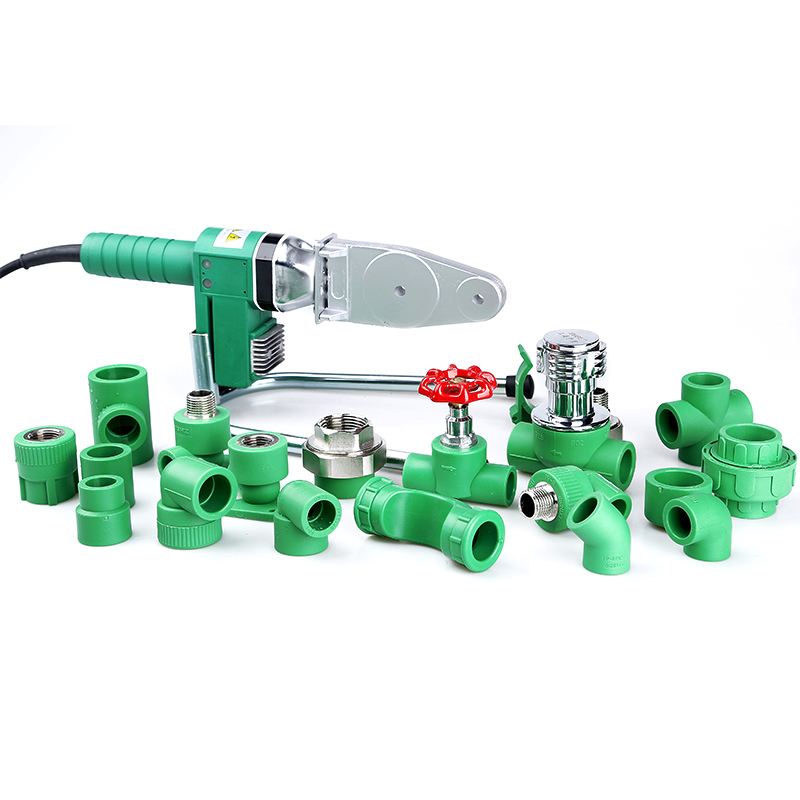
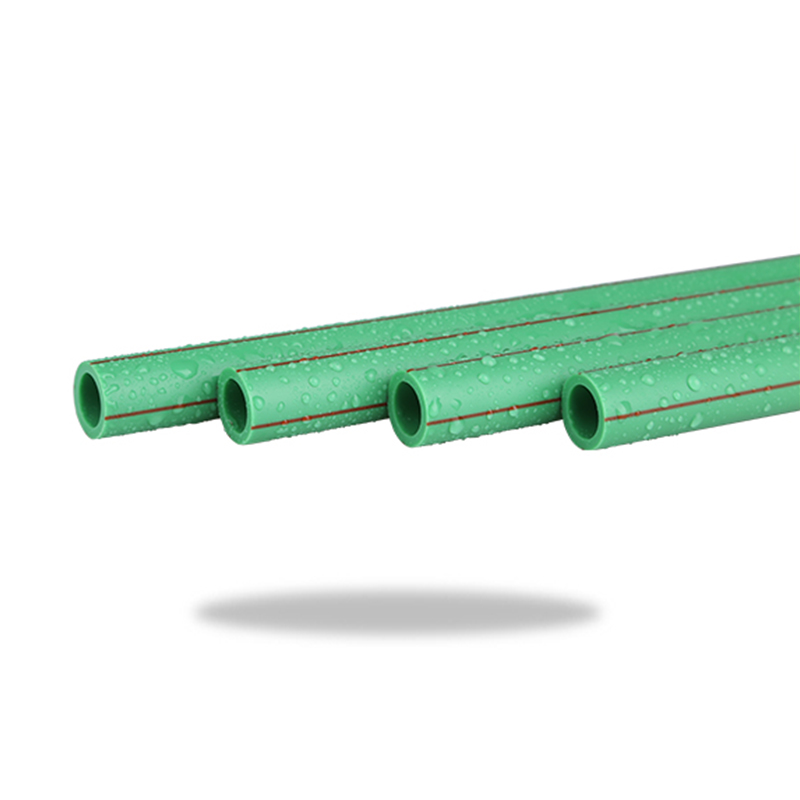
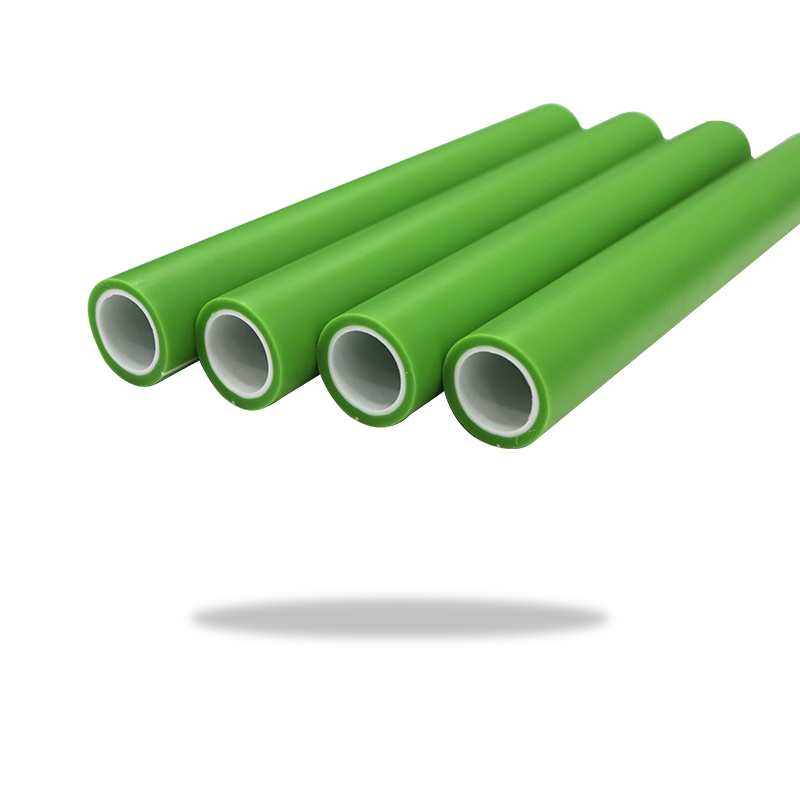
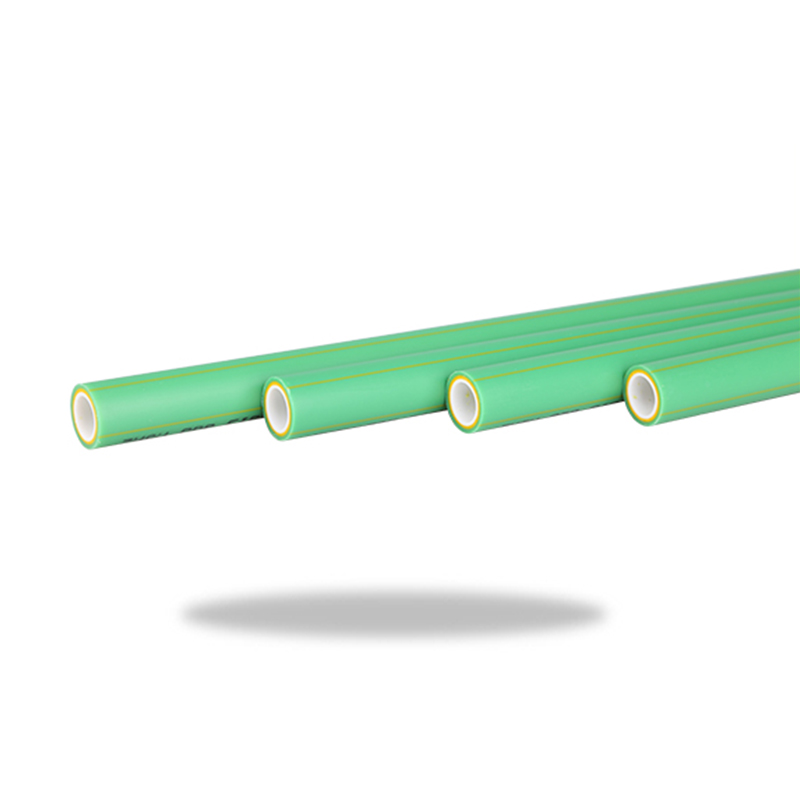
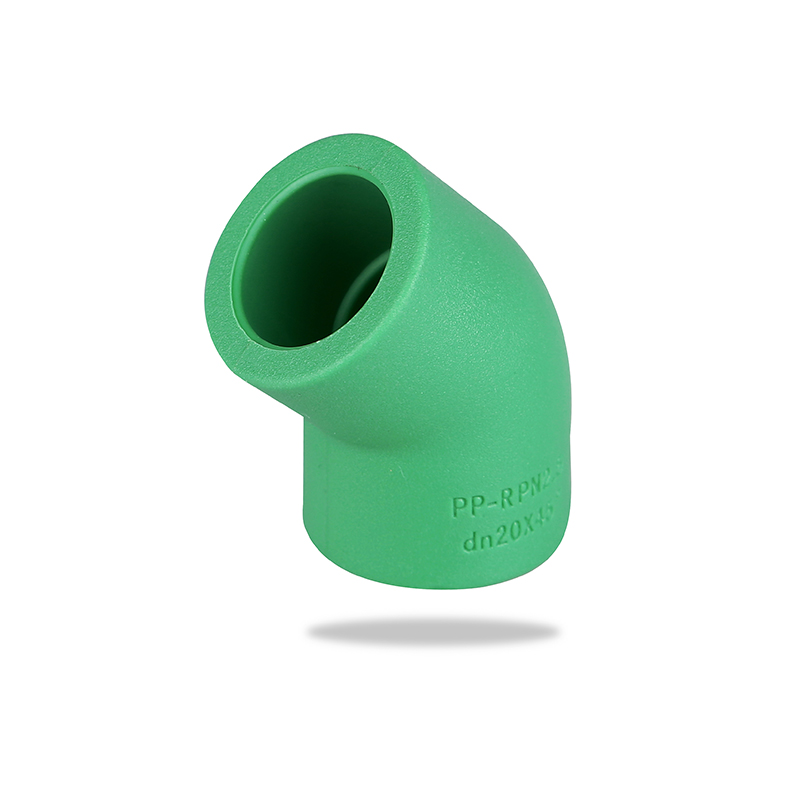
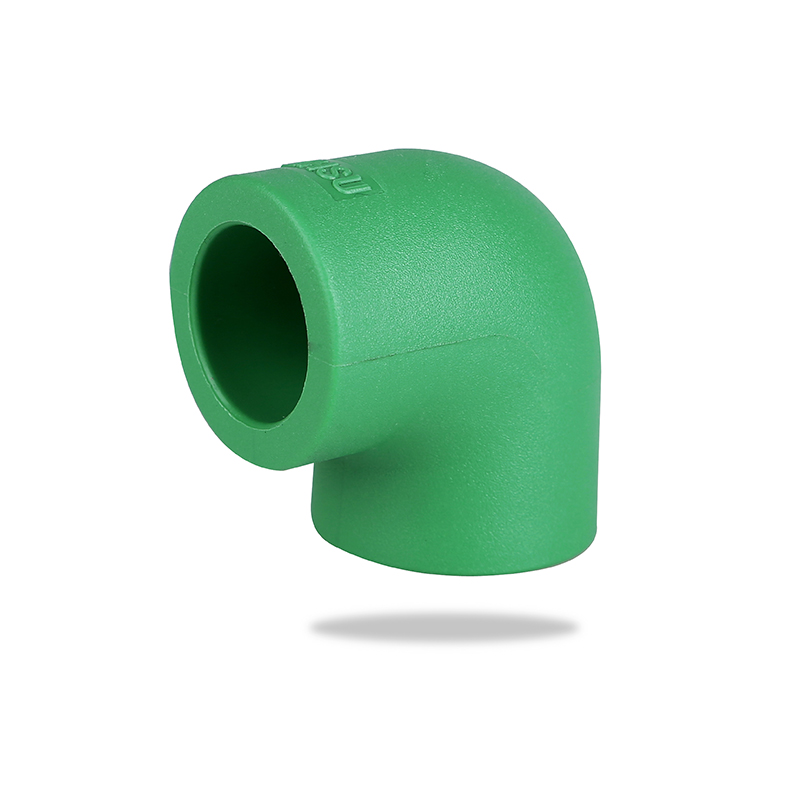
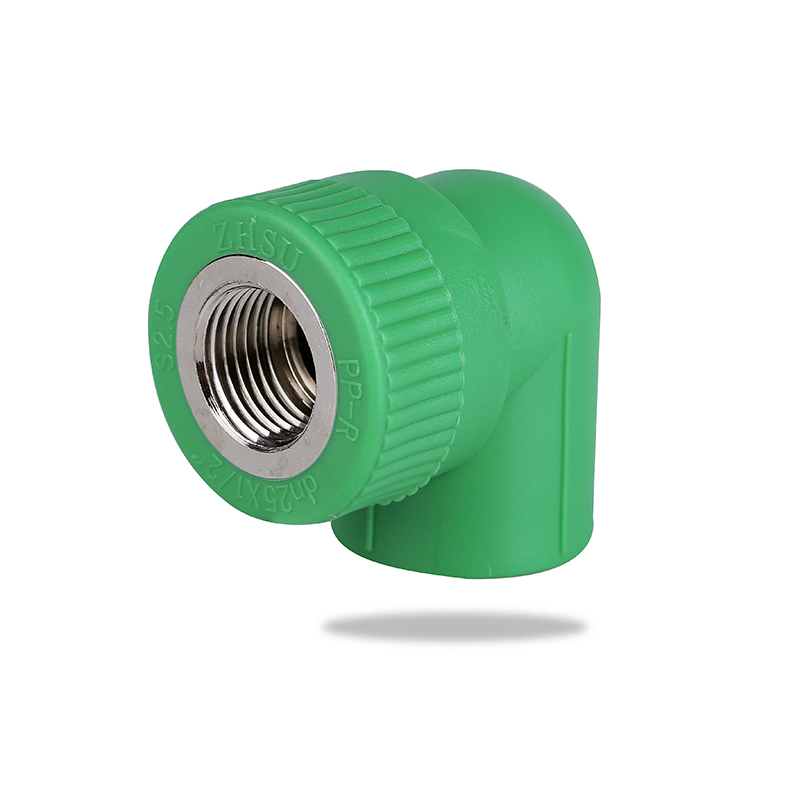
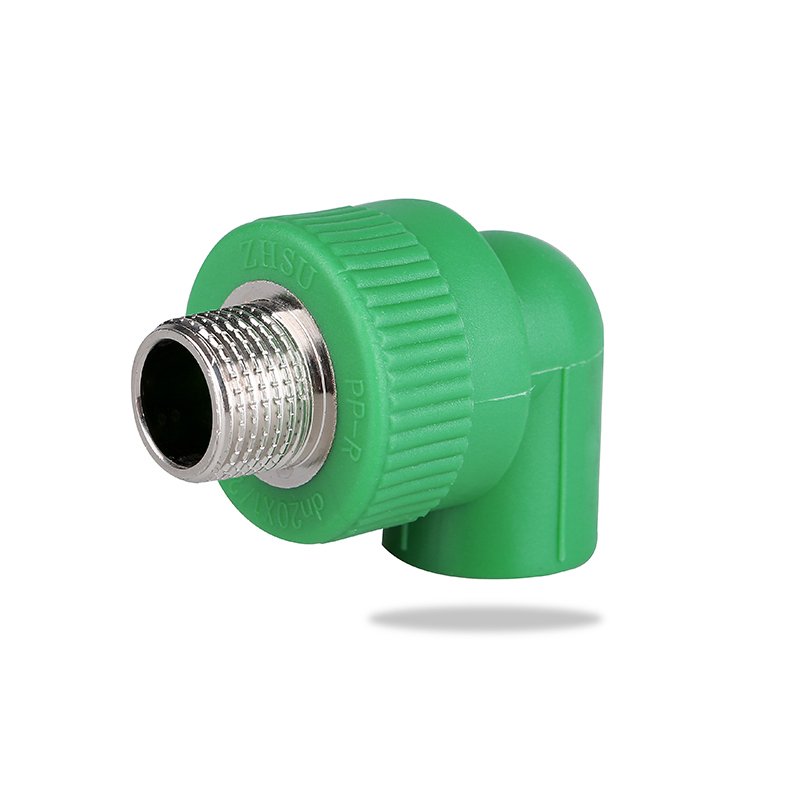
For hot and cold potable water systems specifically, PPR (polypropylene random copolymer) pipe addresses PVC's main constraint directly—it's rated for continuous operation at 70°C under pressure with a service life exceeding 50 years, and it joins by heat fusion rather than solvent cement, so no chemical compounds are introduced at the joint. Potable water PPR pipe for hot and cold systems is manufactured to international standards with 100% virgin raw material. For settings where microbial control matters—healthcare facilities, food processing, or warm climates prone to biofilm growth—antibacterial PPR pipe for drinking water safety adds specialized additives that inhibit microbial colonization on the pipe's interior surface throughout its service life.
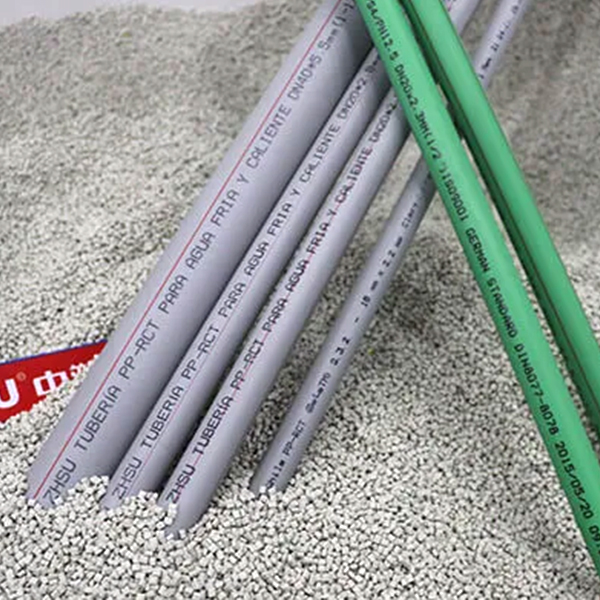
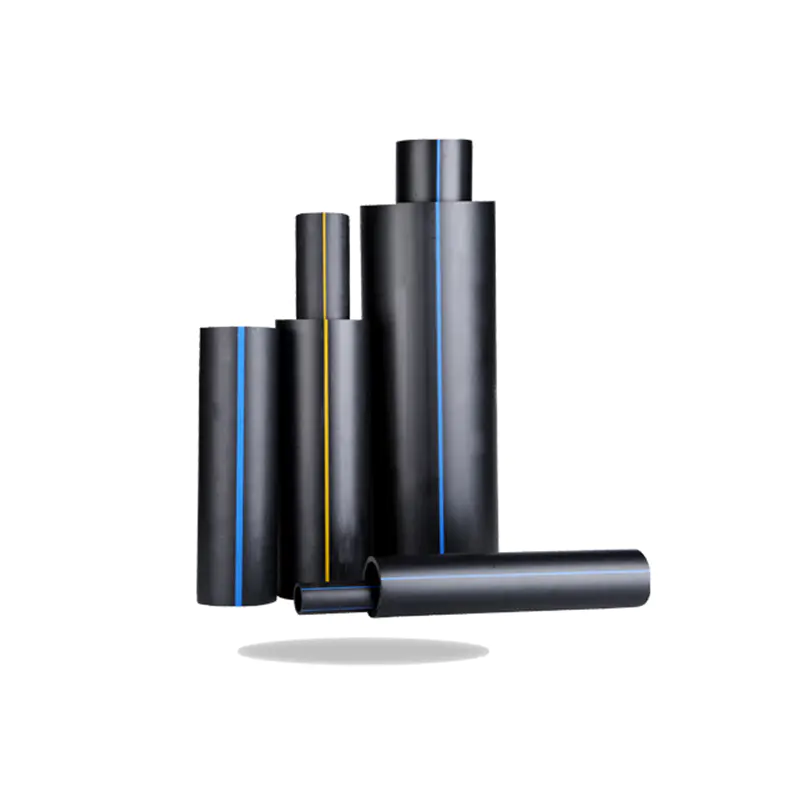
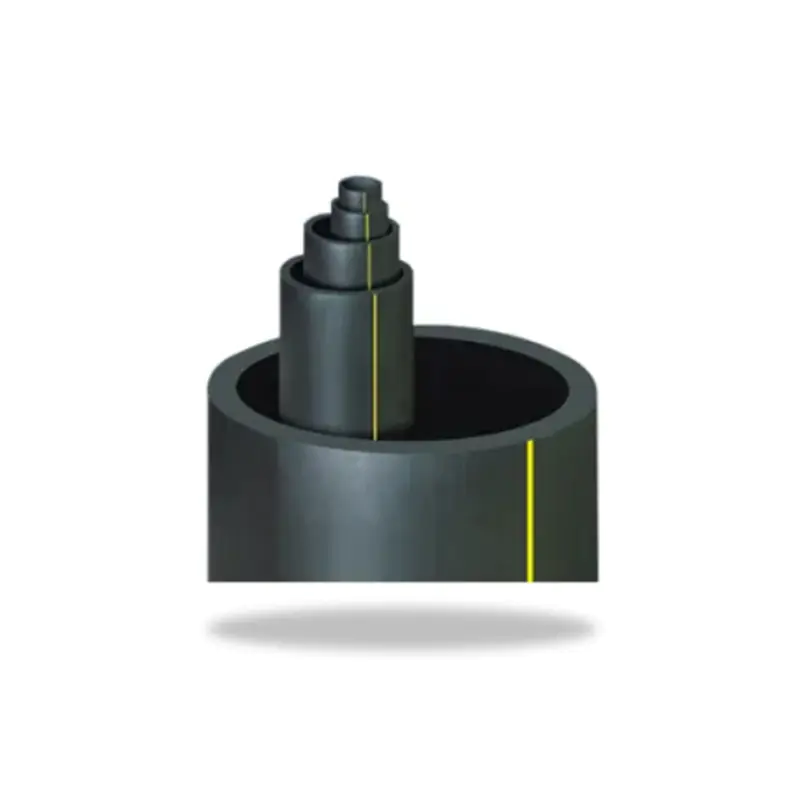
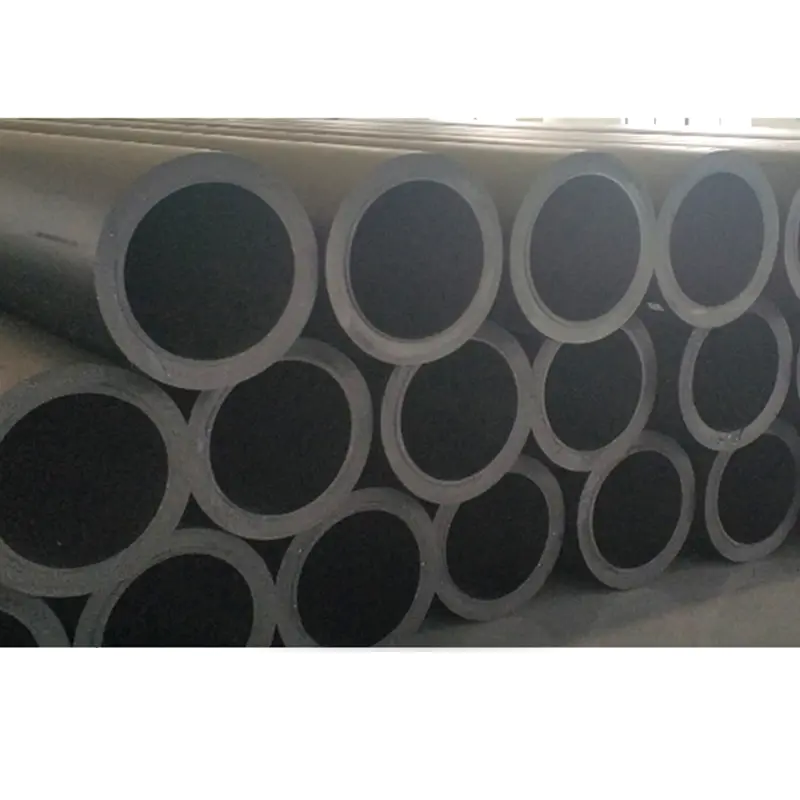
For higher-pressure or higher-temperature commercial systems, PP-RCT pipe for higher-pressure hot water systems offers an upgraded polymer structure with a higher pressure rating than standard PPR at equivalent wall thickness. And for large-diameter municipal or rural water supply infrastructure where PVC's length limitations and rigid joints become impractical, HDPE pipe for water supply applications offers flexible, fusion-welded runs available up to DN1200mm. For a broader framework on choosing between pipe materials across different service conditions, see our complete guide to pipe material selection.

 Email:
 Telephone:+86-21-57461561
 Phone:+86-18721379989


