


 简体中文
简体中文 English
 русский
 Español
 Français
 عربى
عربى Português
 日本語
日本語 italiano
 Nederlands
 Polskie
Content
Understanding the Core Definition of PPR
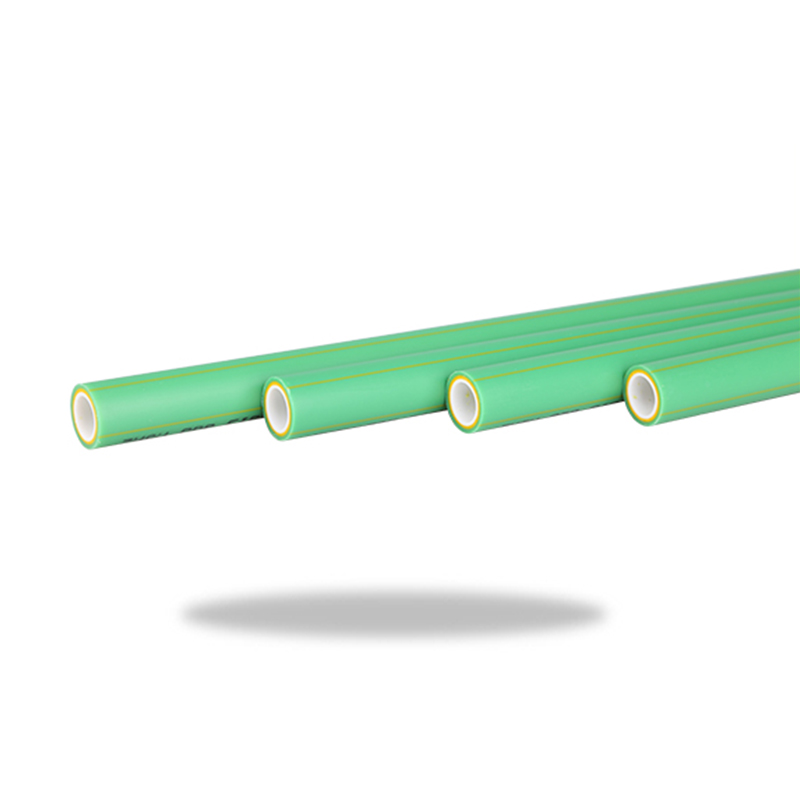
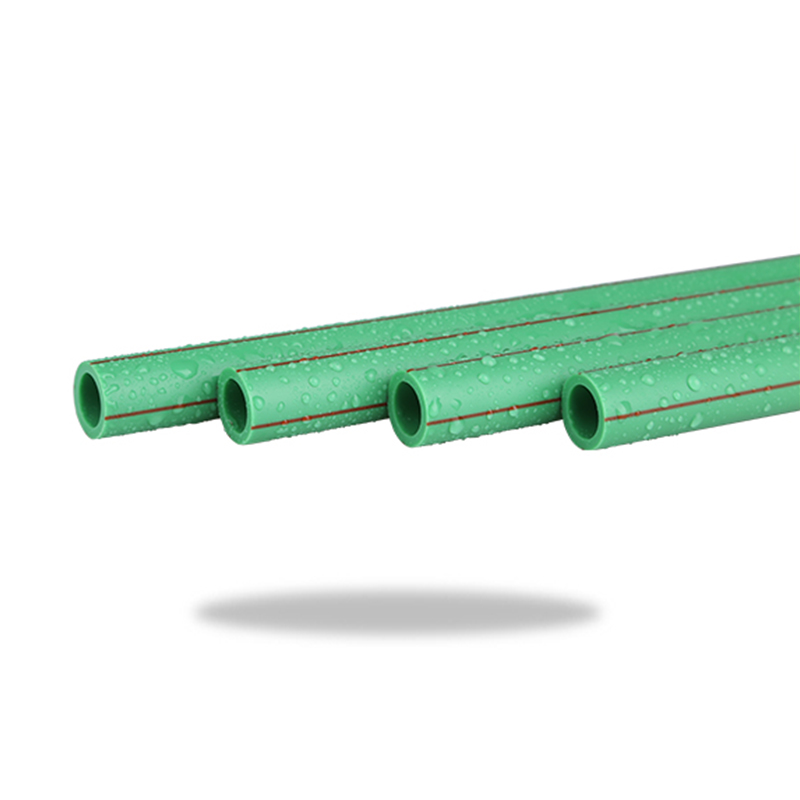
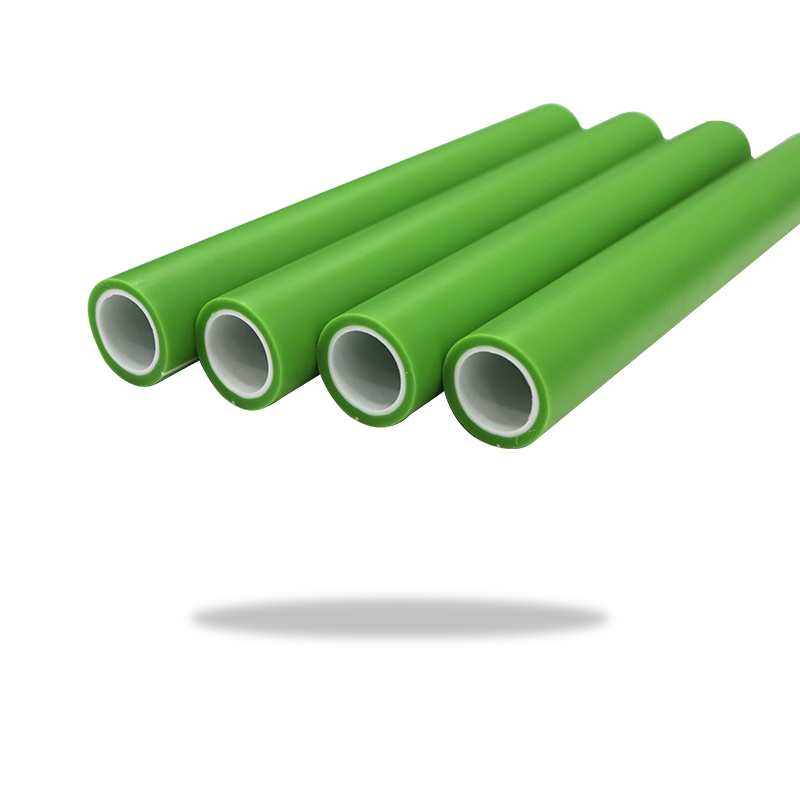
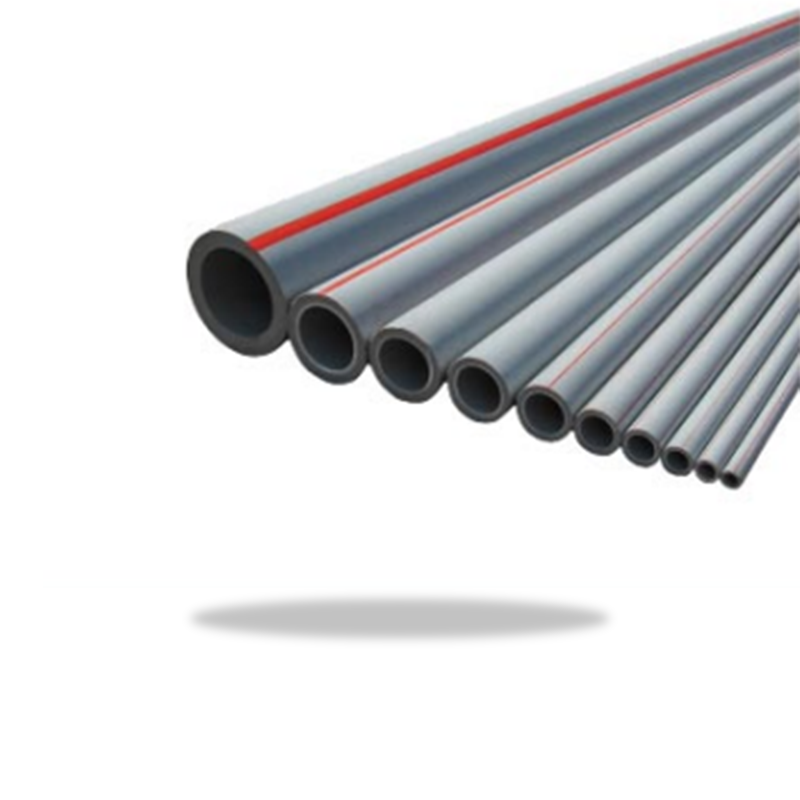
PPR stands for Polypropylene Random Copolymer. It is a type of thermoplastic polymer widely used in modern plumbing and piping systems. Unlike traditional metal or PVC pipes, PPR pipes are known for their exceptional durability, resistance to high temperatures, and chemical stability. The "Random" in its name refers to the molecular structure where propylene monomers are arranged randomly with ethylene, enhancing the material's flexibility and impact resistance compared to standard polypropylene.
This material has become the global standard for residential and commercial water distribution due to its ability to withstand continuous operating temperatures of up to 70°C (158°F) and short-term peaks of 95°C (203°F). Its non-toxic nature makes it safe for potable water, while its smooth inner surface prevents scale buildup and ensures consistent water flow over decades of use.
Key Advantages of PPR Piping Systems
The widespread adoption of PPR pipes is driven by several technical and economic benefits that outperform traditional materials like copper, galvanized steel, and PVC.
Durability and Longevity
- Lifespan: PPR pipes have a projected service life of 50 years or more under normal operating conditions.
- Corrosion Resistance: Unlike metal pipes, PPR does not rust, corrode, or suffer from electrolysis, ensuring water quality remains pure.
- Thermal Stability: The material maintains structural integrity under thermal cycling, reducing the risk of leaks caused by expansion and contraction.
Installation Efficiency
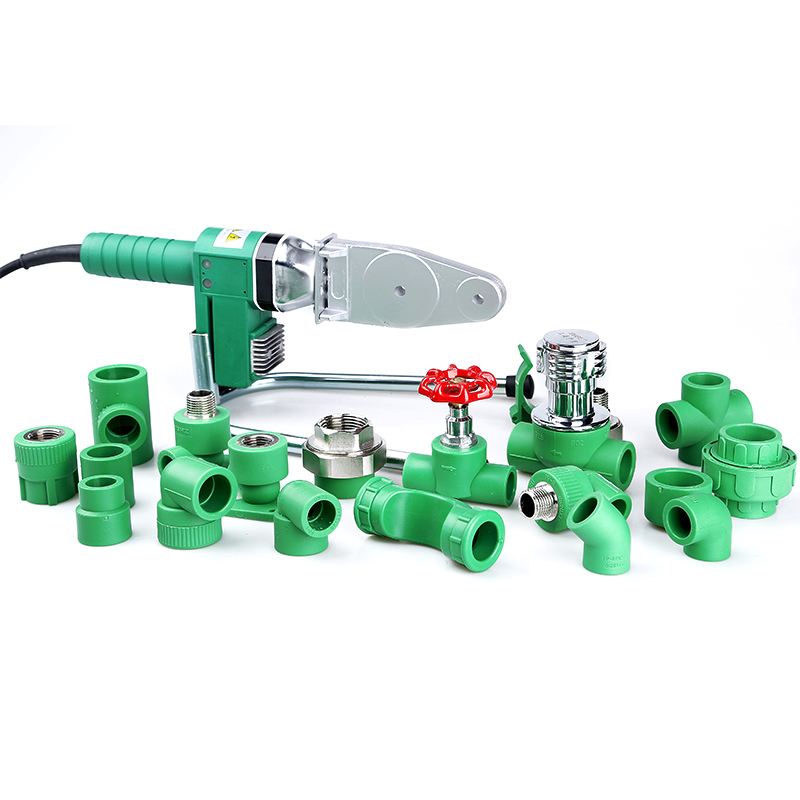
PPR pipes are joined using heat fusion welding, creating a homogeneous, leak-proof joint that is as strong as the pipe itself. This method eliminates the need for threaded fittings, glues, or solvents, significantly reducing installation time and labor costs. Studies show that PPR installation can be 30-50% faster than traditional copper piping systems.
Common Applications of PPR Pipes
Due to its versatility, PPR is suitable for a wide range of fluid transport applications. Below is a breakdown of its primary uses:
| Application Area | Specific Use Case | Benefit |
|---|---|---|
| Residential Plumbing | Hot and cold water supply | Non-toxic, no scale buildup |
| Commercial Buildings | HVAC systems, radiant heating | High thermal resistance |
| Industrial | Chemical fluid transport | Chemical inertness |
| Food Industry | Beverage and food processing lines | Hygienic, easy to clean |
PPR vs. Traditional Piping Materials
When choosing piping materials, it is essential to compare PPR against common alternatives like Copper and PVC. Each material has distinct characteristics that suit different project requirements.
- PPR vs. Copper: While copper is durable, it is significantly more expensive and prone to pinhole leaks due to corrosion. PPR offers comparable longevity at a fraction of the cost and is easier to install.
- PPR vs. PVC: Standard PVC is not suitable for hot water applications as it softens at lower temperatures. PPR handles high temperatures effectively, making it superior for combined hot and cold water systems.
- PPR vs. PEX: Both are flexible and durable, but PPR joints are fused into a single piece, eliminating potential leak points at fittings, which is a common issue with mechanical PEX connections.
Conclusion: Why PPR is the Future of Plumbing
The meaning of PPR extends beyond just an acronym; it represents a shift towards safer, more efficient, and sustainable plumbing solutions. With its 50-year lifespan, resistance to corrosion and scaling, and ease of installation, PPR has established itself as the preferred choice for modern construction projects worldwide. Whether for residential hot water systems or industrial chemical transport, PPR pipes provide a reliable, cost-effective, and environmentally friendly solution that meets the rigorous demands of contemporary infrastructure.

 Email:
 Telephone:+86-21-57461561
 Phone:+86-18721379989


