


 简体中文
简体中文 English
 русский
 Español
 Français
 عربى
عربى Português
 日本語
日本語 italiano
 Nederlands
 Polskie
Content
What Is a 1.5 Inch PVC Elbow?
A 1.5 inch PVC elbow — written as 1-1/2" in Imperial notation — is a directional pipe fitting manufactured from polyvinyl chloride, designed to redirect fluid flow within a piping system at a fixed angle. At this nominal size, the fitting follows IPS (Iron Pipe Size) outside-diameter standards, meaning the pipe's nominal designation does not directly correspond to its measured outside diameter. A 1-1/2" IPS PVC pipe has an outside diameter of approximately 1.900 inches (48.26 mm), and the elbow socket is dimensioned to accept that specific OD.
PVC as a material is chosen for its corrosion resistance, dimensional stability, and cost efficiency. Unlike metal fittings, it does not rust, scale, or react with most acids, alkalis, or chlorinated water. This makes the 1.5" PVC elbow particularly well-suited to pool and spa plumbing, residential drainage, irrigation systems, and light industrial process lines — all applications where chemical compatibility and low maintenance matter more than extreme temperature resistance.
The 1-1/2" size sits at a practical intersection: large enough to handle meaningful flow volumes, compact enough for residential wall chases and tight equipment bays. It is one of the most widely stocked sizes across plumbing supply chains globally, and standardized dimensions mean fittings from different manufacturers are generally interchangeable within the same schedule designation.
Types: 90°, 45°, and Street Elbows
Three elbow types dominate the 1.5" PVC fitting market. Each serves a distinct purpose, and selecting the wrong type is one of the most common causes of layout problems during installation.
90-degree elbow (socket × socket). The most commonly specified type. Both ends accept pipe by solvent welding, and the fitting changes flow direction by a full right angle. Its compact footprint makes it the default choice in confined spaces — wall cavities, equipment bays, and building service shafts where pipe routing must navigate structural constraints without diagonal runs. The trade-off is hydraulic efficiency: a short-radius 90-degree elbow generates more turbulence and pressure drop than a 45-degree equivalent. For a detailed analysis of how elbow angle affects pressure drop and K-values, see the guide on how to choose between 90-degree and 45-degree pipe elbows.
45-degree elbow (socket × socket). Changes flow direction at a shallower angle, reducing turbulence and lowering pressure drop by approximately 50–65% compared to a short-radius 90-degree fitting of the same size. The penalty is spatial: reaching a full 90-degree turn requires two 45-degree elbows with a connecting pipe section, consuming more linear space. In open ceiling runs, outdoor above-grade plumbing, or any layout where space is not constrained, the 45-degree elbow is the hydraulically superior choice.
Street elbow (spigot × socket). A street elbow has one spigot (male, plain) end and one socket (female) end. The spigot end fits directly into the socket of another fitting without a connecting pipe section between them. This eliminates one pipe cut and one solvent weld joint in tight back-to-back fitting arrangements, saving both material and installation time. Street elbows are particularly common in pool and spa plumbing, where compact manifold assemblies benefit from the reduced fitting count.
| Type | Angle | Ends | Best For | Relative Pressure Drop |
|---|---|---|---|---|
| 90° Elbow | 90° | Socket × Socket | Confined spaces, right-angle turns | High |
| 45° Elbow | 45° | Socket × Socket | Flow-critical systems, open runs | Low |
| Street Elbow | 90° or 45° | Spigot × Socket | Back-to-back fittings, compact assemblies | High (90°) / Low (45°) |
Schedule 40 vs Schedule 80: Which to Choose?
PVC pipe fittings are produced in two principal wall-thickness grades, designated Schedule 40 and Schedule 80. Both follow the same nominal outside diameter — meaning a Schedule 40 and Schedule 80 1-1/2" PVC elbow will fit the same 1-1/2" IPS pipe — but differ in wall thickness, pressure capacity, and cost. Both grades are standardized under ASTM D2466 (Schedule 40) and ASTM D2467 (Schedule 80) specifications for PVC plastic pipe fittings, which define dimensional tolerances, burst pressure requirements, and material composition.
| Feature | Schedule 40 | Schedule 80 |
|---|---|---|
| Wall Thickness | Standard | ~25–30% thicker |
| Pressure Rating (1-1/2") | ~330 PSI @ 73°F | ~470 PSI @ 73°F |
| Color | White or clear | Dark gray |
| Inside Diameter | Larger (more flow area) | Smaller (reduced bore) |
| Cost | Lower | Higher (~30–50% more) |
| Typical Applications | Residential plumbing, pool, irrigation, DWV | Industrial, chemical, high-pressure systems |
For the vast majority of residential and light commercial 1.5" PVC elbow applications, Schedule 40 is the correct specification. Pool and spa plumbing, residential DWV systems, drip irrigation, and general water distribution all fall comfortably within its pressure and temperature envelope. Schedule 80 becomes the appropriate choice when operating pressure exceeds 250 PSI, when the fitting will be exposed to mechanical impact or physical abuse, or when the system handles aggressive industrial chemicals that require the additional material section for safety margin.
One practical consideration: Schedule 80 fittings have a smaller inside diameter than Schedule 40 at the same nominal size. In flow-critical or high-velocity systems, this reduced bore adds a small but measurable restriction. In low-flow residential applications, the difference is negligible.
For a broader understanding of how Schedule designations apply across other PVC fitting types, the article on PVC coupling reducer specifications and types covers the same Schedule 40/80 framework applied to reducing couplings.
Connection Types: Slip, Threaded, and Insert
The dominant connection method for 1.5" PVC elbows is slip (socket) × slip (socket), abbreviated SxS. Both ends are smooth-bore sockets that accept the plain end of a 1-1/2" IPS PVC pipe. The joint is made using a two-step process: a primer softens the PVC surface chemically, and a solvent cement fuses the pipe and fitting into a single monolithic unit. When correctly applied, a solvent-welded PVC joint is permanent and as strong as the pipe itself — it cannot be disassembled without cutting.
Threaded PVC elbows are available in two configurations: female threaded (FPT, also called FIPT) and male threaded (MPT/MIPT). Threaded elbows use BSP or NPT standard thread profiles and are used where mechanical disassembly is required — connecting to pumps, valves, meters, or other equipment with threaded ports. A key installation note: PVC threads are not self-sealing and require PTFE thread tape or pipe dope to achieve a leak-free joint. Overtightening threaded PVC fittings is a common installation error — hand-tight plus one to two turns is typically sufficient.
Insert fittings with barbed ends are a third variant, used primarily for flexible tubing or corrugated drainage connections. These are far less common in pressurized 1.5" systems and are rarely specified for standard plumbing layouts.
Regardless of connection type, never test a PVC elbow assembly with compressed air or gas before the solvent cement has fully cured. PVC stores significant elastic energy under pneumatic pressure; failure under compressed gas is sudden and potentially dangerous.
Applications of 1.5" PVC Elbows
The 1-1/2" size covers an exceptionally broad range of applications. Below are the sectors where this fitting is most commonly deployed:
- Pool and spa plumbing: The single largest market for 1.5" PVC elbows. Return lines, suction lines, and equipment connections in residential and commercial pools are predominantly built from 1-1/2" Schedule 40 PVC. PVC's resistance to chlorine, bromine, and salt-cell by-products makes it the material of choice in this environment. Street elbows are especially common in pump manifold assemblies.
- Residential drain, waste, and vent (DWV) systems: Branch connections from bathroom sinks, washing machines, and dishwashers typically run in 1-1/2" PVC. Long-sweep 90-degree DWV elbows (a larger-radius variant) are specified for horizontal drain runs to maintain self-cleaning velocity and reduce blockage risk.
- Irrigation systems: Lateral distribution lines in sprinkler and drip systems frequently use 1-1/2" PVC as the main supply branch. Elbows navigate grade changes and turn lateral runs around landscape features without requiring flexible hose sections.
- Light industrial process piping: Chemical-resistant PVC handles dilute acids, alkalis, and salt solutions in cooling towers, chemical dosing systems, and water treatment plants. Schedule 80 is specified where operating pressure or chemical aggressiveness exceeds Schedule 40 limits.
- HVAC condensate drainage: 1-1/2" PVC is common in condensate drain lines from air handling units, where low pressure and chemical compatibility are the primary requirements.
1.5 PVC Elbow vs PPR Elbow: When to Upgrade
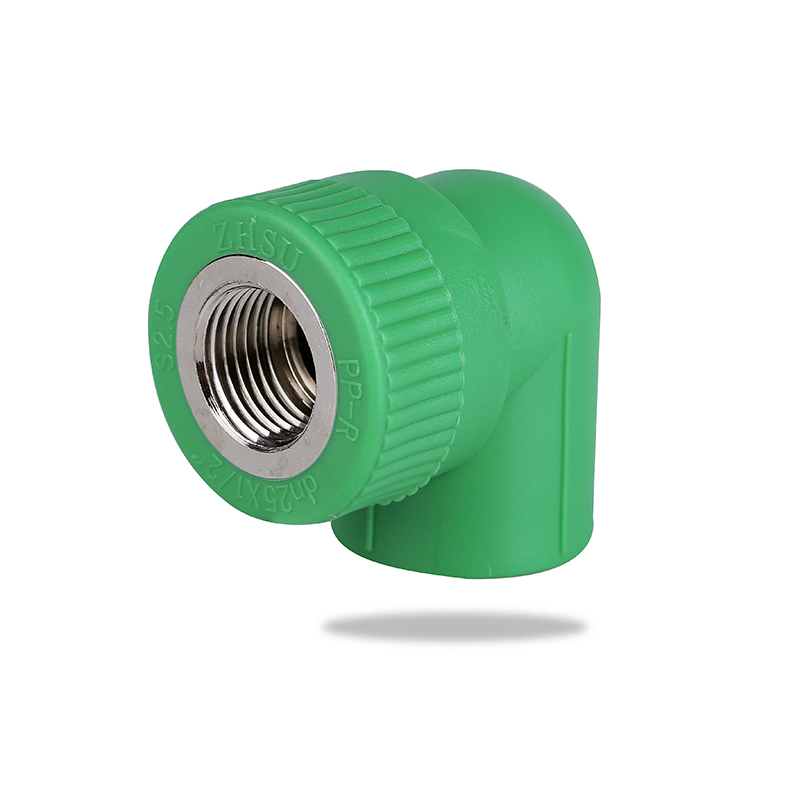
PVC covers most cold-water and drainage applications well — but it has a defined thermal ceiling. The maximum continuous operating temperature for standard PVC fittings is approximately 60°C (140°F), and even at that temperature, the pressure rating degrades significantly from its room-temperature value. Any system delivering hot water supply, operating above 60°C, or requiring a design life beyond 25–30 years should be evaluated against PPR (Polypropylene Random Copolymer) as an alternative. For an in-depth look at how these two material families perform across plumbing applications, the comparison of differences between PVC and PPR couplings for piping systems covers the full performance spectrum.
| Parameter | 1.5" PVC Elbow | PPR Elbow (equivalent size) |
|---|---|---|
| Max Operating Temperature | ~60°C (140°F) | Up to 70°C continuous; 95°C short-term |
| Hot Water Suitability | Not recommended | Fully rated |
| Connection Method | Solvent cement (chemical weld) | Heat fusion (thermal weld) |
| Design Life | 25–30 years (cold water) | 50+ years (hot and cold) |
| Chemical Resistance | Good (acids, alkalis, chlorine) | Excellent (broader range, no chlorine degradation) |
| Potable Water Safety | NSF-certified grades available | 100% non-toxic virgin polypropylene; food-grade |
| Pressure Rating (PN) | Schedule 40: ~330 PSI | PN2.5MPa (~360 PSI); tested to CNAS standards |
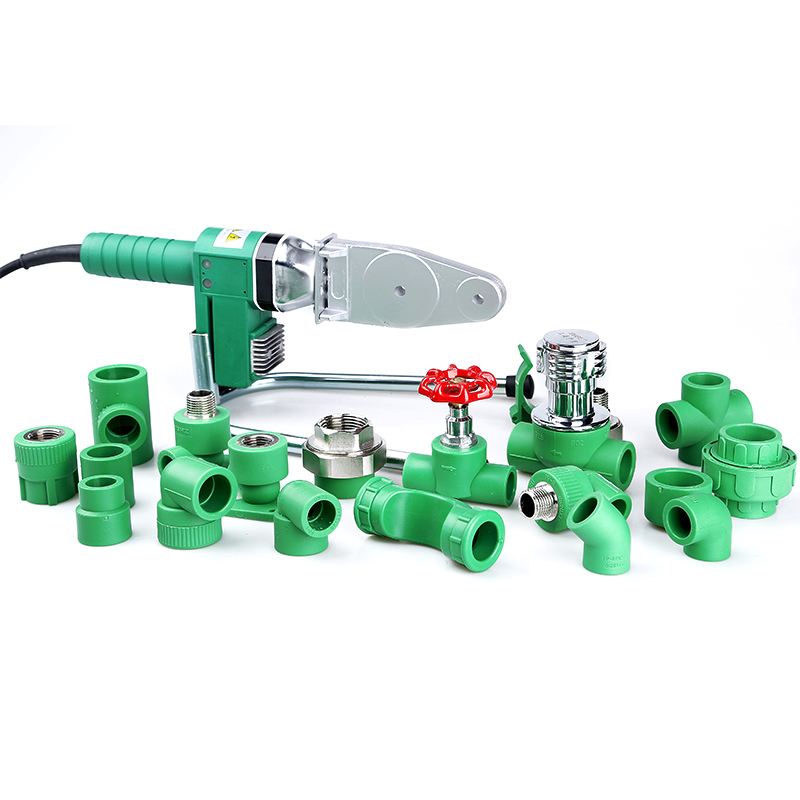
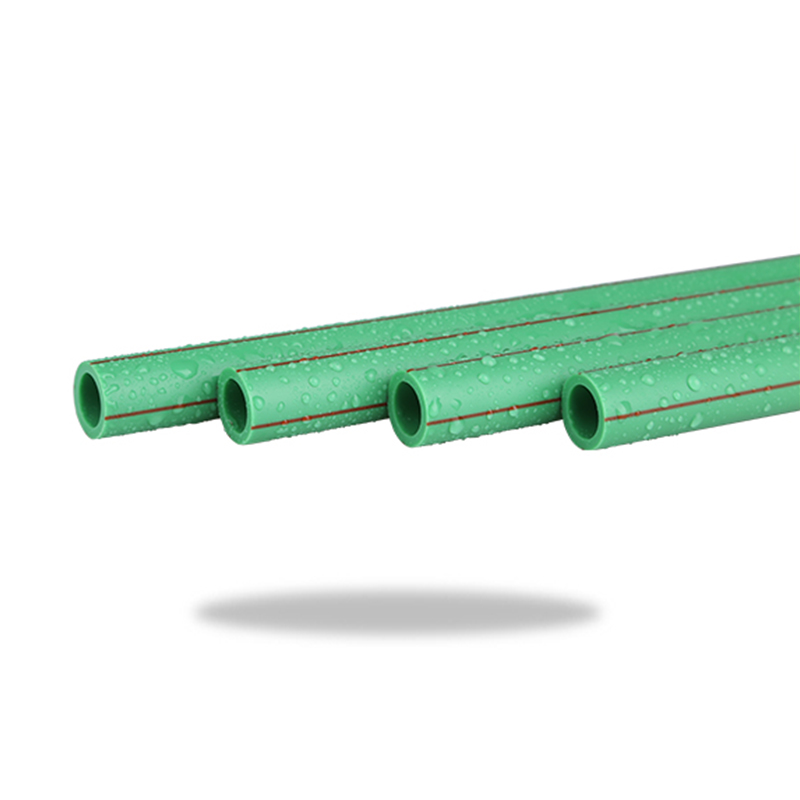
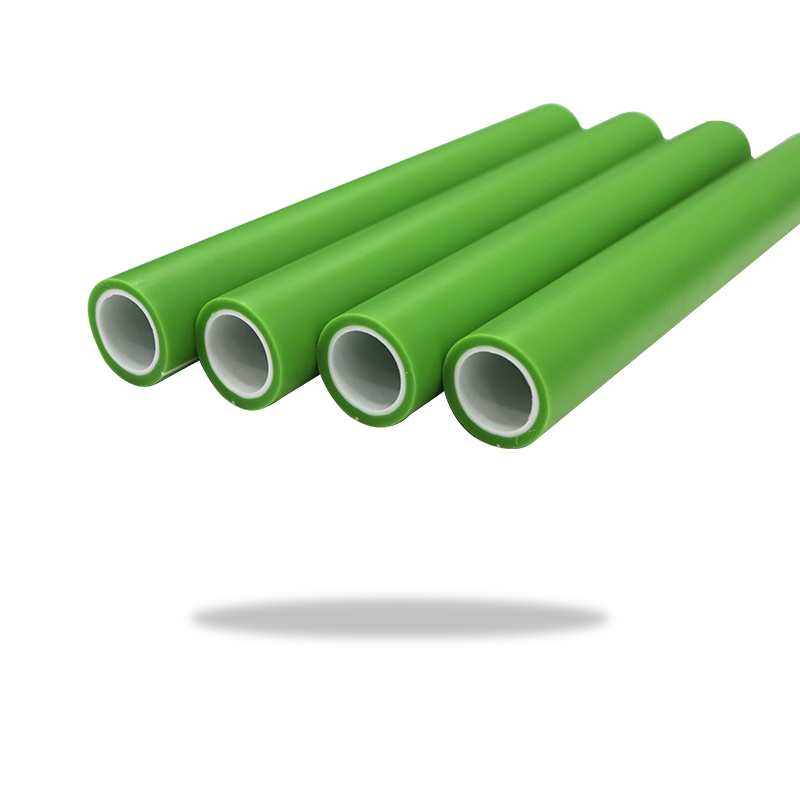
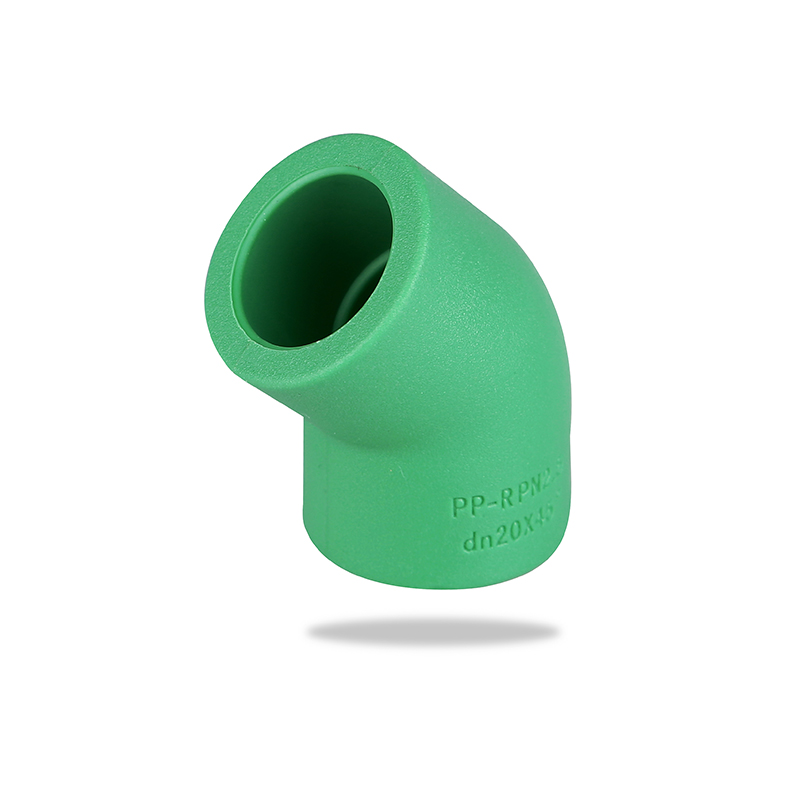
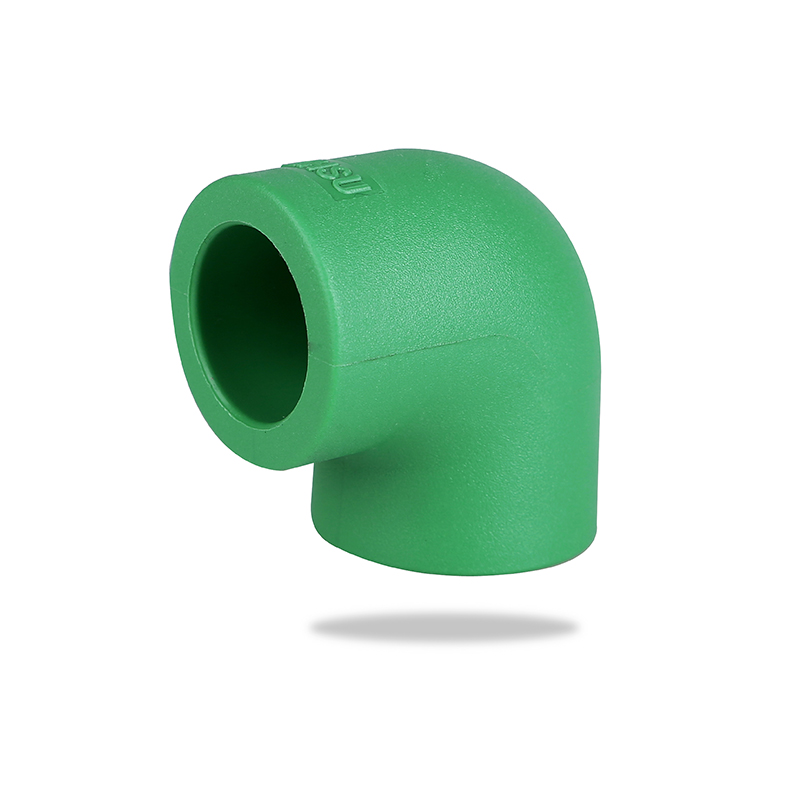
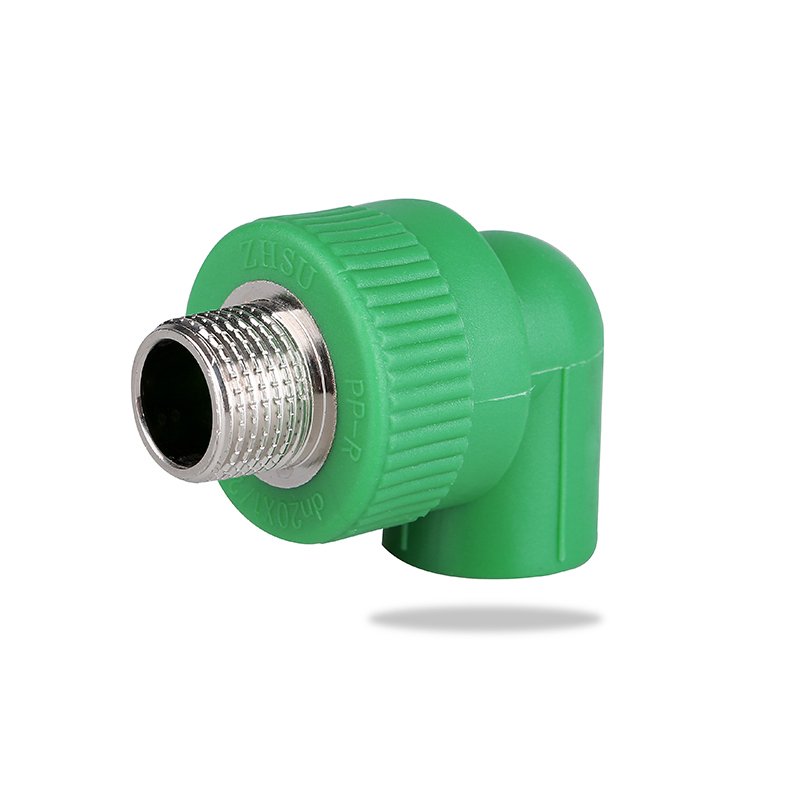
The decision framework is straightforward: use a 1.5" PVC elbow where the system is cold-water only, operates below 60°C, and requires budget-conscious procurement at scale. Switch to PPR pipe elbows and fittings for hot and cold water systems when the application involves hot water supply, heating circuits, extended design life requirements, or potable water distribution where long-term safety and material purity are non-negotiable.
Many modern building projects use both: PVC for drainage and cold-water laterals where cost efficiency matters, and PPR for pressurized hot water supply lines where performance and longevity justify the higher fitting cost. The two systems can coexist in the same building, connected at appropriate transition points using threaded adapters between material types.

 Email:
 Telephone:+86-21-57461561
 Phone:+86-18721379989


