


 简体中文
简体中文 English
 русский
 Español
 Français
 عربى
عربى Português
 日本語
日本語 italiano
 Nederlands
 Polskie
Content
What Is a PVC Coupling Reducer?
A PVC coupling reducer — also called a reducing coupling or reducer coupling PVC fitting — is a pipe fitting designed to connect two pipes of different diameters within the same piping system. Unlike a standard straight coupling that joins pipes of equal size, a reducer coupling has two openings of different diameters, allowing fluid to transition smoothly from a larger pipe to a smaller one (or vice versa) without disruption to the flow path.
The fitting is manufactured from polyvinyl chloride (PVC), a thermoplastic material valued for its chemical resistance, dimensional stability, and low cost. The primary function of a PVC reducer coupling is to adjust pipe diameter — and by doing so, regulate flow rate, pressure, and velocity within the pipeline.
PVC reducer couplings are available in two main geometric configurations: concentric reducers, where both ends share the same centerline (ideal when smooth, symmetrical flow is the priority), and eccentric reducers, where one side of the fitting is flat (used to avoid air pockets and maintain a consistent bottom elevation in horizontal runs).
Key Specifications: Schedule 40 vs Schedule 80
When selecting a coupling reducer PVC fitting, the most important specification to understand is the pipe schedule — a designation that defines wall thickness and, by extension, pressure capacity. The two schedules most commonly available for PVC reducer couplings are Schedule 40 and Schedule 80.
| Feature | Schedule 40 | Schedule 80 |
|---|---|---|
| Wall Thickness | Standard | Thicker (+25–30%) |
| Pressure Rating | Up to ~450 PSI (1/2") | Up to ~630 PSI (1/2") |
| Color | White or Clear | Gray |
| Cost | Lower | Higher |
| Typical Use | Residential plumbing, irrigation, drainage | Industrial, chemical, high-pressure systems |
| NSF Certification | Available (potable water) | Available (potable water) |
Schedule 40 is the standard choice for most residential and light commercial applications. It offers a cost-effective balance between mechanical strength and flexibility. Schedule 80 is recommended where higher operating pressures, mechanical stress, or exposure to harsh chemicals are anticipated — such as in industrial process lines or chemical distribution systems.
It is important to note that PVC reducer couplings — regardless of schedule — are not recommended for systems conveying compressed gas or air. The material's brittleness under sudden pressure changes poses a safety risk in gas applications.
Common Sizes and Connection Types
PVC reducer couplings are produced across a wide range of size combinations to accommodate the most common pipe diameter transitions encountered in plumbing, irrigation, and industrial systems. Standard size pairings include:
- 3/4" × 1/2" — the most widely used residential transition
- 1" × 1/2" and 1" × 3/4" — common in irrigation main lines
- 1-1/2" × 1" and 1-1/2" × 3/4" — drain and vent systems
- 2" × 1", 2" × 1-1/4", 2" × 1-1/2" — commercial drainage and supply
- 3" × 2", 4" × 2", 6" × 4" — large-scale drainage and industrial runs
In terms of connection type, the vast majority of PVC reducer couplings use a socket (slip) × socket connection, abbreviated SxS, where both ends accept pipe by solvent welding. Some configurations are available with threaded ends — either female (FPT) or male (MPT) — for applications that require mechanical disassembly without cutting.
Always verify that the fitting's listed inside diameter matches the outside diameter of the pipe being joined. PVC pipe dimensions follow IPS (Iron Pipe Size) standards, meaning the nominal size does not reflect the actual measurement.
Applications Across Industries
The versatility of PVC reducer couplings makes them a staple fitting across multiple sectors. Below are the primary application areas:
- Residential Plumbing and Drainage: PVC reducer couplings are used extensively in DWV (drain, waste, and vent) systems to transition between main drain lines and branch connections. Their chemical resistance makes them well-suited for wastewater handling.
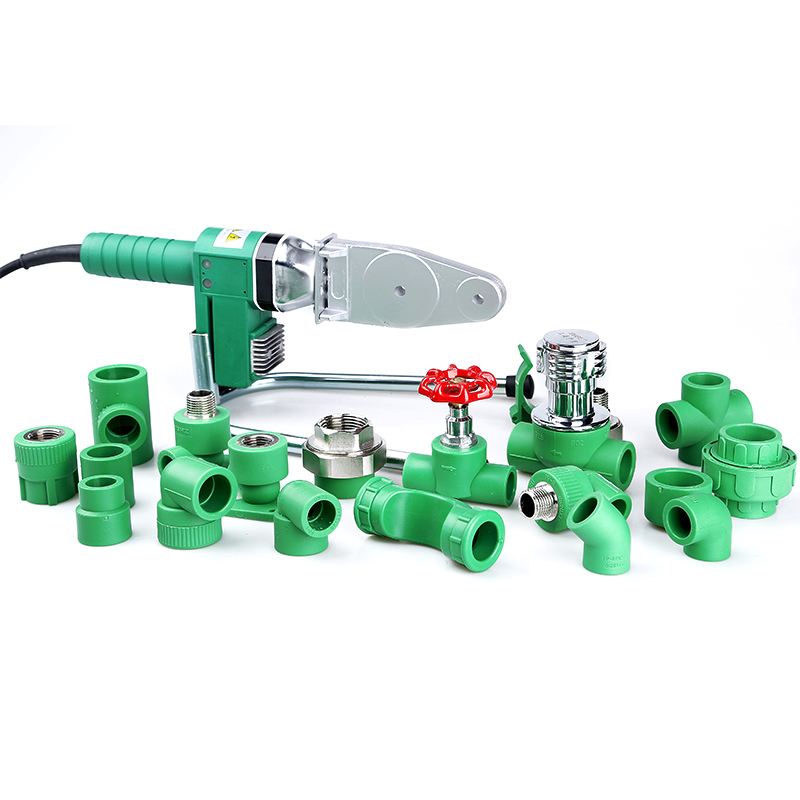
- Irrigation Systems: In drip and sprinkler irrigation, reducing couplings allow the main supply line to branch off into smaller-diameter lateral pipes, distributing water efficiently across large field areas. Compatibility with PPR reducing tee fittings can further extend the distribution network in systems that include mixed materials.
- Pool and Spa Plumbing: PVC's resistance to chlorine and pool chemicals makes reducer couplings a reliable choice for transitions between filtration pump connections and return lines.
- Industrial Process Piping: For chemical transport, water treatment, and industrial cooling systems, PVC Schedule 80 reducer couplings are deployed where moderate pressure and broad chemical compatibility are needed.
- Municipal Water Infrastructure: Smaller-diameter transitions in water distribution networks use PVC reducer couplings to manage flow volume between mains and service laterals.
PVC vs PPR Reducing Couplings: Which to Choose?
When specifying a reducer coupling for a piping project, engineers and procurement teams frequently face the choice between PVC and PPR (Polypropylene Random Copolymer) materials. The right choice depends on operating conditions, fluid type, and expected service life.
| Parameter | PVC Reducer Coupling | PPR Reducer Coupling |
|---|---|---|
| Max Operating Temperature | ~60°C (140°F) | Up to 70°C continuous; 95°C short-term |
| Hot Water Suitability | Not recommended | Fully suitable |
| Connection Method | Solvent cement (chemical weld) | Heat fusion (thermal weld) |
| Service Life | 25–30 years (cold water) | 50+ years (hot and cold) |
| Chemical Resistance | Good (acids, alkalis) | Excellent (broader range) |
| Toxicity / Potable Water | NSF-certified grades available | 100% non-toxic; food-grade |
| Thermal Expansion | Moderate | Low (especially PPR fiber composite) |
For cold water drainage, irrigation, and low-pressure systems below 60°C, a PVC reducer coupling is a practical, cost-efficient solution. However, for hot water supply, heating systems, potable water distribution, or any application where long-term performance above 60°C is required, PPR reducing couplings offer a significantly superior specification.
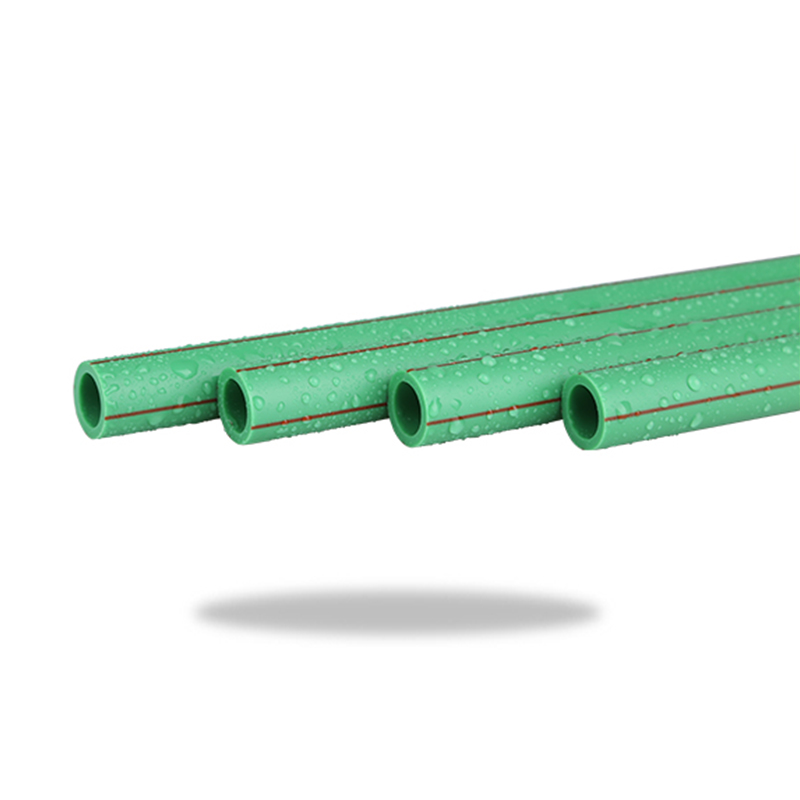
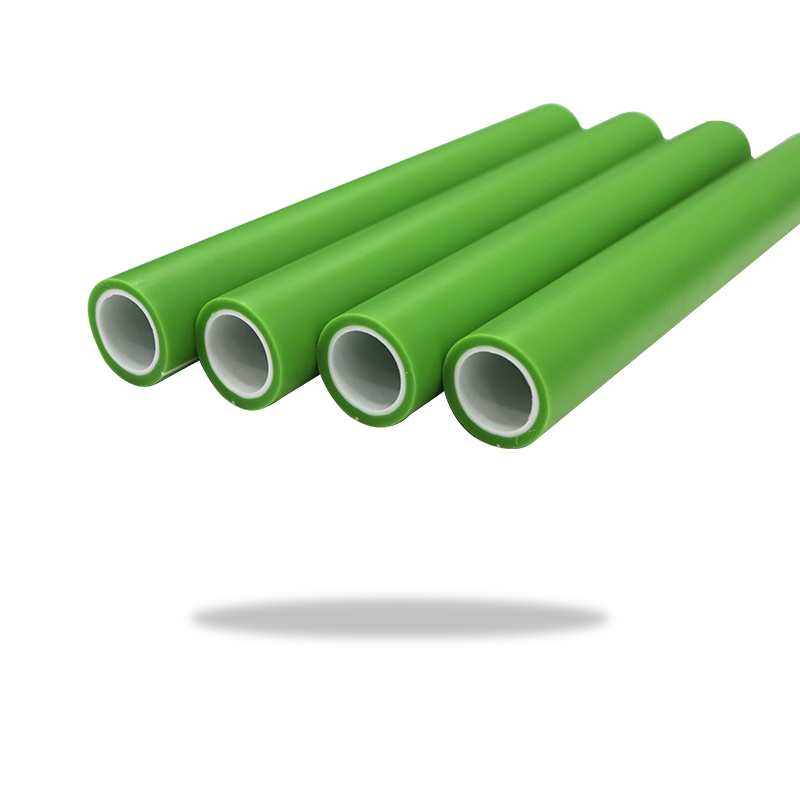
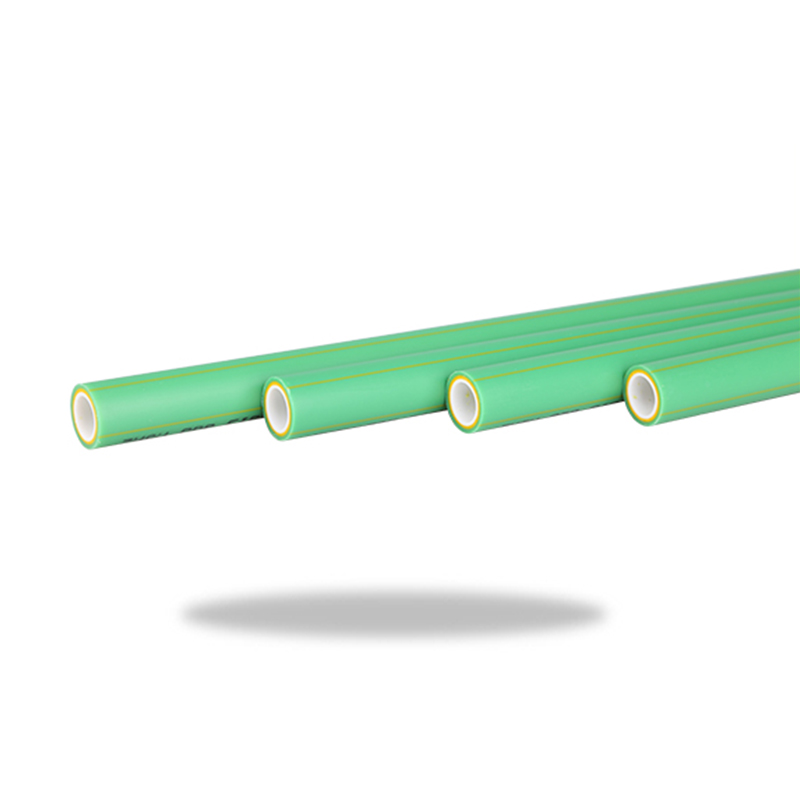
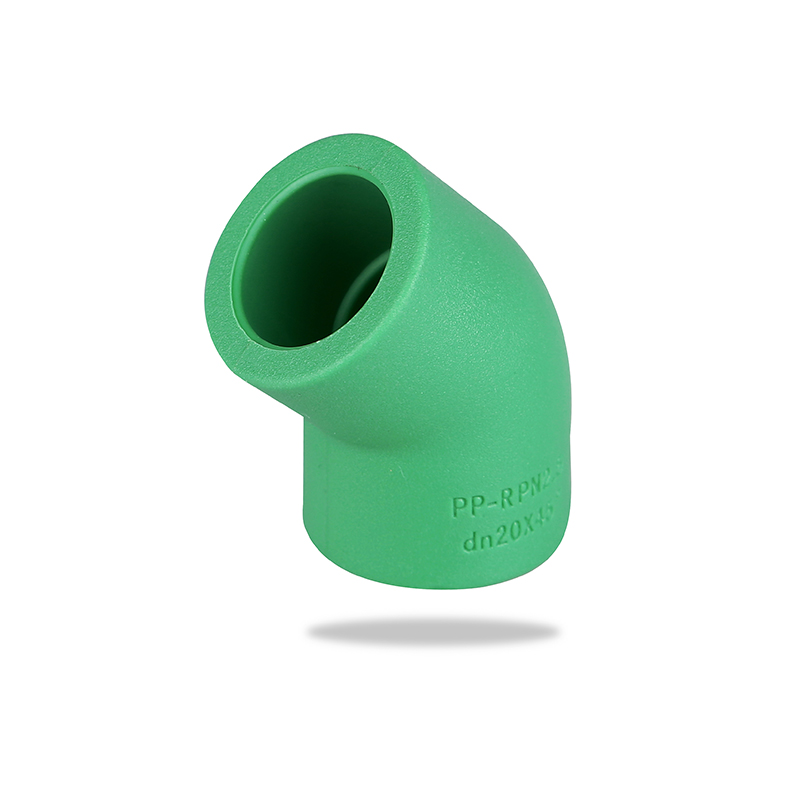
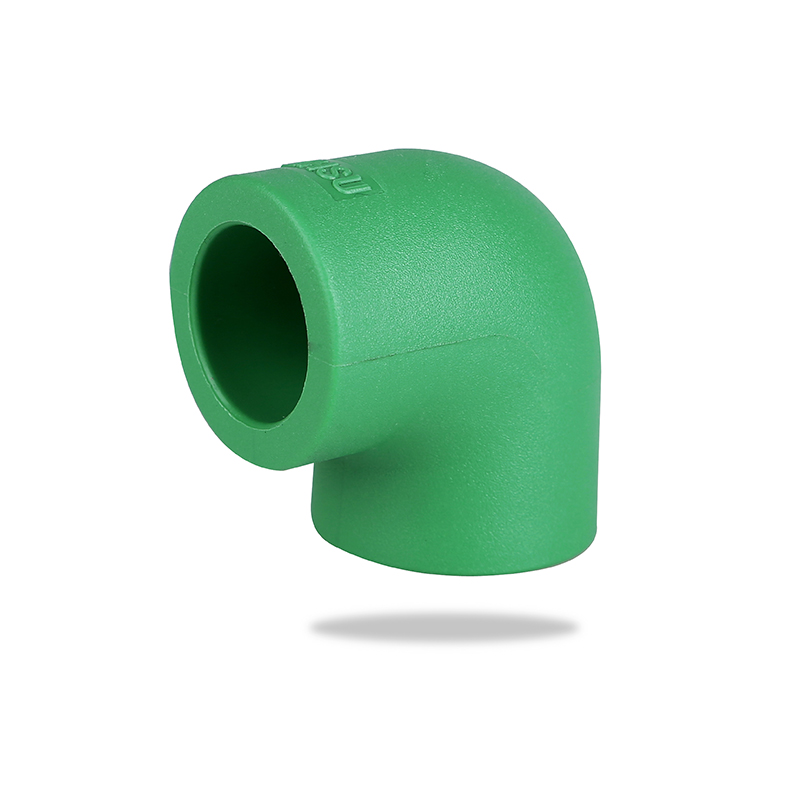
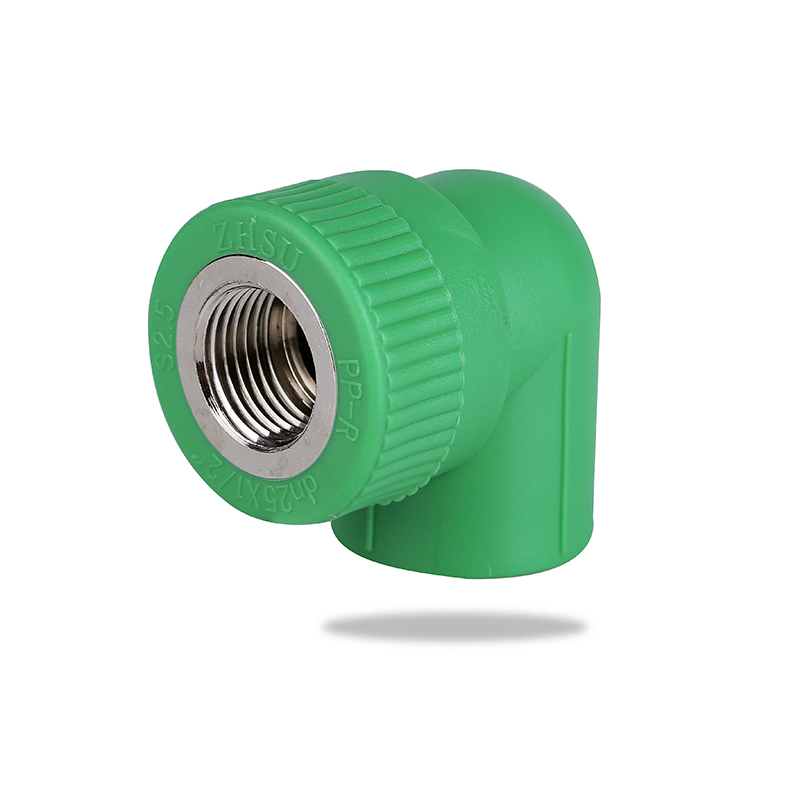
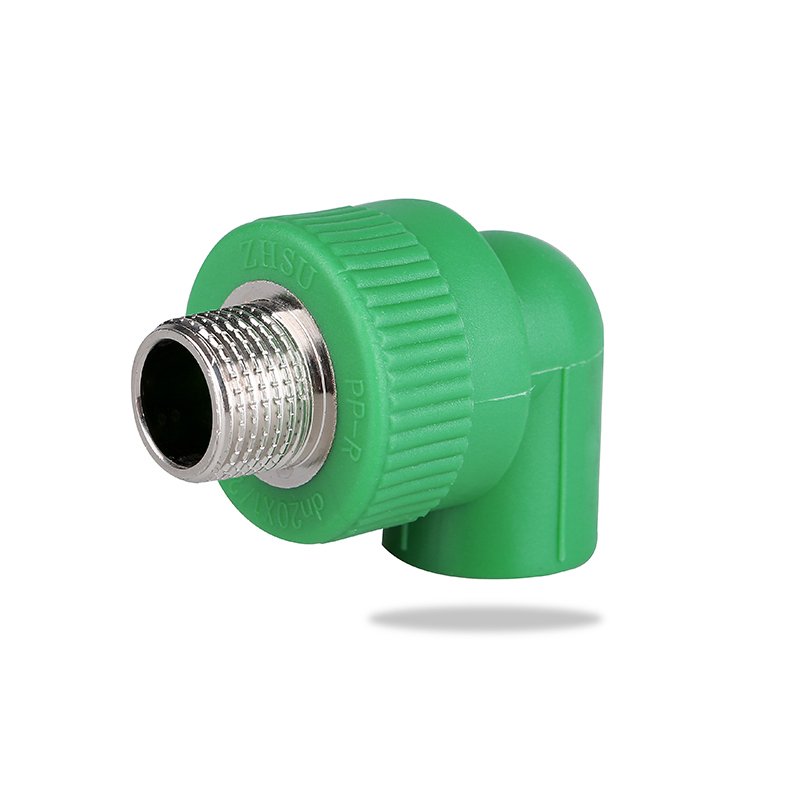
Modern PPR fittings — including PPR reducing couplings — are manufactured using 100% virgin polypropylene random copolymer, inspected to PN2.5MPa pressure ratings, and certified to operate reliably at 70°C for a design life exceeding 50 years. They join to PPR pipe via heat fusion, creating a monolithic, leak-free bond that is chemically identical to the pipe itself — eliminating the failure modes associated with solvent cement joints under thermal cycling.
In mixed-material systems where a transition from PVC to PPR is needed, threaded adapters or mechanical couplings can bridge the two materials at appropriate transition points.
Installation Tips for PVC Reducer Couplings
Correct installation of a coupling reducer PVC fitting is critical to achieving a leak-free, long-lasting joint. The following guidelines apply to socket-type PVC reducer couplings joined by solvent cement welding:
- Cut the pipe square. Use a ratchet cutter or miter saw to ensure a clean, perpendicular cut. Deburr the cut end with a chamfering tool or fine sandpaper to prevent the fitting socket from catching.
- Dry-fit and check alignment. Before applying any cement, insert both pipe ends into the reducer coupling to confirm fit and verify the assembly direction. Mark the alignment with a pencil.
- Apply primer (where required). In most jurisdictions handling potable water or pressure systems, a purple or clear PVC primer must be applied to both the pipe exterior and the fitting socket to chemically soften the PVC surface.
- Apply solvent cement quickly and evenly. Brush a uniform coat of PVC cement onto the pipe end, then apply a slightly heavier coat to the fitting socket. Work quickly — the cement begins to set within seconds.
- Insert and hold for 30 seconds. Push the pipe firmly into the socket with a slight twisting motion (about a quarter turn) to distribute the cement. Hold the joint in compression for 30 seconds to prevent push-back.
- Observe cure time before pressurizing. Allow a minimum of 2 hours before subjecting the joint to water pressure; for larger diameters or cold ambient temperatures, extend the cure period to 24 hours.
Never use PVC reducer couplings in systems carrying compressed air or gas. PVC is classified as a thermoplastic and is not approved for pneumatic pressure applications due to the risk of shattering failure. For gas and high-pressure air systems, consult appropriate metal or rated polymer specifications.

 Email:
 Telephone:+86-21-57461561
 Phone:+86-18721379989


