


 简体中文
简体中文 English
 русский
 Español
 Français
 عربى
عربى Português
 日本語
日本語 italiano
 Nederlands
 Polskie
Content
The Superior Hygiene of PPR Antibacterial Pipes
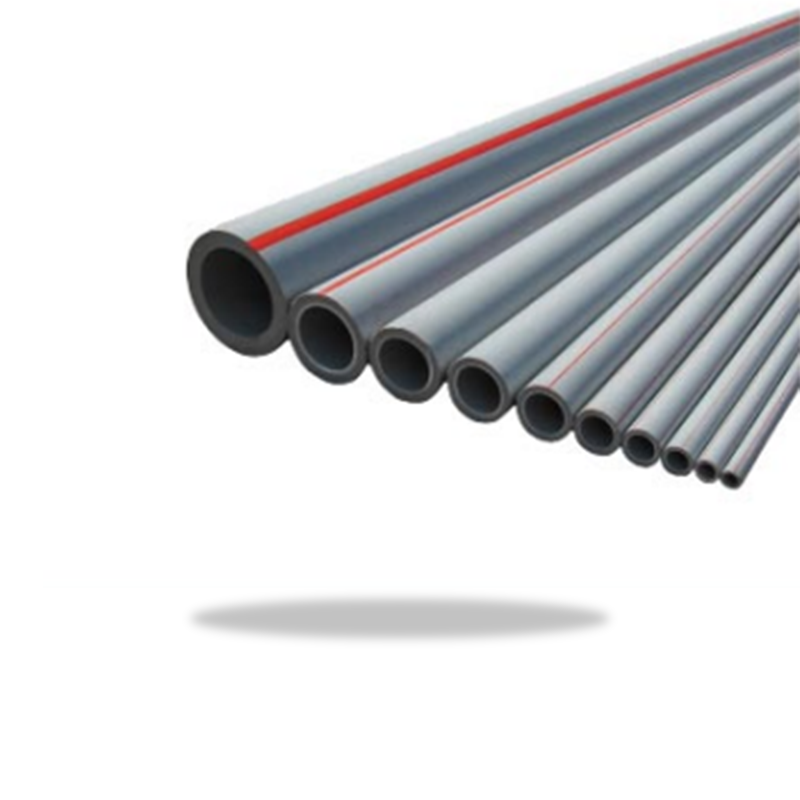
PPR (Polypropylene Random Copolymer) antibacterial pipes represent a significant advancement in residential and commercial plumbing systems. Unlike standard plastic or metal pipes, these specialized tubes are engineered with an inner layer containing antimicrobial agents, typically silver ions, which actively inhibit the growth of bacteria such as E. coli and Legionella. Studies show that PPR antibacterial pipes can reduce bacterial colonization by up to 99.9% compared to traditional piping materials.
The core advantage lies in the material's ability to maintain water purity from the source to the tap. Standard pipes often develop biofilm—a slimy layer of microorganisms—over time, especially in warm water lines. PPR antibacterial pipes disrupt this process, ensuring that the water remains safe for drinking, cooking, and bathing. This makes them an essential choice for hospitals, schools, hotels, and health-conscious households.
How Antibacterial Technology Works
Silver-Ion Integration
The antibacterial property is achieved by embedding nano-silver particles into the inner layer of the pipe during the co-extrusion manufacturing process. Silver ions (Ag+) possess a strong positive charge that attracts negatively charged bacterial cell walls. Upon contact, the ions penetrate the cell membrane, disrupting metabolic processes and DNA replication, effectively killing the bacteria or preventing reproduction.
Multi-Layer Structure
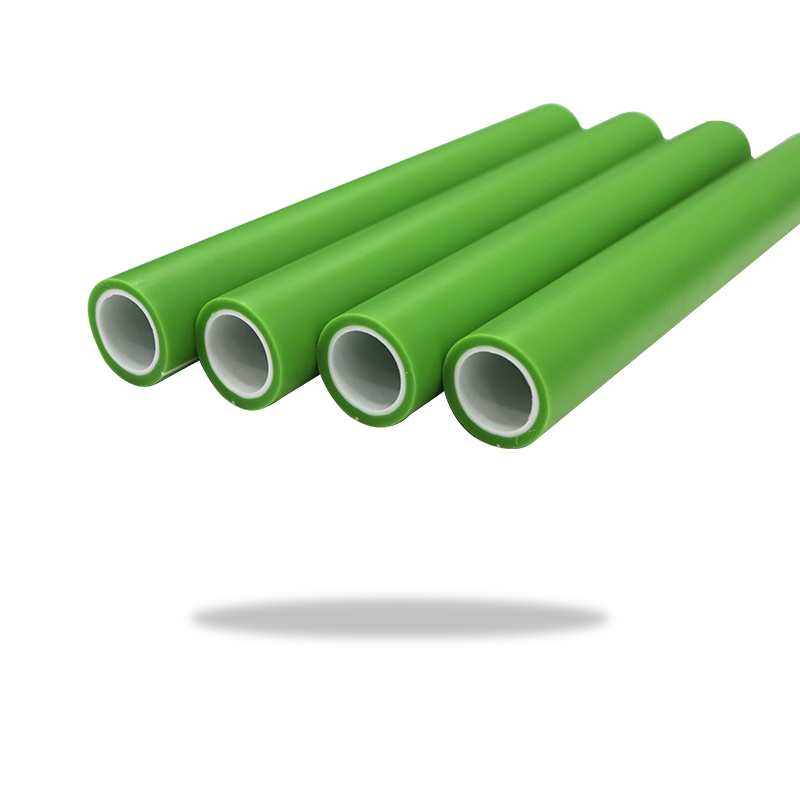
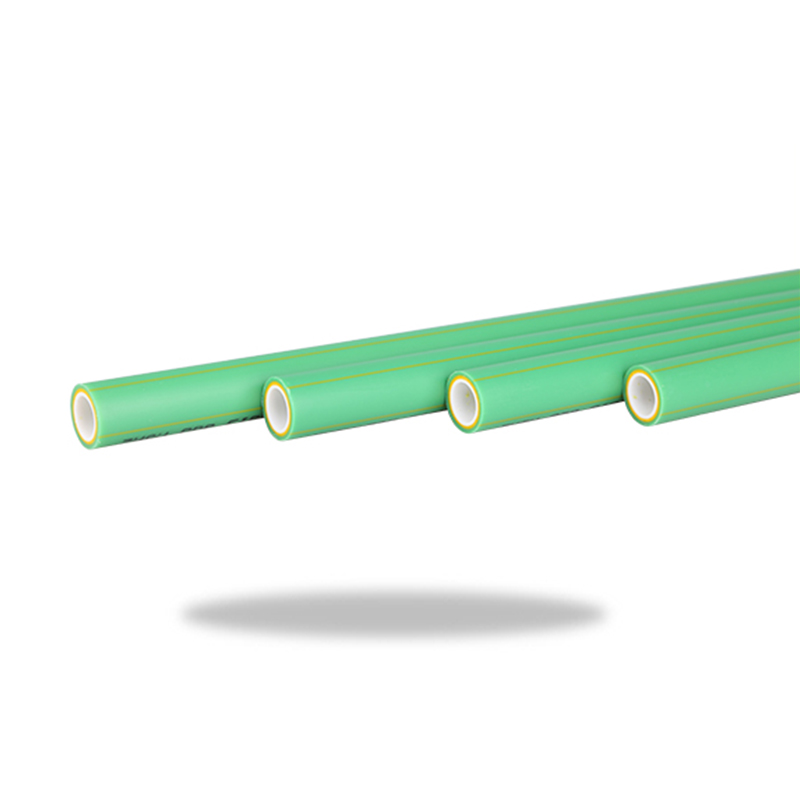
High-quality PPR antibacterial pipes typically feature a three-layer structure. The outer and middle layers provide structural strength and thermal insulation, while the inner layer is dedicated to hygiene. This design ensures that the antibacterial agents are in direct contact with the water flow without compromising the mechanical integrity of the pipe. The smooth inner surface also minimizes friction and prevents scale buildup, further reducing habitats for microbial growth.
Key Benefits Over Traditional Materials
Health and Safety
The primary benefit is the reduction of waterborne diseases. By inhibiting biofilm formation, these pipes lower the risk of Legionnaires' disease and other infections caused by stagnant water. This is particularly crucial in large buildings where water may sit in pipes for extended periods. PPR material is also non-toxic and odorless, ensuring no chemical leaching into the water supply.
Durability and Longevity
PPR pipes are highly resistant to corrosion, scaling, and chemical degradation. Unlike copper or steel, they do not rust or develop pinhole leaks. They can withstand temperatures up to 95°C and pressures of 20 bar, making them suitable for both hot and cold water systems. The expected lifespan of a properly installed PPR antibacterial pipe system is over 50 years.
Thermal Insulation and Energy Efficiency
PPR has low thermal conductivity, approximately 0.24 W/mK, which is significantly lower than metal pipes. This property helps maintain water temperature, reducing heat loss in hot water lines and preventing condensation on cold water lines. As a result, energy costs for water heating can be reduced by 10-15%.
| Feature | PPR Antibacterial | Copper | Standard PVC |
|---|---|---|---|
| Antibacterial Property | Yes (Active) | Moderate | No |
| Corrosion Resistance | Excellent | Good | Good |
| Thermal Conductivity | Low (Insulating) | High | Low |
| Installation Method | Heat Fusion | Soldering | Gluing |
| Lifespan | 50+ Years | 20-50 Years | 20-40 Years |
Installation Best Practices
Heat Fusion Technique
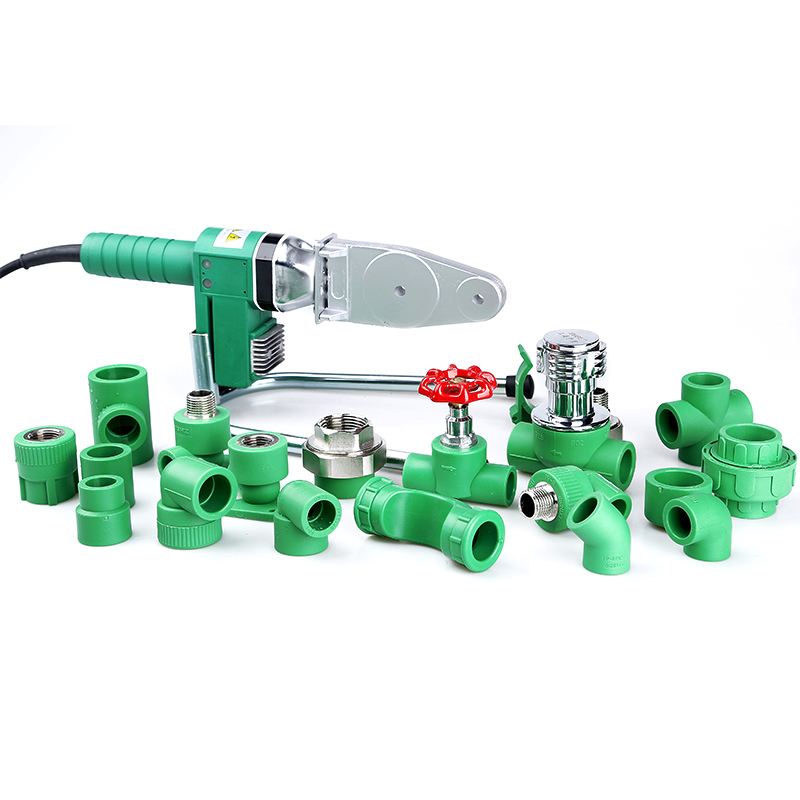
PPR pipes are joined using heat fusion welding, which creates a homogeneous, leak-proof joint. The process involves heating the pipe end and fitting simultaneously with a specialized welding machine, then pressing them together. It is crucial to adhere to specific heating times based on pipe diameter. For example, a 20mm pipe requires 5 seconds of heating, while a 32mm pipe needs 8 seconds.
Preparation and Cleanliness
Before welding, ensure the pipe ends are cut squarely and cleaned of any dirt or moisture. Contaminants can weaken the joint and compromise the antibacterial layer's continuity. Use a calibrated welding machine to maintain consistent temperature, typically around 260°C ± 5°C. Overheating can degrade the polymer, while underheating results in weak bonds.
Support and Expansion
- Fixing Clips: Install support clips every 50-60 cm for horizontal runs to prevent sagging.
- Expansion Loops: Account for thermal expansion by installing expansion loops or bends in long straight sections.
- Pressure Testing: Always perform a hydrostatic pressure test at 1.5 times the working pressure after installation to check for leaks.
Applications and Suitability
Residential Plumbing
In homes, PPR antibacterial pipes are ideal for potable water distribution. They ensure that water used for drinking and cooking remains free from harmful pathogens. Their quiet operation and thermal insulation properties also enhance comfort, reducing noise from water flow and preventing cold spots on walls.
Healthcare and Hospitality
Hospitals, clinics, and hotels have stringent hygiene requirements. PPR antibacterial pipes help these facilities meet health standards by minimizing the risk of nosocomial infections. The ease of installation and low maintenance make them cost-effective for large-scale renovations or new constructions.
Food and Beverage Industry
Restaurants and food processing plants require clean water supplies to ensure product safety. PPR antibacterial pipes prevent contamination in water lines used for ingredient preparation and cleaning, supporting compliance with food safety regulations like HACCP.

 Email:
 Telephone:+86-21-57461561
 Phone:+86-18721379989


