


 简体中文
简体中文 English
 русский
 Español
 Français
 عربى
عربى Português
 日本語
日本語 italiano
 Nederlands
 Polskie
A piping system that transitions from a 2-inch main to a 3/4-inch branch isn't a design flaw—it's an engineered decision. Every time a pipe changes diameter, something has to manage that transition cleanly. That fitting is a water pipe reducer: a seemingly simple component with a significant influence on flow behavior, pressure performance, and long-term system reliability.
Content
What a Water Pipe Reducer Does
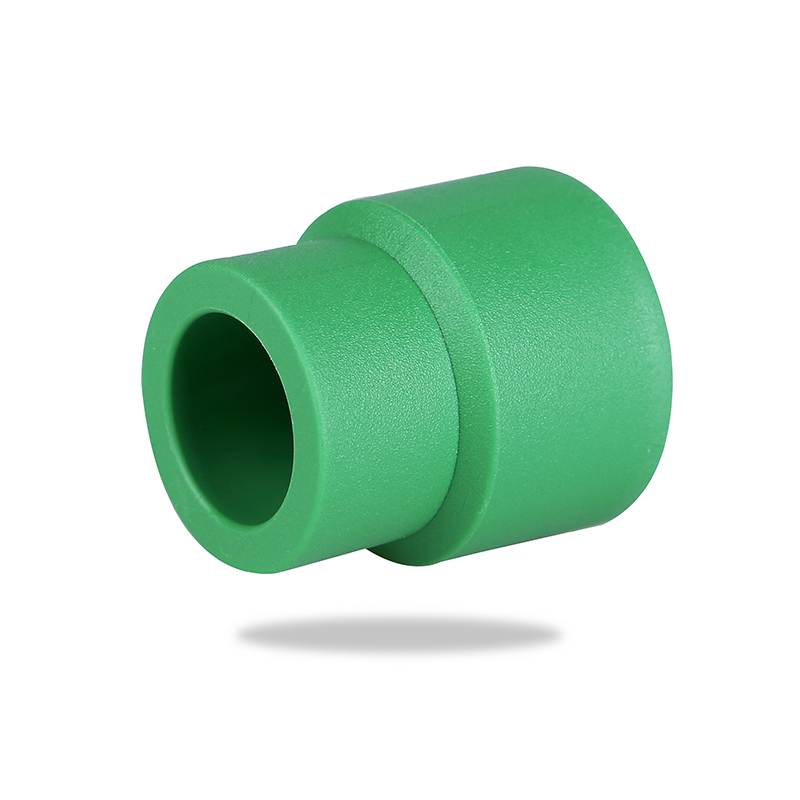
A pipe reducer is a fitting that connects two pipes of different diameters. The larger end receives the incoming pipe; the smaller end connects to the downstream pipe. Used in reverse, the same fitting can expand the pipe diameter—which is why reducers are sometimes called increaser/reducer fittings depending on flow direction.
The primary function is diameter transition, but the consequences of doing this well—or poorly—go beyond geometry. An abrupt diameter change generates turbulence, increases energy loss, and can cause localized pressure drops that accelerate wear on downstream components. A properly designed reducer provides a tapered or offset transition that preserves flow efficiency and minimizes these effects. This is why reducer geometry, not just size, matters in system design.
Reducers are manufactured across a wide range of materials and standards. For steel buttweld fittings, the governing specification is ASME B16.9, which covers dimensions, tolerances, pressure-temperature ratings, and marking requirements for fittings from NPS 1/2 through NPS 48. For plastic piping systems such as PPR, relevant standards include DIN 8077/8078 and ISO 15874, which define performance requirements for hot and cold water supply applications.
Concentric Reducers: Geometry and Applications
A concentric reducer is symmetrical. Both the large and small ends share a common centerline, and the body of the fitting tapers uniformly from one diameter to the other—producing a cone-like shape. This symmetry delivers consistent, even flow velocity across the cross-section of the pipe, minimizing turbulence and pressure loss.
Concentric reducers are the standard choice for vertical piping runs, where the shared centerline aligns naturally with gravity. They also perform well in gas distribution lines, compressor discharge lines, and any system where maintaining a uniform flow profile across the pipe cross-section is the priority.
In horizontal liquid lines, however, concentric reducers create a geometry problem: the top of the smaller pipe sits lower than the top of the larger pipe. In systems where air can accumulate at high points, this configuration creates a trap that allows gas pockets to build up—potentially causing flow disruption or, in pump systems, cavitation. This is why horizontal liquid piping typically calls for a different reducer geometry.
Eccentric Reducers: The Horizontal Liquid Solution
An eccentric reducer solves the air-pocket problem by offsetting the centerlines of the two ends. One side of the fitting is flat; the other is angled. This asymmetry allows the engineer to control which surface of the pipe remains level through the transition.
In horizontal liquid lines, eccentric reducers are installed with the flat side facing up. This keeps the top of the pipe at a consistent elevation through the transition, preventing air from becoming trapped at the high point. For pump suction lines specifically, this is critical: air accumulation at the suction side causes cavitation—a destructive phenomenon that erodes impellers and dramatically shortens pump service life.
In pipe rack applications, the same eccentric reducer is flipped—flat side down—so the bottom of the pipe remains at a consistent level and can be supported uniformly by the pipe rack structure. This is a structural and alignment consideration rather than a fluid behavior one.
The trade-off is cost and complexity. Because eccentric reducers are asymmetrical, they require more precise manufacturing and are consequently more expensive than equivalent concentric reducers. They also require careful attention to orientation during installation; a reversed eccentric reducer creates the exact problem it was designed to prevent.
Material Options for Water Pipe Reducers
The right reducer material depends on what the pipe is carrying, the operating temperature and pressure, and the installation environment. The most common options in water supply and building services applications are:
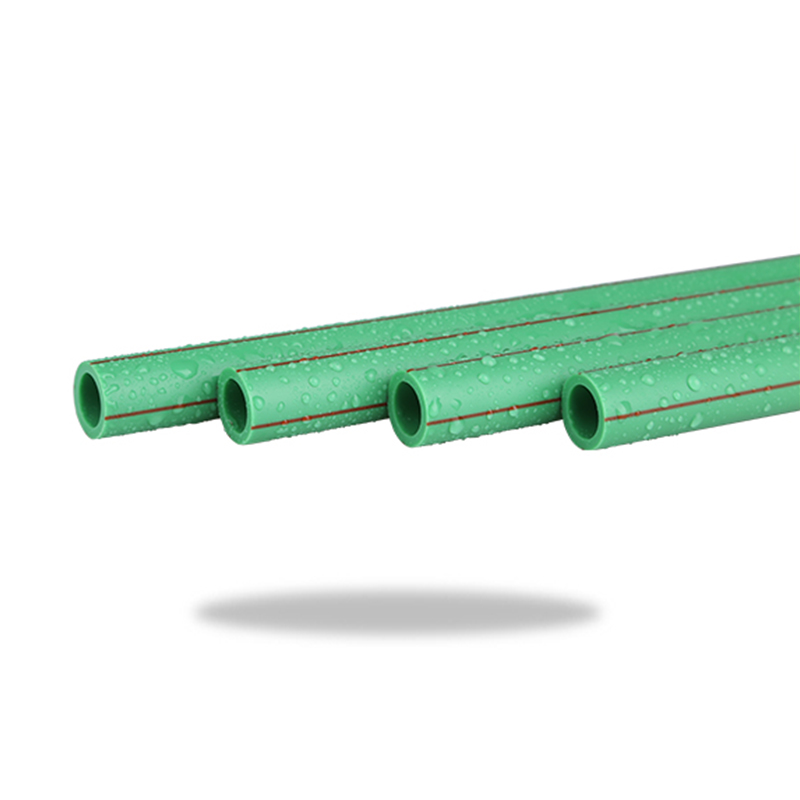
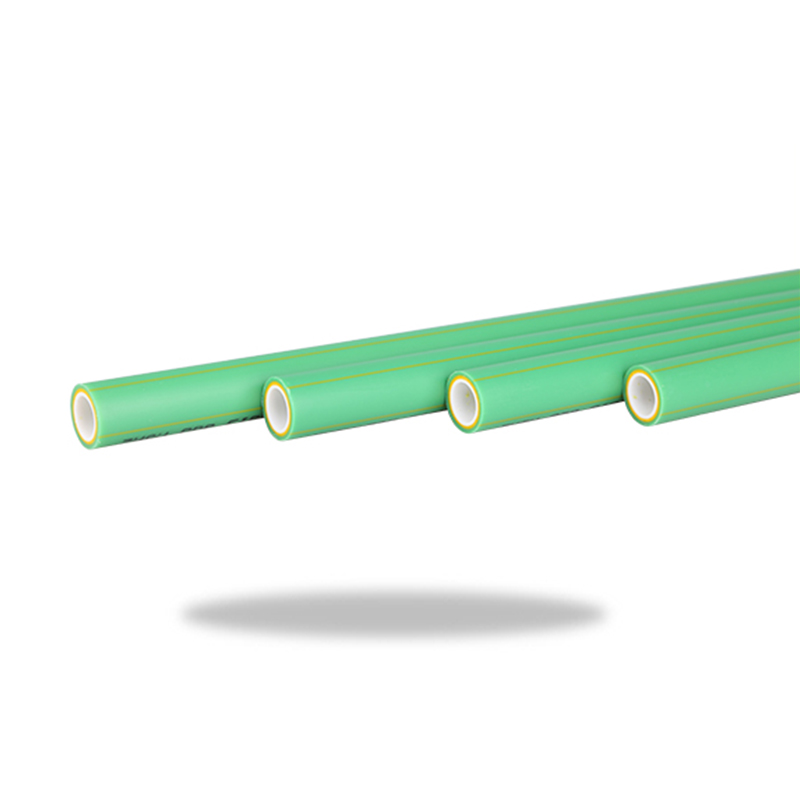
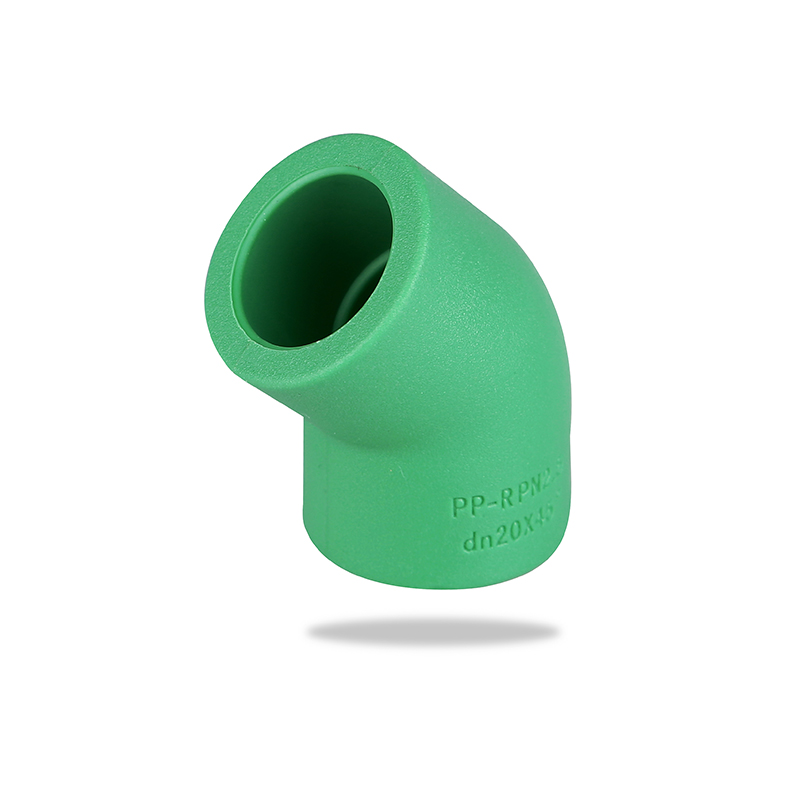
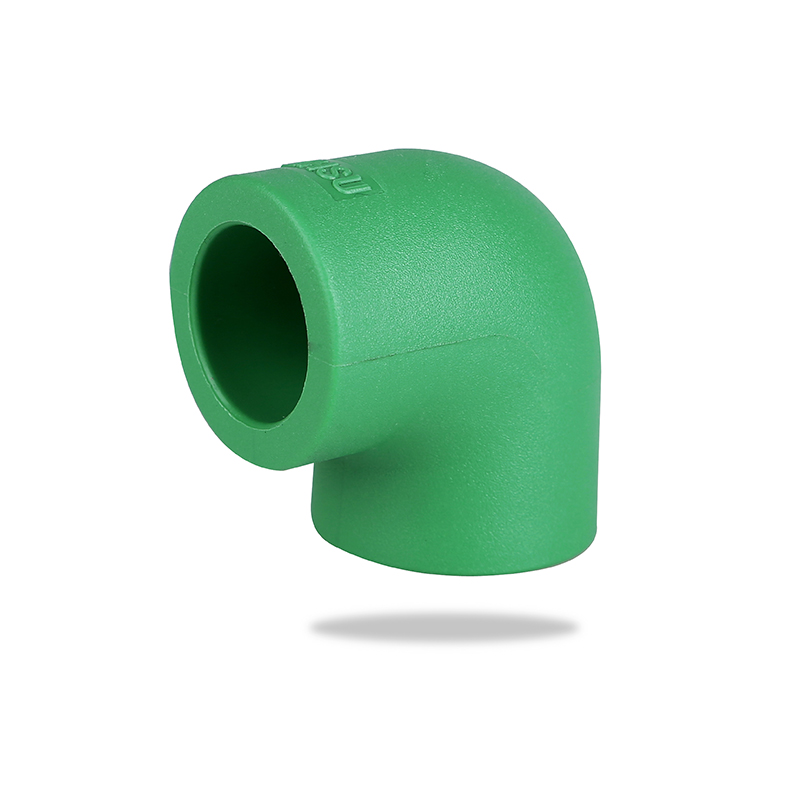
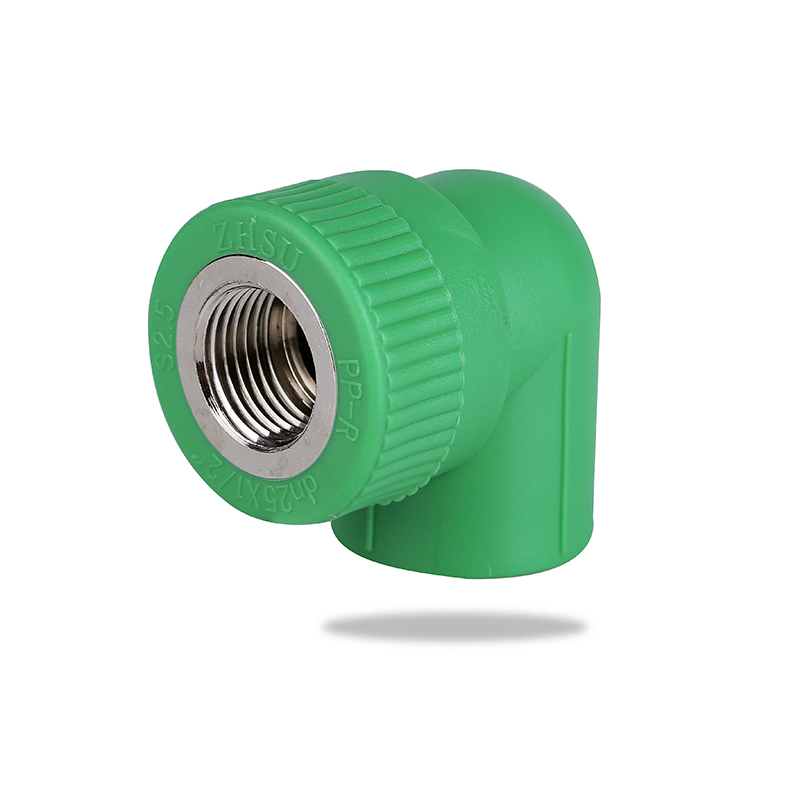
- PPR (Polypropylene Random Copolymer): The preferred material for hot and cold potable water in residential and commercial construction. PPR reducers are lightweight, corrosion-free, and connect via heat fusion welding—creating a joint that becomes as strong as the pipe itself with no risk of leakage from thread failure or gasket degradation. PPR systems can handle working temperatures up to 70°C and pressures up to 25 bar (PN25), with a design service life exceeding 50 years. The smooth internal bore also reduces flow resistance. PPR reducing couplings for hot and cold water supply systems are manufactured to DIN standards in sizes from 20mm through 160mm, covering the full range of building services applications.
- Carbon Steel: The standard for high-pressure industrial applications, steam systems, and oil and gas pipelines. Carbon steel reducers are available in both seamless and welded construction, with wall thickness schedules (Sch 40, Sch 80, Sch 160) matched to operating pressure requirements. They are susceptible to corrosion in water service and typically require internal lining, coating, or cathodic protection when used in direct contact with potable water.
- Stainless Steel: Selected when corrosion resistance is required alongside high-pressure or high-temperature performance—chemical processing, food-grade water systems, marine environments, and pharmaceutical applications. The most common grades are 304 and 316, with 316 offering superior resistance to chloride-containing environments.
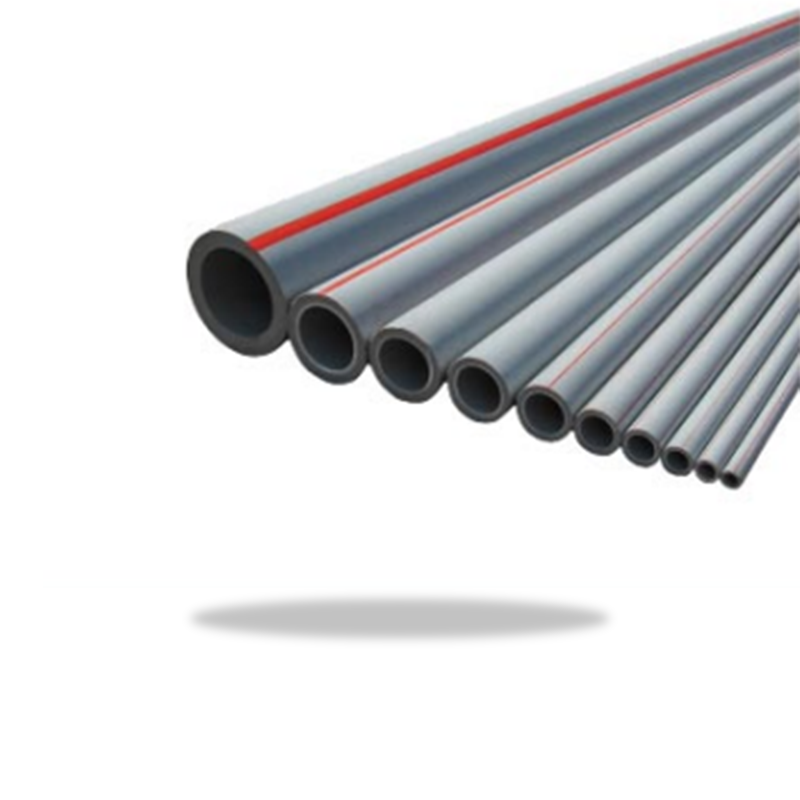
- PVC and CPVC: Used in low-pressure drainage, irrigation, and cold water distribution. PVC is cost-effective and chemically resistant but limited to lower temperatures. CPVC extends the temperature range and is approved for hot water distribution in many jurisdictions.
- Brass and Copper: Traditional materials for plumbing fittings, particularly in threaded connections and smaller diameter applications. Brass reducers are widely used for transitioning between different pipe types or thread standards. Copper is common in residential hot and cold water systems where soldered connections are preferred.
Connection Methods and Installation
The connection method defines how a reducer integrates into the system and is as important as the material choice:
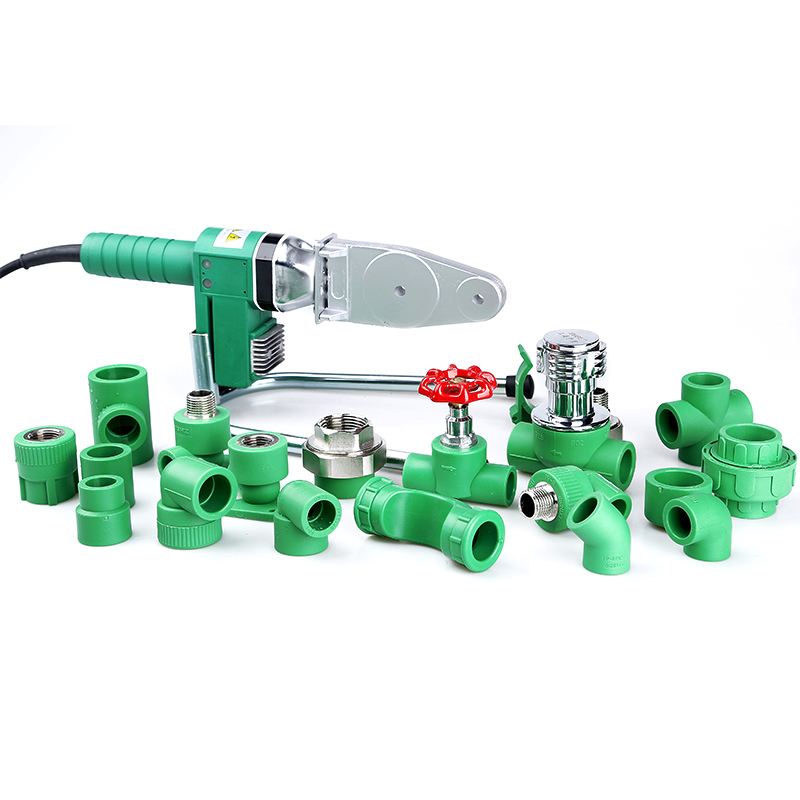
- Heat fusion (butt or socket welding): Used for PPR and HDPE systems. A fusion tool heats both the pipe end and the fitting socket simultaneously, then the two are joined and held until the material solidifies. The resulting joint is monolithic—molecularly bonded—and is the strongest, most leak-proof connection method available for thermoplastic piping. PPR pipe fittings including reducers for heat fusion installation are available in a full range of sizes and pressure ratings for building water supply systems.
- Threaded (NPT/BSP): Common for smaller diameter metal fittings and for connecting piping to equipment with threaded ports. Requires PTFE tape or thread sealant for a leak-free connection. Threaded reducers are available as hex bushings (external/internal thread combination) or reducing couplings.
- Butt weld: The standard connection method for carbon and stainless steel fittings in industrial and pipeline applications. The pipe end and fitting bevel are welded together using a qualified welding procedure. Produces a permanent, full-penetration joint rated for the full system pressure.
- Solvent cement (PVC/CPVC): The fitting and pipe surfaces are coated with solvent cement, which chemically welds the materials together as it cures. Fast and reliable for PVC systems when applied correctly.
How to Select the Right Reducer
Working through a reducer selection involves five practical questions:
- What pipe sizes are being connected? Measure the outer diameter of both pipes and confirm the nominal pipe size. For PPR systems, verify whether the sizes follow metric (DN20, DN25, DN32, etc.) or imperial (1/2", 3/4", 1") designations, as these differ in actual dimension.
- Is the run horizontal or vertical? Vertical runs use concentric reducers. Horizontal liquid lines—especially pump suction lines—use eccentric reducers, flat side up, to prevent air accumulation.
- What is the operating temperature and pressure? This drives material selection and pressure rating. PPR at PN25 handles up to 25 bar at 20°C; the pressure rating decreases at elevated temperatures per the system's rated pressure-temperature curve. For a hot water system running at 70°C, verify the reducer's rated capacity at that temperature, not at ambient conditions.
- What fluid is being transported? Potable water systems require materials approved for food-contact or drinking water use. Corrosive chemicals may require stainless steel, PTFE-lined, or specialty alloy fittings. For branching connections in addition to diameter reduction, PPR reducing tees that combine direction change and size transition in a single fitting can simplify installation.
- What connection method does the existing system use? A reducer must match the connection type on both ends. Mixed-material transitions (e.g., from a PPR main to a copper branch) require a transition fitting with appropriate ends for each material—not a standard reducer.
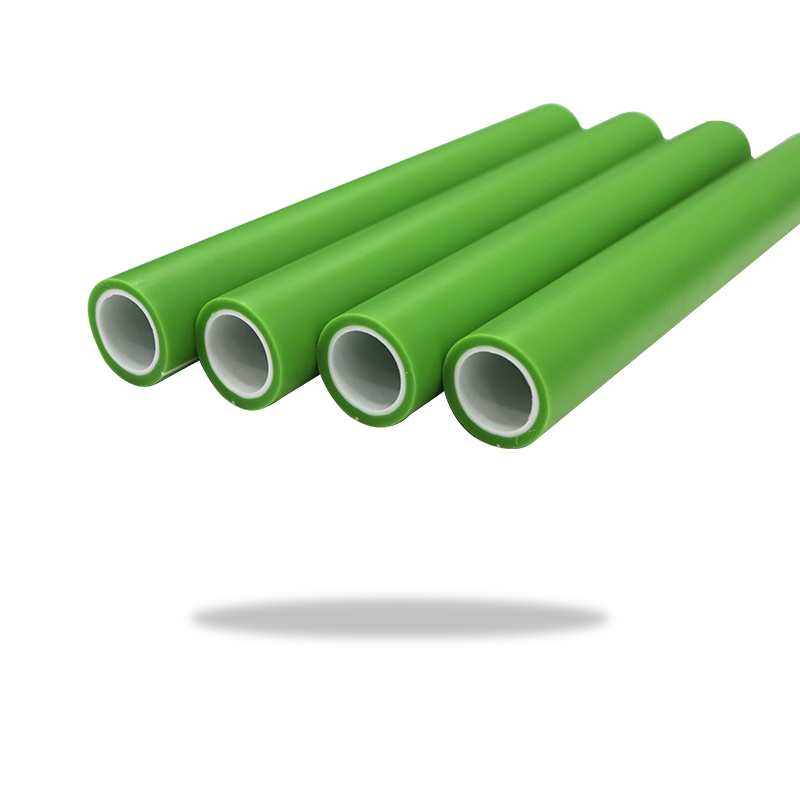
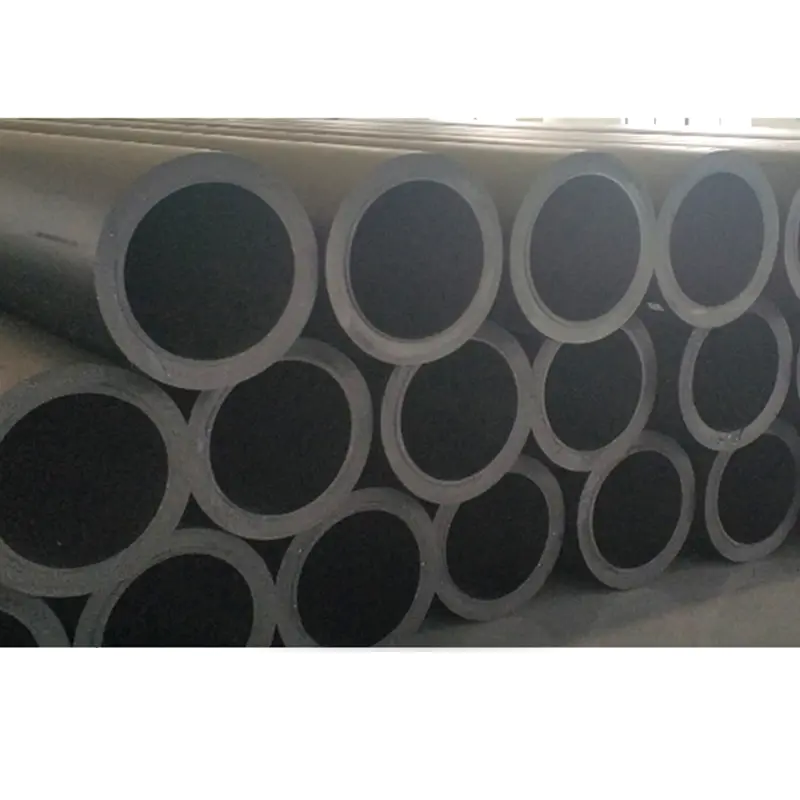
For building water supply systems, PPR remains the most widely specified material globally due to its combination of thermal performance, corrosion immunity, ease of installation, and service life. PPR pipes for hot and cold potable water applications are produced using 100% virgin polypropylene raw materials, with quality verified through CNAS-accredited laboratory testing covering pressure, temperature, and long-term creep performance. When specifying reducers for a PPR system, sourcing fittings from the same manufacturer as the pipe ensures dimensional compatibility and consistent material properties at the fusion joint.
Common Installation Errors to Avoid
Even correctly specified reducers fail prematurely when installed incorrectly. The most common errors in field installations:
- Wrong eccentric reducer orientation: Installing an eccentric reducer flat-side down on a horizontal pump suction line defeats its purpose entirely, creating an air trap at the exact location where air accumulation is most damaging. Always verify orientation against the system's flow direction and fluid type before welding or threading.
- Mismatched pressure ratings: Using a PN16-rated reducer in a PN25 system creates a weak point that may hold initially but will fail under thermal cycling or pressure surges. Verify that every fitting in the system matches the highest pressure rating required.
- Insufficient fusion time (PPR systems): Heat fusion joints that are underheated produce weak bonds that fail under pressure. Follow the fusion time and temperature tables specified by the pipe manufacturer for the specific pipe diameter and ambient temperature conditions.
- Thread over-tightening: Threaded metal reducers cracked by over-torquing are a common failure mode. Use calibrated torque and the correct thread sealant; more sealant does not compensate for a poorly engaged thread.
Selecting and installing the correct water pipe reducer is not a secondary consideration—it is a fundamental part of ensuring that a piping system delivers its designed flow, pressure, and service life. The decision tree is manageable: determine the geometry (concentric vs. eccentric), confirm the material (matched to fluid, temperature, and pressure), verify the connection method, and source from a manufacturer whose products carry traceable quality documentation for the specifications that matter in your application.
 Email:
 Telephone:+86-21-57461561
 Phone:+86-18721379989


