


 简体中文
简体中文 English
 русский
 Español
 Français
 عربى
عربى Português
 日本語
日本語 italiano
 Nederlands
 Polskie
Content
- 1 Why Material Selection Is a Safety Decision
- 2 Steel and Black Iron Pipe: The High-Pressure Standard
- 3 Corrugated Stainless Steel Tubing (CSST): Flexibility for Modern Installations
- 4 HDPE: The Standard for Underground Gas Lines
- 5 Copper and Specialty Materials
- 6 Gas Line Pipe Material Comparison
- 7 How to Choose the Right Gas Pipe Material
Why Material Selection Is a Safety Decision
A gas line carries one of the most energy-dense substances routed through any building or infrastructure project. The consequences of a material failure—whether from corrosion, joint separation, or mechanical damage—are severe enough that most jurisdictions leave no room for improvisation. Material selection for gas piping is governed by codes, not preferences.
In the United States, NFPA 54, the National Fuel Gas Code, defines which pipe materials are permissible for natural gas installations, covering material specifications, pressure ratings, jointing methods, and installation environments. Local amendments frequently restrict certain materials further. Before specifying any material, the applicable code for the project location must be consulted.
That said, the five major gas line pipe materials—steel, black iron, CSST, HDPE, and copper—each occupy a defined role in the market based on their physical properties. Understanding what drives those roles is what separates a material specification from a materials guess.
Steel and Black Iron Pipe: The High-Pressure Standard
Steel remains the default material for high-pressure gas transmission and large-diameter distribution mains. Its compressive and tensile strength allows it to handle operating pressures that would deform or rupture any plastic alternative. Welded steel pipe, in particular, produces joints with no mechanical connectors—the weld is continuous with the pipe wall, eliminating a common leak point entirely.
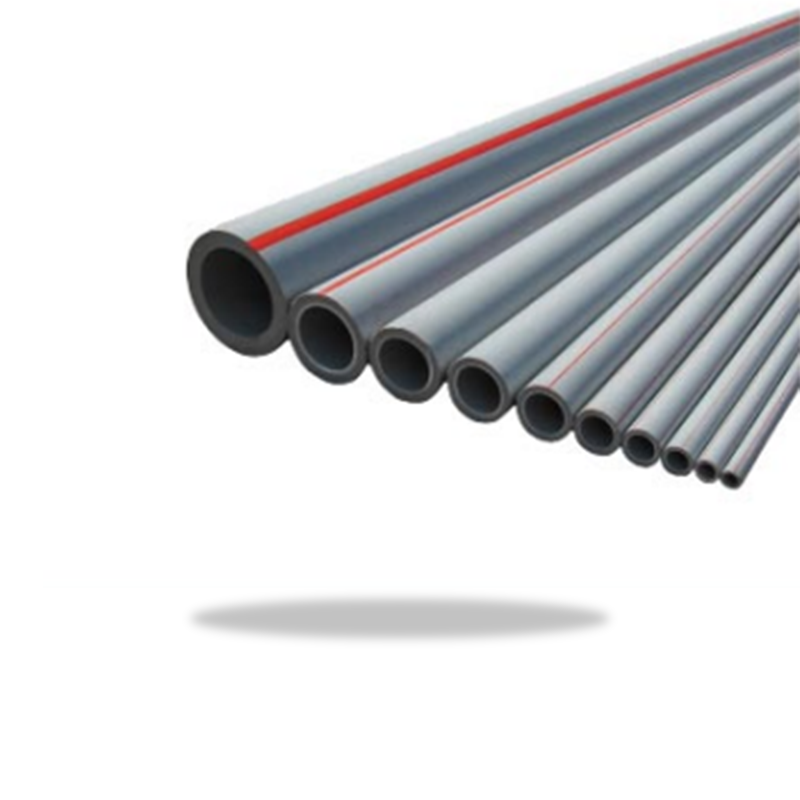
Black iron pipe is the variant most commonly seen in residential and commercial interior gas applications. Technically mild steel with a natural iron oxide surface rather than a galvanized coating, it threads cleanly, forms airtight connections with pipe dope or PTFE tape, and handles pressures well above typical residential supply levels. Its main liability is corrosion: black iron rusts when exposed to moisture, which is why it is confined to interior, above-ground installations where humidity is controlled.
Galvanized steel extends the corrosion resistance of plain steel through a zinc coating, making it viable for some exterior applications. However, the zinc layer degrades over time, and once breached, the pipe corrodes from the inside. Many modern codes restrict galvanized steel in gas service, and it is prohibited in some jurisdictions entirely. Where allowed, it demands periodic inspection that operators often neglect.
The practical constraint on both steel variants is labor. Threading, cutting, and fitting rigid steel pipe is time- and skill-intensive. In large-diameter commercial or industrial projects, this labor cost is absorbed by the system's scale and pressure requirements. In residential work, it often tips the decision toward alternatives.
Corrugated Stainless Steel Tubing (CSST): Flexibility for Modern Installations
CSST entered widespread use in the 1990s and transformed residential gas piping by replacing rigid pipe runs with a flexible, jacketed stainless steel tube that can be pulled through wall cavities and routed around framing without fittings at every turn. Fewer fittings directly translates to fewer potential leak points, faster installation, and lower labor cost compared to threaded black iron.
The material is well-suited to seismically active regions. Where rigid piped systems can fracture at joints during ground movement, CSST absorbs displacement through its flexibility, a property that contributed to its adoption in California and Japan. It is approved for both interior and some exterior (jacketed) applications.
The significant engineering caveat with CSST is its vulnerability to electrical arcing. The corrugated wall is thinner than rigid pipe, and a nearby lightning strike can generate an electrical arc that punctures the tubing. Every major CSST manufacturer and the NFPA now require bonding of the CSST to the building's electrical grounding system. Improperly bonded CSST has been identified as the cause of structure fires following lightning events. Compliance with bonding requirements is non-negotiable, and older CSST installations should be evaluated for this risk.
HDPE: The Standard for Underground Gas Lines
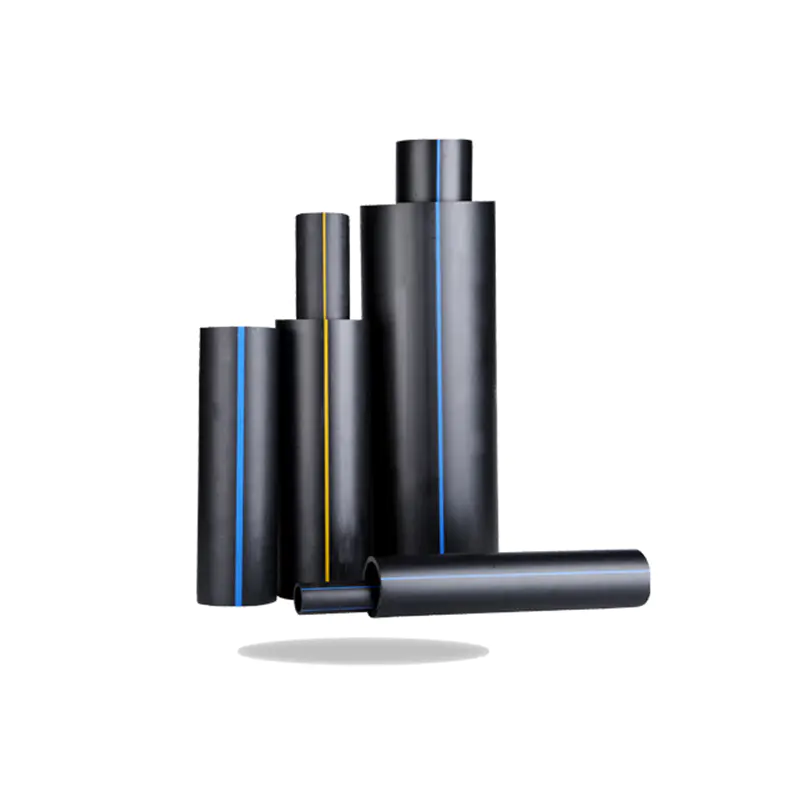
High-density polyethylene has become the dominant material for underground gas distribution globally, and the reasons are rooted in both material science and installation economics. HDPE does not corrode. There is no electrochemical reaction with soil, groundwater, or the gas it carries, and no cathodic protection system is required—a significant cost and maintenance item for buried steel.
The defining technical advantage of HDPE in gas service is its jointing method. Butt fusion and electrofusion welding heat the pipe ends and fittings to the melting point of the polyethylene and press them together, producing a joint that is molecularly continuous with the pipe wall. The joint does not rely on threads, gaskets, or adhesives—it is structurally indistinguishable from the pipe itself. Leak rates on properly fused HDPE systems approach zero over the design life of the installation.
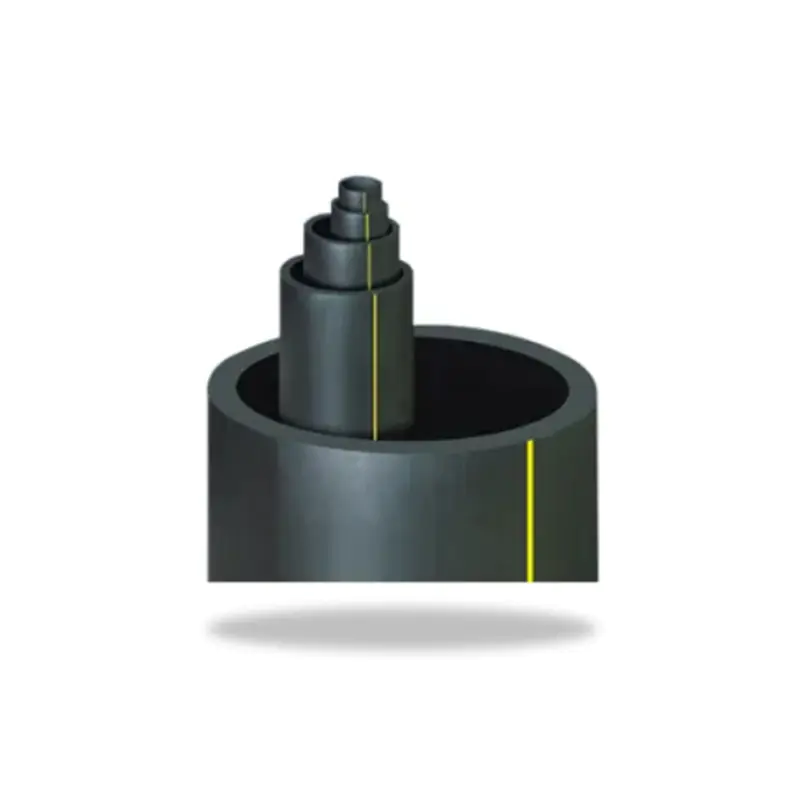
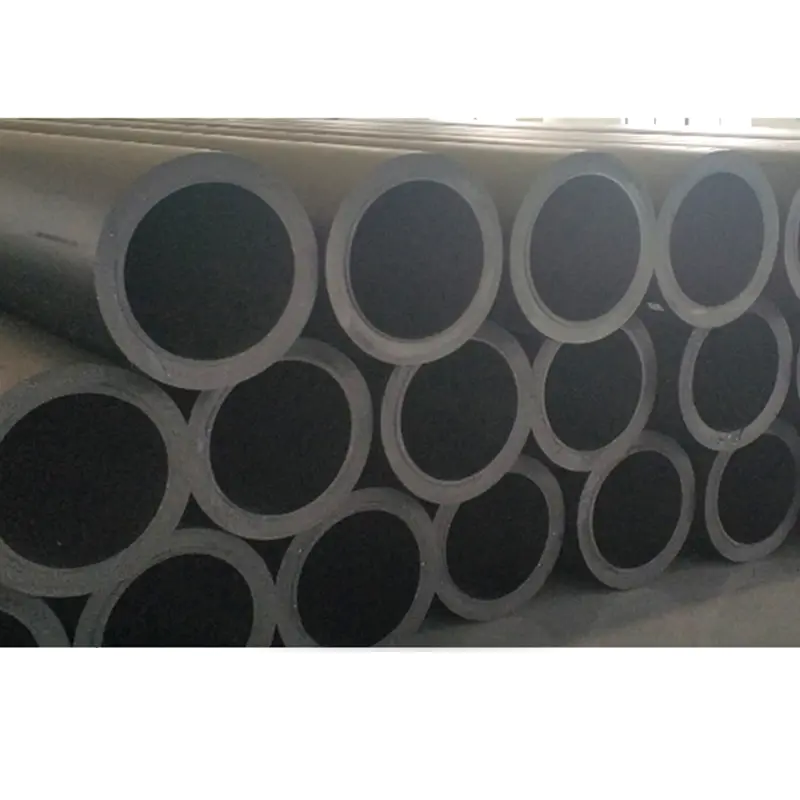
HDPE gas pipe is classified by its SDR (Standard Dimension Ratio)—the ratio of outside diameter to wall thickness. Lower SDR values mean thicker walls and higher pressure ratings. SDR 11 pipe, for example, carries a pressure rating of approximately 100 psi at 73°F for PE4710 material, covering the operating range of virtually all natural gas distribution systems. Larger-diameter HDPE gas pipe, up to DN1200mm, is used in municipal gas distribution mains and industrial applications where flow capacity demands match the material's structural performance.
The one limitation of HDPE for gas service is UV exposure. Polyethylene degrades under prolonged ultraviolet radiation, which is why HDPE gas pipe is approved for buried installations and must be protected or shielded where it transitions above ground. Explore our HDPE pipes engineered specifically for natural gas distribution, available in SDR grades and diameters for both residential distribution and large-scale municipal infrastructure.
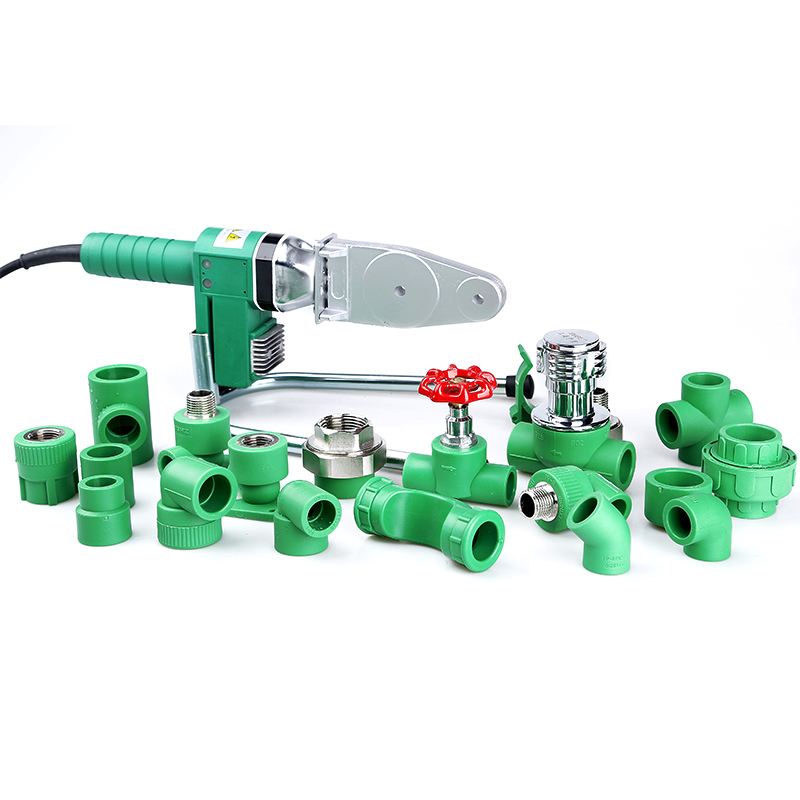
Paired with the right fittings, an HDPE gas system is fully integrated. Our HDPE fittings for gas system connections include electrofusion couplings, tees, elbows, and transition fittings sized to match every standard pipe diameter.
Copper and Specialty Materials
Copper was widely used for gas piping in residential applications through the mid-20th century and remains permitted in certain jurisdictions, primarily for low-pressure natural gas and propane systems. It is lightweight, corrosion-resistant in most environments, and easy to work with in tight spaces. Copper fittings are brazed or soldered, producing clean, durable connections without threading tools.
The critical restriction on copper in gas service is its reaction with hydrogen sulfide. Natural gas supplied by some utilities contains trace amounts of hydrogen sulfide, which reacts with copper to form copper sulfide—a process that progressively degrades the pipe wall and fittings. Before specifying copper for any gas application, the gas supplier should confirm that the delivered gas is free of hydrogen sulfide. Several U.S. states, including California, prohibit copper for natural gas piping entirely regardless of gas composition.
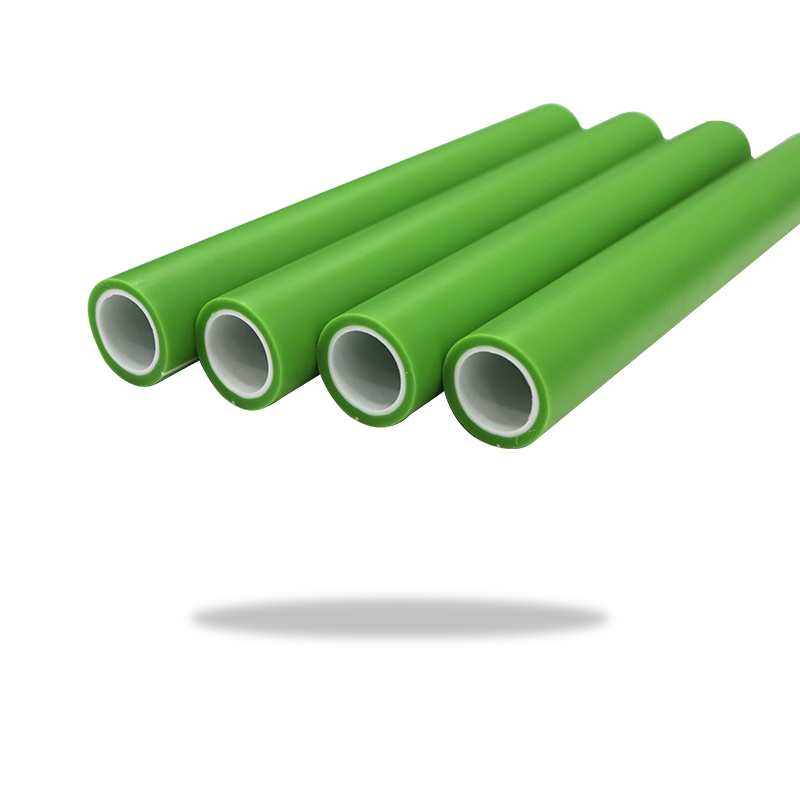
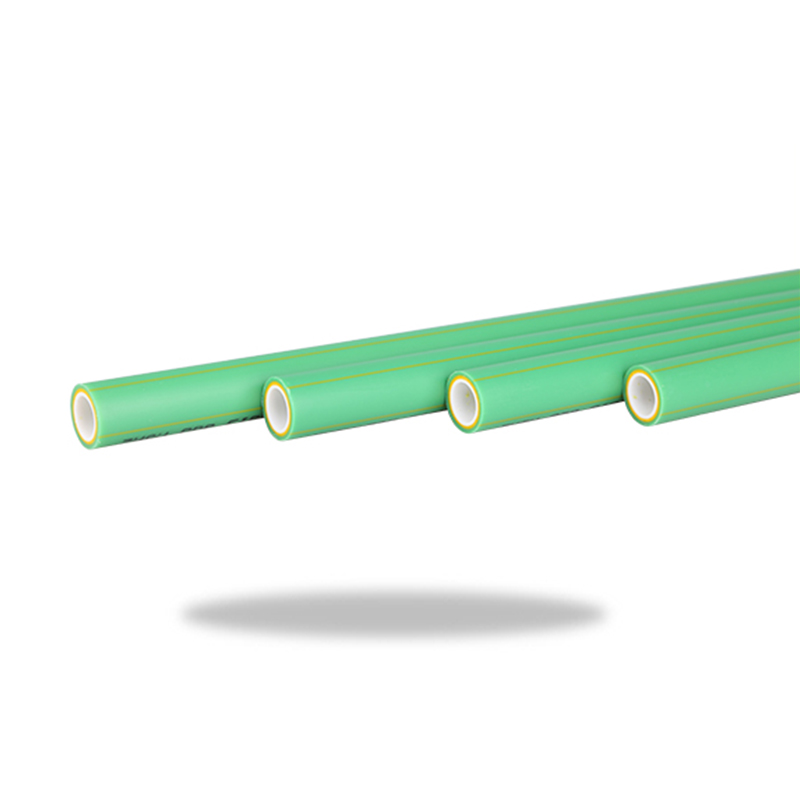
Aluminum-plastic composite pipe (PEX-AL-PEX) is a specialty option combining a polyethylene lining and outer layer with an aluminum intermediate tube. It offers low thermal expansion, resistance to UV degradation, and a semi-rigid form that installs more easily than rigid metal. Its applications in gas service are limited and jurisdiction-specific; it is more commonly specified for hydronic heating and domestic water.
Gas Line Pipe Material Comparison
| Material | Best Application | Max Pressure | Corrosion Risk | Typical Lifespan | Relative Cost/ft |
|---|---|---|---|---|---|
| Black Iron / Steel | Interior, above-ground; high-pressure commercial | High | Moderate (indoor) | 50+ years | $5–$9 |
| Galvanized Steel | Exterior (limited); water lines | High | Moderate (coating degrades) | 20–50 years | $2–$9 |
| CSST | Interior residential; seismic zones | Medium | Low (requires grounding) | 30–50 years | $2–$5 |
| HDPE | Underground distribution; municipal mains | High (SDR-dependent) | None | 50–100+ years | $0.50–$2 |
| Copper | Low-pressure residential (where permitted) | Low–Medium | Low (H₂S sensitive) | 50 years | $1–$3 |
How to Choose the Right Gas Pipe Material
Three variables determine the correct material for any gas line project. Work through them in order, and the choice narrows quickly.
1. Installation environment. Underground runs eliminate steel and CSST from consideration in most cases—their corrosion profiles and joint types are not suited to buried service. HDPE is the standard for buried gas distribution globally, and its fused joints are the only reliable option for long underground runs. Above-ground interior applications are where black iron, CSST, and copper compete.
2. Operating pressure. Residential gas supply typically operates at pressures between 0.25 psi (low pressure) and 2 psi (medium pressure) inside the building. Black iron and CSST both handle these ranges comfortably. High-pressure transmission lines—operating at tens or hundreds of psi—require steel or large-diameter HDPE with the appropriate SDR rating.
3. Local code and utility requirements. The most carefully engineered material choice is worthless if it fails inspection. Always confirm the permitted materials list with the local authority having jurisdiction (AHJ) and the gas utility before purchasing materials. Some jurisdictions restrict copper; others prohibit galvanized steel; a few have added CSST bonding requirements that affect retrofit projects. HDPE for gas is approved under ISO 4437 and equivalent national standards in most global markets, but specific SDR grades and fusion procedures must be followed to maintain that approval.
For projects involving underground gas distribution infrastructure, HDPE's combination of fusion-welded leak-free joints, corrosion immunity, and long service life makes it the technically and economically superior choice in the vast majority of applications. The upfront material cost is lower than steel, cathodic protection is eliminated, and a properly fused HDPE system does not require the inspection frequency that metal pipe demands over its service life.

 Email:
 Telephone:+86-21-57461561
 Phone:+86-18721379989


