


 简体中文
简体中文 English
 русский
 Español
 Français
 عربى
عربى Português
 日本語
日本語 italiano
 Nederlands
 Polskie
Content
What Does SDR Stand For?
SDR stands for Standard Dimension Ratio, and it's one of the first specifications an engineer checks when selecting plastic pipe for a project. The number tells you how a pipe's outside diameter relates to its wall thickness, which in turn determines how much pressure the pipe can safely handle. A pipe marked SDR 11, for instance, has an outside diameter that is eleven times its minimum wall thickness.
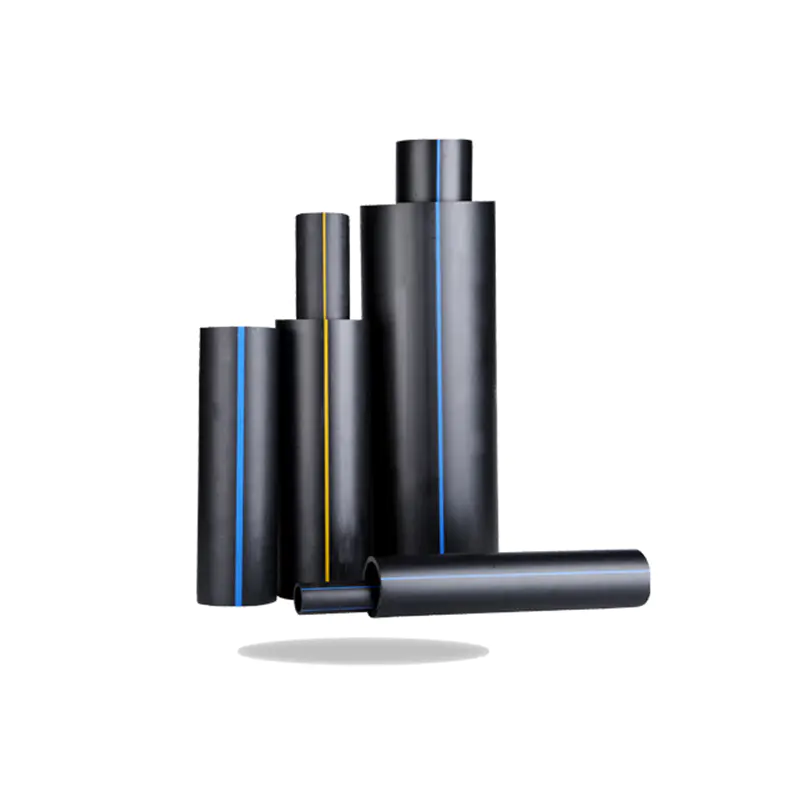
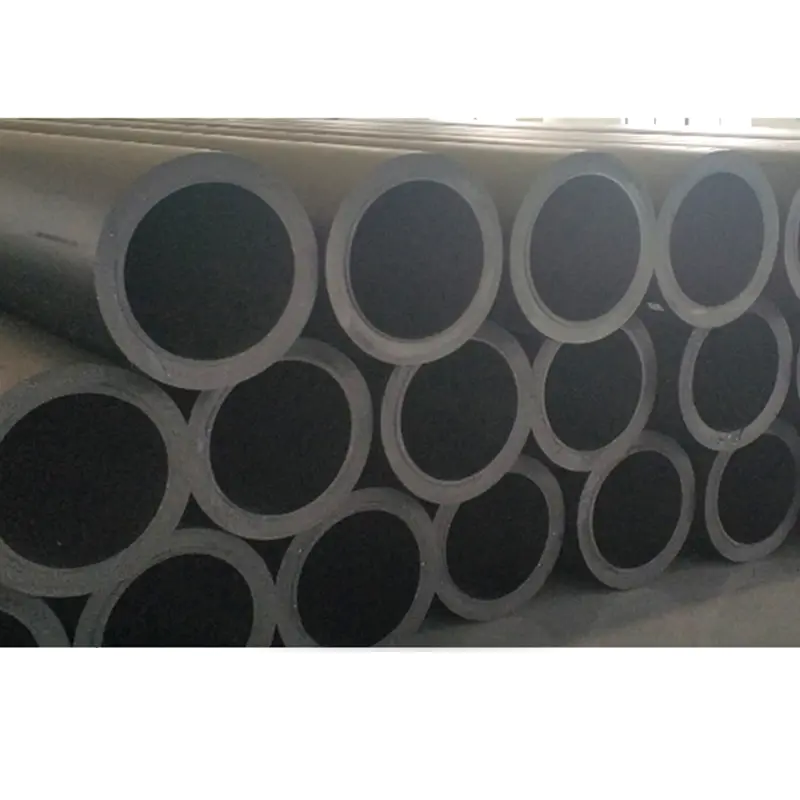
The term shows up constantly across water, gas, sewer, and industrial piping specifications, particularly for HDPE and PVC pressure pipe. Manufacturers producing a full range of HDPE pipe products typically list SDR alongside pipe diameter and pressure class because the three values together define what the pipe is rated to do.
How SDR Is Calculated
The formula behind SDR is straightforward:
SDR = Outside Diameter ÷ Minimum Wall Thickness
Take a pipe with a 4.5-inch outside diameter and a 0.409-inch minimum wall thickness. Divide one by the other and the result is 11, so the pipe is classified as SDR 11. Change the wall thickness to 0.265 inches on that same diameter and the SDR climbs to 17. Nothing about the outside diameter changed—only the wall did, and that single variable is what the SDR number captures.
| Outside Diameter | Wall Thickness | SDR |
|---|---|---|
| 4.500 in | 0.409 in | 11 |
| 4.500 in | 0.265 in | 17 |
Why SDR Matters for Pipe Performance
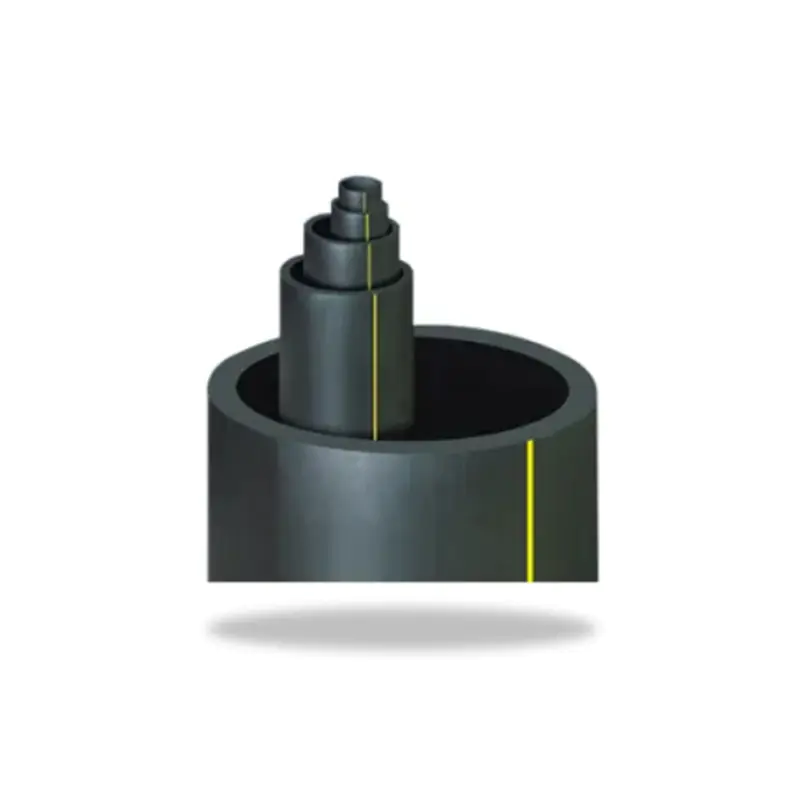
SDR isn't just a dimensional label—it's a direct indicator of how much internal pressure a pipe can withstand. The relationship runs in one clear direction: a lower SDR number means a thicker wall relative to the pipe's diameter, and a thicker wall handles higher pressure. A higher SDR number means a thinner wall, lower pressure capacity, and typically a lighter, less expensive pipe.
This is why two pipes of different diameters but the same SDR carry the same pressure rating, as long as they're made from the same material. A 2-inch SDR 11 HDPE pipe and a 12-inch SDR 11 HDPE pipe are both rated for the same working pressure, because the wall-to-diameter ratio stays constant. That consistency is part of what makes high-density polyethylene pipe for water distribution easy to specify across a system with mixed pipe sizes.
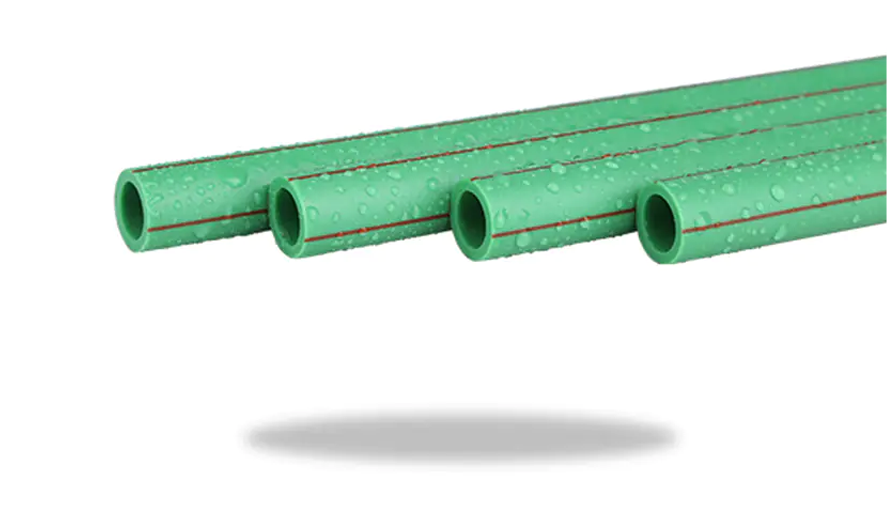
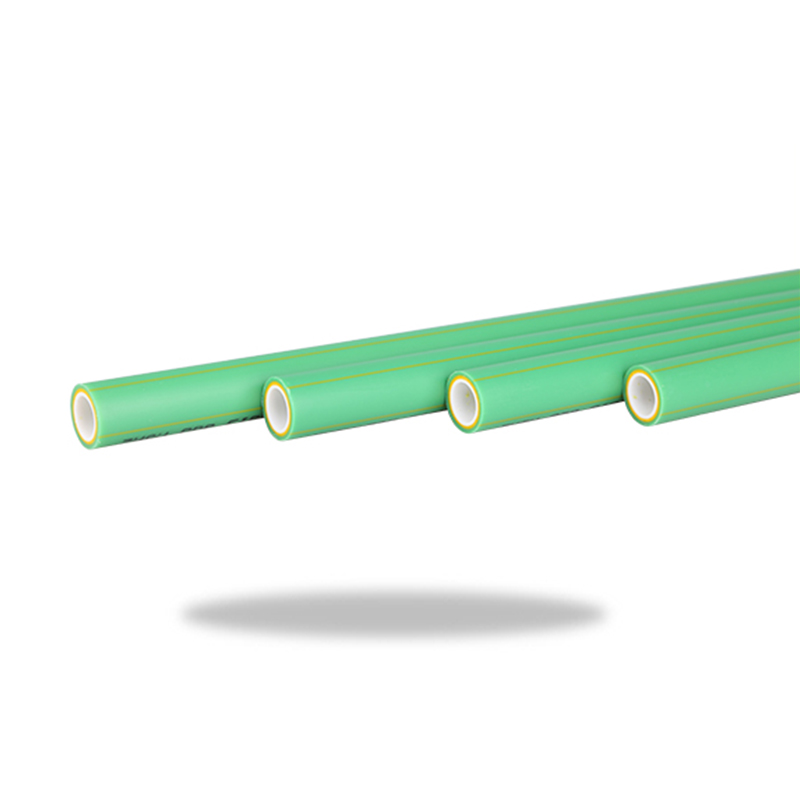
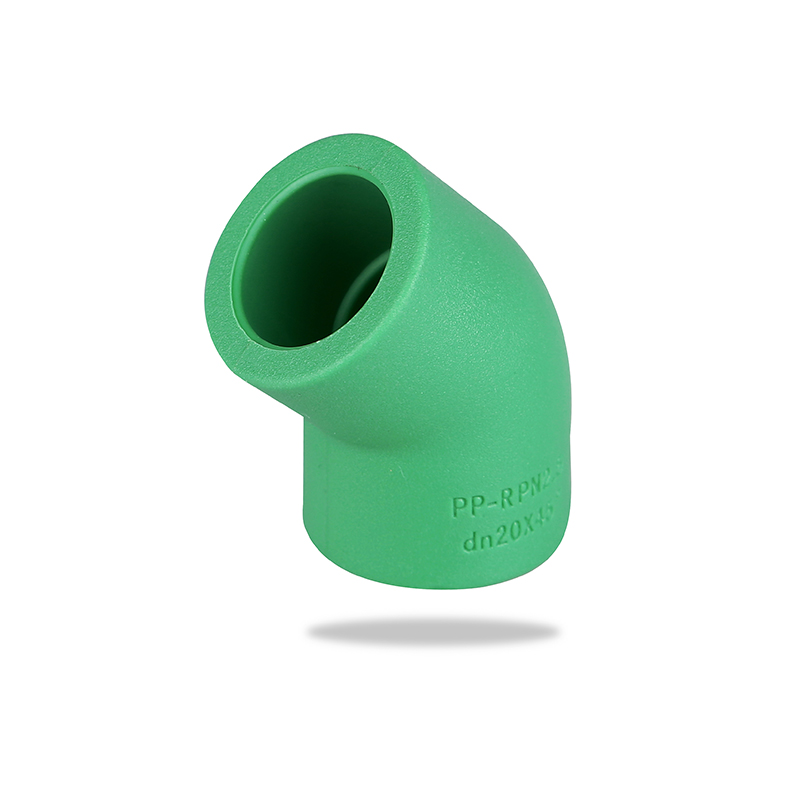
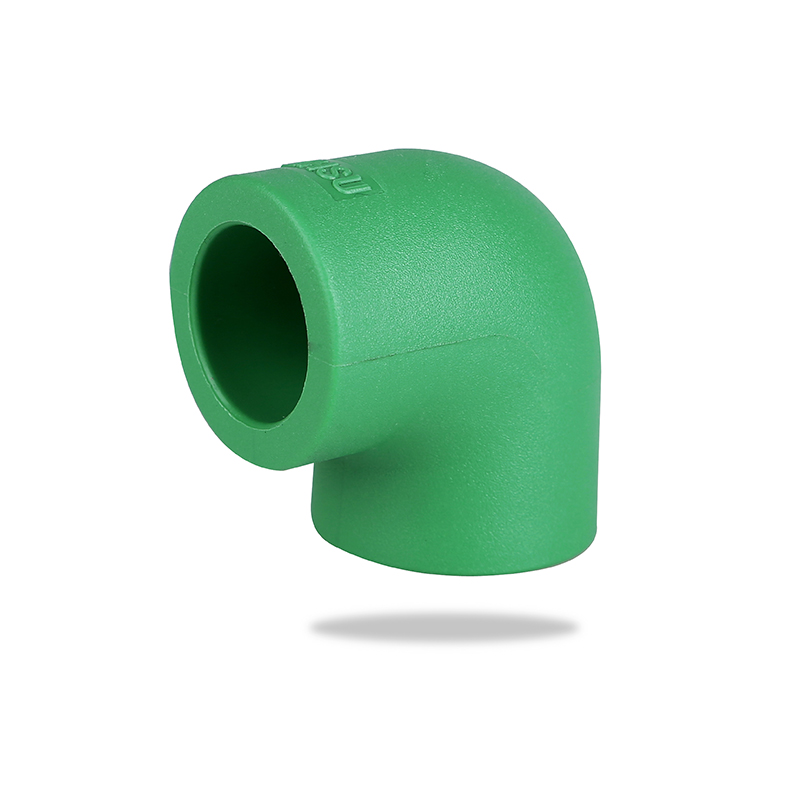
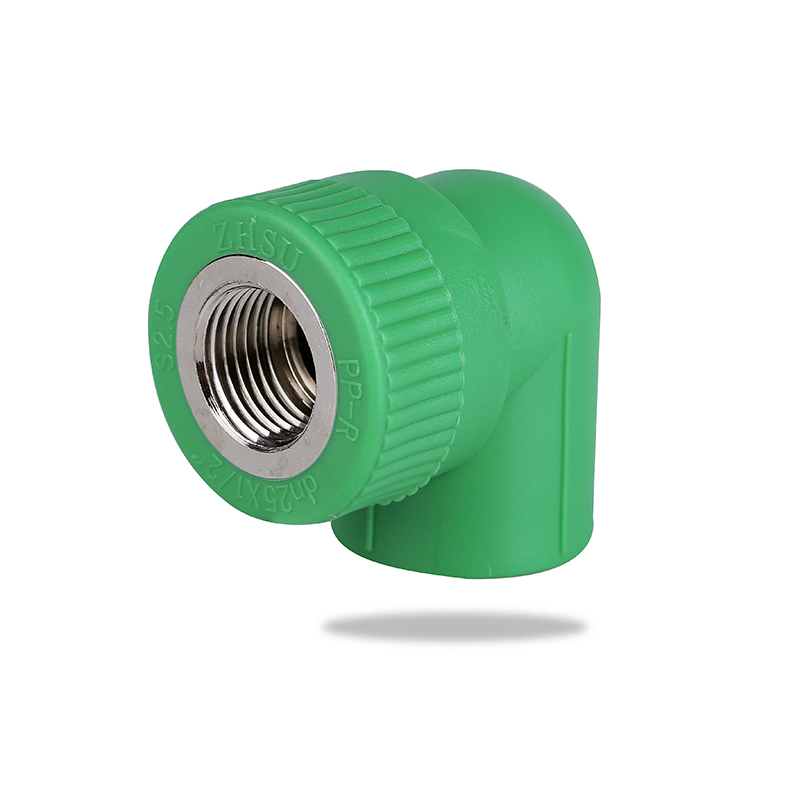
Wall thickness driven by SDR also affects stiffness. A pipe with a lower SDR resists deflection under soil load and traffic loading better than a thin-walled, high-SDR pipe, which matters for buried installations. The same logic extends to other plastic piping systems—the mechanical strength and compressive resistance of PPR pipe follows a comparable wall-thickness relationship.
SDR vs. DR: What's the Difference
SDR and DR are calculated the same way and describe the same physical relationship, but they aren't quite interchangeable terms. DR (Dimension Ratio) applies to any ratio of outside diameter to wall thickness. SDR refers specifically to ratios that fall on a standardized number series set by ANSI: 9, 11, 13.5, 17, 21, 26, and 32.5. Each step up that series represents roughly a 20% reduction in wall thickness from the one before it.
Some pipe standards use dimension ratios that don't land on that series. AWWA C900 PVC pipe, for example, is produced in DR 14, DR 18, and DR 25—values chosen to hit specific pressure classes rather than to follow the ANSI progression. Those pipes are correctly called DR pipe, not SDR pipe, even though the underlying math is identical. In everyday conversation the two terms get used loosely, but the distinction matters when writing specifications or comparing pipe against different plastic materials, the way HDPE pipe compares to PVC and steel pipe in strength and flexibility.
Common SDR Values and Their Applications
Not every SDR value suits every job. Lower numbers go where pressure is highest; higher numbers go where the load is lighter or non-existent.
| SDR | Relative Wall | Typical Application |
|---|---|---|
| 9 | Thickest | High-pressure water mains, force mains |
| 11 | Thick | Water and gas distribution, directional drilling |
| 17 | Moderate | Water mains, low-pressure gas |
| 26 | Thin | Gravity sewer, stormwater |
| 32.5 | Thinnest | Non-pressure drainage |
SDR 11 sees particularly wide use because it balances pressure capacity with material cost, and it's the standard rating for much natural gas distribution piping as well as many HDPE pipe products engineered for gas distribution. Pipe rated SDR 26 or 32.5, by contrast, shows up in gravity-fed drainage where internal pressure is minimal and the priority is cost efficiency over burst strength.
How to Choose the Right SDR
Selecting SDR starts with the working pressure the pipe needs to handle, including any elevation head in the system. From there, a few other factors typically push the choice toward a lower or higher number.
- Surge pressure from pump cycling, valve closure, or hydrant use, which can temporarily exceed steady-state pressure
- Installation method—directional drilling and pipe bursting apply tensile stress that often calls for a thicker wall than the pressure rating alone would require
- Operating temperature, since pressure ratings for plastic pipe are based on a standard reference temperature and drop as temperature rises
- External loading from burial depth, soil conditions, and traffic, which affects how much ring stiffness the pipe needs
According to the Plastics Pipe Institute's technical guidance on HDPE dimension ratios, matching SDR to both the pressure and installation conditions—not pressure alone—is what keeps a piping system performing over its full design life. Getting the SDR right up front avoids costly mismatches with fittings and fusion equipment down the line, since joints, couplings, and welding tools are all built around a specific SDR range. For a broader look at where these ratings fit into overall pipe selection, see the advantages and application areas of high-density polyethylene pipes.
 Email:
 Telephone:+86-21-57461561
 Phone:+86-18721379989


