


 简体中文
简体中文 English
 русский
 Español
 Français
 عربى
عربى Português
 日本語
日本語 italiano
 Nederlands
 Polskie
Content
- 1 Pipe Color Coding Standards at a Glance
- 2 ASME A13.1 Color Chart and What It Covers
- 3 ISO 14726 and BS 1710: Color by Contents
- 4 Labels, Arrows and Spacing That Keep Colors Readable
- 5 Color Coding for PPR and HDPE Pipe
- 6 Marking Buried Pipe: Where APWA Colors Apply
- 7 Mistakes That Undermine a Color Code
Pipe Color Coding Standards at a Glance
Two colors that look identical on a pipe rack can mean different things depending on the standard behind them. Pipe color coding follows one of two logics: sort by hazard, or sort by contents.
The US standard, ASME A13.1, works by hazard. A pipe carrying natural gas and one carrying hydrogen share the same yellow label because both are flammable. ISO 14726 and BS 1710 work by contents. Each substance gets its own base color, so acids and alkalis are violet and steam is silver-gray regardless of how dangerous they are.
Fire protection lines (red), potable water (green) and compressed air (blue or light blue) are consistent across the major schemes. Steam, chemicals and fuels are where they diverge, and that is where mistakes happen on international projects.
| Service | ASME A13.1 | ISO 14726 | BS 1710 |
|---|---|---|---|
| Fire water | Red | Red | Red |
| Potable water | Green | Green | Green |
| Compressed air | Blue | Light blue | Light blue |
| Steam | User-defined | Silver-gray | Silver-gray |
| Fuel oil, diesel | Brown | Brown | Brown |
| Acids and alkalis | Orange (toxic and corrosive) | Violet | Violet |
ASME A13.1 Color Chart and What It Covers
ASME A13.1, Scheme for the Identification of Piping Systems, is the reference for industrial, commercial and institutional buildings in the United States. Its history stretches back to 1928, and the current edition is 2023. According to ANSI's summary of the A13.1-2023 revision, that edition revised the color table, expanded the legend section and moved the standard to continuous maintenance.
Each label pairs a background color with a text color. The background tells a worker the hazard class at a glance, and the legend spells out the exact contents.
| Fluid category | Background | Text | Typical contents |
|---|---|---|---|
| Fire-quenching | Red | White | Sprinkler water, foam |
| Toxic and corrosive | Orange | Black | Acids, caustics, ammonia |
| Flammable and oxidizing | Yellow | Black | Natural gas, propane, oxygen |
| Combustible | Brown | White | Diesel, fuel oil, lubricants |
| Potable, cooling, boiler water | Green | White | Drinking and cooling water |
| Compressed air | Blue | White | Plant and instrument air |
Four further combinations, built on purple, white, gray and black backgrounds, are left for facilities to define themselves. Steam usually ends up here, which is why two plants in the same city can mark it differently.
The standard also carries limits. It does not apply to buried pipelines or electrical conduit, so a color scheme for an underground network has to come from somewhere else. Section six covers that gap.
ISO 14726 and BS 1710: Color by Contents
Where A13.1 groups fluids by hazard, ISO 14726 and BS 1710 give each substance family a fixed base color. Water is green, steam is silver-gray, air is light blue, oils and combustible liquids are brown, and acids and alkalis are violet. Fire protection is red under both.
BS 1710 adds identification colors on top of the base color, applied as bands, to separate one service from another within the same family. Two water lines can share a green base and still be told apart by their bands.
ISO 14726 was written primarily for marine environments, so treat it as the reference for vessels and offshore work rather than a general plant standard. Onshore projects in the UK and many Commonwealth countries tend to specify BS 1710, while US projects specify A13.1.
The practical difference shows up in chemical service. A sulfuric acid line is orange under A13.1 and violet under the content-based schemes. An operator who moves between jobs can misread a line at exactly the moment it matters, so the project specification should name one standard and stick to it.
Labels, Arrows and Spacing That Keep Colors Readable
Color gets attention, but the legend and arrow carry the actual information. A13.1 labels name the contents in plain words such as "Cold Water" or "Compressed Air", and an arrow shows the direction of flow. Hazardous lines may add a temperature, a pressure or a pictogram.
Size scales with the pipe. Measure the outside diameter including any insulation jacket, not the bare pipe. A 6 in pipe wrapped in 3 in of insulation is effectively a 12 in pipe for labeling purposes.
| Outside diameter | Minimum letter height | Minimum label length |
|---|---|---|
| 3/4 to 1-1/4 in | 1/2 in | 8 in |
| 1-1/2 to 2 in | 3/4 in | 8 in |
| 2-1/2 to 6 in | 1-1/4 in | 12 in |
| 8 to 10 in | 2-1/2 in | 24 in |
| Over 10 in | 3-1/2 in | 32 in |
Placement matters as much as size. Put a label at every valve, at branch connections, at direction changes, near equipment connections, and on both sides of every wall or floor penetration. On long straight runs, published guidance commonly calls for a label every 25 to 50 feet. Vertical pipes should carry labels readable from the floor or platform where people work.
For a closer look at how these rules apply to plastic systems, see this guide to labeling PPR and HDPE systems under ANSI/ASME A13.1.
Color Coding for PPR and HDPE Pipe
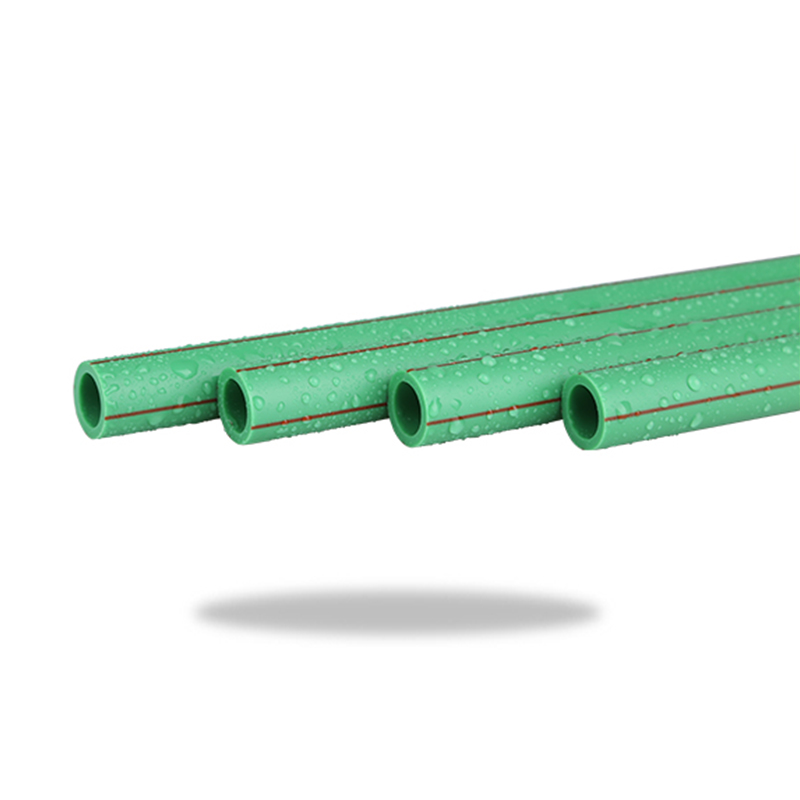
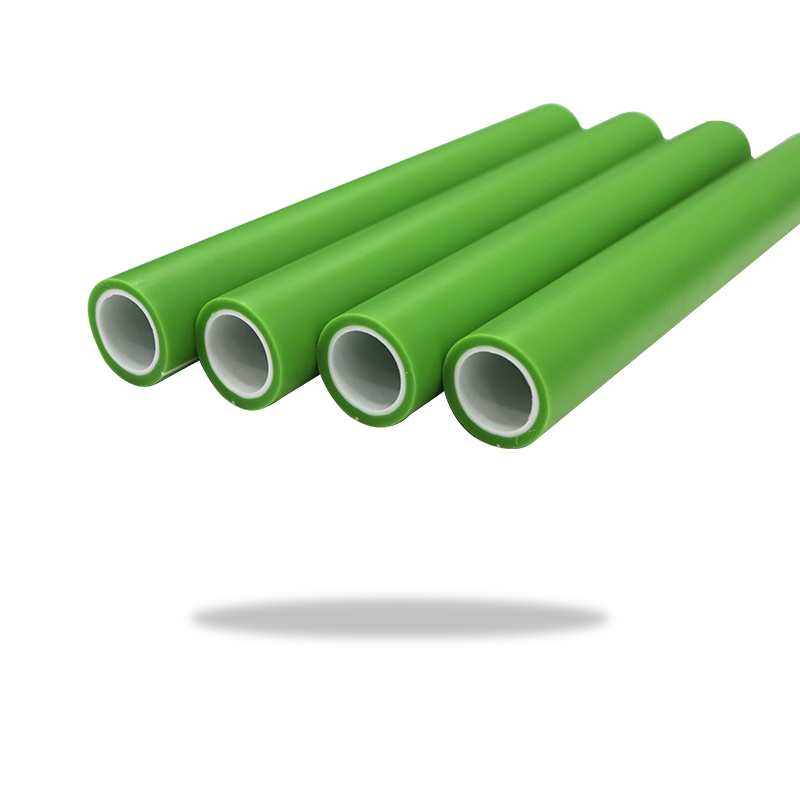
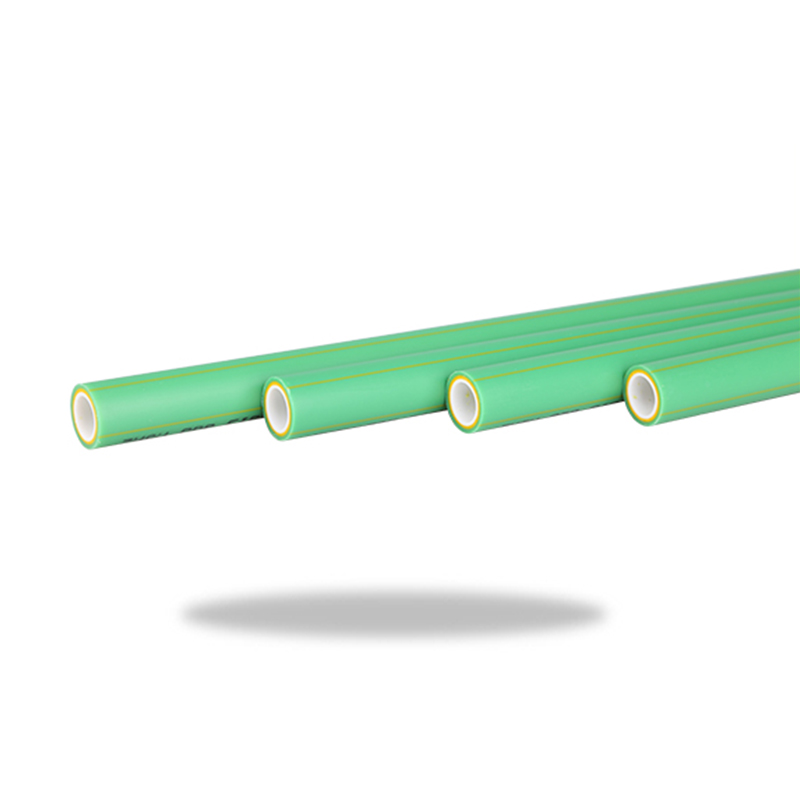
Plastic pipe adds a complication: the pipe itself is colored, and that color is not the same thing as a content label. A green PPR pipe does not tell a technician what is inside it. The label still does that job.
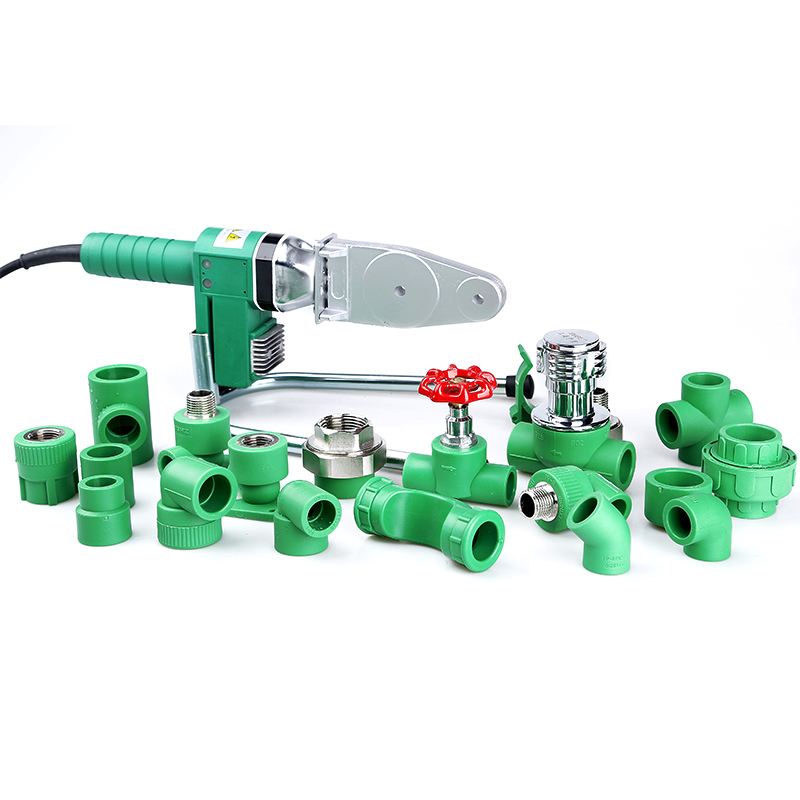
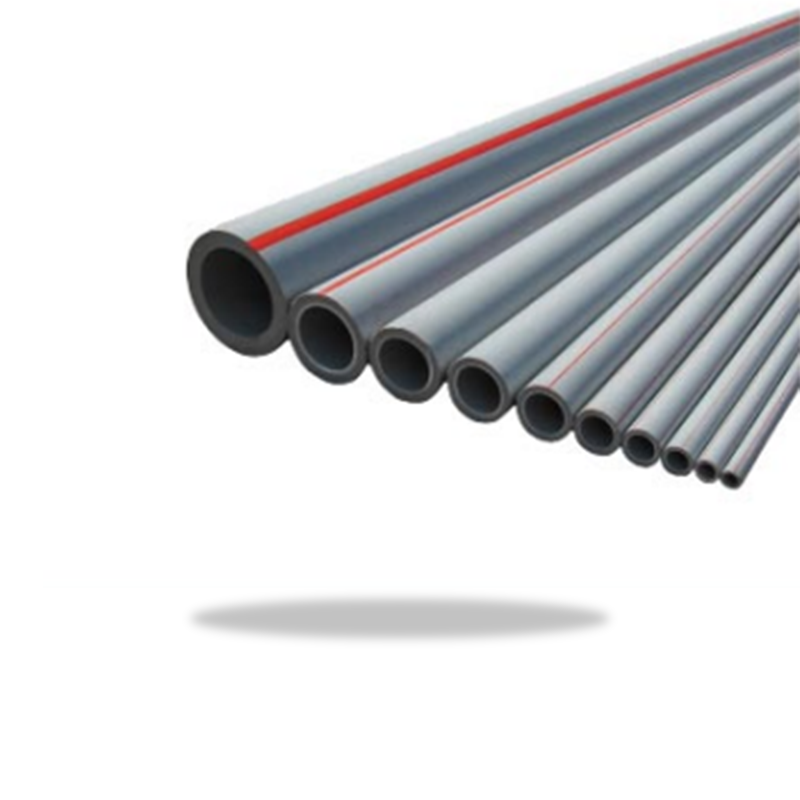
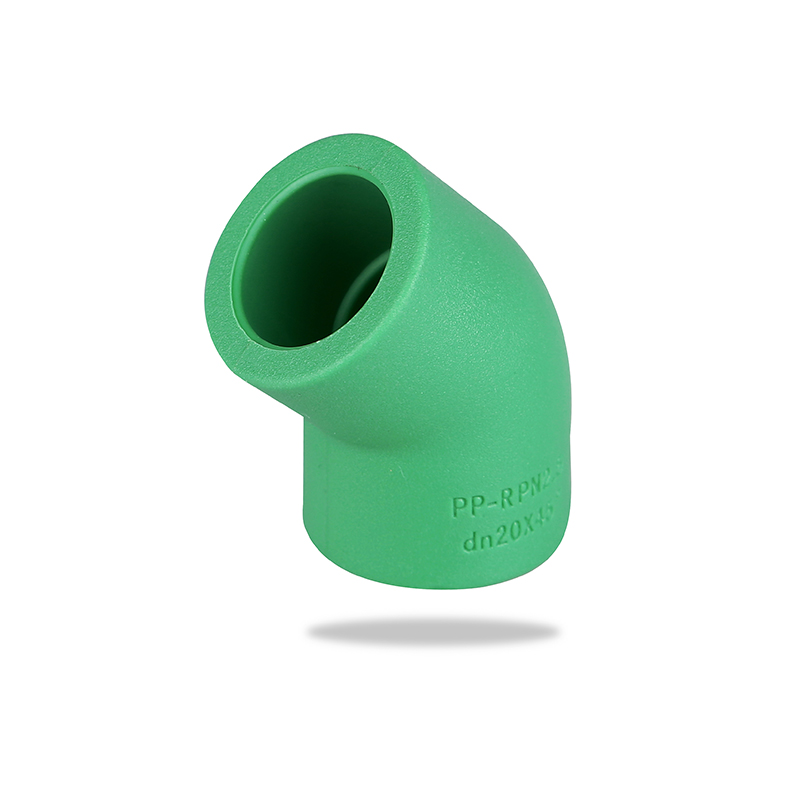
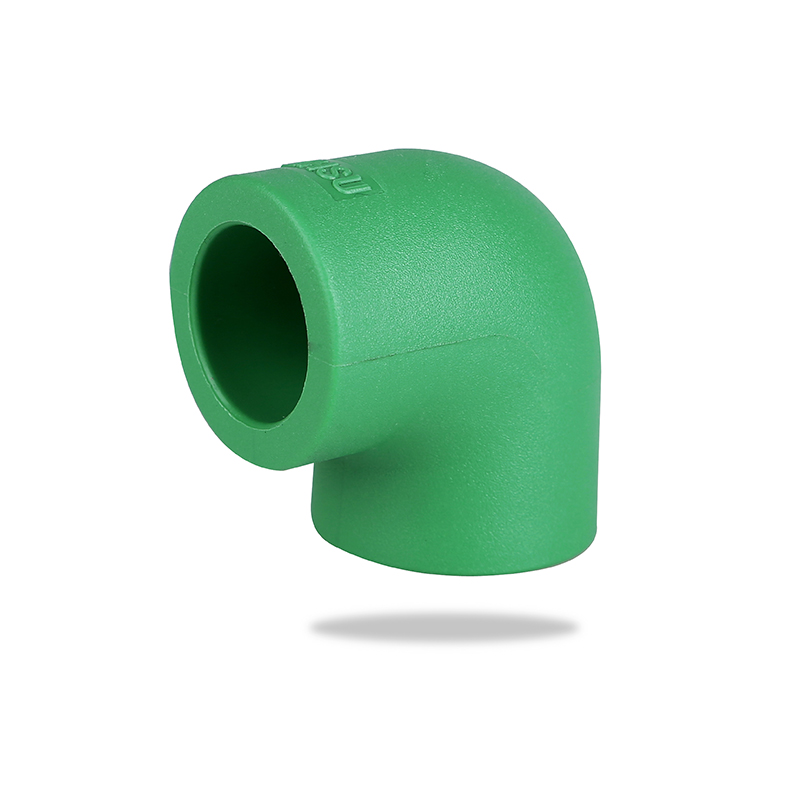
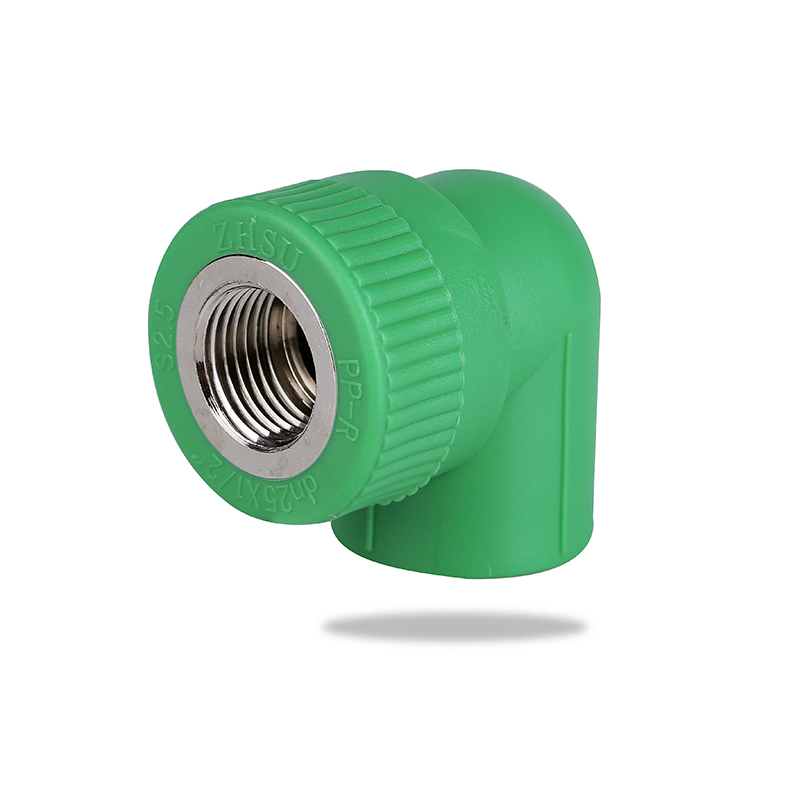
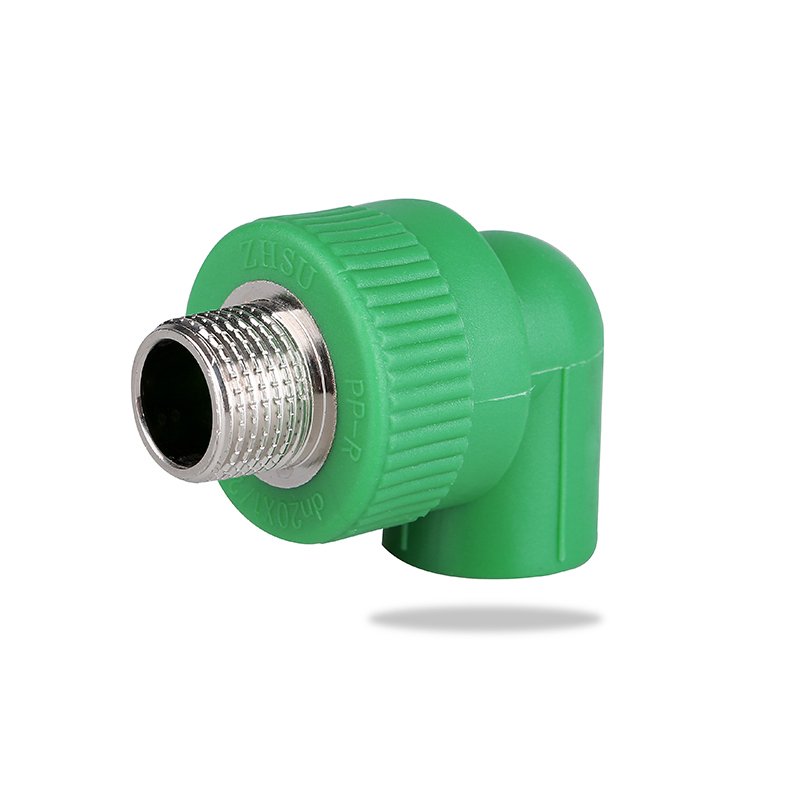
PPR pipe is commonly produced in green, white or gray, and manufacturers can supply custom colors. Practice varies by country and by installer, which is why why PPR pipes are produced in different colors comes down to identification and local convention rather than one global rule. For building plumbing, PPR pipe for hot and cold potable water is a typical case where the pipe color, the label and the drawings should all agree.
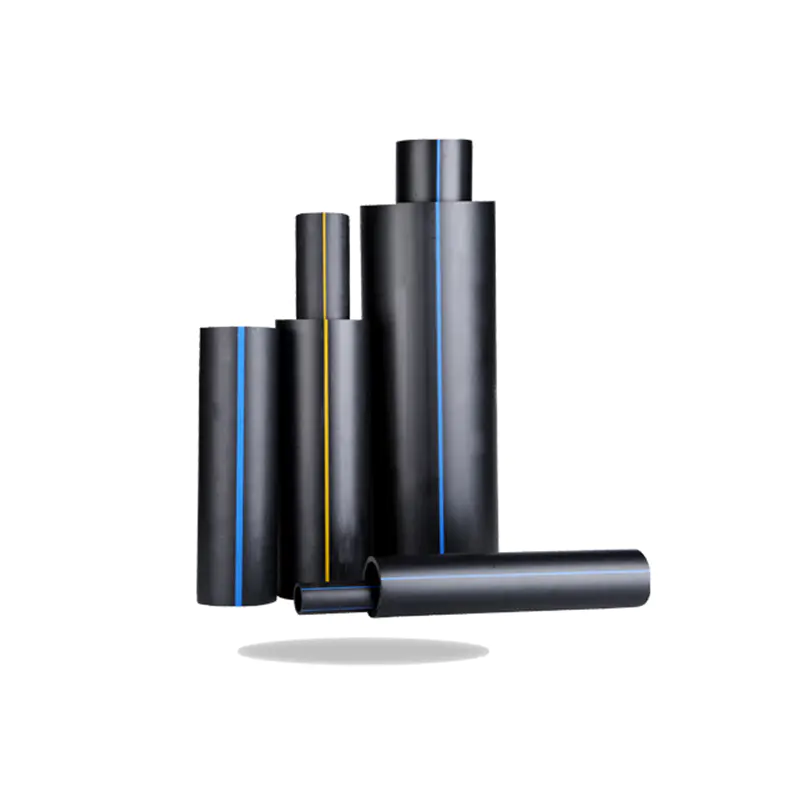
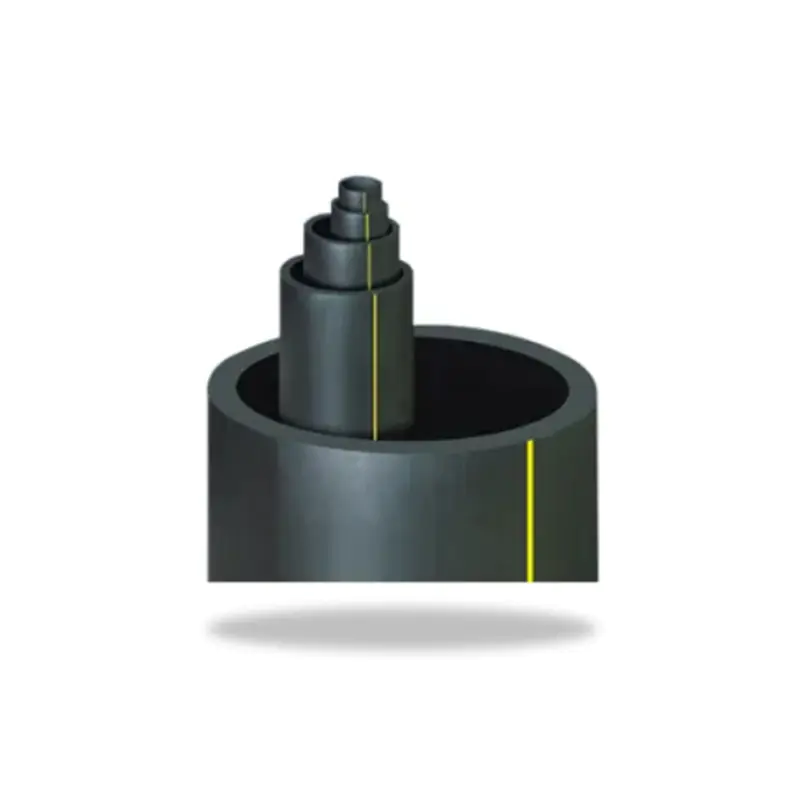
Polyethylene pipe has firmer rules. ISO 4427-2:2019 states that blue pipes, or black pipes with blue stripes, are intended for water for human consumption only. The same document notes that yellow and orange are reserved for gas applications, which fall under the ISO 4437 series. Pipes for pressure drainage and sewerage are black, or black with brown stripes.
| Pipe color | Intended service |
|---|---|
| Blue, or black with blue stripes | Water for human consumption |
| Black, or black with brown stripes | Drainage and sewerage under pressure |
| Yellow or orange | Gas only (ISO 4437 series) |
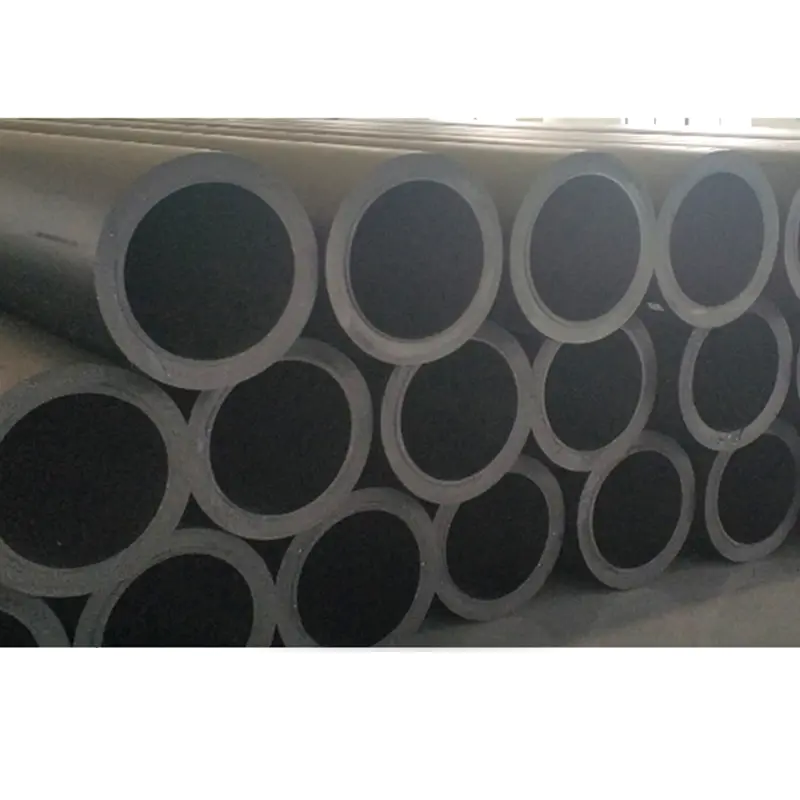
Some suppliers make black water pipe without stripes, such as HDPE pipe for municipal water supply. In that case the label and the project records carry the identification, so check what your specification requires before ordering.
Marking Buried Pipe: Where APWA Colors Apply
Once a pipe goes underground, A13.1 stops applying and a different set of colors takes over. The American Public Works Association publishes the Uniform Color Code used to mark buried utilities before excavation.
According to the APWA guide to uniform temporary marking of underground facilities, the code assigns colors as follows:
- Red for electric power lines and lighting cables
- Yellow for gas, oil, steam and petroleum
- Orange for communication, alarm and signal lines
- Blue for potable water
- Green for sewers and drain lines
- Purple for reclaimed water, irrigation and slurry lines
- White for proposed excavation, and pink for temporary survey marks
These colors are for temporary surface marks such as paint, flags and stakes, not for the pipe body. Even so, the same logic shows up in the stripe colors on plastic pipe, which is why a blue stripe on a water main and a yellow one on a gas line feel familiar to locators. A buried line such as HDPE pipe for underground natural gas systems relies on both layers: the identification color on the pipe and the surface marks placed above it before anyone digs.
Mistakes That Undermine a Color Code
Most marking failures are not about choosing the wrong color. They come from how the system is maintained afterward.
- Relying on color alone. Some workers cannot tell certain colors apart, so every label needs written contents and a flow arrow.
- Leaving labels unchanged after a line is rerouted or repurposed. A "Potable Water" label on a pipe that now carries process fluid is a hazard.
- Applying the wrong standard for the jurisdiction. Local emergency responders are trained on their own regional scheme.
- Using undersized labels on large-diameter pipe, or skipping labels at wall penetrations and valves.
- Treating pipe body color as a substitute for a legend, especially on plastic systems where color conventions differ between suppliers.
A short written marking specification prevents most of these. It should name the governing standard, list the color for every service in the facility, define label format and spacing, and assign responsibility for upkeep. Add label review to every management-of-change process and to annual safety inspections, so the marking stays true as the piping changes.

 Email:
 Telephone:+86-21-57461561
 Phone:+86-18721379989


