


 简体中文
简体中文 English
 русский
 Español
 Français
 عربى
عربى Português
 日本語
日本語 italiano
 Nederlands
 Polskie
Content
- 1 Not Every Pipe Handles Both Hot and Cold Water
- 2 Comparing the Main Hot-and-Cold Water Pipe Materials
- 3 Temperature and Pressure Ratings: What Actually Matters
- 4 Installation Method and Long-Term Reliability
- 5 Choosing for Residential vs Commercial Hot Water Systems
- 6 Practical Checklist Before You Specify a Pipe
Not Every Pipe Handles Both Hot and Cold Water
A surprising number of plumbing callbacks trace back to a single mistake: installing a cold-water-only pipe on a hot water line. PVC is the classic example — it's inexpensive, easy to install, and completely wrong for hot water, since sustained heat causes it to soften and warp at the joints over time.
Before comparing brands or price points, narrow the field to materials actually certified for both applications. That shortlist is shorter than most buyers expect: PPR (including PP-RCT), PEX, CPVC, and copper cover nearly every hot-and-cold plumbing scenario in residential and commercial buildings. Everything else on a hardware store shelf is either cold-only or reserved for drainage and gas lines.
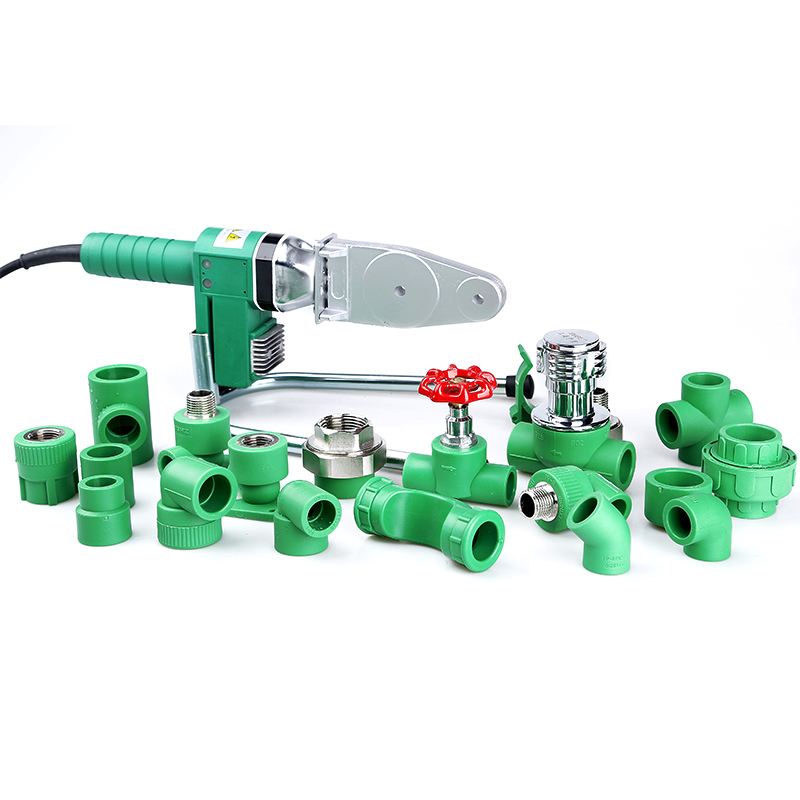
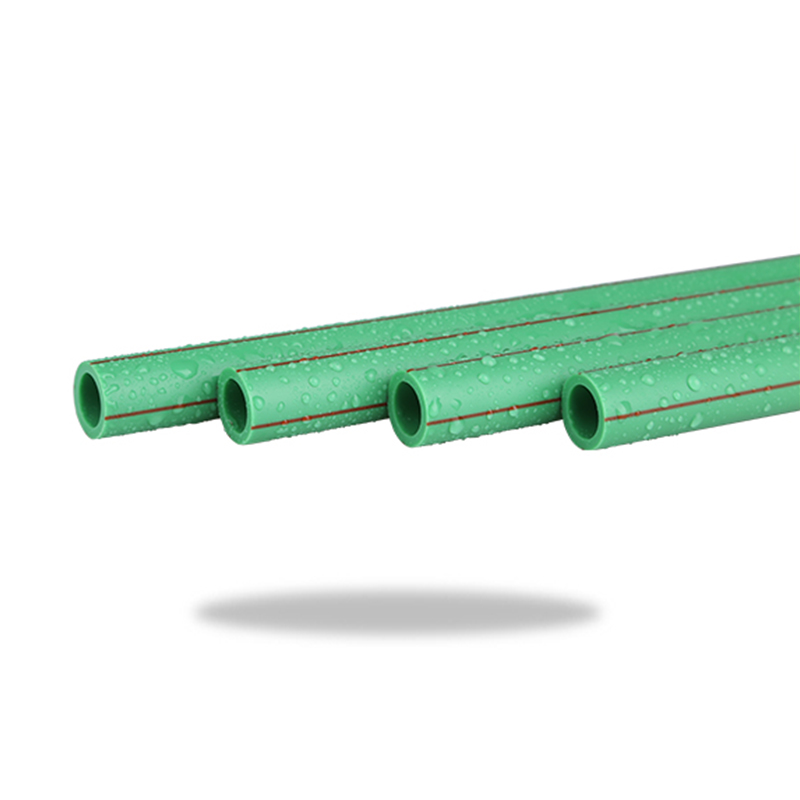
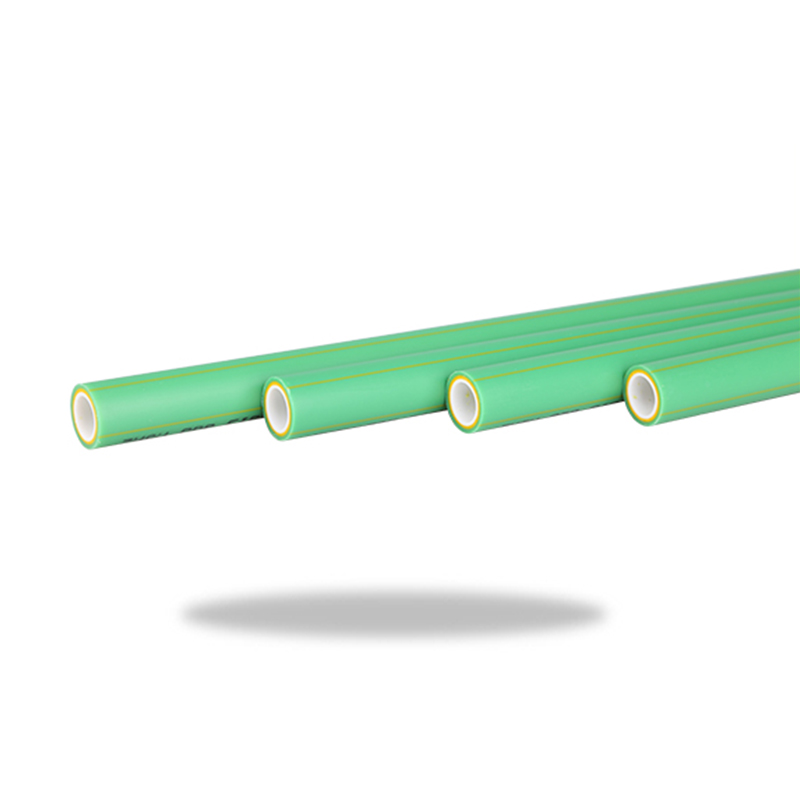
The full PPR pipe product range sits inside that shortlist, and it's worth understanding why before deciding what to specify for a project.
Comparing the Main Hot-and-Cold Water Pipe Materials
Each of the four qualifying materials solves the hot-and-cold problem differently, and the right choice usually comes down to temperature ceiling, joint reliability, and total installed cost rather than the sticker price of the pipe itself.
| Material | Typical Max Temp | Joining Method | Relative Cost |
|---|---|---|---|
| PPR / PP-RCT | 70°C continuous | Heat fusion (welded joint) | Low-moderate |
| PEX | 82°C continuous | Crimp or push-to-connect | Moderate |
| CPVC | 82°C continuous | Solvent cement | Moderate |
| Copper | Well above 100°C | Soldering or brazing | High |
Copper still sets the ceiling for raw heat tolerance, but that headroom rarely matters in domestic or commercial plumbing, where supply temperatures stay well under 70°C. For most buildings, the more relevant question is which of the lower-cost options creates the most reliable joint over decades of thermal cycling — and that's where fusion-welded PPR has an advantage over mechanically crimped or solvent-glued alternatives, since a heat-fused joint becomes structurally part of the pipe rather than a separate connection point.
Temperature and Pressure Ratings: What Actually Matters
A manufacturer's stated temperature rating and the pipe's real-world performance aren't always the same number. Continuous operating temperature — the figure that matters for a domestic hot water loop running for decades — is lower than the pipe's short-term or peak tolerance, and specifying based on the wrong one is a common design error.
Pressure rating interacts with temperature too: a pipe's SDR (Standard Dimension Ratio) determines how much pressure it can hold at a given temperature, and that pressure ceiling drops as water gets hotter. A pipe that easily handles 70°C at low pressure may need a thicker wall to hold the same rating at higher system pressure. For a full breakdown of how these figures interact for PPR systems specifically, see this PPR pipe temperature range and SDR selection guide. Industry-level certification standards for materials used in hot and cold water distribution are also documented by the Plastics Pipe Institute's plumbing distribution guidance.
Installation Method and Long-Term Reliability
The joining method affects long-term reliability as much as the pipe material itself. A weak link at the joint fails the whole system regardless of how good the pipe wall is.
- Heat fusion (PPR/PP-RCT): the pipe and fitting melt together into a single homogeneous piece — no gaskets, glue, or crimp rings to degrade over time
- Crimp or push-fit (PEX): fast to install but relies on a mechanical seal that can loosen under repeated thermal expansion and contraction
- Solvent cement (CPVC): chemically bonds the joint, but the bond quality depends heavily on installer technique and cure time
- Soldering (copper): reliable when done correctly, but requires open flame and skilled labor, adding cost and fire risk during installation
For PPR pipe rated for potable water distribution, the fused joint is often cited as the main reason for choosing it over crimped alternatives on projects where decades of leak-free service matter more than initial installation speed.
Choosing for Residential vs Commercial Hot Water Systems
A single-family home and a hotel's centralized hot water loop put very different demands on the same pipe material, even when both technically qualify as "hot and cold water" applications.
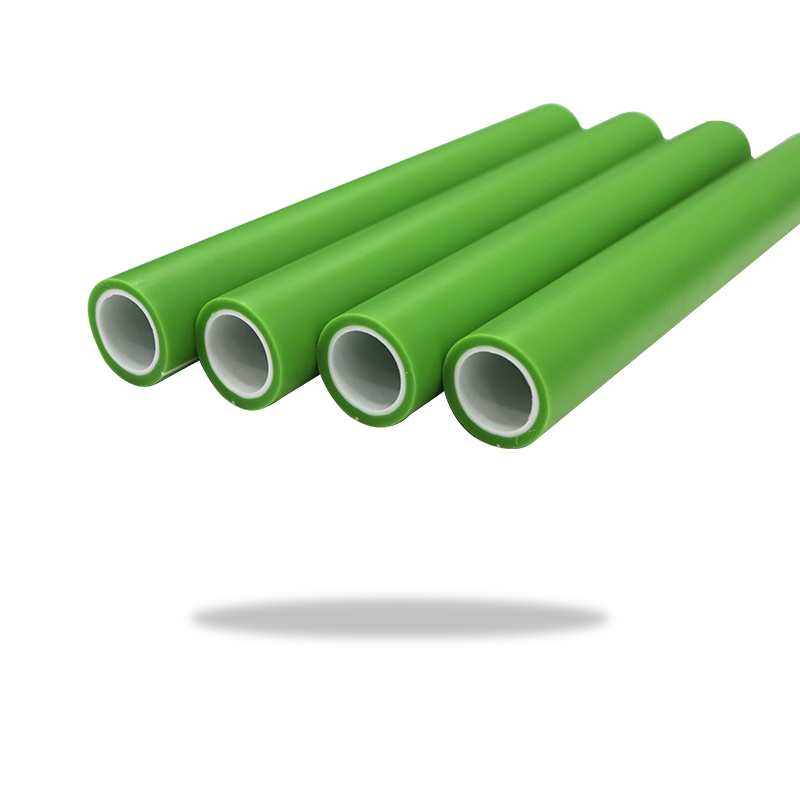
Residential systems typically run shorter pipe runs at moderate, stable temperatures, which puts less emphasis on high-temperature headroom and more on installation cost and speed. Commercial systems — hotels, hospitals, schools — often run longer loops with recirculation, higher duty cycles, and stricter hygiene requirements. In those settings, PP-RCT pipe built for higher-temperature performance is frequently specified over standard PPR because of its improved thermal stability under continuous high-duty operation. Where microbial control is a priority, such as drinking water systems in hospitals or schools, antibacterial PPR pipe adds an additional layer of protection without changing the installation process.
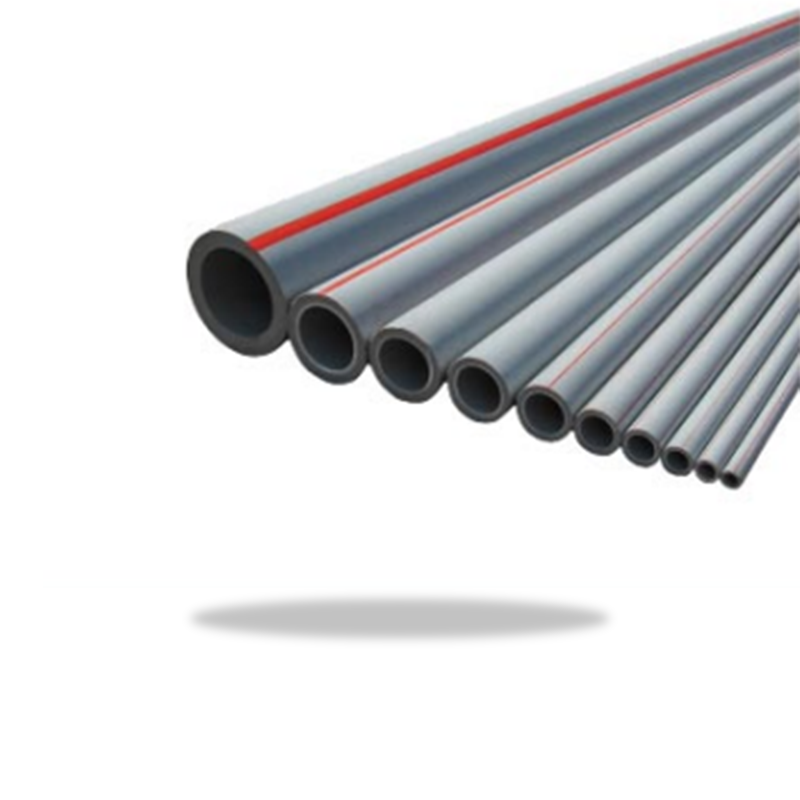
Practical Checklist Before You Specify a Pipe
Getting the material decision right up front avoids far more expensive corrections after installation. Before finalizing a spec, confirm the following:
- Peak and continuous operating temperature the system will actually reach
- Required pressure rating at that operating temperature, not just at room temperature
- Whether the installation crew is equipped and trained for the joining method (fusion welding, crimping, soldering)
- Local plumbing code requirements for the material and application
- Whether pipes are clearly and correctly labeled to distinguish hot and cold lines during and after installation
That last point is easy to overlook but causes real problems during maintenance years later. A clear labeling system prevents the kind of mix-ups that lead to scalding incidents or misdiagnosed repairs — this guide to piping label standards for PPR and HDPE systems covers how to set that up correctly from the start.

 Email:
 Telephone:+86-21-57461561
 Phone:+86-18721379989


