


 简体中文
简体中文 English
 русский
 Español
 Français
 عربى
عربى Português
 日本語
日本語 italiano
 Nederlands
 Polskie
Content
- 1 What Is Gas Line Pipe Material and Why It Matters
- 2 Common Gas Line Pipe Materials: A Comparison
- 3 Why HDPE Is the Preferred Gas Line Pipe Material Today
- 4 PPR Plumbing Fittings: The Right Choice for Indoor Water Systems
- 5 How to Choose Between Gas Line Pipe Materials and PPR Fittings
- 6 ZHSU: A Trusted Manufacturer of Gas Line and PPR Piping Solutions
What Is Gas Line Pipe Material and Why It Matters
Selecting the right gas line pipe material is one of the most consequential decisions in any construction or infrastructure project. The pipe material determines how safely and reliably a gas distribution system will perform over its entire service life — which, for properly specified systems, can span 50 years or more.
Gas line pipes must meet a different and more demanding set of criteria than water supply pipes. They must maintain a perfect seal against leakage under continuous operating pressure, resist degradation from soil chemicals and moisture when buried underground, and remain structurally stable across wide temperature ranges. A material failure in a gas line is not merely a maintenance issue — it is a safety hazard.
At the same time, modern buildings require efficient plumbing systems for hot and cold water delivery, where different materials and fittings — particularly PPR plumbing fittings — have become the global standard. Understanding both gas line pipe materials and PPR fitting systems allows engineers, contractors, and procurement teams to make the most informed decisions for each application.
Common Gas Line Pipe Materials: A Comparison
Several pipe materials are used in gas distribution systems worldwide. Each has distinct mechanical properties, installation requirements, and long-term performance characteristics. The four most widely specified materials are black steel pipe, corrugated stainless steel tubing (CSST), copper, and high-density polyethylene (HDPE).
Black Steel Pipe
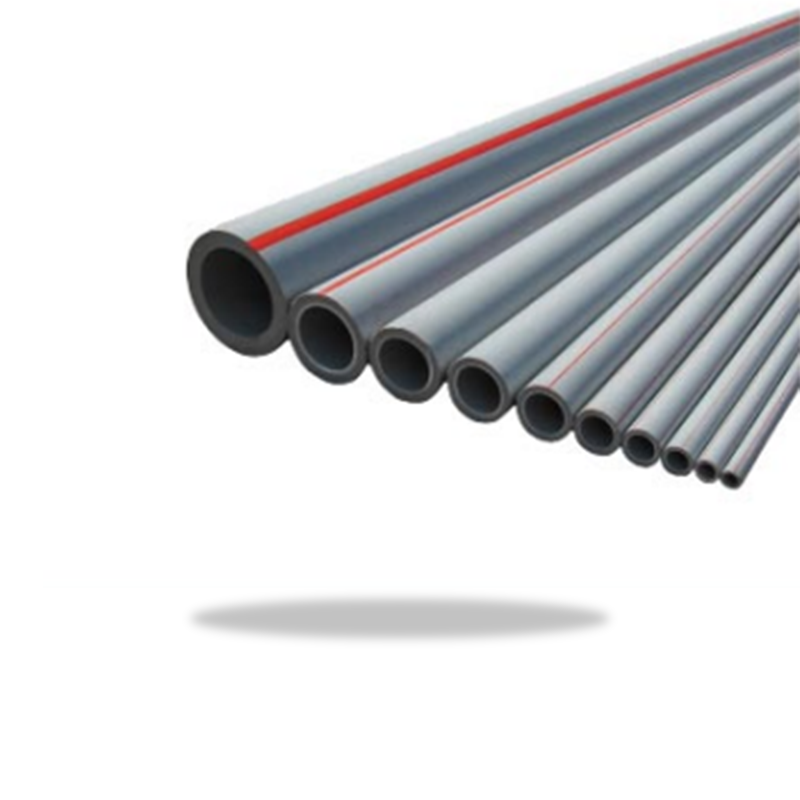
Black steel pipe has historically been the dominant choice for residential and commercial gas supply lines. It offers high pressure tolerance and mechanical strength, and its rigid structure makes it well-suited to above-ground interior installations. However, black steel corrodes when exposed to moisture and soil, making it unsuitable for direct burial without protective coatings. Installation requires threading, welding, or flanging — all of which demand skilled labor and add to project timelines.
Corrugated Stainless Steel Tubing (CSST)
CSST is a flexible alternative to rigid steel pipe, designed for faster installation in residential buildings. Its flexibility allows routing around obstacles without multiple fittings. The main limitation is its susceptibility to arc damage from lightning strikes, which requires bonding and grounding per code in many jurisdictions. CSST is primarily an interior, above-grade material.
Copper Pipe
Copper is approved for gas service in many regions, particularly in Europe. It is corrosion-resistant in most soil types and can be used underground with appropriate fittings. However, copper reacts with certain gases containing hydrogen sulfide, limiting its application in some natural gas formulations. Higher material cost compared to HDPE and steel also affects its competitiveness in large-scale projects.
HDPE Pipe
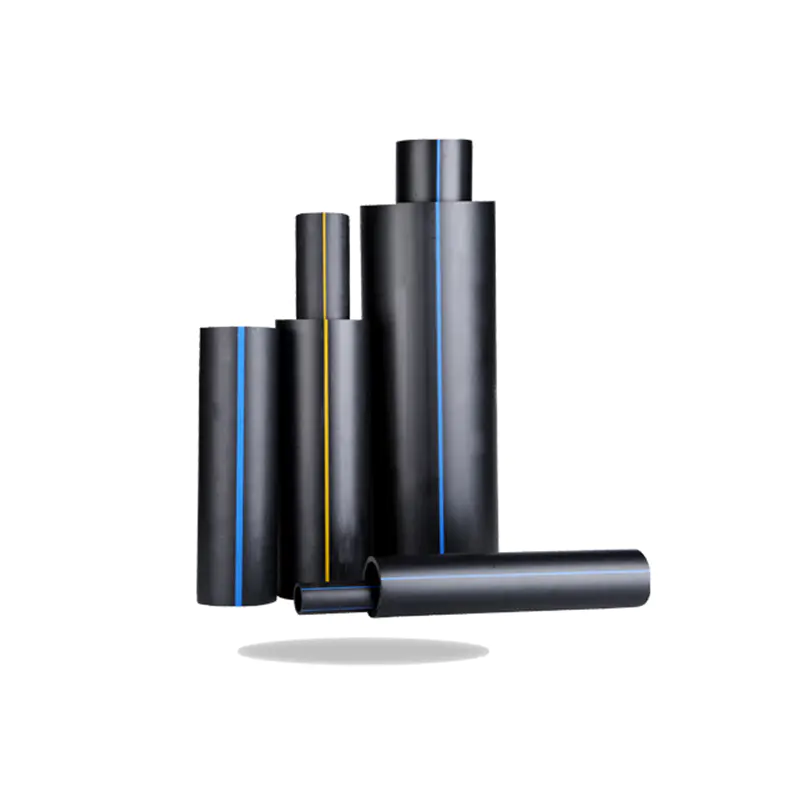
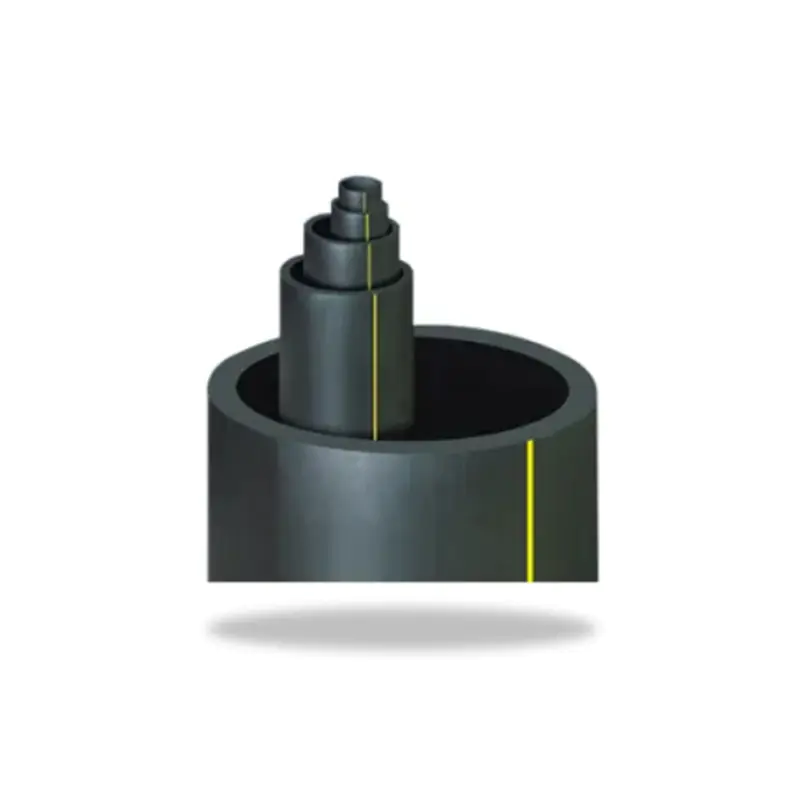
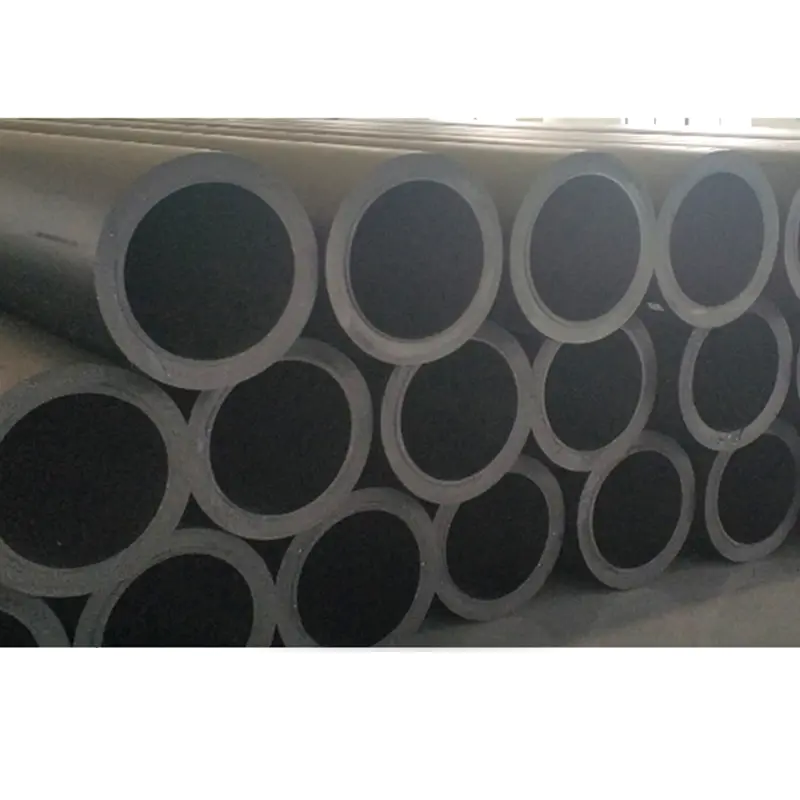
HDPE gas pipe has become the preferred material for underground gas distribution networks globally. Its combination of flexibility, corrosion immunity, chemical resistance, and long service life — typically rated at 50 years or more — makes it the most cost-effective solution for buried gas lines at both municipal and industrial scale.
| Material | Suitable for Burial | Corrosion Resistance | Typical Service Life | Installation Method |
|---|---|---|---|---|
| Black Steel | With coating only | Low (bare) | 20–30 years | Threading / Welding |
| CSST | No | Medium | 20–30 years | Compression fittings |
| Copper | Yes (with sleeve) | High | 40–50 years | Soldering / Press-fit |
| HDPE | Yes | Excellent | 50+ years | Butt fusion / Electrofusion |
Why HDPE Is the Preferred Gas Line Pipe Material Today
High-density polyethylene has displaced steel as the standard gas line pipe material for underground distribution networks in most parts of the world. This shift is driven by four core advantages that no other material replicates at the same cost level.
Complete Corrosion Immunity
Unlike steel or copper, HDPE does not corrode, rust, or react with the soil chemistry of the installation environment. This eliminates the single most common failure mode in buried gas infrastructure — slow corrosion leading to pinhole leaks — and removes the need for cathodic protection systems or protective pipe coatings, which add significant cost and maintenance complexity to steel installations.
Leak-Free Fusion Joints
HDPE pipe is joined by butt fusion or electrofusion welding, creating joints that are as strong as or stronger than the pipe wall itself. There are no mechanical connectors, rubber gaskets, or threaded couplings that can degrade over time. In gas applications, where joint integrity is critical, this monolithic connection system provides a substantial safety advantage over mechanical jointing methods.
Flexibility and Seismic Performance
HDPE's flexibility allows it to accommodate ground movement, settlement, and seismic activity without fracturing. In earthquake-prone regions, HDPE underground gas networks have consistently outperformed rigid steel systems. The material's elongation at break — typically exceeding 600% — means it can deform considerably under stress without rupturing.
Broad Application Range
Beyond natural gas, HDPE pipe performs reliably across a wide range of infrastructure applications: municipal water supply and drainage, sewage systems, underground drainage, rural drinking water networks, and even specialized applications such as nuclear power plant cooling circuits and methane drainage in coal mines. This versatility makes HDPE a strategic long-term material investment for infrastructure developers.
PPR Plumbing Fittings: The Right Choice for Indoor Water Systems
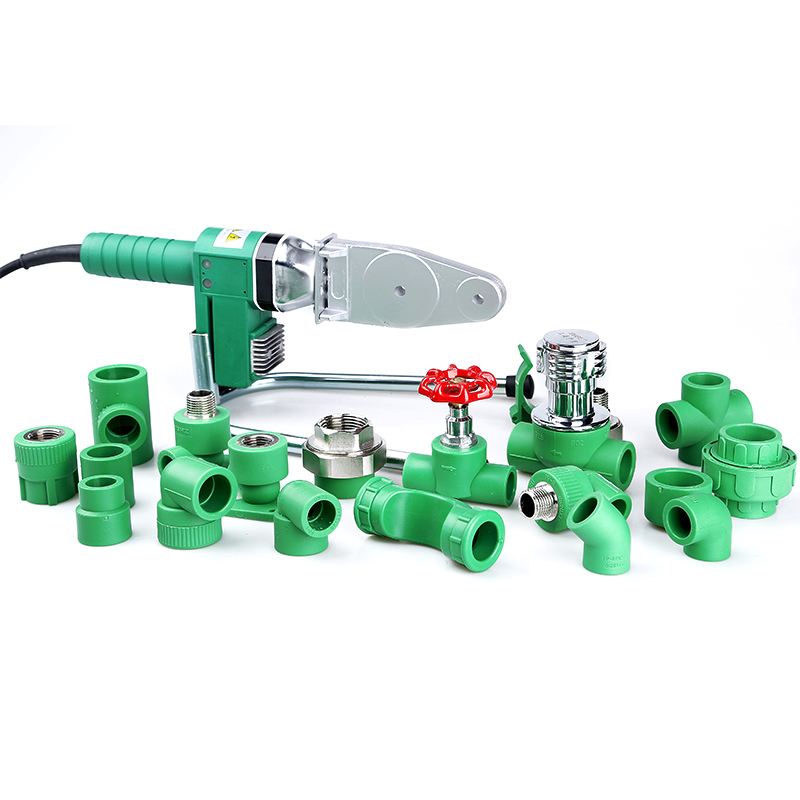
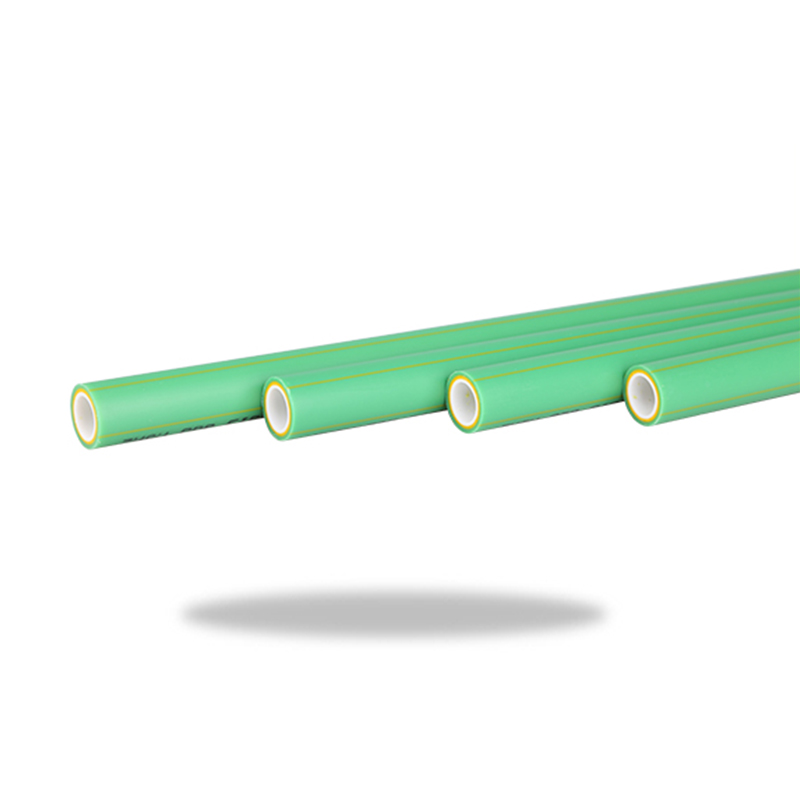
While HDPE dominates underground gas and water transmission, PPR plumbing fittings and PPR pipes are the dominant solution for indoor hot and cold water distribution in residential, commercial, and industrial buildings.
PPR — polypropylene random copolymer — is a thermoplastic material that combines chemical inertness, long-term pressure resistance, and low thermal conductivity in a single, lightweight system. Like HDPE, PPR pipes and fittings are joined by heat fusion, producing permanent, chemical-free connections that remain leak-free for the full service life of the system.
Key Performance Characteristics of PPR Fittings
- Temperature range: Standard PPR fittings rated to PN20 operate reliably at continuous temperatures up to 70°C, making them suitable for both cold water supply and hot water distribution.
- Pressure rating: PPR fittings are available in PN10, PN16, PN20, and PN25 pressure classes. At 20°C, PN20 fittings sustain pressures up to 20 bar — sufficient for all residential and most commercial applications.
- Chemical safety: PPR is non-toxic and does not leach substances into drinking water. It meets potable water contact requirements under NSF/ANSI 61, ISO 15874, and EN 15874 standards.
- Thermal insulation: PPR has a thermal conductivity approximately 200 times lower than copper, reducing heat loss in hot water lines and minimizing condensation on cold water pipes.
- Service life: Properly installed PPR plumbing systems have a documented service life of 50+ years under normal operating conditions, outlasting most building renovation cycles.
Types of PPR Plumbing Fittings
A complete PPR plumbing system requires a range of fittings to route, branch, and terminate pipe runs. The core PPR fitting types include:
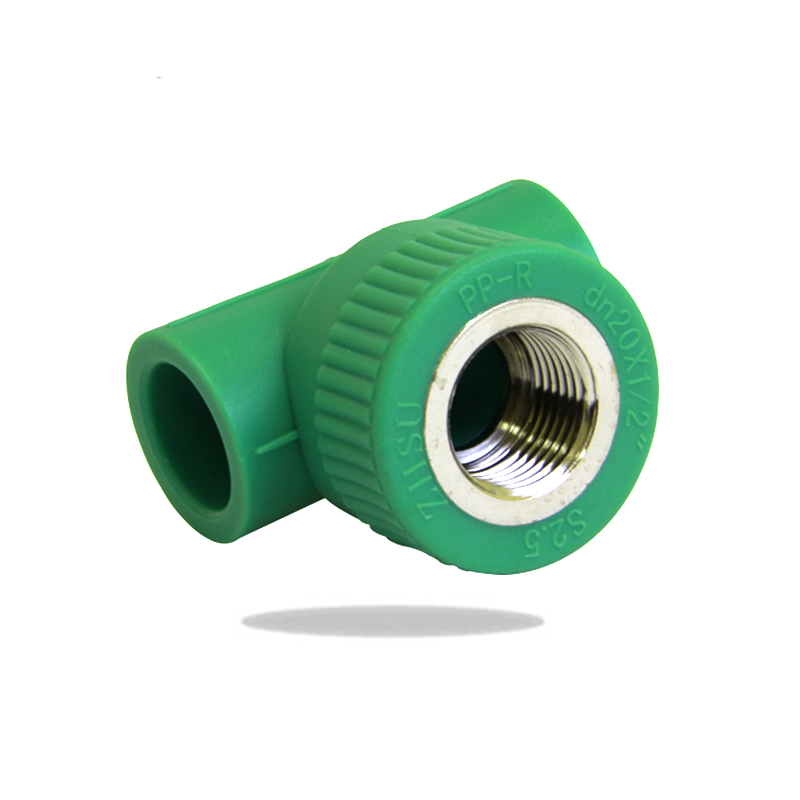
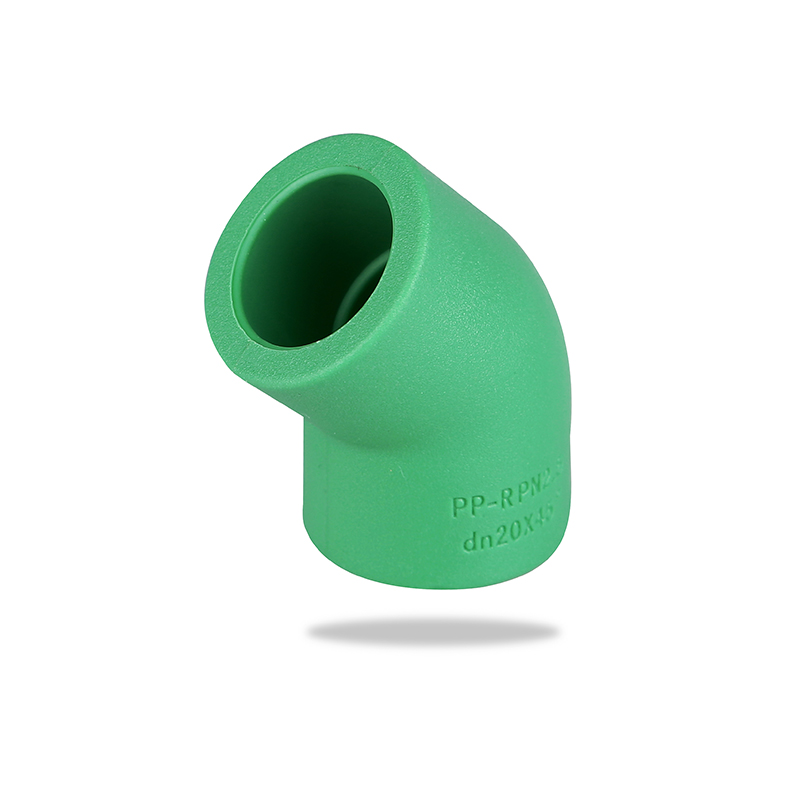
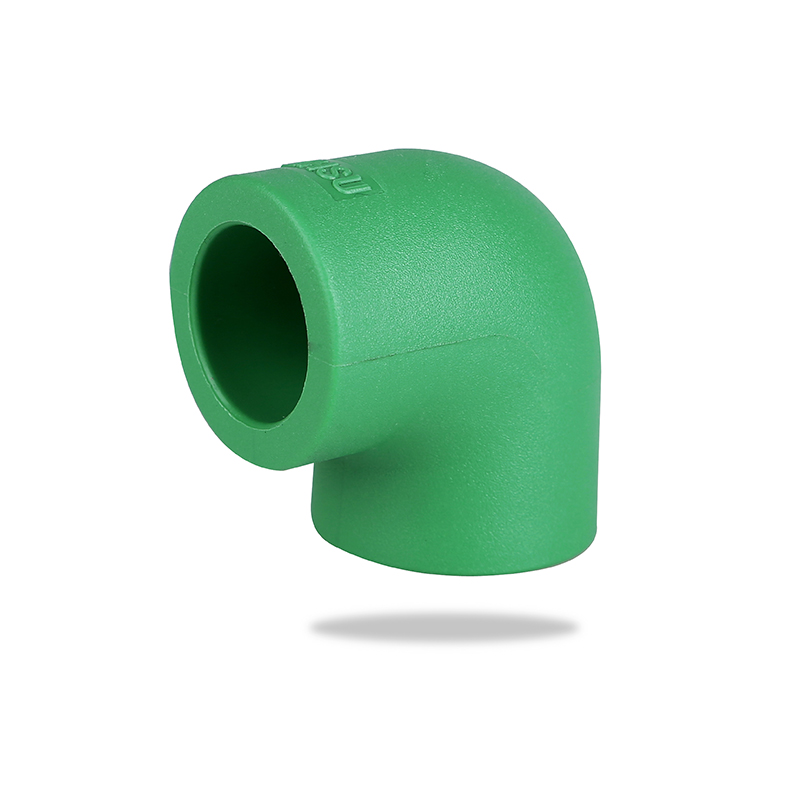
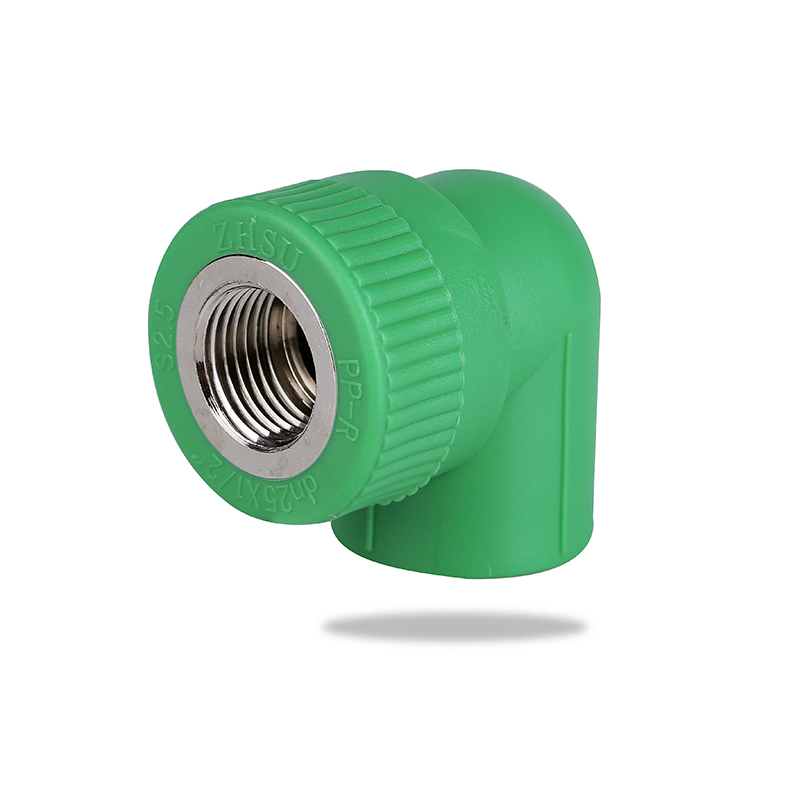
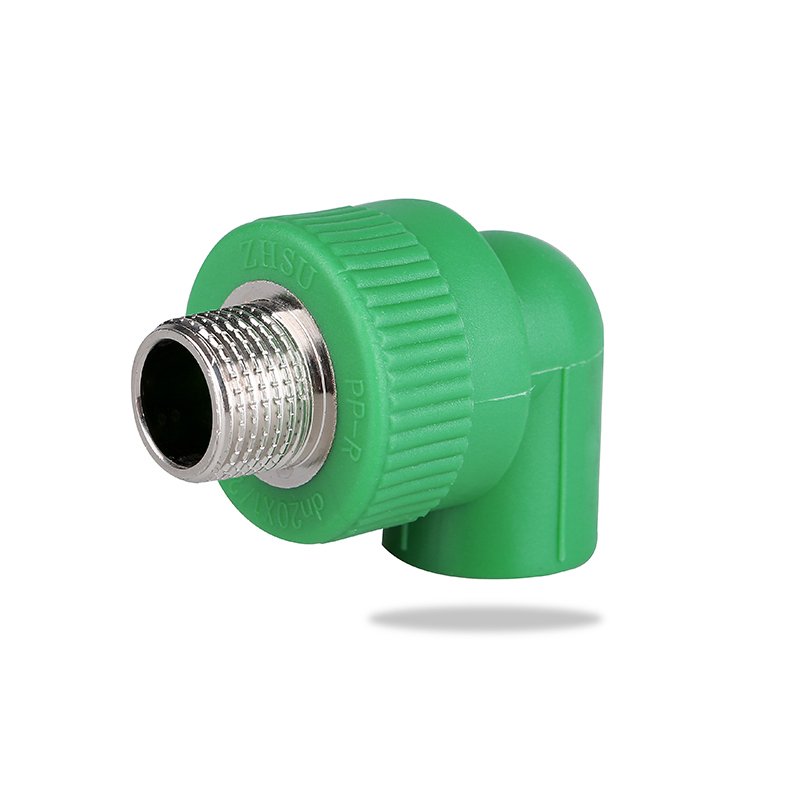
- PPR Elbows (45° and 90°): Used to change pipe direction at fixed angles. Available in plain socket and threaded variants for connecting to metal valves or fixtures.
- PPR Tees: Enable branching of the pipe run, diverting flow to a secondary circuit. Available in equal and reducing configurations depending on branch pipe size.
- PPR Couplings: Join two pipe segments in a straight line. Straight couplings connect pipes of the same diameter; reducing couplings accommodate diameter transitions.
- PPR Unions: The only disconnectable PPR fitting, unions allow future servicing of equipment without cutting pipe. Used near meters, boilers, and appliances.
- Threaded Adapters (Male and Female): Transition fittings that join PPR pipe to metal-threaded components such as valves, water meters, and fixture supply points.
For high-temperature applications — including district heating connections and commercial hot water systems — PP-RCT pipe offers a next-generation alternative with 50% greater pressure resistance at elevated temperatures compared to standard PPR, enabling continuous operation at up to 90°C.
How to Choose Between Gas Line Pipe Materials and PPR Fittings
The selection between gas line pipe material types and PPR plumbing components is not a matter of preference — it is determined by application requirements. The following criteria define the appropriate material for each use case.
Application Type
Gas distribution — whether natural gas, LPG, or biogas — requires pipe materials specifically certified for gas service. HDPE pipe meeting ISO 4437 or ASTM D2513 is the standard specification for underground gas lines. PPR pipe is not rated for gas service and should never be used in gas distribution applications.
For potable cold water, hot water supply, hydronic heating, and compressed air, PPR pipe and fittings meeting ISO 15874 or DIN 8077/8078 are the correct material selection.
Installation Environment
Underground installations in soil or beneath slabs favor HDPE for both gas and water applications due to its corrosion immunity and flexibility. Above-ground indoor installations — inside wall cavities, chases, and mechanical rooms — are the natural environment for PPR systems, where the material's smooth bore, low weight, and ease of heat fusion installation reduce labor time significantly.
Operating Temperature and Pressure
For cold water and low-pressure gas service, standard PN10 or PN16 rated pipe is typically sufficient. For hot water systems operating continuously above 60°C, PN20 or PN25 PPR — or PP-RCT for the most demanding conditions — provides the required safety margin. Always verify that the pressure rating of the selected material matches the system's maximum operating temperature, as pressure ratings decrease with rising temperature in thermoplastic pipe systems.
ZHSU: A Trusted Manufacturer of Gas Line and PPR Piping Solutions
Shanghai Zhongsu Pipe Co., Ltd. (ZHSU), established in 2004 with a registered capital of RMB 1.01 billion, is one of China's leading manufacturers of both HDPE gas pipe and PPR plumbing systems. Located in Jinshan District, Shanghai, the company operates from a production base spanning over 70,000 square meters and employs advanced German Battenfeld-cincinnati production lines to maintain consistent output quality.
ZHSU's product range covers the full spectrum of modern piping requirements:
- HDPE gas pipes for underground natural gas transmission and distribution, coal mine methane drainage, and oil and gas gathering systems
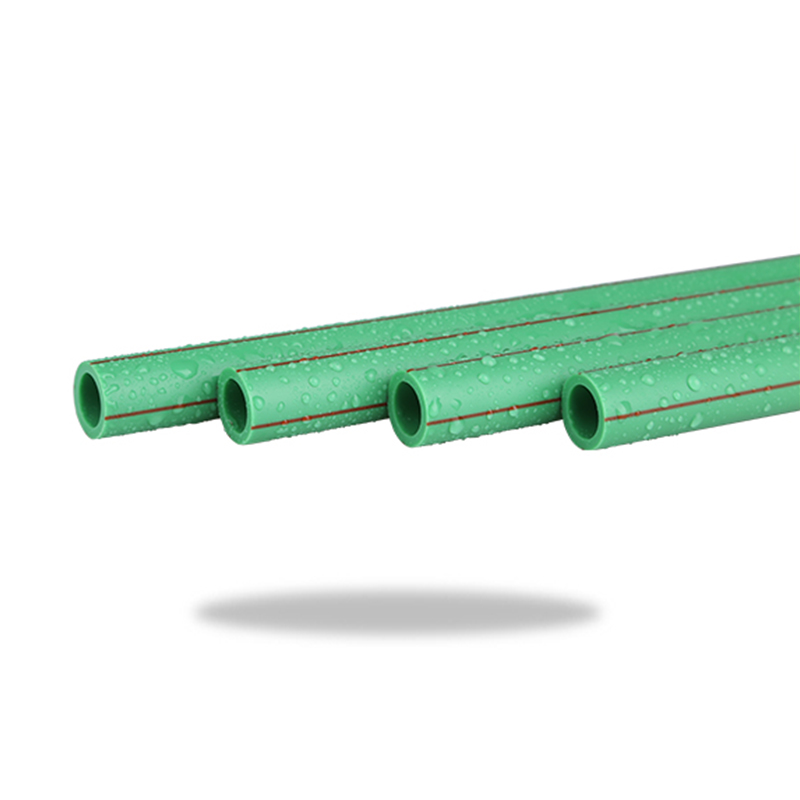
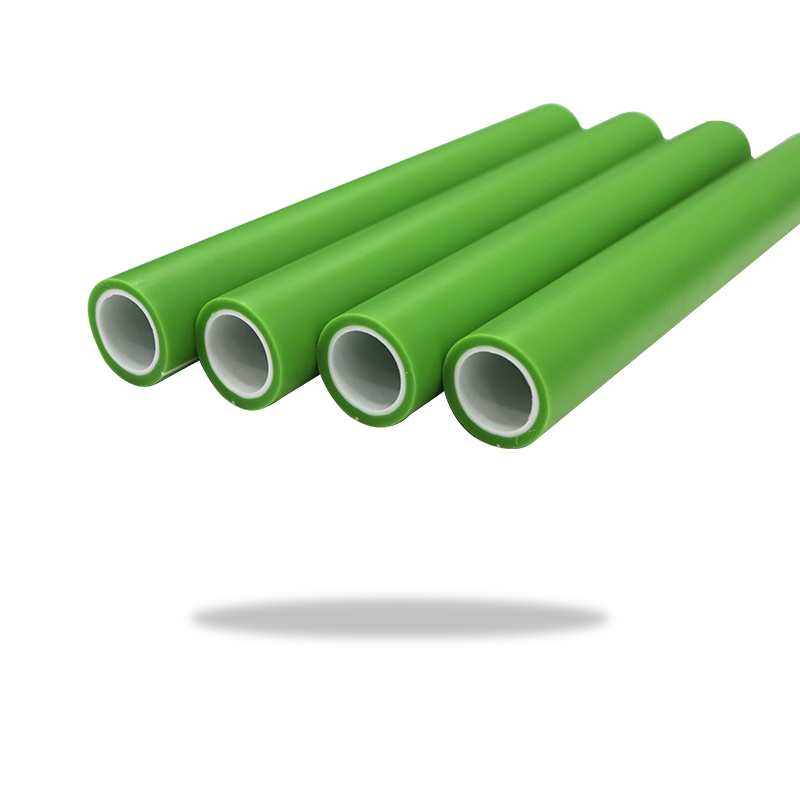
- PPR pipes and fittings for residential and commercial hot and cold water supply, including antibacterial and anti-UV variants
- PP-RCT pipes for high-temperature plumbing in commercial high-rise buildings and industrial facilities
- HDPE water pipes for municipal supply networks, with the capability to produce large-diameter pipe up to DN1200mm
All ZHSU products are manufactured under ISO 9001, ISO 14001, and OHSAS 18001 certified management systems. The company holds designations as a Shanghai Famous Brand Product, Shanghai High-Tech Enterprise, and Shanghai Famous Trademark. Raw materials are sourced exclusively from verified suppliers including Borealis and leading South Korean and Chinese resin producers, ensuring that every pipe and fitting leaving the facility meets food-contact and potable water safety requirements.
ZHSU's project references span multiple continents and sectors — from the Rooppur Nuclear Power Plant in Bangladesh to the Kuwait Natural Gas HDPE Pipes Project — demonstrating the company's capacity to deliver piping solutions for demanding, large-scale infrastructure applications. For procurement teams, engineers, and contractors seeking a reliable source of both gas line pipe material and PPR plumbing fittings from a single manufacturer, ZHSU provides competitive pricing, OEM and ODM capability, and professional technical support backed by two decades of production experience.

 Email:
 Telephone:+86-21-57461561
 Phone:+86-18721379989


