


 简体中文
简体中文 English
 русский
 Español
 Français
 عربى
عربى Português
 日本語
日本語 italiano
 Nederlands
 Polskie
In any piping system where temperature is a design variable — whether that is a residential hot water circuit, an underfloor heating loop, or a commercial HVAC installation — the choice of pipe material is not a secondary consideration. It is a foundational one. Two materials dominate the discussion in modern plumbing: PPR pipe (Polypropylene Random Copolymer) and PVC (Polyvinyl Chloride). They look similar on a specification sheet, but they perform very differently under thermal load. And when a 45-degree elbow enters the layout, the material choice becomes even more consequential.
Content
Why Temperature Control Starts with the Right Pipe Material
A pipe does not merely carry water. In a temperature-controlled system, it carries thermal energy, and the material surrounding that fluid must remain dimensionally stable, pressure-tight, and chemically inert across every degree of the operating range. When a material softens, warps, or degrades under heat, the consequences range from reduced flow efficiency to catastrophic joint failure.
PPR and PVC share a plastic-pipe category, but their molecular architecture diverges significantly. PPR is built from a random copolymer structure — ethylene monomers are introduced into the polypropylene chain in a non-sequential pattern, which disrupts crystallinity and produces a material with superior toughness and thermal performance. PVC, by contrast, is a rigid thermoplastic that achieves its structural properties partly through stabilizing additives, and it has a narrower thermal operating window.
For engineers specifying temperature-controlled systems, the critical question is not which material is cheaper per meter. It is which material maintains performance over the full service life of the installation under realistic operating conditions.
PPR Pipe Temperature Performance: What the Numbers Mean
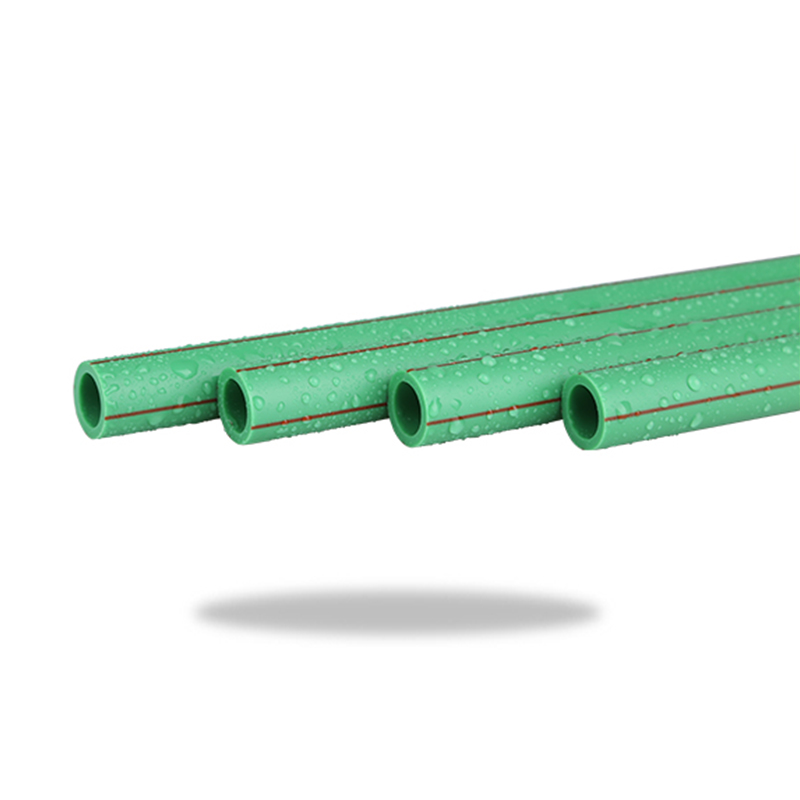
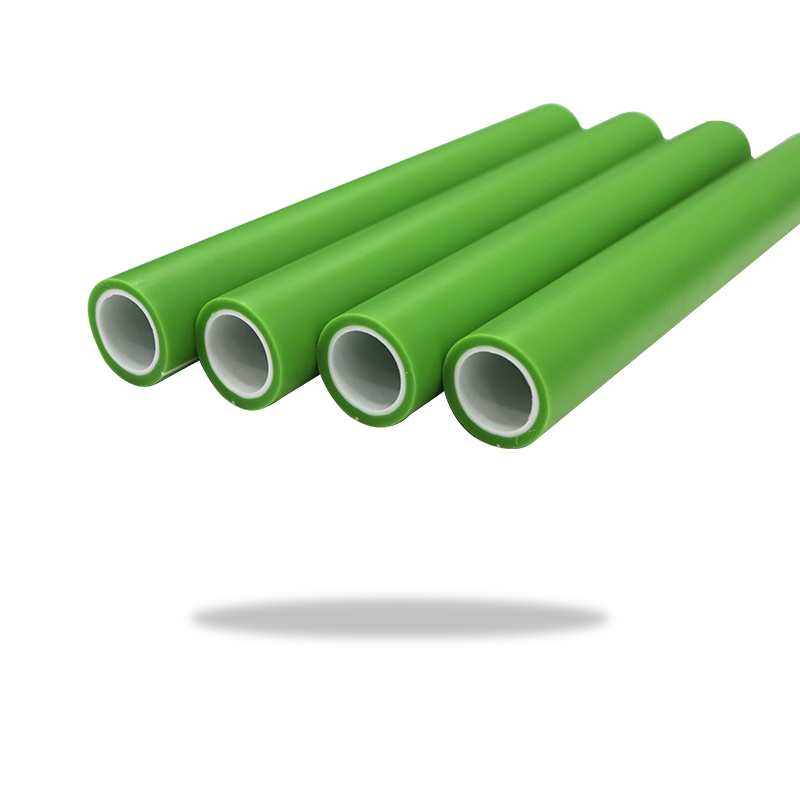
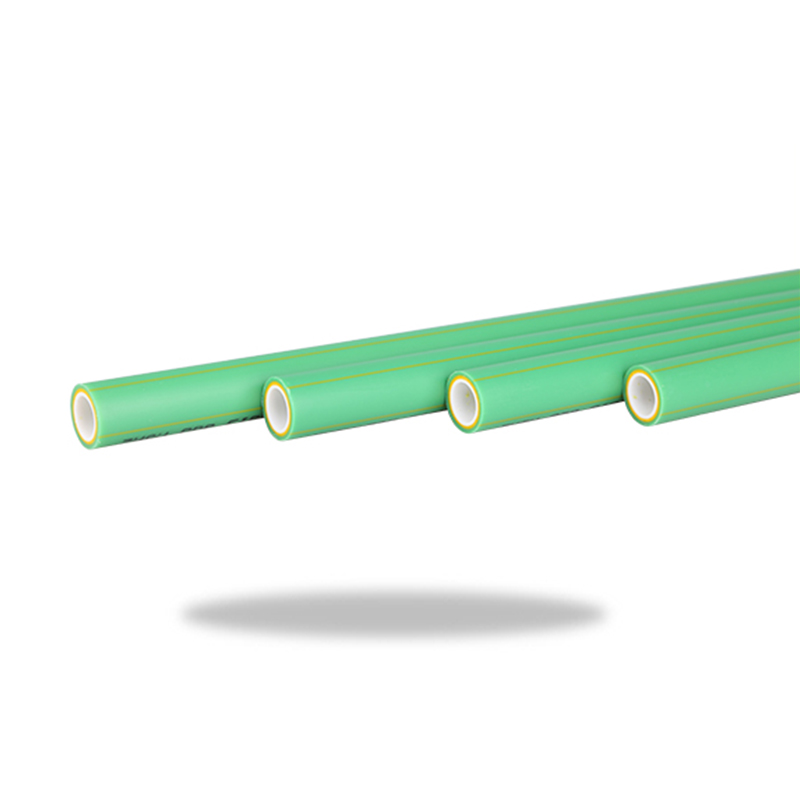
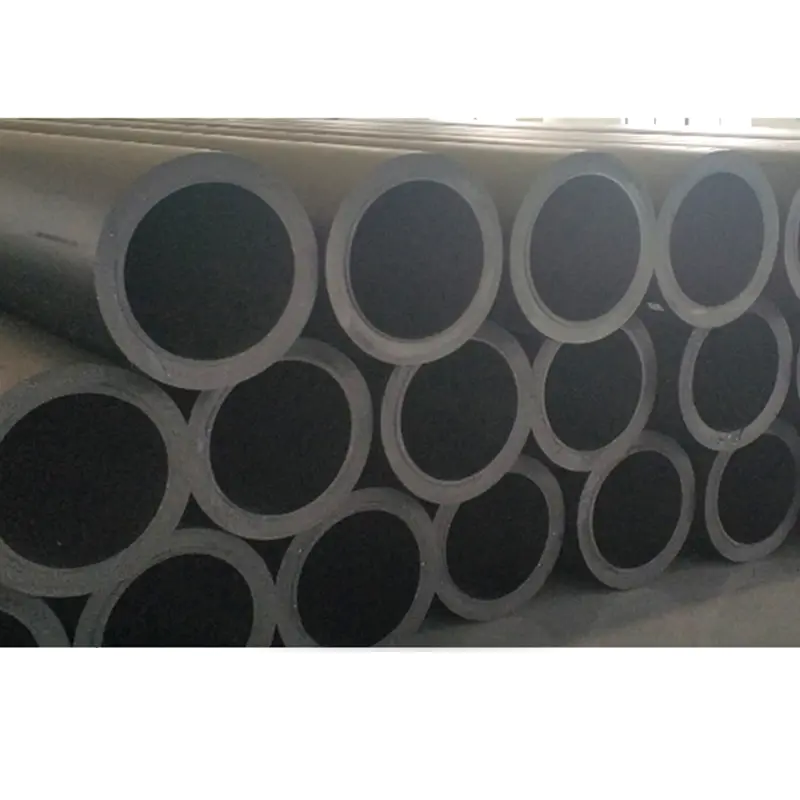
PPR pipe operates reliably across a working temperature range of –20°C to +95°C, with short-term peak resistance up to 110°C. This range covers virtually every application in residential and commercial hot and cold water distribution, underfloor heating, solar thermal secondary circuits, and HVAC hydronic systems. For a deeper look at the full property profile, see our detailed overview of the characteristics of PPR pipes.
Pressure rating in PPR is directly linked to temperature. The relationship is expressed through the PN (Pressure Nominal) classification system, and the wall thickness class (SDR ratio) determines the safe operating envelope at each temperature. The table below summarizes safe operating pressures for standard PPR PN20 pipe at different temperatures — a reference point that procurement teams and system designers should keep on hand:
| Operating Temperature | Safe Operating Pressure (PPR PN20) | Typical Application |
|---|---|---|
| 20°C | Up to 2.0 MPa (20 bar) | Cold water distribution |
| 60°C | Up to 1.0 MPa (10 bar) | Domestic hot water supply |
| 70°C | Up to 0.8 MPa (8 bar) | Underfloor heating, radiator circuits |
| 95°C | Up to 0.4 MPa (4 bar) | Solar thermal secondary loop |
The key insight here is that PPR does not fail at elevated temperatures — it simply operates at a reduced pressure ceiling. A system designer who accounts for this relationship in the specification phase can confidently deploy PPR across the full thermal range of a building services installation.
PPR also has a thermal conductivity of approximately 0.24 W/m·K — roughly 1/200th that of steel and about 1/300th that of copper. This low conductivity means the pipe itself acts as a passive thermal insulator, reducing heat loss in hot water distribution lines and preventing condensation on cold water circuits without additional insulation in moderate climates.
PVC Pipe and Temperature: Where It Falls Short
Standard PVC-U (unplasticized PVC) has a maximum recommended continuous service temperature of approximately 60°C, with some sources placing the practical ceiling lower for pressure-bearing applications. Schedule 40 PVC, widely used in North American installations, is rated to a maximum of 60°C (140°F) at full pressure. Beyond this threshold, the material begins to soften, and the long-term pressure resistance drops sharply.
This thermal ceiling creates a fundamental problem in mixed hot-cold or temperature-cycling systems. A PVC network designed for cold water service that is inadvertently exposed to hot water return flows — common in recirculation systems — faces accelerated aging at joints and fittings, increased risk of leakage, and potential deformation of pipes running in uninsulated zones near heat sources.
PVC also has a higher coefficient of thermal expansion than PPR in practical installation conditions, and its solvent-cemented joints are more sensitive to thermal stress than the heat-fusion joints used in PPR systems. In temperature-cycling environments — where the pipe alternately carries hot and cold water through the same circuit — PVC joints are a known weak point. CPVC (Chlorinated PVC) extends the usable temperature range to approximately 93°C, but it comes at a higher material cost and requires its own solvent cement system, reducing compatibility with standard PVC components.
For any system where fluid temperatures regularly exceed 60°C, or where temperature cycling is expected over the system's service life, PVC is not the appropriate base material. PPR is the technically sound alternative.
The 45-Degree Elbow Advantage in Thermal Systems
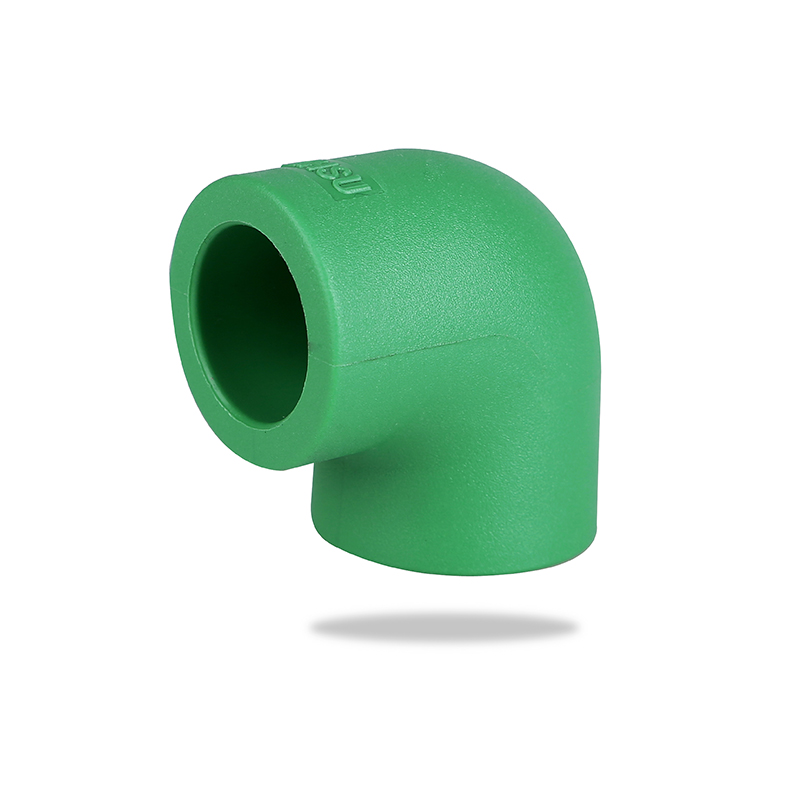
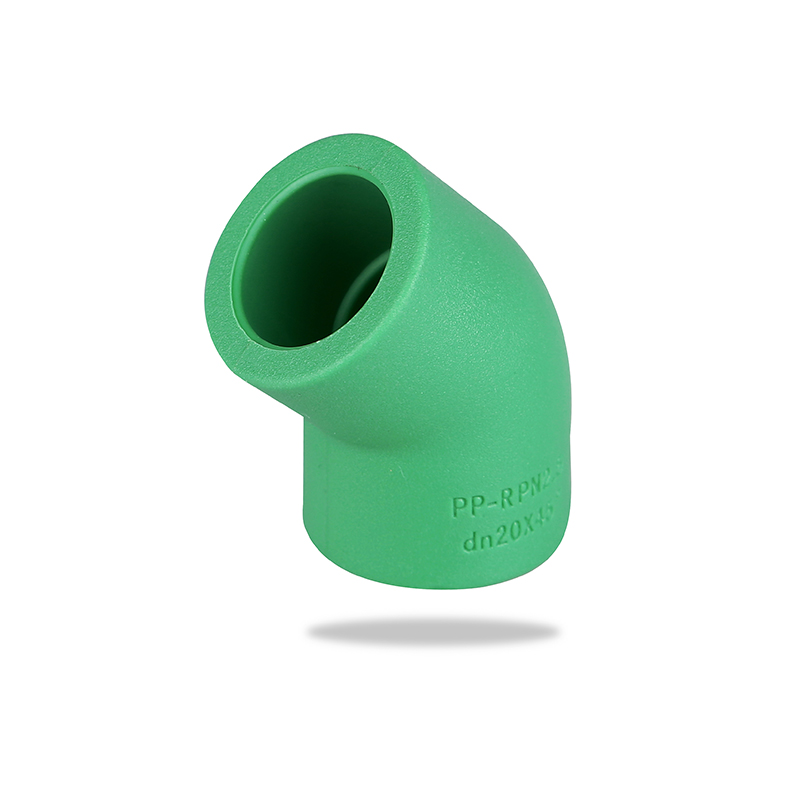
Direction changes in a piping layout are unavoidable. The question is how those changes are made. A PPR Elbow 45 Degree and a PPR Elbow 90 Degree both redirect flow, but they do so with very different hydraulic consequences.
A 45-degree elbow creates a gentler, more gradual change in flow direction. The fluid velocity profile adjusts smoothly through the bend, generating less turbulence and a significantly lower pressure drop compared to a 90-degree elbow of the same diameter. In hydraulic engineering, fitting resistance is expressed as an equivalent pipe length — the additional straight pipe that would produce the same pressure loss as the fitting. For a typical DN25 PPR elbow, a 45-degree fitting carries an equivalent length roughly 30–40% lower than its 90-degree counterpart, depending on flow velocity and pipe schedule.
In temperature-controlled systems, this pressure differential is directly relevant to system efficiency. Consider an underfloor heating circuit where the pump must overcome fitting resistance across multiple loops. Replacing 90-degree elbows with 45-degree bends at feasible layout points reduces total head loss, allowing the pump to operate at a lower duty point — or enabling a smaller pump specification at the design stage. In solar thermal and hot water recirculation systems, where continuous low-energy pumping is the design goal, this reduction in fitting resistance has a measurable impact on annual energy consumption.
The 45-degree elbow also reduces mechanical stress at the joint. Abrupt 90-degree direction changes create a point of high flow-induced vibration and thermal stress concentration, particularly where the pipe material is subject to repeated heating and cooling cycles. A 45-degree elbow distributes these forces across a longer arc, reducing fatigue at the heat-fused joint interface. In PPR systems — where the joint is fused at 260°C into a monolithic, seamless bond — this characteristic further extends the reliable service life of the connection point.
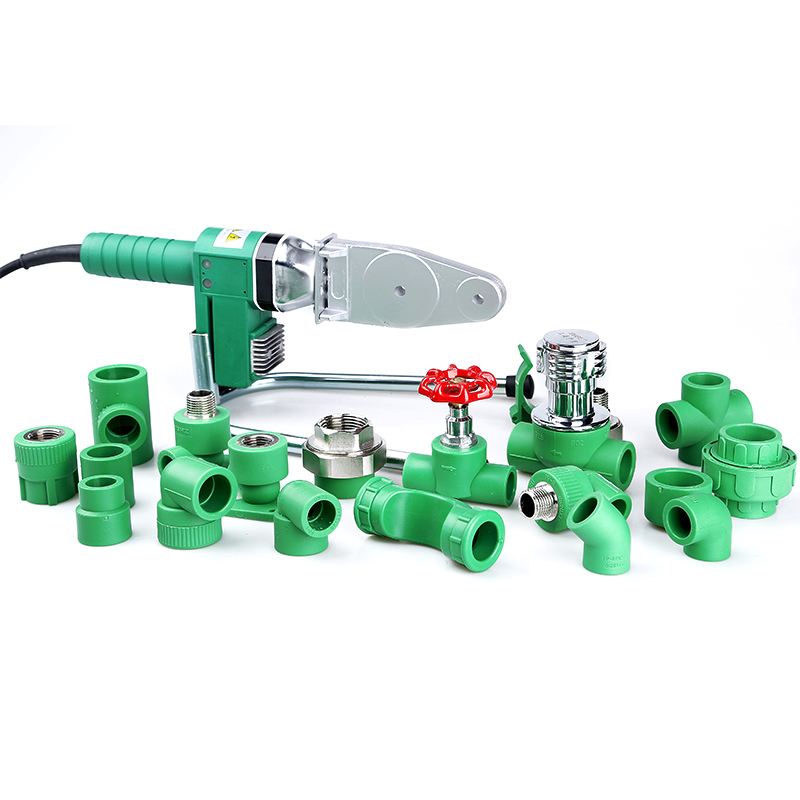
Practical applications where 45-degree PPR elbows are the preferred specification include: underfloor heating manifold connections where layout geometry prevents straight runs; solar thermal secondary circuit pipework with diagonal roof-to-plant-room routing; HVAC fan-coil unit supply and return connections where the pipe approaches at an oblique angle; and residential hot water distribution where the pipe must navigate ceiling joists or structural elements at non-right-angle orientations.
PPR vs PVC: Side-by-Side Selection Guide for Temperature-Sensitive Applications
The following comparison table consolidates the key specification differences between PPR and standard PVC for temperature-sensitive piping applications. It is intended as a starting point for system specification decisions, not a substitute for project-specific engineering review.
| Parameter | PPR Pipe | Standard PVC-U Pipe |
|---|---|---|
| Max. continuous service temperature | 95°C | ~60°C |
| Min. service temperature | –20°C | 0°C (brittle below freezing) |
| Pressure rating at 20°C | Up to PN25 | Up to PN16 (Schedule 40) |
| Connection method | Heat fusion (socket welding) | Solvent cement / mechanical |
| Joint integrity under thermal cycling | Excellent (monolithic fusion joint) | Moderate (cement joint susceptible to stress) |
| Thermal conductivity | ~0.24 W/m·K | ~0.16 W/m·K |
| Thermal expansion coefficient | ~0.15 mm/m·°C | ~0.07 mm/m·°C |
| Chemical resistance (acids/alkalis) | Excellent (pH 2–13) | Good (pH 2–12, limited above 40°C) |
| Typical service life | 50+ years (at rated conditions) | 25–40 years |
| Suitable for hot water supply | Yes | No (standard PVC-U) |
| Suitable for underfloor heating | Yes | No |
| Suitable for cold water only systems | Yes | Yes |
For cold-water-only installations at ambient temperatures with no thermal cycling, PVC offers a cost-effective solution where structural demands are modest. For any system where temperature control is a core function — hot water distribution, heating circuits, solar thermal, or HVAC hydronic loops — PPR is the technically appropriate choice across every dimension of the comparison.
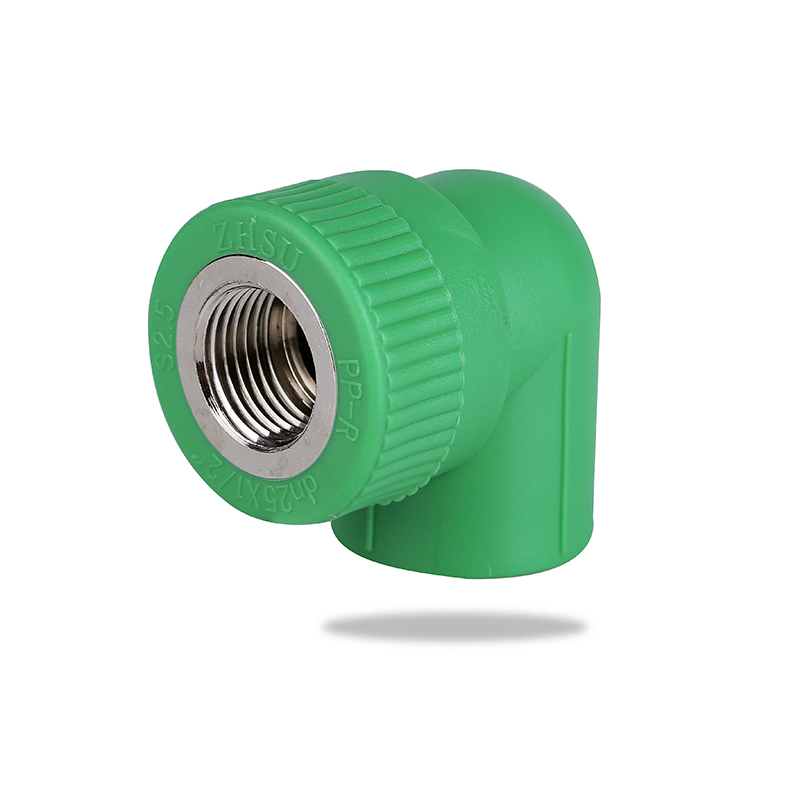
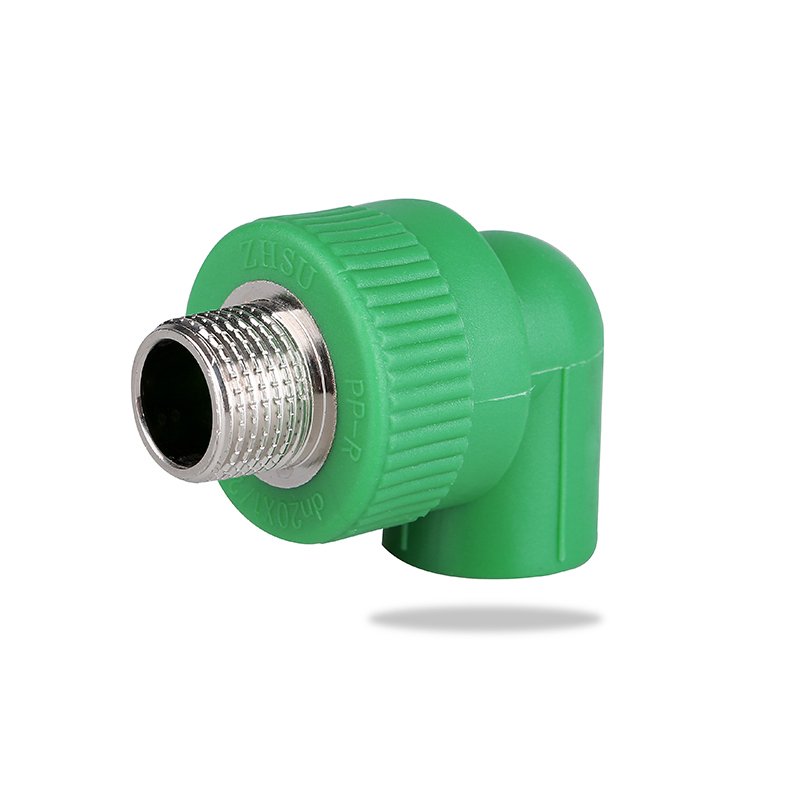
Selecting the right elbow geometry compounds the benefit. In temperature-sensitive layouts where routing geometry allows, specifying 45-degree elbows over 90-degree alternatives reduces pressure drop, lowers pump energy demand, and diminishes thermal stress at connection points — outcomes that matter across the full service life of a system measured in decades. Our full range of PPR fittings is available in standard and custom configurations to meet the specific demands of residential, commercial, and industrial temperature-control applications.


 Email:
 Telephone:+86-21-57461561
 Phone:+86-18721379989


