


 简体中文
简体中文 English
 русский
 Español
 Français
 عربى
عربى Português
 日本語
日本語 italiano
 Nederlands
 Polskie
Content
Why PPR Pipe Size Matters
A plumbing system built on the wrong pipe diameter rarely fails right away. The trouble shows up months later: water hammer in the walls, a noisy branch line, or a main riser that can't keep up once every fixture in the building opens at once. Getting the diameter right the first time is far cheaper than retrofitting a system after installation.
This is especially true with high-quality PPR pipes designed for potable water systems, where undersized branch lines can starve fixtures of pressure while oversized mains waste material and raise installation costs unnecessarily.
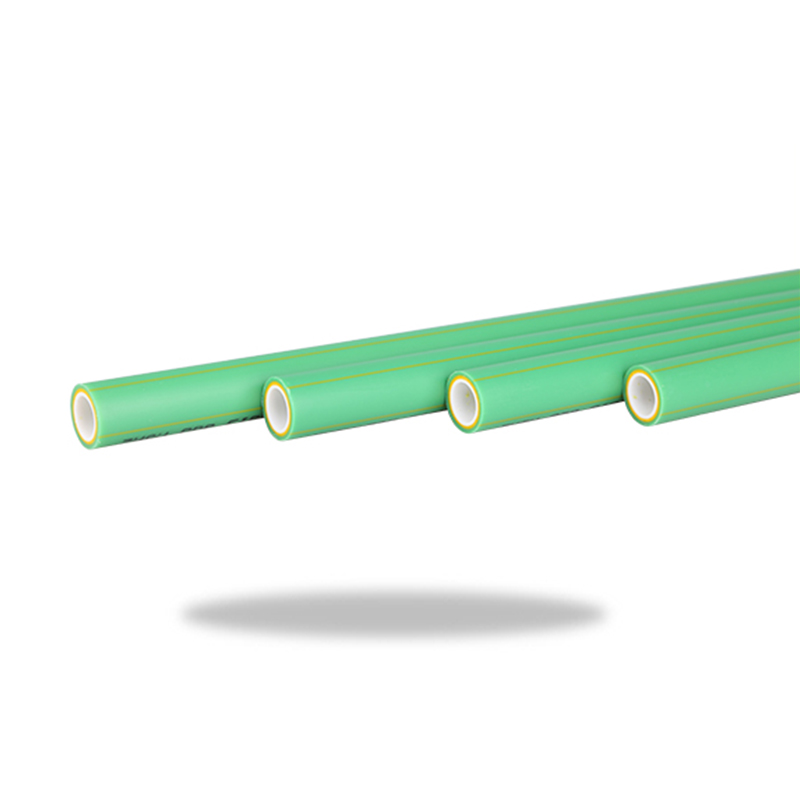
Average PPR pipe size isn't a single number — it's a range built around standardized diameters, each matched to a specific flow requirement and pressure class. Understanding that range is the first step toward specifying correctly.
Understanding PPR Pipe Sizing: DN, OD, and PN
Three abbreviations govern every PPR sizing decision, and confusing them is where most mistakes start.
- DN (Diamètre Nominal) — the nominal size designation, roughly corresponding to the pipe's outer diameter in millimeters.
- OD (Outside Diameter) — the actual measured outer diameter, which manufacturers use for fitting compatibility.
- PN (Pressure Nominal) — the pressure class, expressed in bar, which determines wall thickness for a given DN.
For a fixed outer diameter, a higher PN rating means a thicker wall and a smaller inner bore — the pipe trades flow capacity for pressure resistance. This relationship is formally defined in the international standard for polypropylene piping systems, which sets out dimensional and pressure classification requirements for PP pipes used in hot and cold water installations. Manufacturers that follow this standard produce pipes with predictable wall thickness and pressure ratings, which is why cross-brand compatibility is usually reliable within the same DN and PN class.
Before ordering, always confirm both numbers together. A DN25 label alone doesn't tell you the wall thickness — you need the PN rating to know the actual bore.
Wall thickness also affects long-term performance. For guidance on ensuring proper pipe strength under sustained pressure, it helps to match the PN class to your system's actual operating conditions rather than defaulting to the cheapest option available.
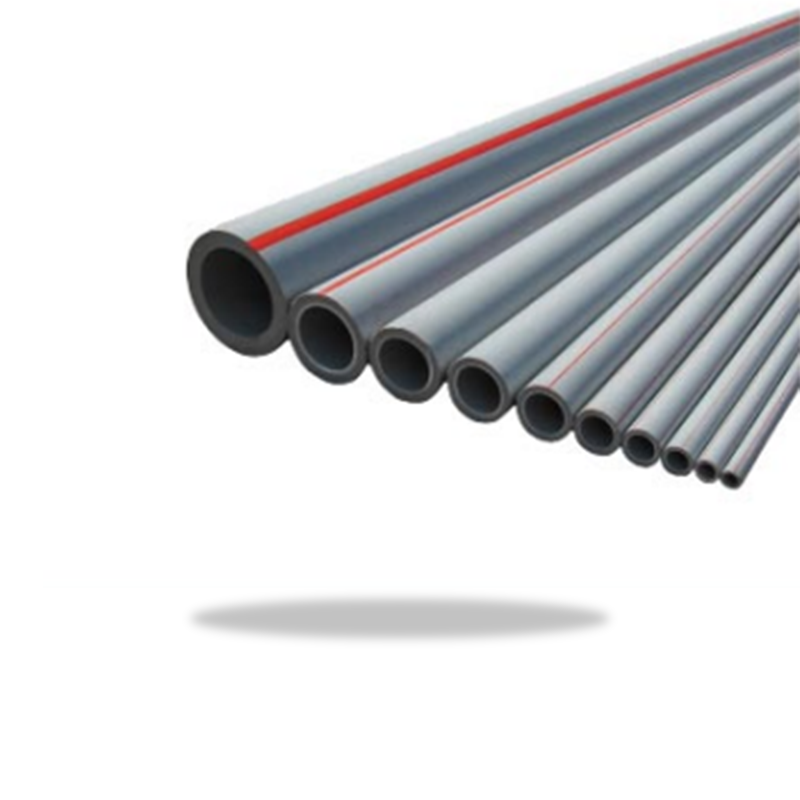
Average PPR Pipe Size Chart (20mm–160mm)
The table below shows the average PPR pipe size range most commonly stocked by manufacturers, along with typical pressure classes and where each size fits in a real system.
| DN Size | Outer Diameter (mm) | Common PN Ratings | Typical Use |
|---|---|---|---|
| DN20 | 20mm | PN10 / PN16 | Residential cold water branches |
| DN25 | 25mm | PN16 / PN20 | Household hot water lines |
| DN32 | 32mm | PN16 / PN20 | Apartment risers, small buildings |
| DN40 | 40mm | PN16 / PN20 | Commercial pipelines, schools |
| DN50 | 50mm | PN16 / PN20 / PN25 | Hospitals, mid-size distribution |
| DN63 | 63mm | PN20 / PN25 | High-rise commercial buildings |
| DN75–DN110 | 75–110mm | PN20 / PN25 | Industrial supply lines, water mains |
| DN125–DN160 | 125–160mm | PN20 / PN25 | Heavy industrial systems |
Notice how the average PPR pipe size clusters around 20–40mm for anything inside a single dwelling. It's only once you move to shared risers or industrial supply that sizes climb past 50mm. If your project also uses higher-temperature-rated material, the same dimensional logic applies to PP-RCT pipe engineered for higher temperature tolerance, which follows the same DN/PN framework at slightly different wall thicknesses.
How to Choose the Right Size for Your Project
Sizing decisions come down to three practical questions: how much water needs to move, at what pressure, and through how many fixtures at once.
Residential Projects
Most single-family homes run comfortably on DN20 branch lines to individual fixtures and a DN25 or DN32 main line from the meter. Going smaller to save on material almost always backfires once two showers run simultaneously.
Commercial Buildings
Offices, schools, and small apartment blocks typically need DN40 to DN50 mains to handle simultaneous demand across multiple units, stepping down to DN20–DN25 for individual outlets.
Industrial and Municipal Systems
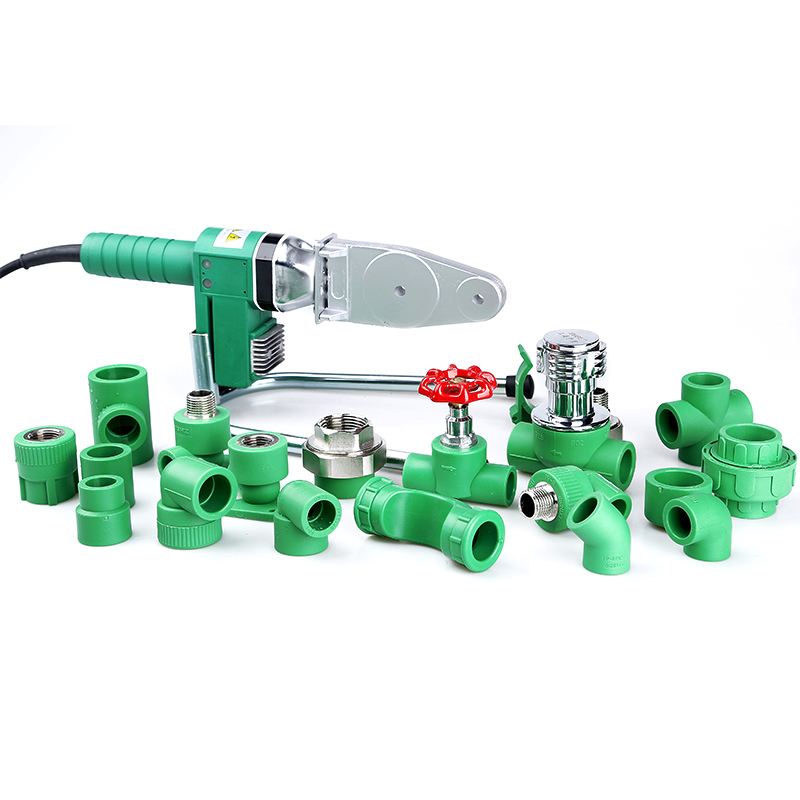
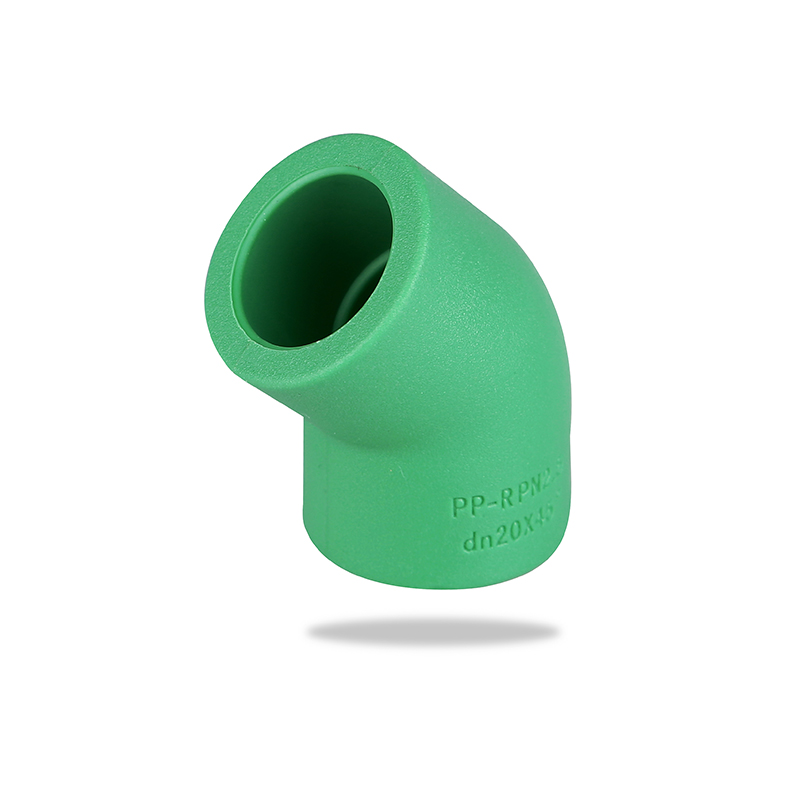
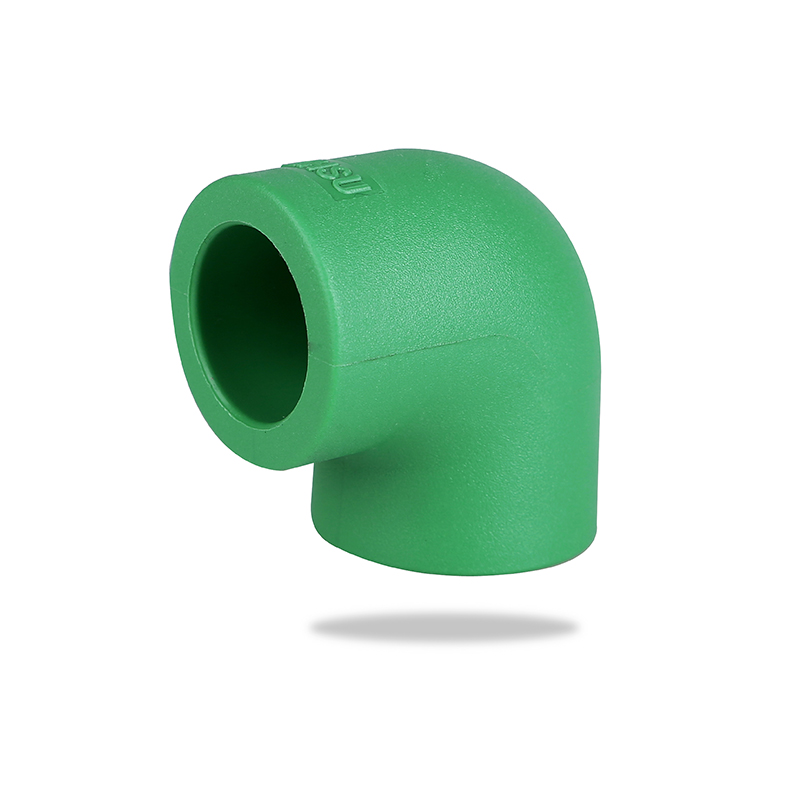
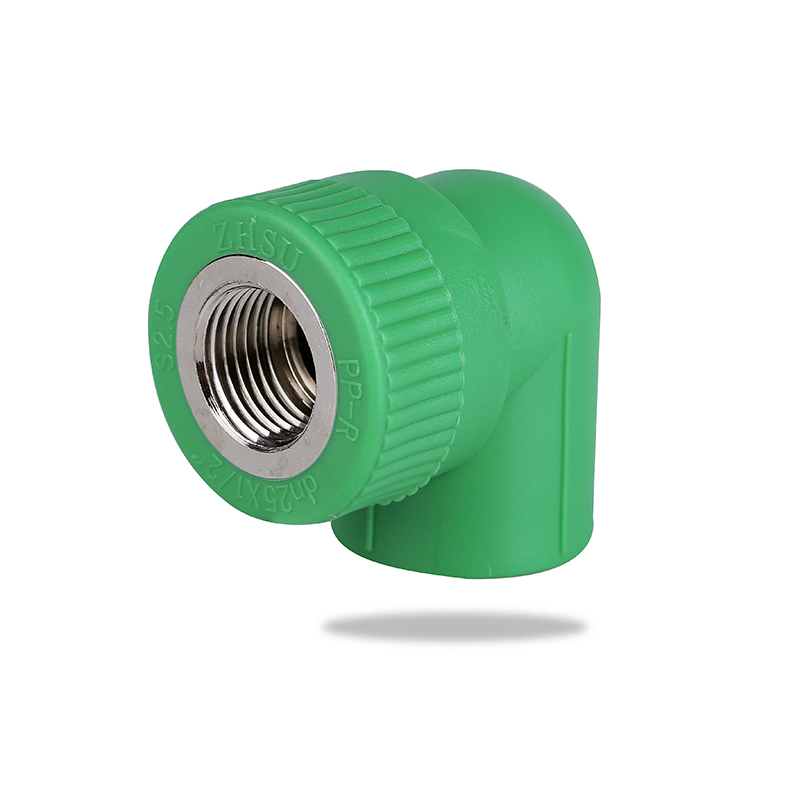
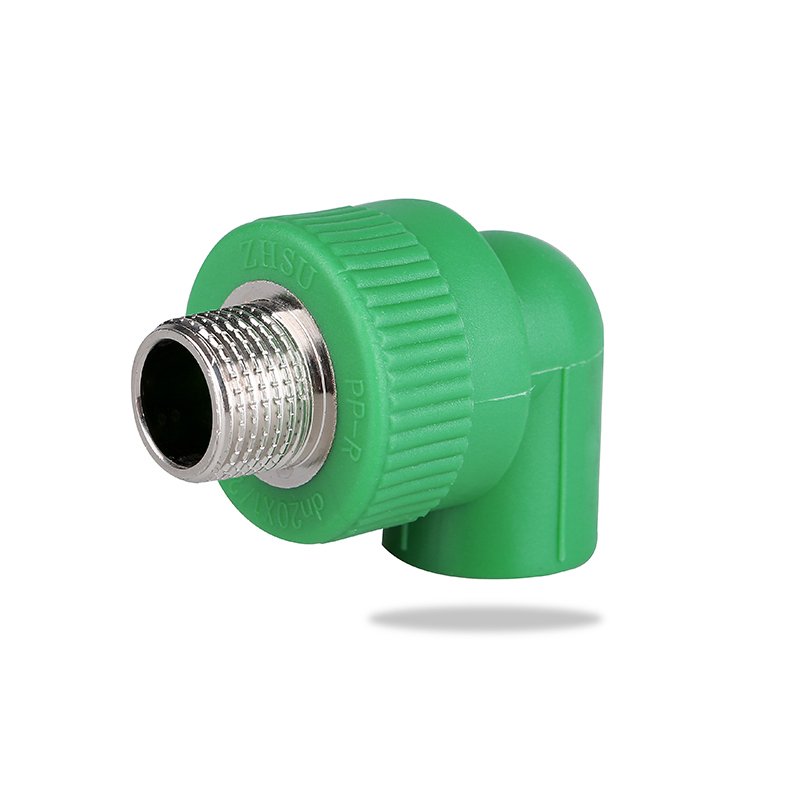
Factories, hospitals, and distribution networks push into DN75 and above, where flow volume — not just pressure — becomes the limiting factor. At this scale, pairing pipes with the correctly sized PPR fittings built to match every pipe size keeps joints from becoming the weak point in an otherwise well-specified system.
Common Sizing Mistakes to Avoid
- Reading DN as a fixed inner diameter rather than a size class that varies with PN rating.
- Sizing a whole building off a single fixture's requirement instead of total simultaneous demand.
- Ignoring the tee and branch fittings when upsizing a main line — mismatched fitting sizes create pressure drops even when the main pipe is correct. This is a common issue where tips on selecting the correct tee size for your plumbing layout can prevent costly rework.
- Mixing PN classes across a single run without accounting for the resulting bore differences.
Conclusion
Average PPR pipe size isn't one number to memorize — it's a system of DN, OD, and PN working together to match flow, pressure, and application. Residential runs stay small, commercial buildings step up to handle shared demand, and industrial systems scale further still. Get the DN and PN pairing right from the start, and the rest of the installation — fittings, flow rates, pressure testing — falls into place with far fewer surprises down the line.

 Email:
 Telephone:+86-21-57461561
 Phone:+86-18721379989


