


 简体中文
简体中文 English
 русский
 Español
 Français
 عربى
عربى Português
 日本語
日本語 italiano
 Nederlands
 Polskie
Content
- 1 PPR Piping: Material Properties, Standards, and Core Applications
- 2 Heat Fusion Joining: Why PPR Piping Is Leak-Free for the Life of the System
- 3 PP RCT Pipe: The Next Generation of Polypropylene Pressure Piping
- 4 Reducing Coupling: Function, Types, and Selection Criteria
- 5 Concentric vs. Eccentric Reducing Couplings: When the Difference Matters
- 6 PPR Fitting Range and System Design Considerations
PPR Piping: Material Properties, Standards, and Core Applications
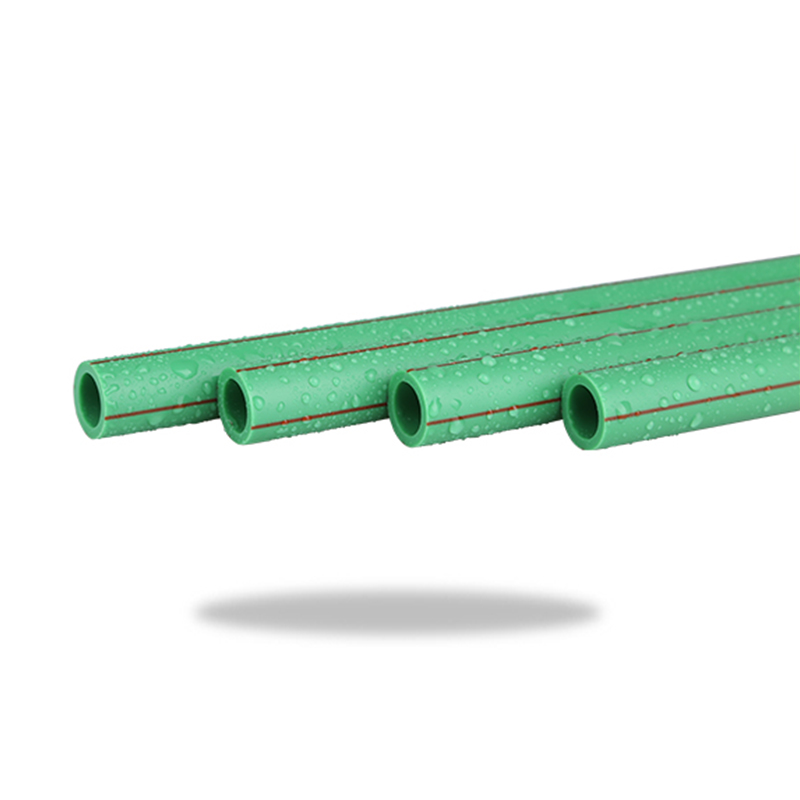
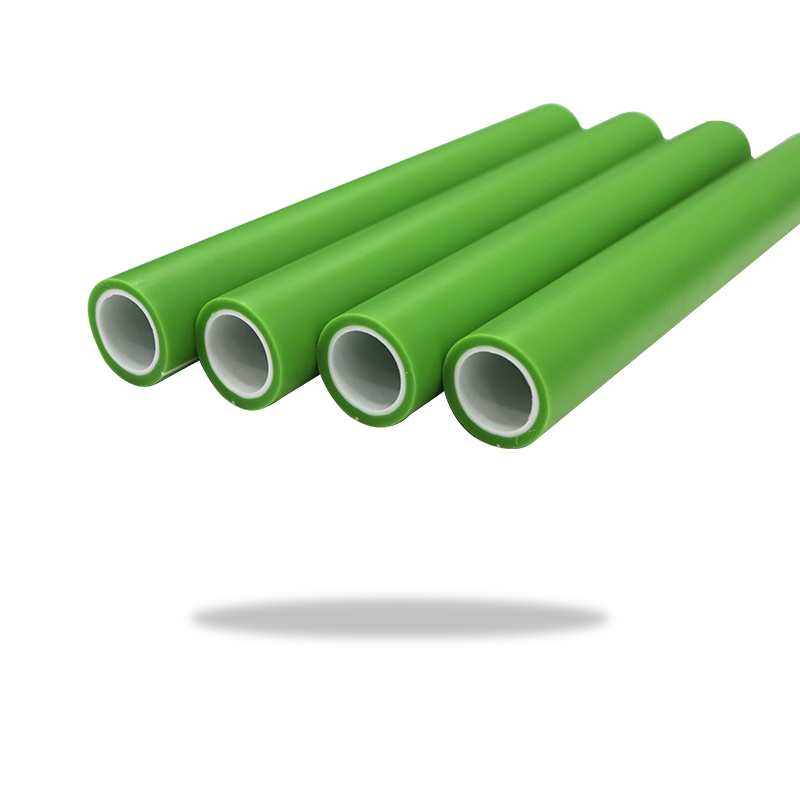
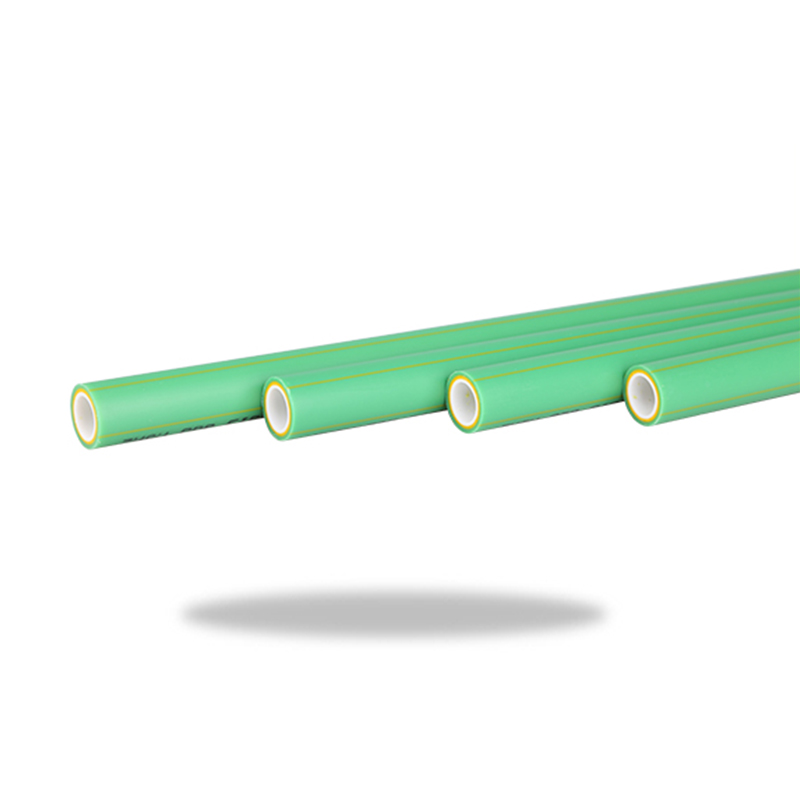
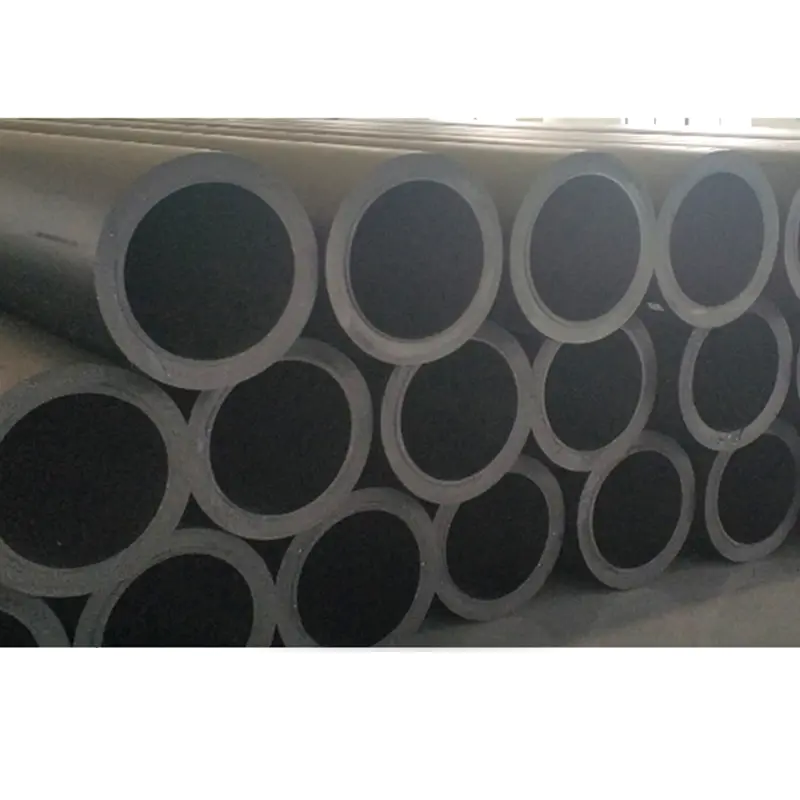
PPR piping — manufactured from polypropylene random copolymer (Type 3, per ISO 15874) — has become the dominant thermoplastic pipe system for hot and cold potable water distribution, hydronic heating, and industrial fluid conveyance worldwide. Its combination of long-term pressure resistance, chemical inertness, low thermal conductivity, and the ability to be permanently joined by heat fusion (socket welding) without adhesives or mechanical fittings has made it the preferred alternative to copper and galvanised steel in residential and commercial plumbing across Europe, the Middle East, Asia, and increasingly North America.
The raw material — polypropylene random copolymer — is produced by introducing ethylene comonomers into the polypropylene polymerisation chain in a randomised distribution. This random molecular structure disrupts the crystallinity of the polymer compared to polypropylene homopolymer (PP-H) or block copolymer (PP-B), resulting in a material with superior impact resistance at lower temperatures, better long-term hydrostatic strength, and improved transparency. The nominal operating temperature range for PPR piping in pressure service is 0°C to 95°C, with brief excursions to 110°C permissible at reduced pressure ratings.
PPR pipes are classified by their pressure rating at 20°C, expressed as the SDR (Standard Dimension Ratio) — the ratio of outside diameter to wall thickness. Lower SDR numbers indicate thicker walls and higher pressure ratings:
- SDR 11 (PN10): Rated to 10 bar at 20°C. Standard specification for cold water supply and general industrial service.
- SDR 7.4 (PN16): Rated to 16 bar at 20°C. Used for hot water distribution, heating systems, and higher-pressure industrial circuits.
- SDR 6 (PN20): Rated to 20 bar at 20°C. Heavy-duty industrial applications, compressed air (with appropriate derating), and chemical process piping.
- SDR 5 (PN25): Rated to 25 bar at 20°C. Highest standard pressure rating; used in demanding industrial and district heating applications.
The governing international standard for PPR pressure pipe systems is ISO 15874 (Plastics piping systems for hot and cold water installations — Polypropylene), supplemented by regional standards including DIN 8077/8078 (Germany), BS EN ISO 15874 (UK/EU), and ASTM F2389 (United States). Most major PPR systems are also certified to NSF/ANSI 61 for potable water contact and carry CE marking under the EU Construction Products Regulation.
Heat Fusion Joining: Why PPR Piping Is Leak-Free for the Life of the System
The defining installation advantage of PPR piping is socket fusion welding — a joining method that produces a monolithic, homogeneous joint with no mechanical components, no sealants, and no corrosion risk. The process works by simultaneously heating the pipe spigot and the fitting socket to the melt temperature of polypropylene (approximately 260°C) using a thermostatically controlled welding iron fitted with matched mandrel and socket tools. The heated surfaces are then immediately joined under controlled axial force, fusing into a single piece as the material cools.
A correctly executed socket fusion joint has a tensile strength equal to or greater than the pipe wall itself — failure in destructive testing occurs in the pipe body, not at the joint. The joint is also chemically identical to the pipe and fitting, meaning it has the same resistance to the fluid being conveyed and the same long-term pressure performance as the parent material.
For pipe sizes above DN 63 mm, butt fusion welding (also called hot plate welding) is typically used instead of socket fusion. The pipe ends are faced flat, heated against a plate at 210–230°C, and then pressed together under controlled pressure. Automated butt fusion machines with data logging are required for pressure-rated installations above DN 110 mm in most European and Middle Eastern jurisdictions.
PP RCT Pipe: The Next Generation of Polypropylene Pressure Piping
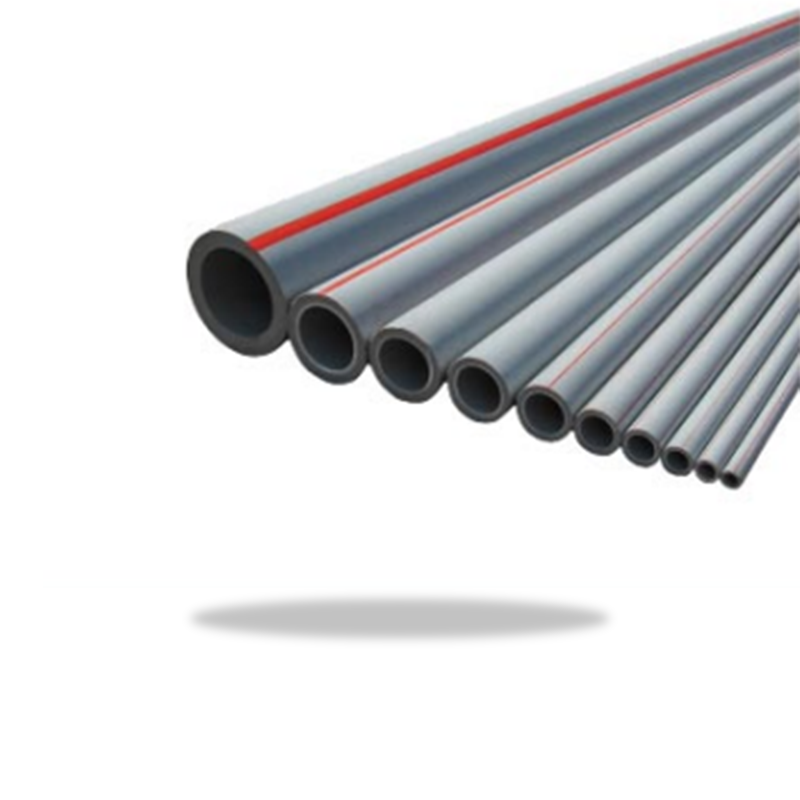
PP RCT pipe (Polypropylene with Random distribution and modified Crystallinity and Temperature resistance) represents a significant advancement over conventional PPR piping. Developed initially by Borealis under the trade name Daploy™ and now available from multiple resin producers, PP RCT uses a heterophasic nucleated polypropylene random copolymer that achieves a higher degree of controlled crystallinity than standard PP-R through the introduction of beta-nucleating agents during polymerisation.
The key performance advantage of PP RCT over conventional PPR is substantially improved long-term hydrostatic strength (LTHS) at elevated temperatures. Under ISO 9080 pressure regression analysis, PP RCT achieves a minimum required strength (MRS) of 3.2 MPa at 95°C compared to 1.6–2.0 MPa for standard PPR — effectively doubling the long-term pressure capability at hot water service temperatures. In practical terms, this means:
- Thinner wall sections for the same pressure rating: A PP RCT pipe rated to PN20 at 70°C can be manufactured at SDR 11, whereas conventional PPR would require SDR 7.4 or thicker. This reduces material consumption by 20–30% and lowers installed cost.
- Higher pressure ratings at operating temperature: PP RCT systems can achieve PN16 or PN20 ratings at continuous service temperatures of 70–80°C, making them suitable for district heating connections, solar thermal systems, and high-temperature hydronic circuits where standard PPR requires significant derating.
- Extended service life: The improved LTHS translates directly to longer design life under the same operating conditions — PP RCT systems are typically rated for 50 years at standard residential hot water temperatures, compared to 25–50 years for conventional PPR depending on the specific operating pressure and temperature profile.
| Property | Standard PPR (PP-R Type 3) | PP RCT |
|---|---|---|
| MRS at 20°C | 8.0 MPa | 10.0 MPa |
| MRS at 95°C | 1.6–2.0 MPa | 3.2 MPa |
| Max. continuous service temp. | 70°C (at reduced pressure) | 95°C (at rated pressure) |
| Wall thickness vs. PPR (same PN) | Reference | 20–30% thinner |
| Design service life | 25–50 years | 50+ years |
| Joining method | Socket / butt fusion | Socket / butt fusion (same tooling) |
| Governing standard | ISO 15874 (PP-R Type 3) | ISO 15874 (PP-RCT Type 4) |
PP RCT is classified as PP Type 4 under ISO 15874 and is fully compatible with standard PPR fittings and welding equipment — the same socket fusion iron, temperature settings, and heating times apply, making it a drop-in upgrade for installers already working with PPR systems. The material cost premium over standard PPR is typically 15–25% per metre, which is partially or fully offset by the reduced wall thickness (and therefore lower material weight per metre) at equivalent pressure ratings.
Reducing Coupling: Function, Types, and Selection Criteria
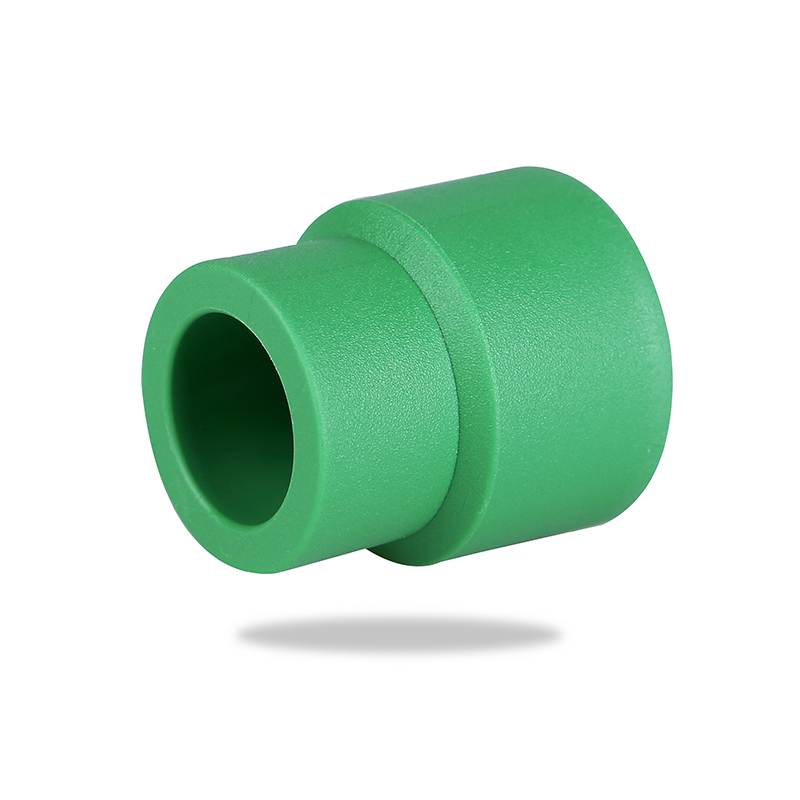
A reducing coupling is a pipe fitting that connects two pipes of different diameters within the same piping system, allowing a smooth transition from a larger bore to a smaller bore (or vice versa) while maintaining a pressure-tight, leak-free joint. In PPR and PP RCT systems, reducing couplings are fusion-welded in the same way as equal (straight) couplings — each socket end is welded to the corresponding pipe size using the appropriate tool insert on the fusion iron.
Reducing couplings serve several practical functions in plumbing and piping system design:
- Branch connections: Main distribution risers in buildings are typically sized at 63–110 mm; individual floor circuits branch off at 32–50 mm; point-of-use connections to fixtures are 20–25 mm. Reducing couplings facilitate these step-downs without requiring adaptor nipples or non-fusion fittings.
- Velocity management: Reducing from a larger to a smaller pipe increases flow velocity. Oversized distribution mains are sometimes run at reduced velocity to minimise pressure drop, then reduced at the point of use to maintain appropriate flow rates at fixtures.
- System modifications and extensions: When extending an existing piping circuit or connecting to equipment with a different inlet size, a reducing coupling allows the connection without re-piping the entire circuit.
Concentric vs. Eccentric Reducing Couplings: When the Difference Matters
Reducing couplings in PPR systems are almost exclusively concentric — the centrelines of both socket ends are aligned on the same axis, producing a symmetrical, cone-shaped transition between the two diameters. This is the correct specification for the vast majority of plumbing and heating applications, where the pipe run is horizontal or vertical and symmetrical flow transition is acceptable.
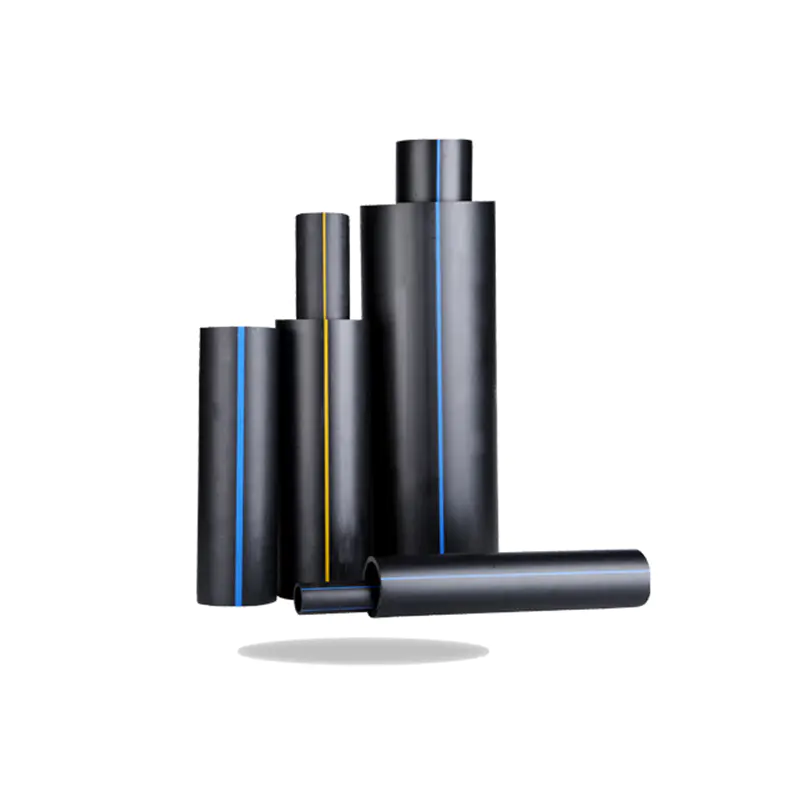
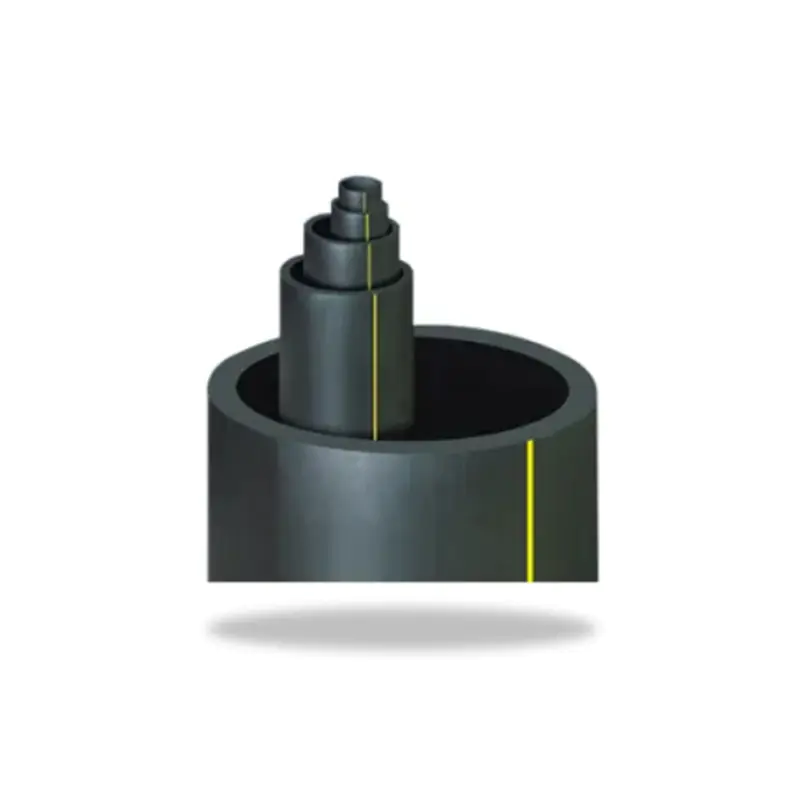
Eccentric reducing couplings — where the two socket centrelines are offset so that one face of the fitting is flat — are more common in metal and HDPE process piping than in PPR systems, but the principle is relevant for PPR installers to understand. Eccentric reducers are used in two specific situations:
- Horizontal piping carrying gases or vapour: Installing an eccentric reducer with the flat side up ensures that the top of the pipe is level, preventing air or gas pockets from forming at the transition — a design consideration in solar thermal systems and compressed air circuits where PPR may be specified.
- Horizontal piping requiring drainage: Installing an eccentric reducer with the flat side down ensures the invert (bottom) of the pipe is level, allowing complete drainage of the line — important in process and industrial circuits that require periodic drain-down.
For standard PPR hot and cold water distribution in buildings, concentric reducing couplings are the correct and universally available specification. The size designation follows a standardised format: the larger socket diameter is stated first, followed by the smaller — for example, a 32 × 20 mm reducing coupling has a 32 mm socket on one end and a 20 mm socket on the other.
PPR Fitting Range and System Design Considerations
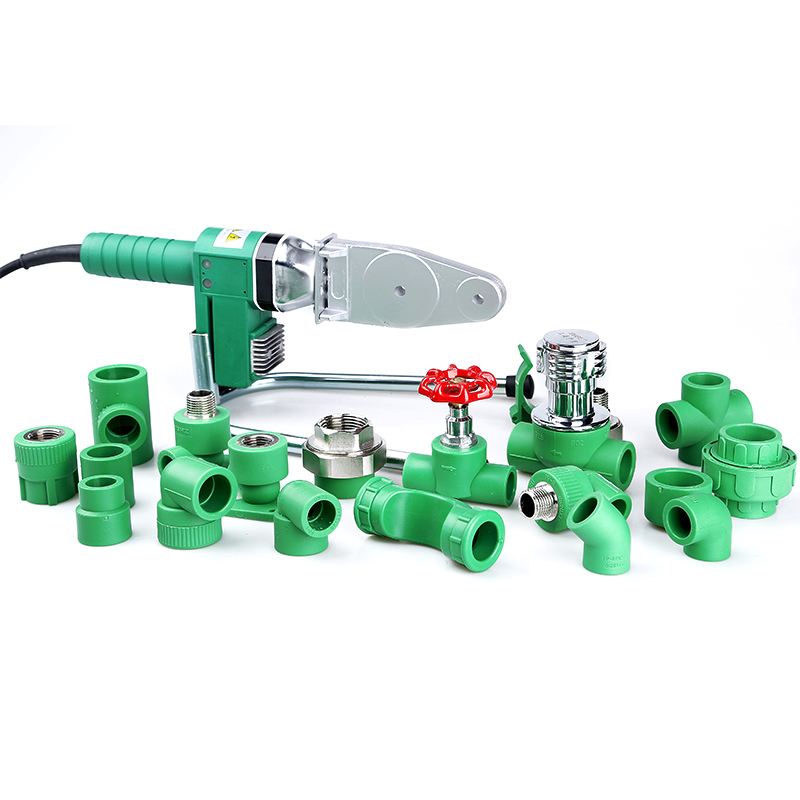
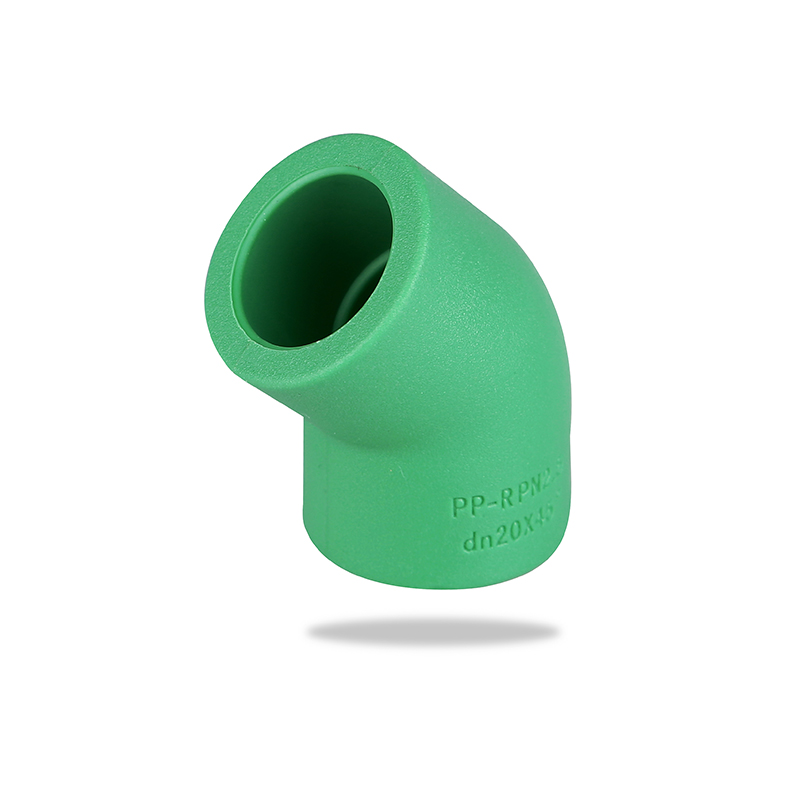
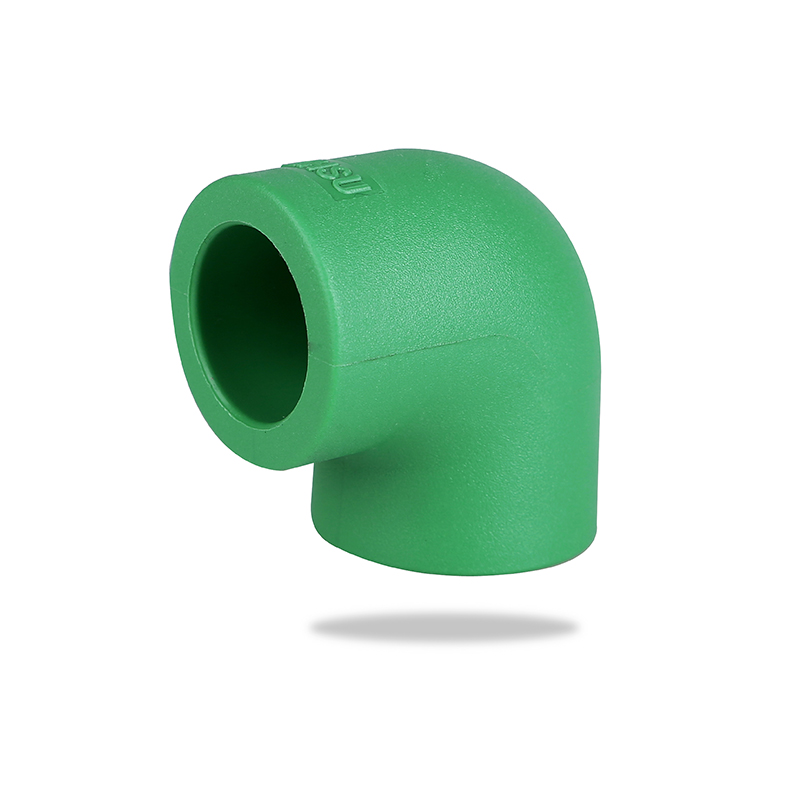
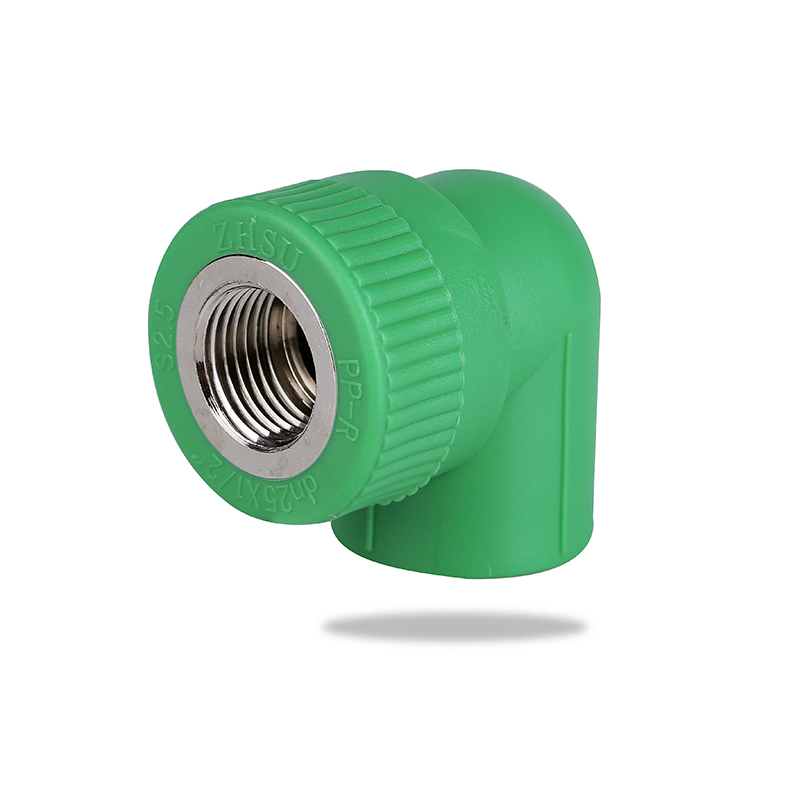
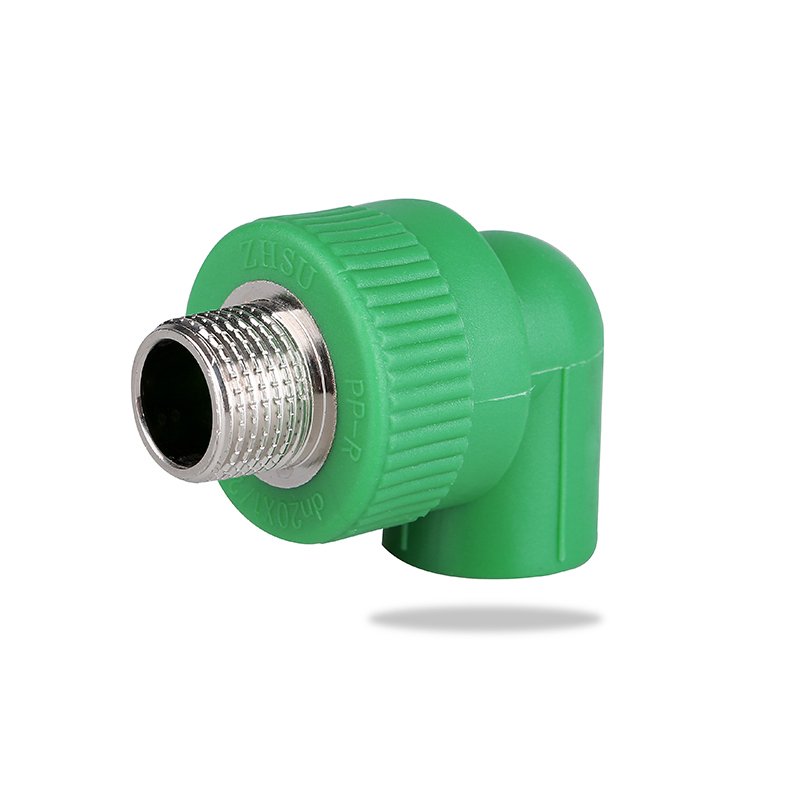
A complete PPR or PP RCT piping system relies on a comprehensive fittings range beyond pipe and reducing couplings alone. Standard PPR fittings are manufactured to match the pipe's pressure rating and are fusion-welded using the same tooling. The core fittings in a typical system include equal couplings, reducing couplings, elbows (45° and 90°), tees (equal and reducing), end caps, and transition fittings with brass inserts for connections to metallic valves, meters, and equipment.
Several system-level design considerations apply specifically to PPR and PP RCT installations:
- Thermal expansion: Polypropylene has a coefficient of linear thermal expansion of approximately 0.15 mm/m·°C — roughly eight times higher than copper. A 10-metre run of PPR pipe between fixed supports carrying water at 60°C will expand by approximately 54 mm relative to installation at 20°C. Expansion loops, compensators, or sliding supports must be incorporated into the design for runs exceeding 3–4 metres between anchors.
- UV degradation: Standard PPR and PP RCT are not UV-stabilised and will degrade with prolonged direct sunlight exposure — the pipe becomes brittle and loses pressure resistance. External runs must be lagged, painted, or sheathed in UV-resistant covering. Some manufacturers offer UV-stabilised grey or black PPR for outdoor service.
- Pressure derating at temperature: The pressure rating of any PPR or PP RCT system decreases as operating temperature increases. Designers must apply the appropriate derating factors from the ISO 15874 pressure-temperature tables — a PN16 PPR pipe rated to 16 bar at 20°C is rated to approximately 6 bar at 70°C and 3.2 bar at 95°C.
- Fibre-reinforced and aluminium composite PPR: For applications where thermal expansion must be minimised without the use of expansion compensation, fibre-reinforced PPR (with a glass fibre middle layer) and aluminium composite PPR (with a bonded aluminium foil layer) are available. These reduce the linear expansion coefficient by 60–80% compared to plain PPR while maintaining full socket fusion compatibility at the inner and outer PPR layers.

 Email:
 Telephone:+86-21-57461561
 Phone:+86-18721379989


