


 简体中文
简体中文 English
 русский
 Español
 Français
 عربى
عربى Português
 日本語
日本語 italiano
 Nederlands
 Polskie
Content
45 vs 90 Degree Angle: Which Elbow Fitting Should You Use?
In plumbing and piping systems, the angle of a bend or elbow fitting directly affects flow efficiency, pressure loss, and installation flexibility. The two most common options are 45-degree elbows and 90-degree elbows — and choosing the wrong one can reduce system performance or increase energy costs over time.
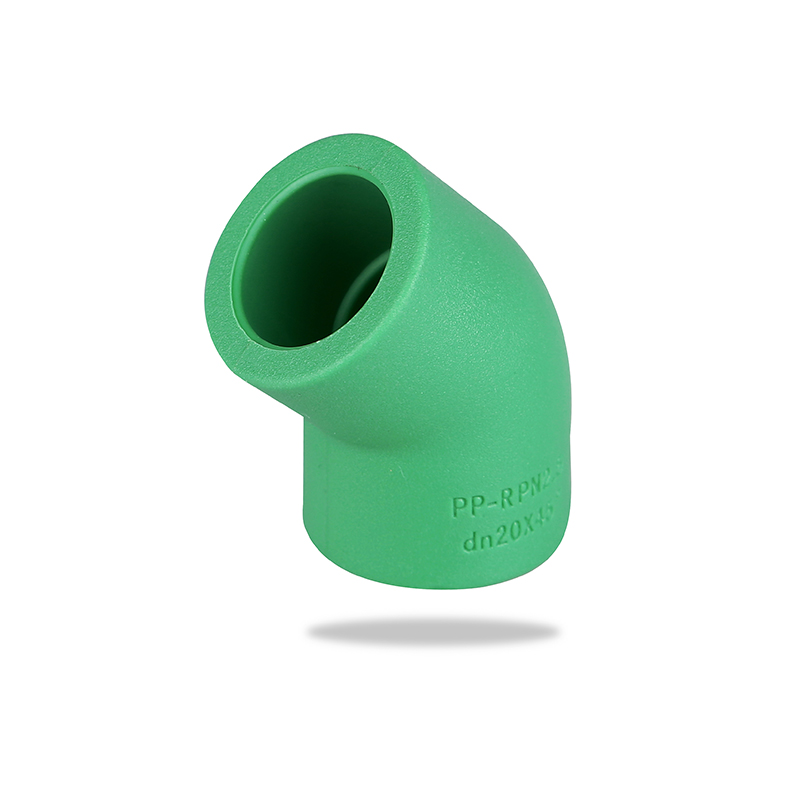
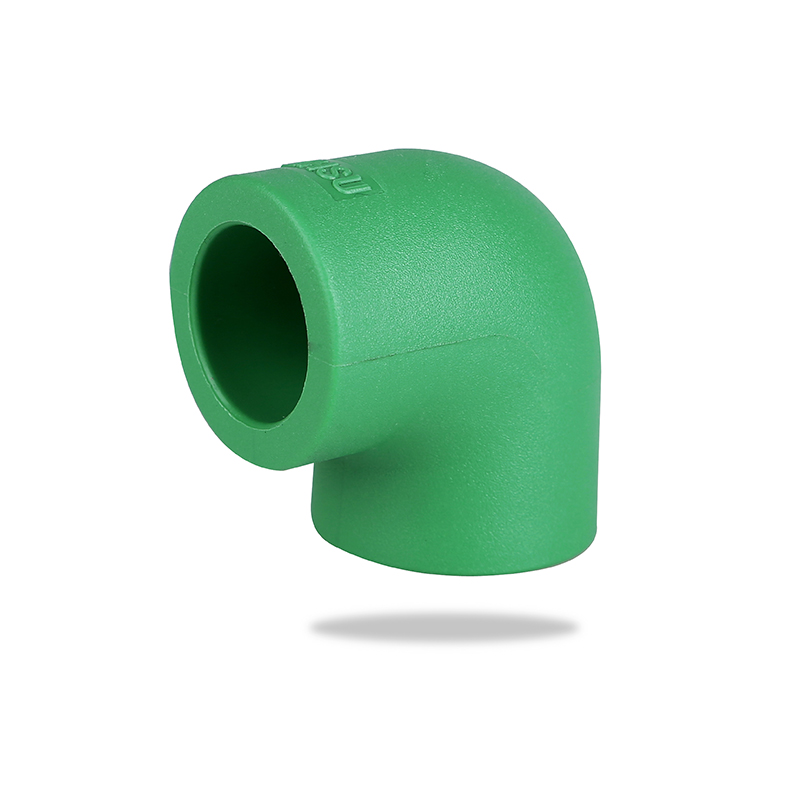
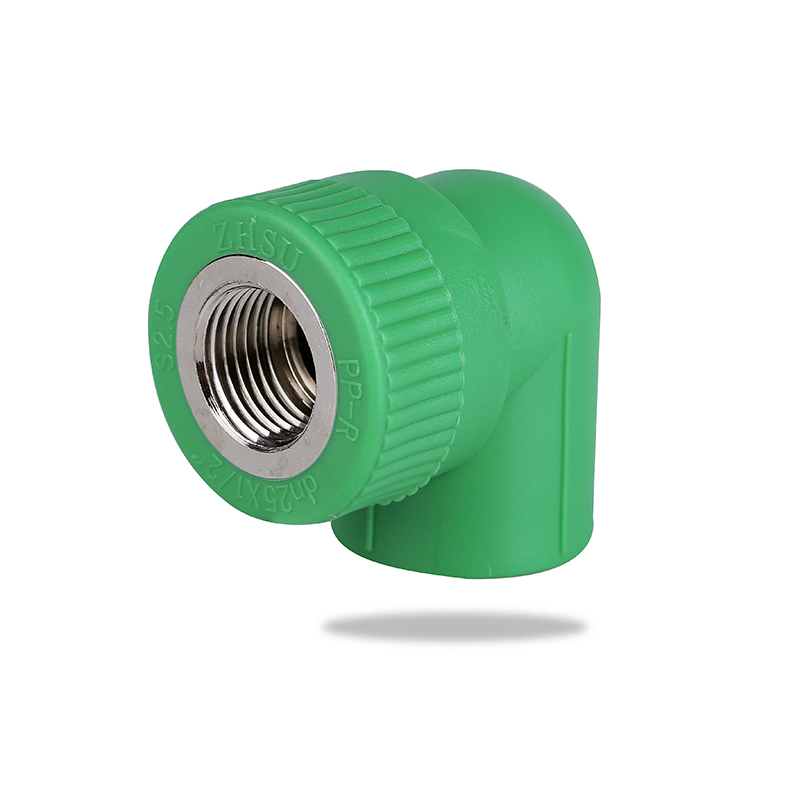
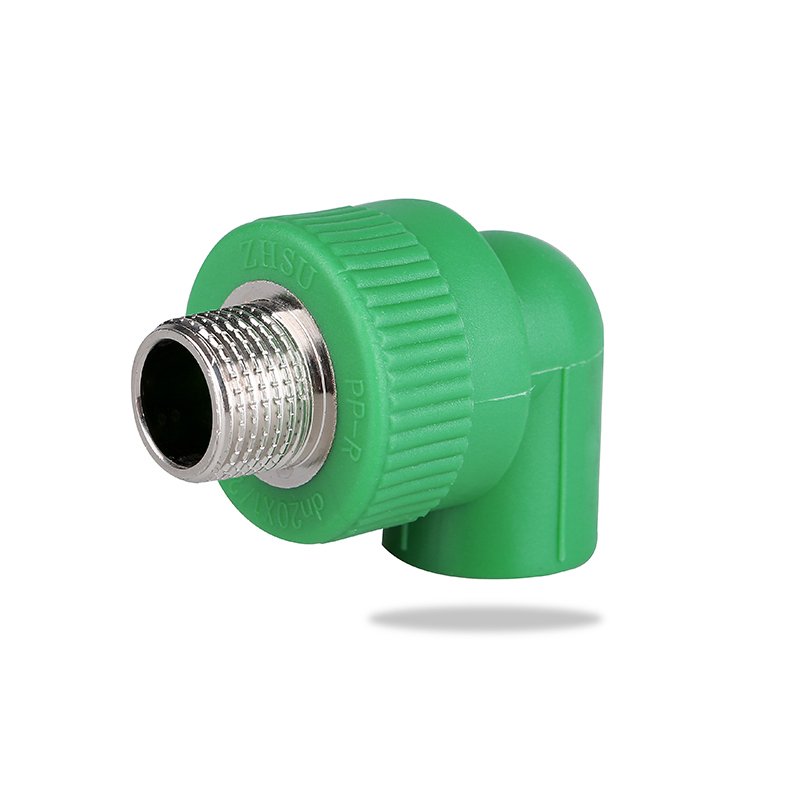
A 45-degree elbow changes the direction of flow by half of a right angle. Because the turn is more gradual, fluid experiences less turbulence and resistance as it passes through. A 90-degree elbow makes a sharp, perpendicular turn — the most space-efficient option when a hard corner is required, but at the cost of higher pressure drop.
As a general rule: use 45-degree elbows wherever flow efficiency is the priority, and 90-degree elbows where space is constrained or the layout demands a right-angle turn.
Key Differences in Flow, Pressure, and Application
The practical differences between 45 and 90 degree fittings go beyond just the angle. Here is a detailed comparison:
| Factor | 45-Degree Elbow | 90-Degree Elbow |
|---|---|---|
| Pressure Drop | Lower | Higher |
| Flow Turbulence | Minimal | Moderate to High |
| Space Required | More (diagonal run) | Less (compact corner) |
| Equivalent Pipe Length (friction loss) | ~16× pipe diameter | ~30× pipe diameter |
| Best For | Long runs, drainage, HVAC | Tight corners, wall framing |
| Common Use | Drain lines, supply offsets | Water supply, under sinks |
When Two 45-Degree Elbows Are Better Than One 90-Degree
In high-flow or long-run systems, replacing a single 90-degree elbow with two 45-degree elbows separated by a short straight section can reduce total pressure loss by up to 50%. This is a common best practice in industrial piping, HVAC ductwork, and professional plumbing installations where pump efficiency and operating costs matter.
For residential drainage systems (such as drain-waste-vent lines), building codes in many regions actually require 45-degree bends instead of 90-degree turns in horizontal drain runs, precisely to prevent blockages caused by flow disruption.
What Is PPR Pipe and Why Does Size Matter?
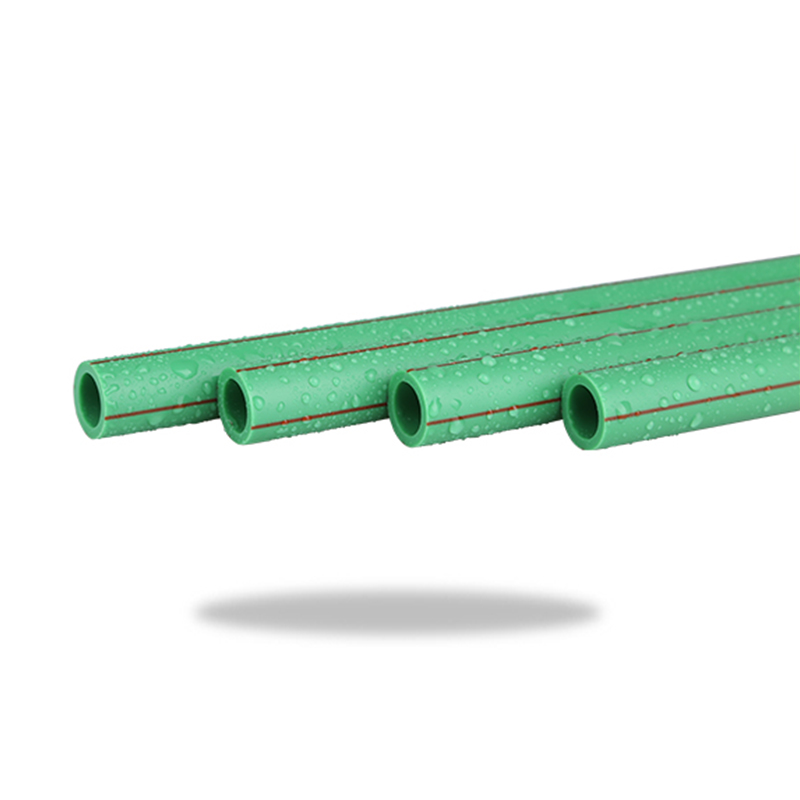
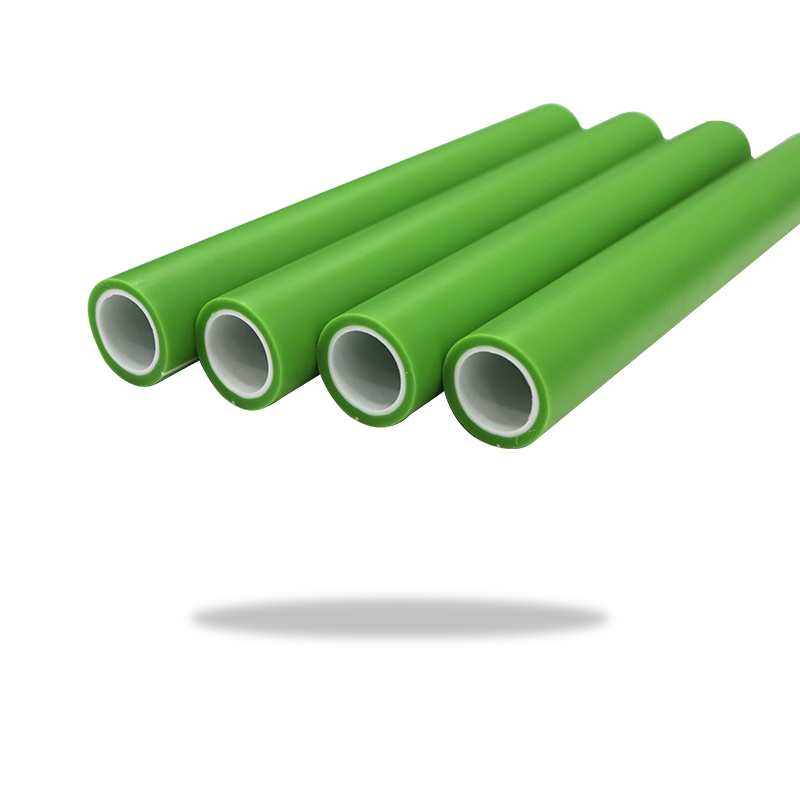
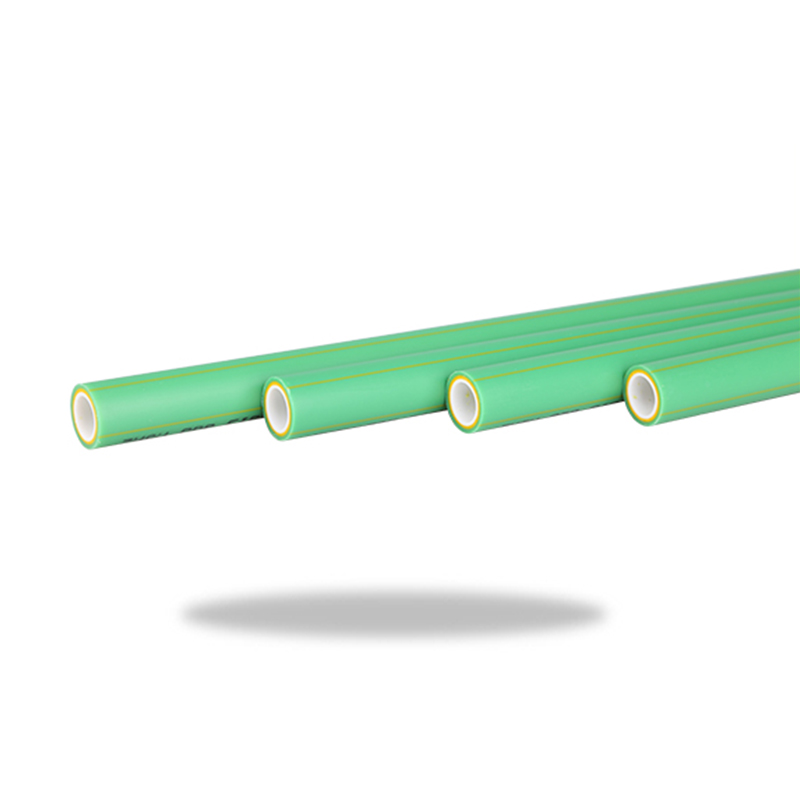
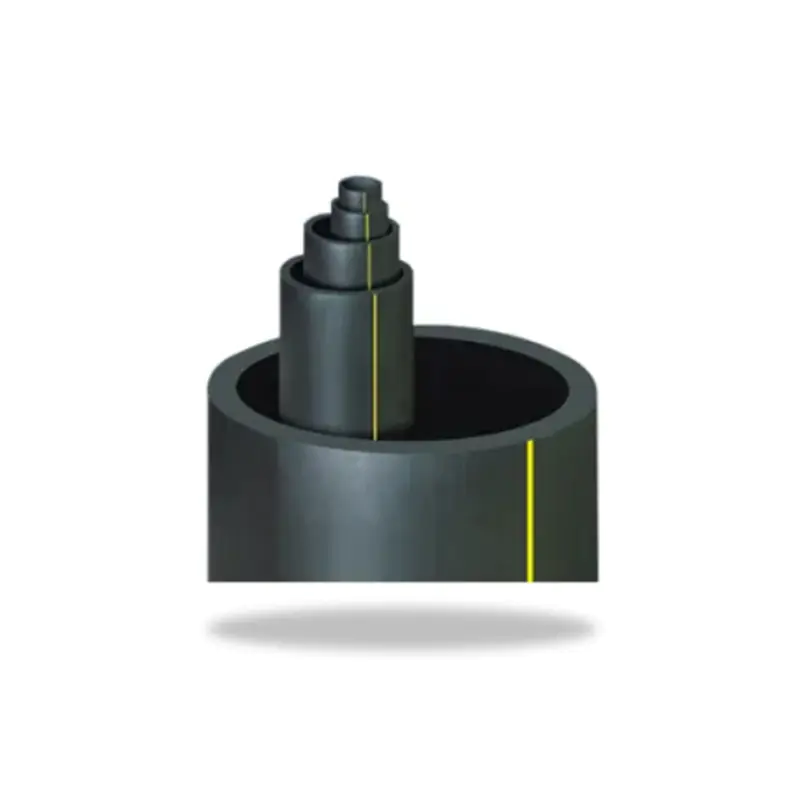
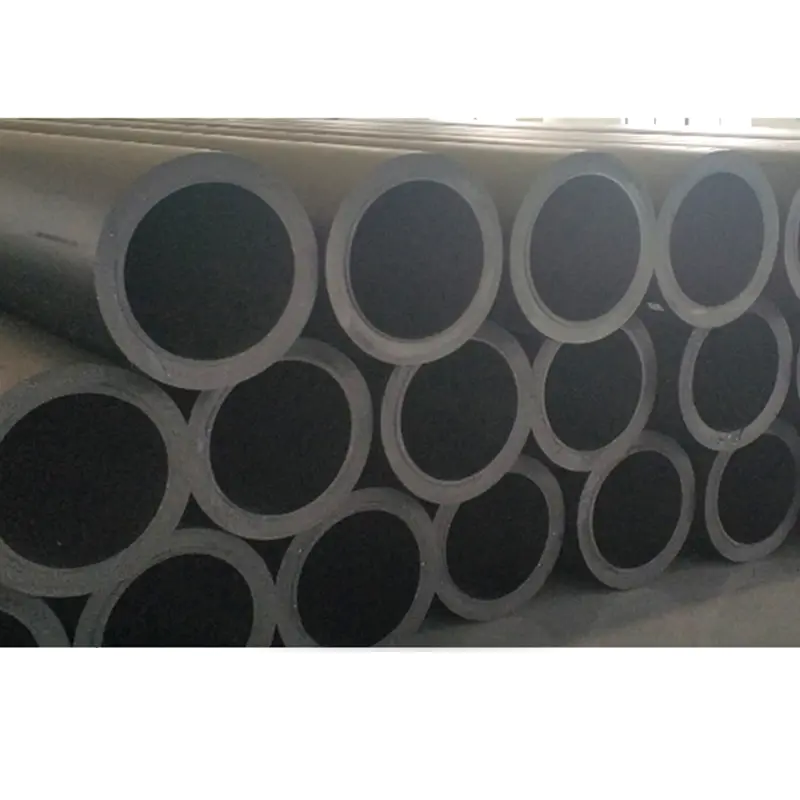
PPR (Polypropylene Random Copolymer) pipe is a thermoplastic piping material widely used in hot and cold water supply systems, heating circuits, and industrial fluid transport. It is joined by heat fusion welding, creating leak-free connections that are stronger than the pipe itself.
PPR pipe is available in a range of sizes and pressure ratings. Choosing the correct size is critical for three reasons:
- Flow rate: Undersized pipes restrict flow, reducing water pressure at outlets and increasing pump energy consumption.
- Pressure capacity: Wall thickness determines the maximum operating pressure. Thicker walls (higher PN rating) are required for hot water and higher-pressure systems.
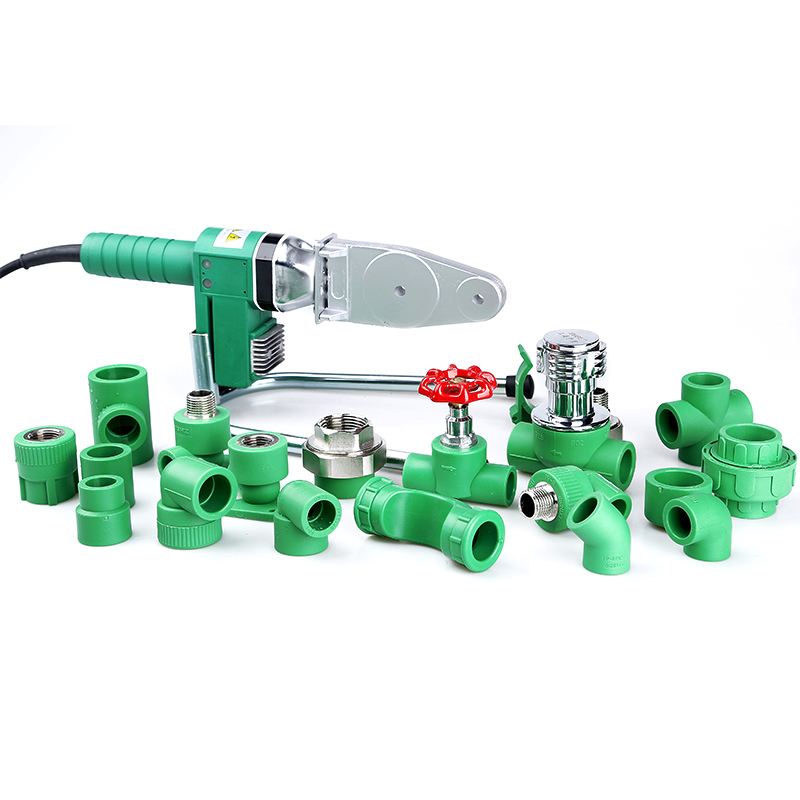
- Fitting compatibility: PPR fittings — including elbows, tees, and couplings — are size-specific. Mismatched sizes cannot be fusion-welded and will compromise the system.
PPR pipe sizes are defined by outside diameter (OD), not inside diameter. The most common standard is ISO 15874, used across Europe, the Middle East, and Asia. In practice, pipe is referred to by its nominal OD in millimeters (e.g., DN20, DN25, DN32).
PPR Pipe Size Chart: Dimensions, Pressure Ratings and Applications
PPR pipes are manufactured in pressure classes known as PN (Pressure Nominal) ratings: PN10, PN16, PN20, and PN25. Higher PN ratings indicate thicker walls and greater pressure resistance. The table below covers the standard size range with wall thickness for each pressure class:
| OD (mm) | PN10 Wall (mm) | PN16 Wall (mm) | PN20 Wall (mm) | PN25 Wall (mm) | Typical Application |
|---|---|---|---|---|---|
| 20 | 2.0 | 2.8 | 3.4 | 4.1 | Residential cold/hot water branches |
| 25 | 2.3 | 3.5 | 4.2 | 5.1 | Bathroom supply, kitchen lines |
| 32 | 3.0 | 4.4 | 5.4 | 6.5 | Main supply lines, light commercial |
| 40 | 3.7 | 5.5 | 6.7 | 8.1 | Building risers, heating circuits |
| 50 | 4.6 | 6.9 | 8.4 | 10.1 | Commercial water supply mains |
| 63 | 5.8 | 8.6 | 10.5 | 12.7 | Large residential, light industrial |
| 75 | 6.8 | 10.3 | 12.5 | 15.1 | Industrial process lines |
| 90 | 8.2 | 12.3 | 15.0 | 18.1 | Industrial, district heating mains |
| 110 | 10.0 | 15.1 | 18.3 | 22.1 | Large industrial / municipal systems |
For hot water systems operating at 60–70°C, PN20 or PN25 is the recommended minimum pressure class. PPR pipe's pressure rating decreases as temperature increases — a PN20 pipe rated at 20 bar at 20°C is only rated for approximately 8 bar at 60°C. Always consult the manufacturer's temperature-pressure derating chart for your specific application.
How to Choose the Right PPR Pipe Size for Your Project
Selecting the correct pipe size involves balancing flow demand, operating pressure, pipe length, and the number of fittings in the system. Here is a practical step-by-step approach:
- Determine your flow requirement. For residential cold water supply, a single bathroom typically requires 0.3–0.5 liters per second. DN20 (20mm OD) handles individual fixtures; DN25 or DN32 is appropriate for branch lines serving multiple outlets.
- Select the pressure class based on operating conditions. Use PN10 for cold water systems below 20°C. Use PN16 for standard cold/warm water up to 40°C. Use PN20 or PN25 for hot water systems and underfloor heating circuits.
- Account for fittings and bends. Each elbow, tee, or valve adds equivalent pipe length (friction resistance). A 90-degree PPR elbow on a DN25 pipe adds approximately 0.75 meters of equivalent pipe length; a 45-degree elbow adds roughly 0.4 meters. Use 45-degree elbows wherever feasible to minimize total pressure loss.
- Size up for long runs. For runs exceeding 20 meters, consider increasing pipe size by one step (e.g., from DN20 to DN25) to compensate for friction losses and maintain adequate pressure at the endpoint.
- Verify fitting compatibility. All PPR fittings — elbows, couplings, tees, reducers — must match both the pipe OD and the PN rating. Never mix pressure classes from different manufacturers unless their fusion compatibility is confirmed.
For most residential projects, DN20 and DN25 in PN20 cover the majority of supply line needs. Commercial and industrial projects typically start at DN32 and require a full hydraulic calculation to determine optimal sizing across the entire system.
When in doubt, always consult a licensed plumber or mechanical engineer — undersized pipes are among the most common causes of low water pressure complaints in newly installed systems, and re-piping after installation is significantly more costly than sizing correctly the first time.


 Email:
 Telephone:+86-21-57461561
 Phone:+86-18721379989


