


 简体中文
简体中文 English
 русский
 Español
 Français
 عربى
عربى Português
 日本語
日本語 italiano
 Nederlands
 Polskie
Content
- 1 What PPR Means in Pipes and Why It Matters
- 2 PPR Pipe Pressure and Temperature Ratings Explained
- 3 How PPR Pipework Is Joined: Heat Fusion and Why It Matters
- 4 PPR Pipework in Commercial Buildings: Where It Is Used
- 5 PPR vs. Alternative Commercial Pipework Materials
- 6 Design and Installation Requirements for Commercial PPR Pipework
- 7 Specifying PPR for Commercial Projects: Key Checklist
What PPR Means in Pipes and Why It Matters
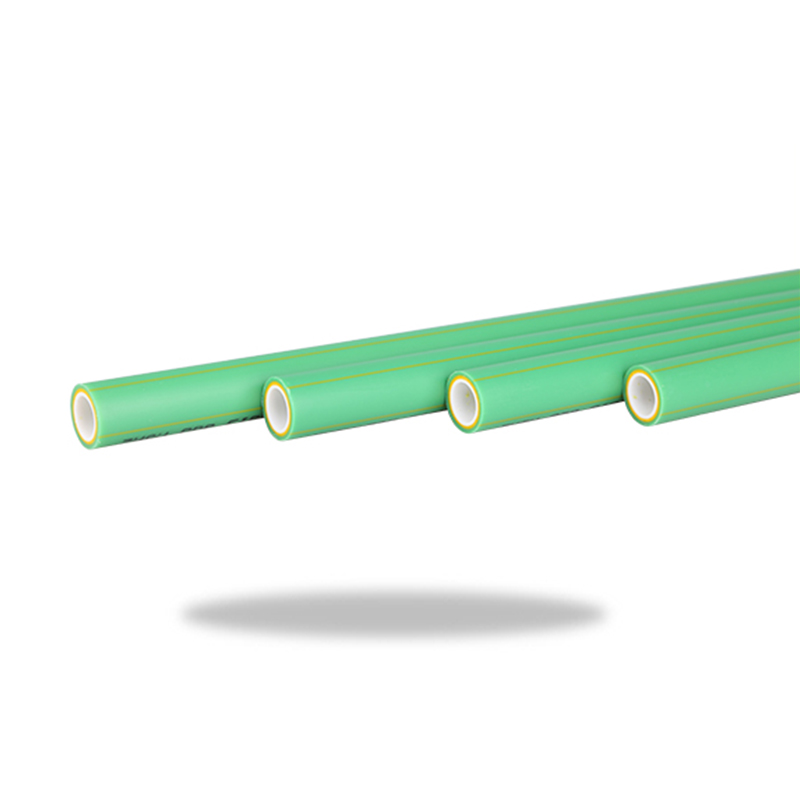
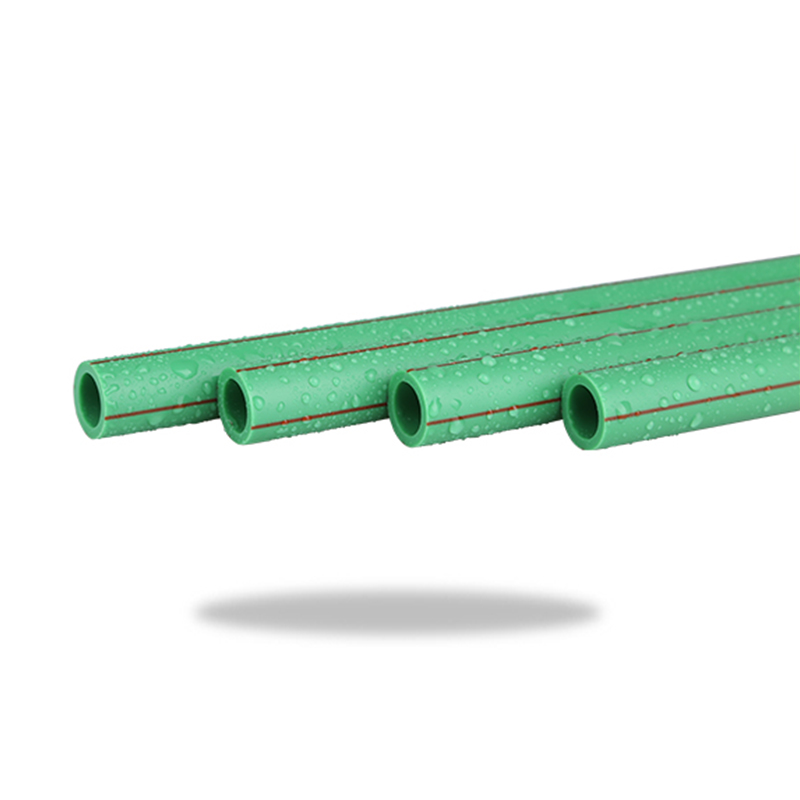
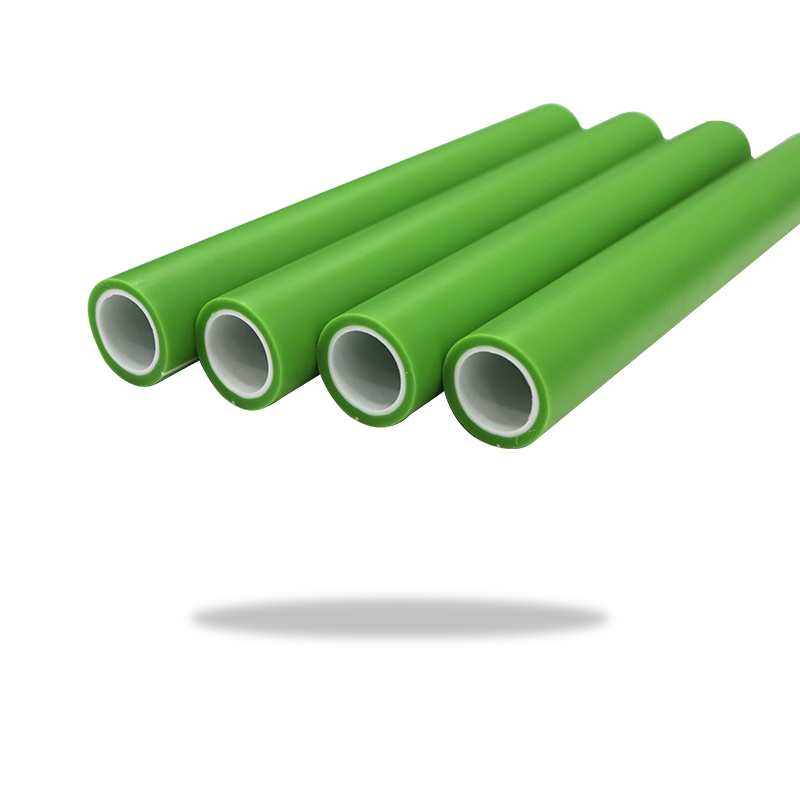
PPR stands for Polypropylene Random Copolymer — a thermoplastic material produced by randomly distributing ethylene monomers within a polypropylene polymer chain. This molecular structure gives PPR pipe a distinct combination of properties: it handles both hot and cold water under pressure, resists chemical attack, and is joined by heat fusion rather than adhesive or mechanical fittings. The result is a pipework system with no corrosion risk, no scale buildup, and leak-free joints when installed correctly.
PPR pipework has been widely adopted across Europe, the Middle East, and Asia since the 1990s, and its use in commercial and industrial pipework is growing steadily in markets where copper and steel have traditionally dominated. Understanding what PPR is — and what it can and cannot do — is essential for specifiers, contractors, and facilities managers evaluating pipework options for new builds or refurbishment projects.
PPR Pipe Pressure and Temperature Ratings Explained
PPR pipes are classified by their nominal pressure rating at 20°C, expressed as PN (Pressure Nominal). The most common classes used in commercial pipework are PN10, PN16, PN20, and PN25. As operating temperature increases, the allowable working pressure decreases — a critical factor in hot water and heating system design.
| PPR Class | Max Pressure at 20°C | Max Pressure at 60°C | Max Pressure at 80°C | Typical Application |
|---|---|---|---|---|
| PN10 | 10 bar | 3.2 bar | 1.6 bar | Cold water supply, chilled water |
| PN16 | 16 bar | 5.5 bar | 3.2 bar | Hot and cold water distribution |
| PN20 | 20 bar | 6.6 bar | 4.0 bar | Heating systems, higher-pressure circuits |
| PN25 | 25 bar | 8.0 bar | 5.0 bar | Industrial pipework, high-pressure hot water |
The maximum continuous service temperature for standard PPR pipe is 95°C, with a peak intermittent tolerance of up to 110°C. At 70°C operating temperature — typical of domestic hot water and low-temperature heating circuits — PN20 pipe provides a comfortable safety margin for most commercial building services applications.
Pipe Wall Thickness and the SDR Classification
PPR pipes are also described by their Standard Dimension Ratio (SDR), which expresses the relationship between outside diameter and wall thickness. A lower SDR number means a thicker wall relative to diameter — and therefore higher pressure capability. SDR 6 corresponds to PN25, SDR 7.4 to PN20, SDR 9 to PN16, and SDR 11 to PN10. Both the PN and SDR designations appear on quality PPR pipe markings and should always be checked before specification.
How PPR Pipework Is Joined: Heat Fusion and Why It Matters
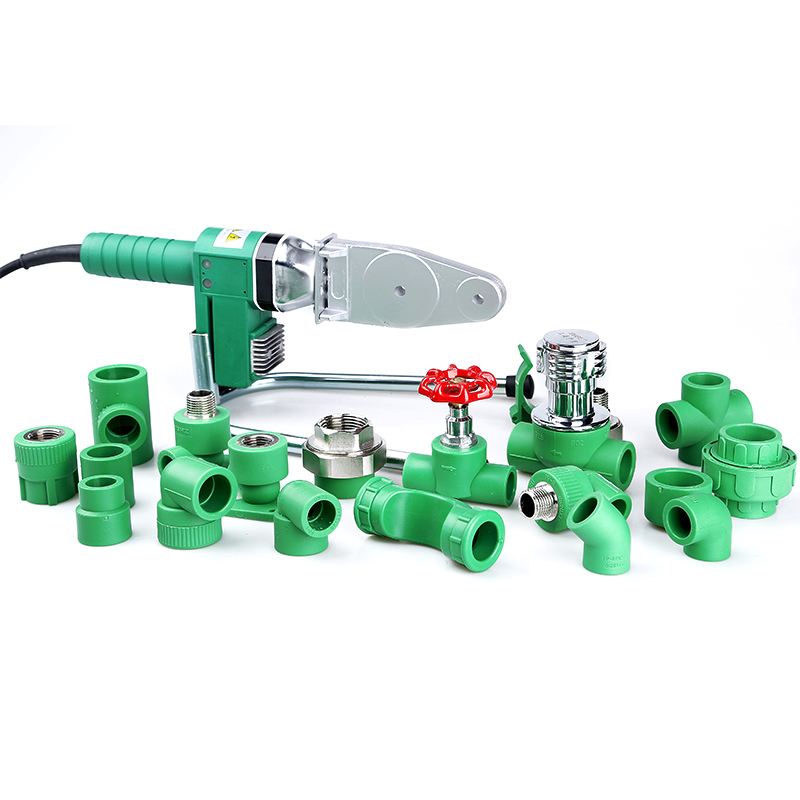
The defining installation characteristic of PPR pipework is its jointing method: socket fusion welding, also called polyfusion or heat fusion. A purpose-built welding tool heats both the pipe end and the fitting socket to between 260°C and 270°C simultaneously. When both surfaces reach the correct temperature, they are pushed together and the molten polypropylene fuses to form a single homogeneous joint — effectively one continuous piece of material with no mechanical interface.
This jointing method has important practical consequences for commercial pipework:
- No joint failure from vibration or thermal cycling: Unlike compression fittings or push-fit connections, fused joints do not loosen or fatigue over time, making them well-suited to heating and cooling systems with regular temperature fluctuation.
- No chemicals or solvents required: Solvent-weld systems (used for PVC) introduce chemicals into the work environment and require cure time before pressure testing. PPR fusion joints are structurally complete as soon as they cool — typically within 2 to 4 minutes depending on pipe diameter.
- Consistent joint quality: When correct dwell times and temperatures are maintained — typically 5 seconds heating and 4 seconds joining for 20mm pipe, scaling upward with diameter — fusion joints are highly repeatable and less dependent on installer skill than soldered or threaded connections.
- Inspection limitation: The interior of a fused joint cannot be inspected visually after completion. Pressure testing the completed system is therefore essential before concealment or commissioning.
Butt Fusion for Larger Diameter PPR
For larger diameter PPR pipes — typically 63mm and above — butt fusion welding is the standard technique in commercial and industrial pipework. Rather than using a socket fitting, the pipe ends themselves are heated face-to-face on a flat heating plate and then pressed together directly. Butt fusion requires a more substantial welding machine and greater installer training, but produces joints capable of handling the highest system pressures and is standard practice in industrial process pipework applications.
PPR Pipework in Commercial Buildings: Where It Is Used
Commercial pipework demands materials that perform consistently over decades, resist contamination, tolerate maintenance shutdowns and restarts, and ideally reduce whole-life maintenance costs. PPR pipework addresses all of these requirements across several key commercial building services applications.
Domestic Hot and Cold Water Services (DHWS/DCWS)
PPR's combination of potable water approval, smooth internal bore, and resistance to both limescale and microbial biofilm makes it a strong candidate for hot and cold water distribution in hotels, hospitals, office buildings, and residential developments. The smooth internal surface — with a roughness coefficient of approximately 0.007mm, significantly lower than copper at 0.0015mm aged — maintains flow efficiency throughout the system's service life without the progressive restriction caused by corrosion or mineral deposit accumulation in metallic pipework.
Heating and Cooling Distribution
Low-temperature heating systems (LTHW) operating at 70°C flow / 50°C return, chilled water systems, and fan coil unit pipework are all common PPR applications in commercial buildings. The material's low thermal conductivity — approximately 0.24 W/m·K compared to copper at 380 W/m·K — means PPR pipework requires less insulation than metallic alternatives to achieve equivalent heat loss performance, reducing both material cost and installation time.
Industrial Process Pipework
PPR's chemical resistance makes it widely used in industrial facilities handling acids, alkalis, and process chemicals that would corrode steel or copper systems. Pharmaceutical manufacturing, food and beverage processing, swimming pool plant rooms (where chlorinated water at elevated temperatures is handled), and chemical processing facilities all use PPR pipework where metallic alternatives would require expensive alloys or frequent replacement.
Compressed Air Systems
PPR pipe rated to PN25 is used for compressed air distribution in workshops, manufacturing facilities, and commercial garages. Its smooth bore reduces pressure drop over long runs, and the absence of internal corrosion — which generates particulates in steel compressed air systems that damage pneumatic tools and equipment — makes it preferable to galvanized steel in quality installations. PPR compressed air systems must be pressure-tested with water or nitrogen, never with air, during installation — a safety requirement specific to plastic pipework systems.
PPR vs. Alternative Commercial Pipework Materials
Specifying pipework for commercial projects requires direct comparison against the alternatives. PPR competes primarily with copper, carbon steel, CPVC, and cross-linked polyethylene (PEX) depending on the application.
| Property | PPR | Copper | Carbon Steel | CPVC | PEX |
|---|---|---|---|---|---|
| Max temp (continuous) | 95°C | 200°C+ | 400°C+ | 93°C | 95°C |
| Corrosion resistance | Excellent | Good (some water types) | Poor (requires treatment) | Excellent | Excellent |
| Joint method | Heat fusion | Solder / press | Weld / thread | Solvent cement | Push-fit / crimp |
| Thermal expansion | High (requires expansion loops) | Low | Low | Moderate | High (flexible) |
| Relative material cost | Low–Moderate | High | Moderate | Low–Moderate | Low |
| UV resistance (exposed) | Poor (requires protection) | Good | Good (painted) | Poor | Poor |
The most significant limitation of PPR relative to copper and steel is its high coefficient of thermal expansion — approximately 0.15mm per metre per degree Celsius of temperature change, compared to 0.017mm/m/°C for copper. A 10-metre run of PPR pipework carrying water at 70°C in an ambient environment of 20°C will expand by approximately 75mm. Commercial PPR installations must account for this through expansion loops, directional changes, and correctly positioned fixed and sliding supports — a design requirement that adds complexity not present in metallic systems.
Design and Installation Requirements for Commercial PPR Pipework
Commercial pipework installations operate under more demanding conditions than domestic systems — higher flow rates, greater system pressures, longer pipe runs, and more rigorous regulatory and commissioning requirements. PPR pipework in commercial settings must be designed and installed with these factors explicitly addressed.
Pipe Support Spacing
PPR is less stiff than metallic pipework and requires closer support spacing to prevent sagging, particularly in hot water applications where the material softens slightly. Manufacturer guidance typically specifies support intervals of 500–700mm for 20mm pipe carrying hot water, increasing to 1,000–1,200mm for 50mm pipe. These intervals are significantly closer than copper or steel, increasing the number of brackets and hangers required in large commercial installations.
Fire Performance and Sleeve Requirements
As a thermoplastic material, PPR will melt and burn in a fire, potentially compromising fire compartmentation where pipes pass through walls and floors. UK Building Regulations (Approved Document B) and equivalent international codes require intumescent pipe collars or fire sleeves at all fire-rated penetrations in commercial buildings. This is a non-negotiable installation requirement and must be specified at the design stage, as retrofitting fire stopping to concealed penetrations is both costly and disruptive.
UV Protection for Exposed Pipework
Standard PPR pipe degrades under prolonged UV exposure — the material becomes brittle and discolors, with mechanical properties diminishing over time. External pipework, rooftop plant connections, and any installation where pipework is exposed to natural light requires either UV-stabilized PPR pipe (available from specialist manufacturers) or lagging and protective jacketing that blocks UV. This requirement should be confirmed at specification stage, as standard green or grey PPR pipe is not suitable for exposed outdoor installation without protection.
Pressure Testing Protocol
Commercial PPR pipework systems are typically pressure tested to 1.5 times the design working pressure for a minimum of 30 minutes before commissioning, in accordance with BSRIA and CIBSE guidance. Because PPR exhibits slight viscoelastic creep under sustained pressure — meaning the pipe expands fractionally under load — a two-stage test procedure is recommended: an initial pre-test at half pressure for 30 minutes to allow the system to stabilize, followed by the full test pressure for the required hold period. A drop in pressure during the hold period indicates either a leak or continued material creep, and the two must be distinguished before accepting the test result.
Specifying PPR for Commercial Projects: Key Checklist
For mechanical engineers, building services consultants, and contractors specifying or installing PPR pipework in commercial buildings, the following points cover the most important decisions and requirements:
- Select the correct PN class for each part of the system based on operating pressure and temperature, not a single class for the whole installation. Cold water mains may use PN10 while heating circuits require PN20 or PN25.
- Design expansion accommodation into all hot pipework runs from the outset. Expansion loops should be sized and located using the manufacturer's expansion calculator, not estimated on site.
- Specify pipe support brackets suitable for plastic pipe — metallic pipe clips with sharp edges will damage PPR under vibration and thermal movement. Plastic-lined or purpose-designed PPR pipe clamps are required.
- Confirm potable water approval for any pipe or fitting used in drinking water systems. In the UK, this means WRAS (Water Regulations Advisory Scheme) approval; in the EU, look for compliance with DIN 8077/8078 and relevant drinking water standards.
- Ensure installers are trained in PPR fusion welding. Incorrect dwell times, dirty or wet pipe ends, or misaligned joints are the primary causes of fusion joint failure. Many PPR manufacturers offer training and tool hire, and some specify that warranty is conditional on trained installation.
- Include fire stopping in the specification for all fire-rated wall and floor penetrations, and coordinate with the passive fire protection contractor at the design stage.
- Protect against UV exposure wherever pipe runs are or may become exposed to natural light, including during the construction phase before permanent cladding or insulation is installed.

 Email:
 Telephone:+86-21-57461561
 Phone:+86-18721379989


