


 简体中文
简体中文 English
 русский
 Español
 Français
 عربى
عربى Português
 日本語
日本語 italiano
 Nederlands
 Polskie
Content
- 1 What Is the Temperature Range of PPR Pipe?
- 2 Continuous Operating Temperature vs. Peak Temperature
- 3 How SDR/PN Rating Affects Temperature Tolerance
- 4 Temperature Range by Application Scenario
- 5 Low-Temperature Installation Considerations
- 6 PPR vs. CPVC vs. PP-RCT: Temperature Comparison
- 7 Choosing the Right PPR Pipe for Your Temperature Needs
What Is the Temperature Range of PPR Pipe?
A PPR pipe rated for domestic hot water typically holds up under continuous operation between 0°C and 70°C, with brief excursions tolerated up to 95°C. On the cold side, quality-grade material stays flexible down to around -10°C to -20°C before it starts to stiffen and lose impact resistance. These aren't arbitrary numbers — they come directly from how the polymer behaves under sustained heat and pressure over a 50-year design life, as defined by the international standard governing plastic hot and cold water piping systems.
The confusion most buyers run into isn't the numbers themselves — it's understanding that a single pipe doesn't operate at one fixed temperature ceiling. Two figures matter, and mixing them up is where selection mistakes happen.
Continuous Operating Temperature vs. Peak Temperature
Continuous operating temperature is the value a pipe can sustain for years without measurable strength loss. Peak temperature — often 95°C for PPR — is a short-term ceiling meant for occasional spikes, not everyday running conditions.
Treating 95°C as a normal working temperature is one of the most common specification errors in commercial plumbing. A pipe run at that level continuously will experience accelerated creep — a slow, permanent deformation under sustained stress — cutting years off its expected service life. This is closely tied to how the material holds up under combined thermal and mechanical loading; for a closer look at how PPR performs when both factors are pushed simultaneously, see this breakdown of long-term PPR pipe performance under high-temperature, high-pressure conditions.
The safe rule: design around the continuous rating, and treat the peak figure strictly as a safety margin for equipment malfunctions or momentary surges — never as a target operating point.
How SDR/PN Rating Affects Temperature Tolerance
Wall thickness is what actually sets how much heat a given pipe can handle at a given pressure. SDR (Standard Dimension Ratio) expresses that thickness relative to outer diameter — the lower the SDR number, the thicker the wall, and the more temperature and pressure the pipe can carry over decades.
| SDR Class | PN Rating | Continuous Temperature | Typical Use |
|---|---|---|---|
| SDR 11 | PN 10 | Up to 20°C | Chilled water, cold potable water |
| SDR 7.4 | PN 16 | Up to 60°C | Domestic hot water |
| SDR 6 | PN 20 | Up to 70°C | Radiator heating, HVAC loops |
Note the pattern: a pipe rated for hot water can always be safely used for cold water, since it carries a built-in strength margin. The reverse doesn't hold — a cold-water-rated pipe pushed into a hot water line will soften and lose pressure resistance well before its printed PN rating suggests. For a deeper technical read on how wall geometry translates into pressure resistance, this piece on the mechanical strength and compressive resistance of PPR pipe is worth reviewing before finalizing a spec.
Temperature Range by Application Scenario
Matching pipe class to actual use case avoids both under-spec failures and unnecessary over-spending on thicker-walled material than a job needs.
- Cold potable water supply: 0°C to 40°C, SDR 11 / PN 10 is generally sufficient
- Domestic hot water distribution: continuous 60°C, occasional spikes to 80°C, SDR 7.4 / PN 16
- Radiator heating and HVAC circuits: continuous 70°C, peak 95°C, SDR 6 / PN 20
- Mixed hot/cold potable systems: sizing to the hot-water branch covers both, as noted above
For potable water lines specifically, opacity and chemical inertness also factor into the decision alongside temperature — our potable water PPR pipe range is built around exactly this combination of requirements.
Low-Temperature Installation Considerations
Cold-weather jobsites bring a different risk than hot-water design: material brittleness. Below roughly 5°C, PPR resin stiffens noticeably, and bending or forcing a fitting into place at that stage can introduce micro-cracks that won't show up until the system is pressurized months later.
Standard practice on cold sites is to pre-warm pipe sections — using a heat gun or simply storing coils in a heated space for a few hours before installation — and to extend heat-fusion heating times when ambient temperature drops below 5°C. Skipping this step is a quiet cause of joint failures that get blamed on "bad pipe" when the actual issue was installation conditions.
PPR vs. CPVC vs. PP-RCT: Temperature Comparison
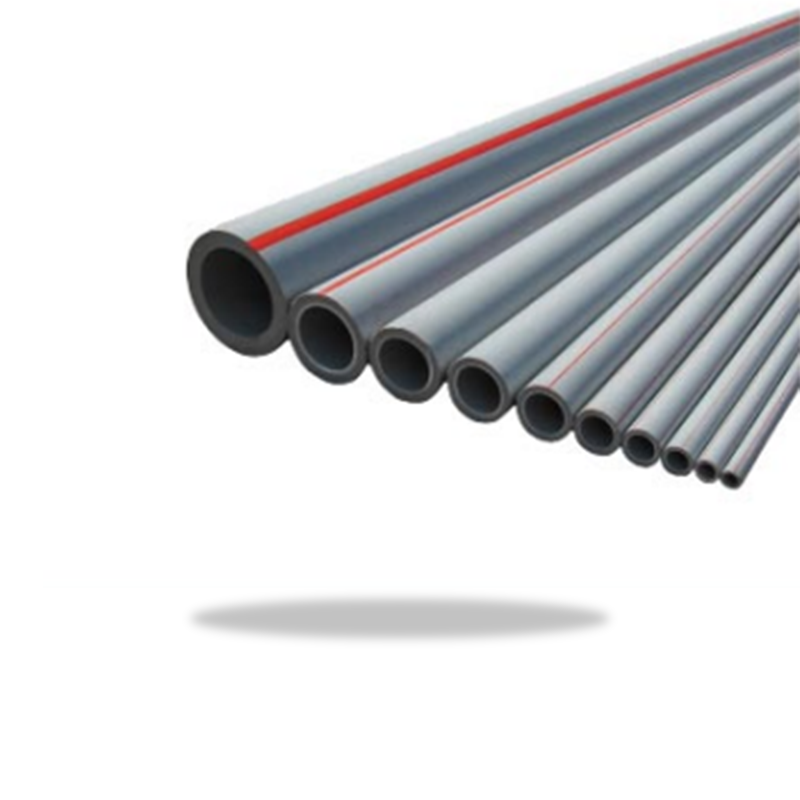
PPR sits in a middle ground among plastic piping options. CPVC typically runs a bit cooler on the continuous side — around 82°C — but with a lower peak allowance than PPR's 95°C. PVC, by contrast, is a cold-water-only material and will deform under sustained hot-water exposure.
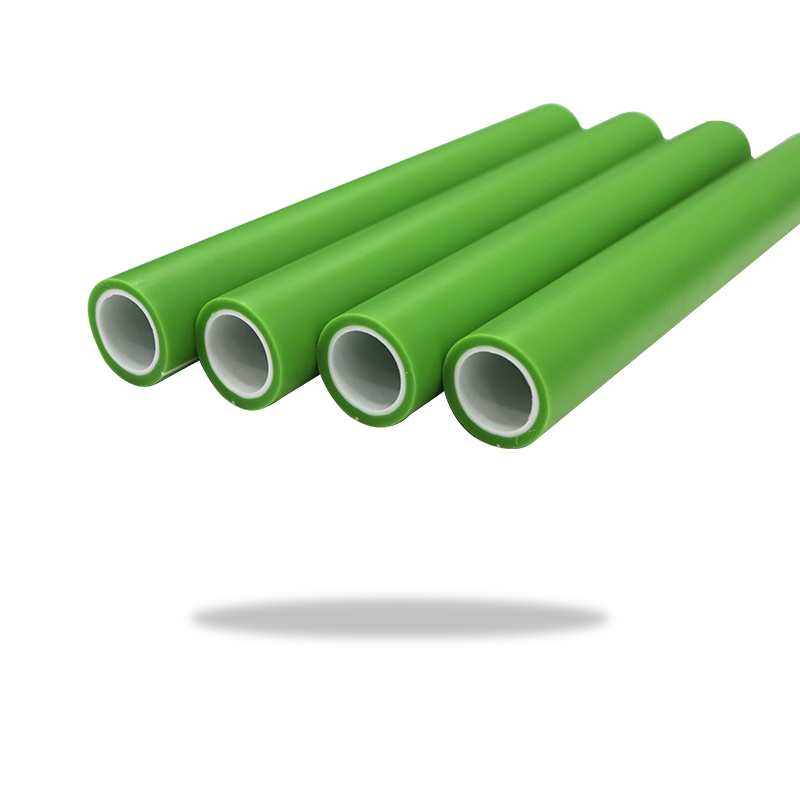
PP-RCT (a modified crystallinity variant of the same base resin) pushes the ceiling further, offering better dimensional stability at the upper end of the range, which matters most in high-rise risers or long horizontal hot-water runs where thermal expansion stress accumulates. If your project runs consistently near the top of PPR's continuous rating, it's worth reviewing how PP-RCT's temperature resistance holds up in hot and cold water applications, along with the specific material properties that make PP-RCT suited to higher-temperature service.
Choosing the Right PPR Pipe for Your Temperature Needs
Start from the actual operating temperature of your system, not the pipe's peak rating. Confirm the SDR/PN class matches that continuous figure with margin to spare, factor in ambient jobsite temperature during installation, and step up to PP-RCT where long runs or high-rise verticals push thermal expansion into a real design constraint.
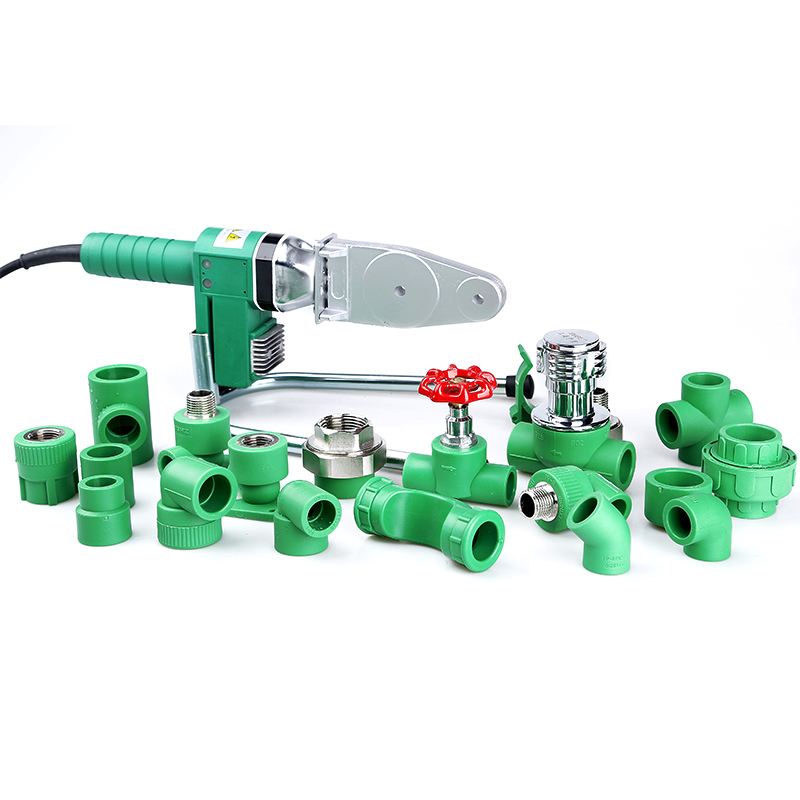
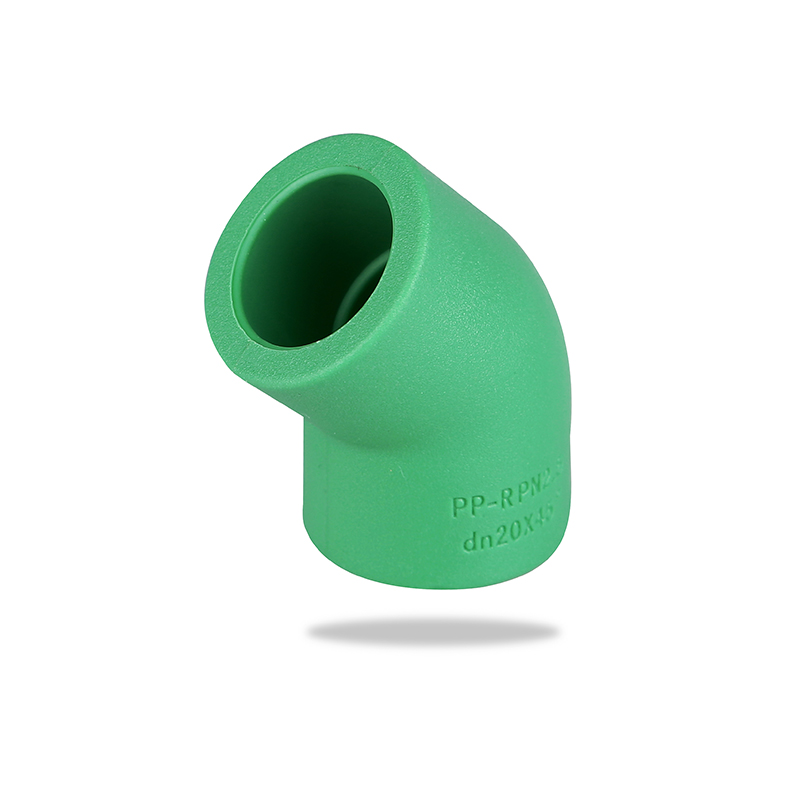
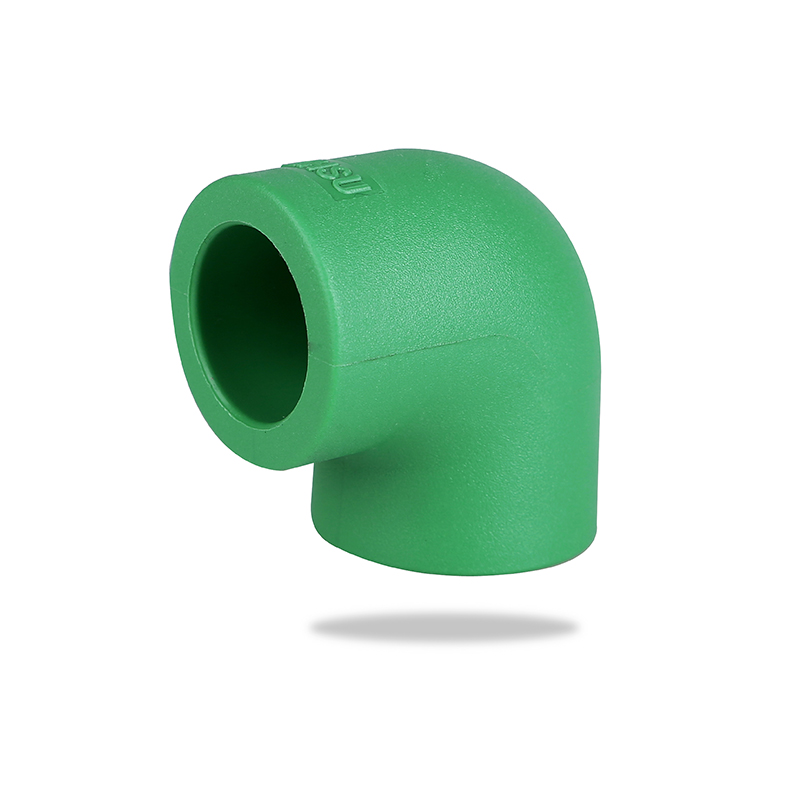
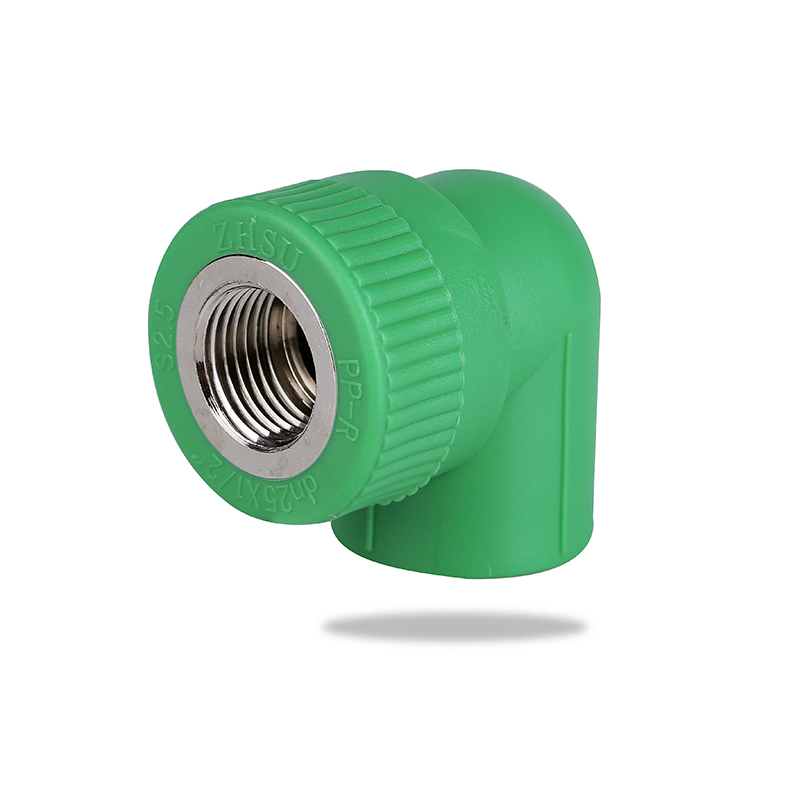
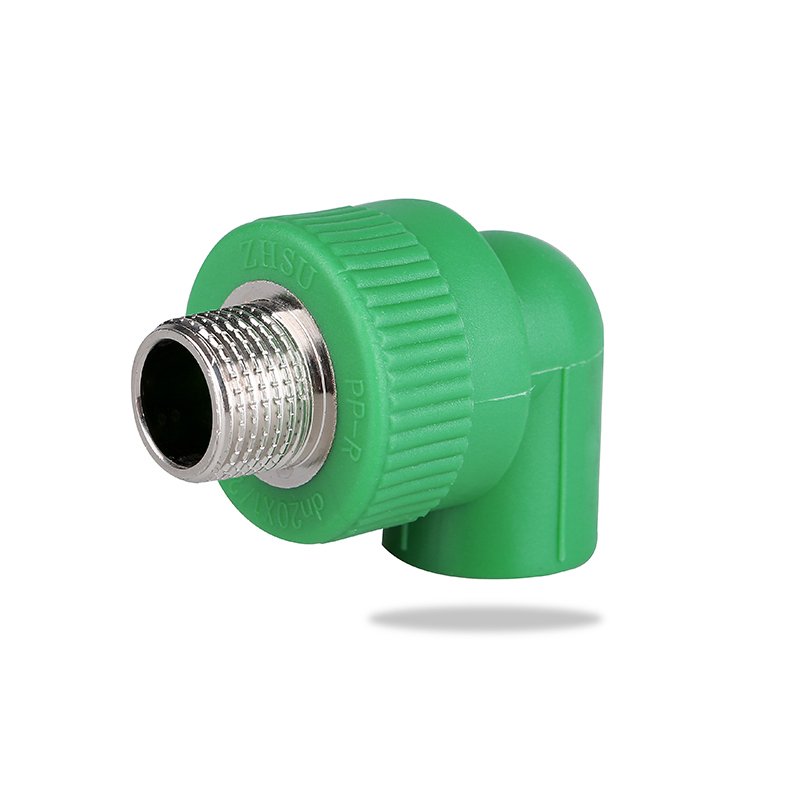
Fitting integrity matters just as much as the pipe itself once temperature cycling begins — see how PPR fittings hold their structural integrity at elevated temperatures before finalizing joint selection. For high-temperature runs specifically, our PP-RCT pipe line is built for exactly this kind of demanding service.

 Email:
 Telephone:+86-21-57461561
 Phone:+86-18721379989


