


 简体中文
简体中文 English
 русский
 Español
 Français
 عربى
عربى Português
 日本語
日本語 italiano
 Nederlands
 Polskie
Content
Why Copper Pipe and Natural Gas Don't Mix
Cut open an old copper gas line and you'll often find something unsettling: a layer of black, flaking scale clinging to the inside wall, thinner in spots than a sheet of paper. That scale is copper sulfide, and it's the reason copper piping is not permitted for natural gas distribution under current U.S. plumbing and fuel gas codes.
Natural gas, even after processing, can carry trace amounts of hydrogen sulfide and other sulfur compounds. Those compounds react chemically with copper, slowly converting the pipe wall into brittle sulfide deposits that flake away and thin the metal from the inside out. Over years, this process can open pinhole leaks in places no one is inspecting — behind a wall, under a floor, inside a cabinet.
Propane behaves differently. As a manufactured gas with a tightly controlled composition, propane doesn't carry the same sulfur load, which is why copper tubing remains an accepted choice for propane distribution in many jurisdictions even though it's barred for natural gas.
What Building Codes Actually Say
Model codes such as the International Fuel Gas Code and NFPA 54 set the baseline, and most states have adopted language that either restricts or flatly prohibits copper and brass pipe for natural gas once sulfide content exceeds a small threshold. California's plumbing code, for example, disallows copper and brass gas pipe once hydrogen sulfide concentration passes roughly 0.3 grains per 100 standard cubic feet of gas — a limit that ordinary pipeline-quality natural gas frequently exceeds.
It wasn't always this strict. Several decades ago, some regions with cleaner-burning gas supplies allowed copper tube for natural gas under NFPA 54 and older mechanical codes. As distribution networks became more interconnected and gas sourcing more variable, most of those allowances were phased out. Utilities and code officials now treat gas composition as something that can change over the life of a pipe, not a fixed condition to design around.
Underground gas piping brings an added layer of oversight. State agencies require documented corrosion protection for buried systems, whatever the material, because soil chemistry and moisture accelerate the same failure modes that sulfur gases trigger indoors. New Jersey's Department of Community Affairs, for instance, has issued guidance addressing external corrosion risk for underground gas systems built with steel, cast iron, copper, or aluminum tubing, recommending cathodic protection or a switch to non-metallic piping as an alternative corrosion-protection strategy for buried lines.
If Your Home Still Has Copper Gas Lines
Plenty of older properties were plumbed before today's restrictions took hold, so finding copper gas tubing behind a stove or water heater isn't rare. If that describes your situation, don't wait for a problem to announce itself — sulfide corrosion works from the inside, so the pipe can look fine on the outside right up until it fails.
- Watch for a stronger-than-usual rotten-egg odor near fittings, which can signal a slow leak forming
- Look for dark or greenish discoloration at joints and compression fittings
- Have a licensed gas fitter pressure-test any copper run before assuming it's safe
If a technician confirms copper is carrying natural gas in your home, the practical fix is replacement, not monitoring. A licensed contractor can swap the run for an approved material during a routine service call, and the cost is minor compared to the risk of an undetected leak inside a wall cavity.
Comparing Approved Alternatives to Copper
Three materials cover the vast majority of approved natural gas installations today, and each fits a different part of the job.
| Material | Typical Use | Installation | Long-Term Durability |
|---|---|---|---|
| Corrugated stainless steel (CSST) | Flexible runs between rigid supply and appliances | Fast, bends around obstacles, needs proper bonding | Strong, but fittings and cost run higher |
| Black iron pipe | Traditional indoor rigid distribution | Slow — requires cutting and threading each joint | Durable but can rust if exposed to moisture |
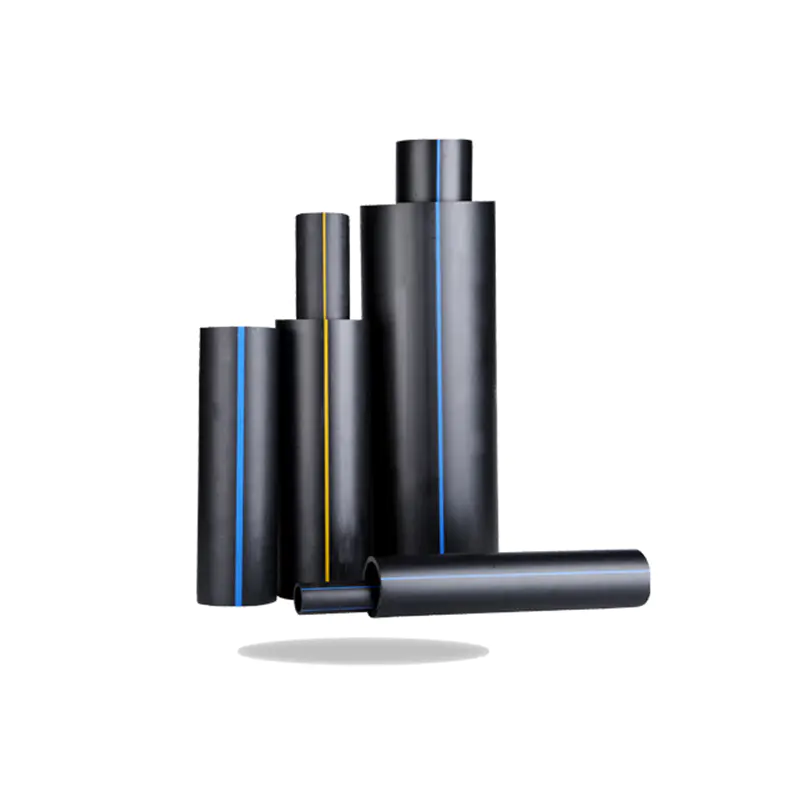
| HDPE / PE pipe | Buried service and distribution lines | Fast, fusion or mechanical joints, few fittings needed | Corrosion-immune, rated for multi-decade service |
For buried or long-run distribution work specifically, a closer look at how HDPE stacks up against PVC and steel pipe makes the trade-offs clearer than a generic materials list can.
Why HDPE Pipe Is Becoming the Preferred Choice for Gas Distribution
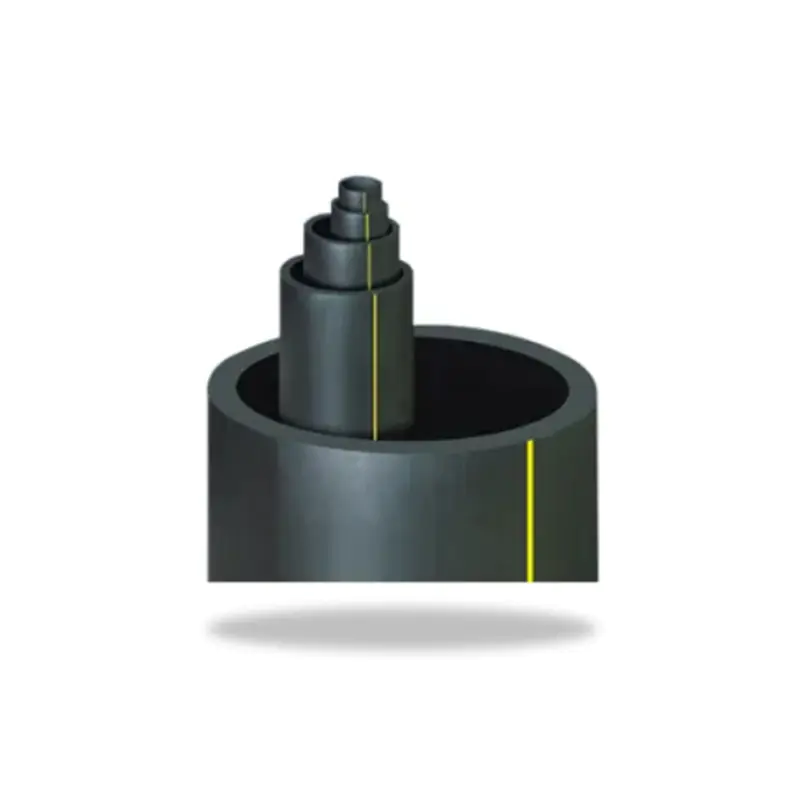
HDPE sidesteps the entire copper problem because it isn't a metal — there's no sulfide reaction, no rust, and no cathodic protection to design around. That single property explains most of its growth in gas utility work over the past two decades, and it's covered in more depth in an overview of the material properties that make HDPE suitable for natural gas transport.
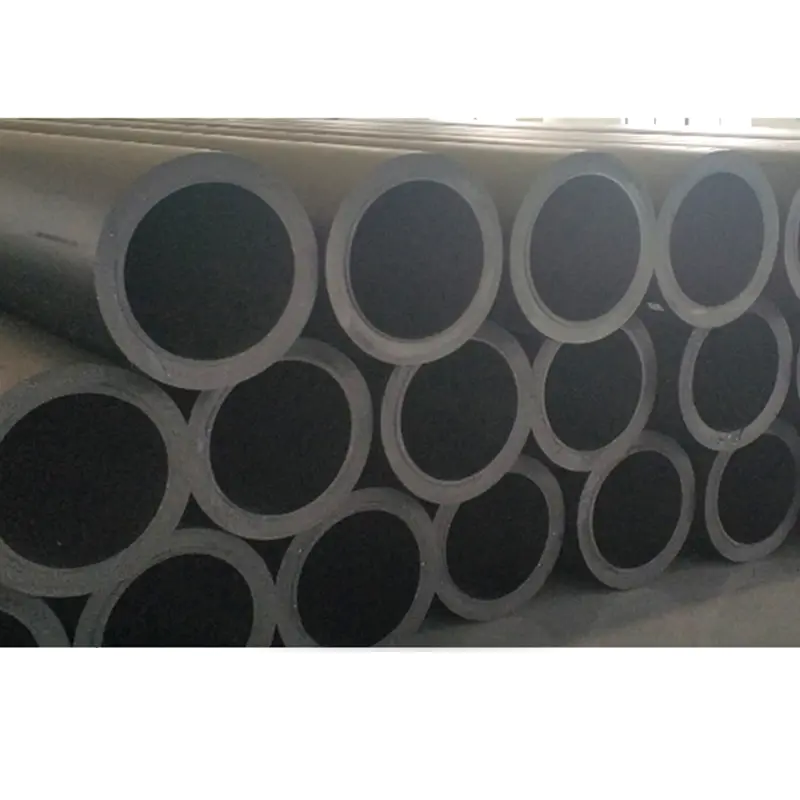
The installation side matters just as much as the chemistry. HDPE ships in coils rather than rigid lengths, so crews can pull long, joint-free runs through trenches or directional bores without the labor of threading pipe on site. Fewer joints means fewer potential leak points, which is a meaningful advantage on any buried system that won't be inspected again for years. The logistics of transporting, storing, and installing gas-grade HDPE pipe are also simpler than handling rigid steel or iron sections on a job site.
For utilities and contractors specifying material for new gas infrastructure, HDPE pipe engineered specifically for gas distribution is now a standard option in most jurisdictions rather than an exception requiring special approval.
Choosing the Right Gas Pipe for Your Project
Material selection comes down to three questions: is the run indoors or buried, what does the local code jurisdiction specifically permit, and how much of the project involves navigating existing structure versus open trench work. Indoor appliance connections often still call for CSST or black iron, while buried service and main lines increasingly favor HDPE for its combined corrosion resistance and installation speed.
Whatever the scope, the decision shouldn't be made from a generic materials chart alone. Practical guidance on selecting the right HDPE pipe for long-term pipeline stability can help match pipe grade and dimension ratio to the actual pressure and soil conditions a project will face.

 Email:
 Telephone:+86-21-57461561
 Phone:+86-18721379989


