


 简体中文
简体中文 English
 русский
 Español
 Français
 عربى
عربى Português
 日本語
日本語 italiano
 Nederlands
 Polskie
Content
Why Fittings Matter as Much as the Pipe
A gas distribution system rarely fails in the middle of a straight run of pipe. It fails at a joint. Every elbow, tee, coupling, and valve in a natural gas network is a potential leak point, which is exactly why fitting selection deserves as much scrutiny as the pipe itself.
Engineers and contractors often spend weeks comparing pipe materials and diameters, then treat fittings as an afterthought — grab whatever matches the pipe size and move on. That approach works until pressure, soil movement, or temperature swings expose a mismatch between fitting and system. Getting fittings right the first time avoids costly excavation and re-fusion later.
Common Types of Natural Gas Pipe Fittings
Gas piping systems rely on a fairly small family of fitting shapes, each solving a specific routing or connection problem.
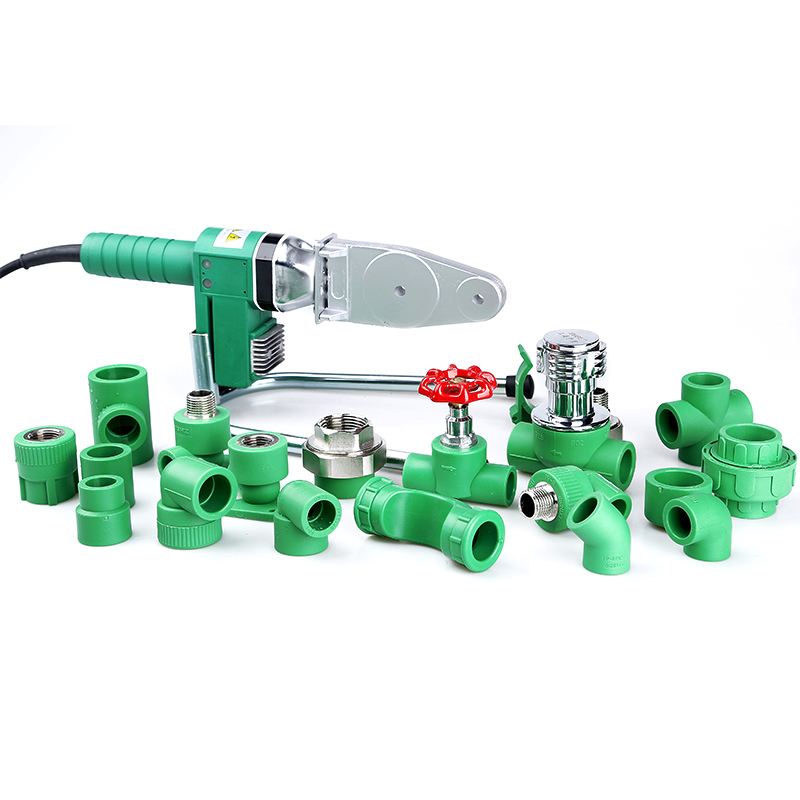
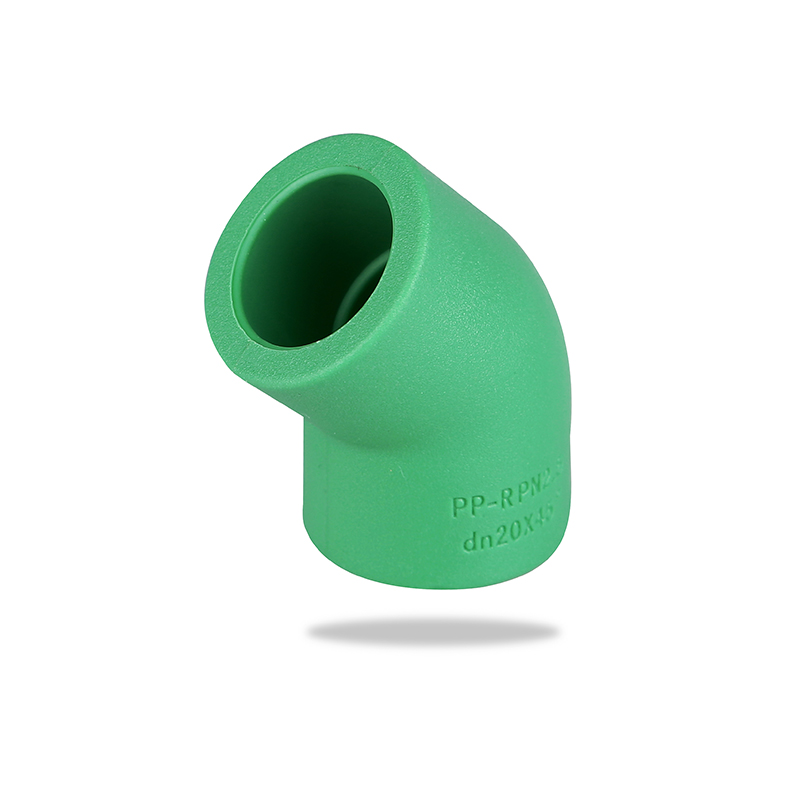
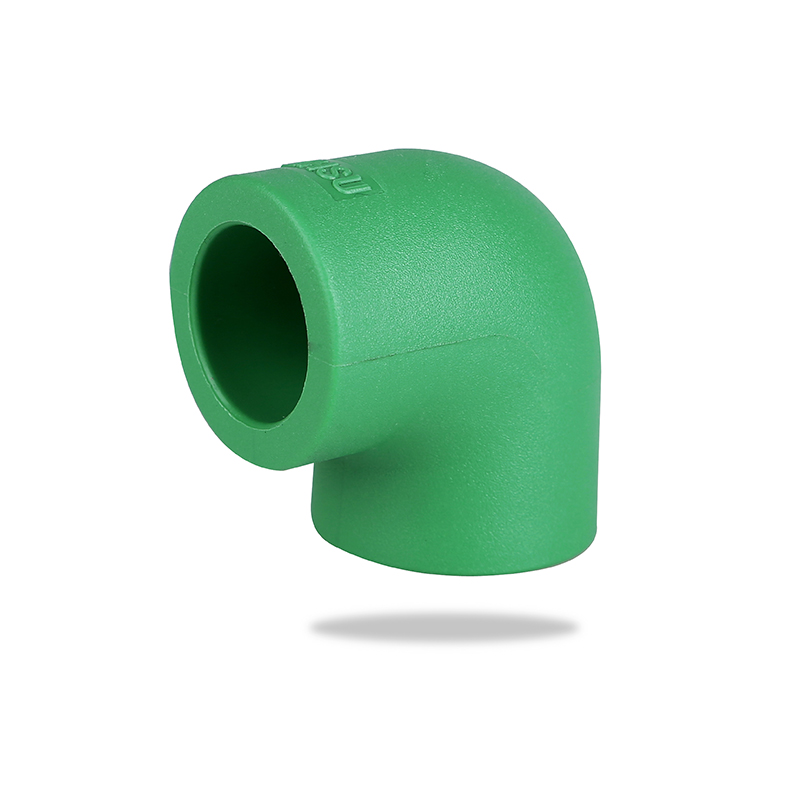
- Elbows — change direction, typically at 45° or 90°, letting a line navigate around obstacles without stressing the pipe wall
- Tees — branch a main line off to a service line or secondary run
- Couplings and reducers — join two pipe ends, either matching diameters or stepping down to a smaller size
- Transition fittings — bridge dissimilar materials, most commonly polyethylene pipe engineered for underground natural gas transmission connecting to legacy steel mains
- Caps and plugs — seal off unused branches or line ends during staged construction
- Valves — control or shut off flow, ranging from simple stop valves to excess-flow safety valves
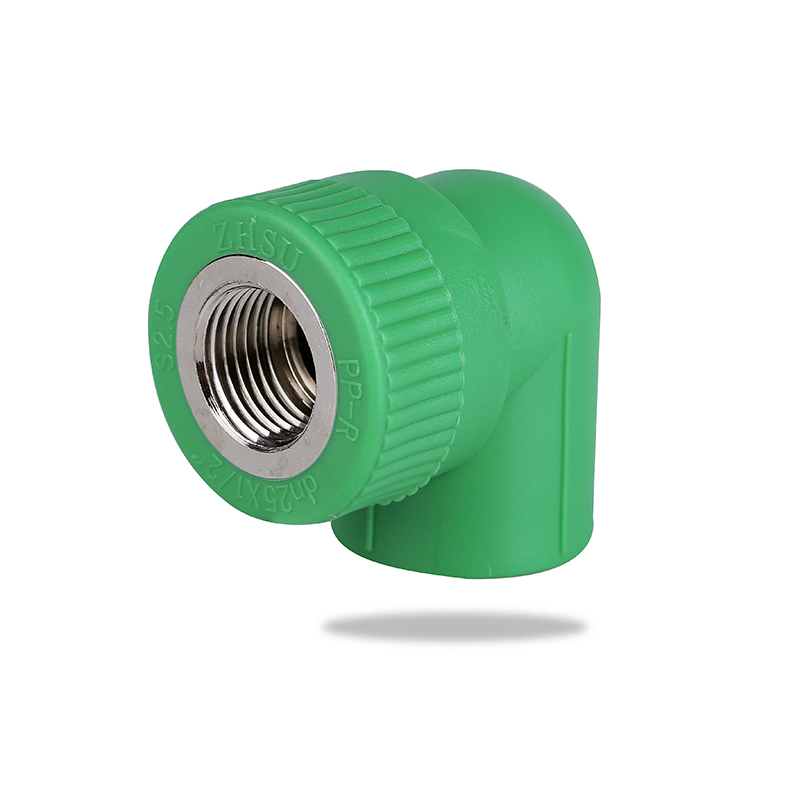
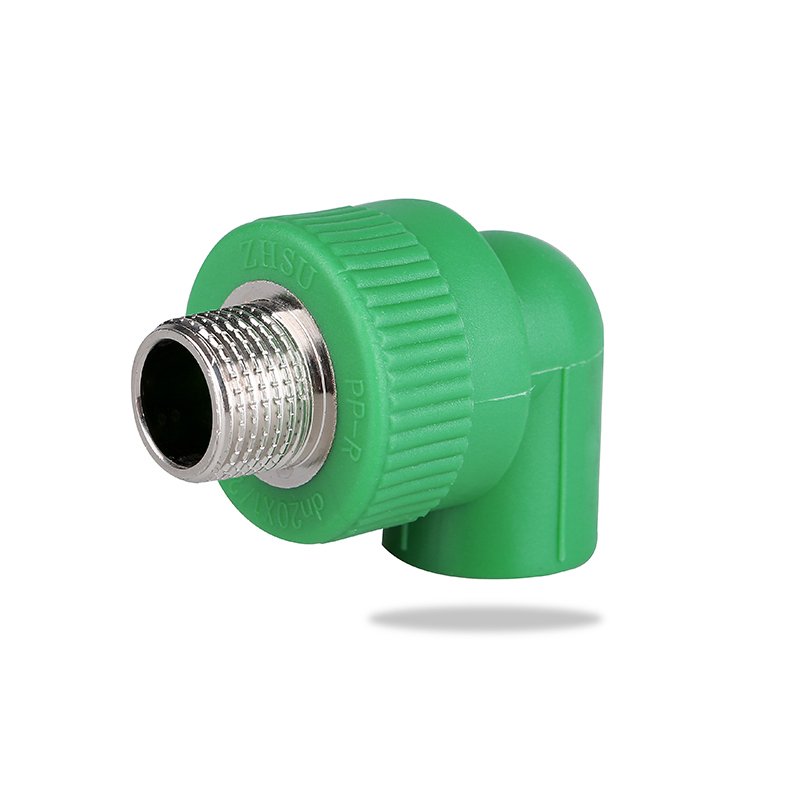
Threaded designs, like a threaded elbow that combines a 90-degree bend with a female or male connection, work well where a plastic or metal line needs to meet a threaded appliance fitting. Ball-style shutoff valves serve the opposite purpose — full-bore flow control with a quarter-turn handle for fast isolation during maintenance. Manufacturers producing custom HDPE fittings built for pressure piping systems typically offer the full range above in sizes matched to their pipe catalog, which simplifies sourcing for large projects.
Material Choices: PE/HDPE vs Steel vs Brass
Material selection drives almost everything else about a fitting — how it connects, how long it lasts, and where it can legally be installed.
| Material | Corrosion Resistance | Typical Connection | Common Use |
|---|---|---|---|
| PE / HDPE | Excellent — does not rust | Fusion (butt or electrofusion) | Underground distribution and service lines |
| Steel | Requires coating and cathodic protection | Welded or threaded | High-pressure transmission mains |
| Brass | Good, but not for direct burial | Threaded or compression | Above-ground appliance connections |
Polyethylene has become the default for new underground distribution work in most regions, largely because it sidesteps corrosion entirely. We covered the trade-offs between the two dominant underground materials in our earlier comparison of HDPE and steel for underground gas lines, including the code requirements each material triggers. A separate piece looks specifically at the material properties that make HDPE suitable for gas transmission, from gas tightness to impact resistance.
Brass keeps its place in above-ground and appliance-level connections, where its machinability and threading tolerance make quick service work practical. It is not, however, rated for direct burial the way PE and coated steel are.
Connection Methods: Fusion, Threaded, Mechanical
How a fitting joins the pipe matters just as much as what it's made from.
Fusion welding is the standard for polyethylene systems. Butt fusion heats the ends of larger-diameter pipe and fittings until they melt, then presses them together under controlled pressure to form a homogeneous joint — effectively welding two pieces of plastic into one continuous piece. Electrofusion uses a fitting with an embedded heating coil, ideal for smaller connections or tight trenches where a fusion machine can't easily operate.
Threaded connections remain common at low-pressure points, such as where a gas line meets an appliance shutoff, but codes generally restrict threading to pressures at or below 5 psig because threaded joints are more prone to leakage under vibration or thermal cycling.
Mechanical or compression fittings — including some transition and repair couplings — rely on gaskets and clamping force rather than heat or threads. They're useful for tie-ins and repairs where fusion equipment isn't practical, though they typically carry lower pressure ratings than a fused joint.
Standards and Codes That Govern Gas Fittings
Gas fittings aren't a place for improvisation — nearly every material and connection method referenced above is written directly into industry specifications.
- ASTM D2513 covers material, dimensional, and fusion requirements for PE gas pressure pipe, tubing, and fittings used in natural gas distribution
- ASTM D2683 covers socket-fusion PE fittings, while ASTM D3261 covers butt-fusion PE fittings
- 49 CFR Part 192, administered in the United States by the Pipeline and Hazardous Materials Safety Administration, incorporates these ASTM standards by reference into federal pipeline safety regulation
These standards are periodically revised as materials and fusion technology evolve. a federal rulemaking updating the referenced edition of ASTM D2513 illustrates how regulators keep pace with newer PE resin and fitting technology, which is one more reason to confirm current code compliance before specifying fittings on any new project rather than relying on a project from a few years back.
How to Choose the Right Fitting for Your Project
A practical selection process comes down to a short checklist:
- Confirm the pipe material and diameter, since fittings must match both exactly
- Determine the operating pressure and choose a fitting rated above it, not merely equal to it
- Decide whether the run is buried, above ground, or transitions between the two
- Match the connection method to available installation equipment — fusion machines, threading tools, or compression tooling
- Verify the fitting carries the relevant ASTM or local code certification for gas service
Large infrastructure projects make the stakes of this process concrete. A 58,000-meter HDPE gas pipeline project completed for Kuwait's national gas network required consistent fitting specification across thousands of joints — a scale where even a small fitting mismatch multiplies into a significant risk. For projects of any size, working with our team for project-specific fitting recommendations helps match the right combination of material, connection method, and pressure rating before procurement begins.
 Email:
 Telephone:+86-21-57461561
 Phone:+86-18721379989


