


 简体中文
简体中文 English
 русский
 Español
 Français
 عربى
عربى Português
 日本語
日本語 italiano
 Nederlands
 Polskie
Content
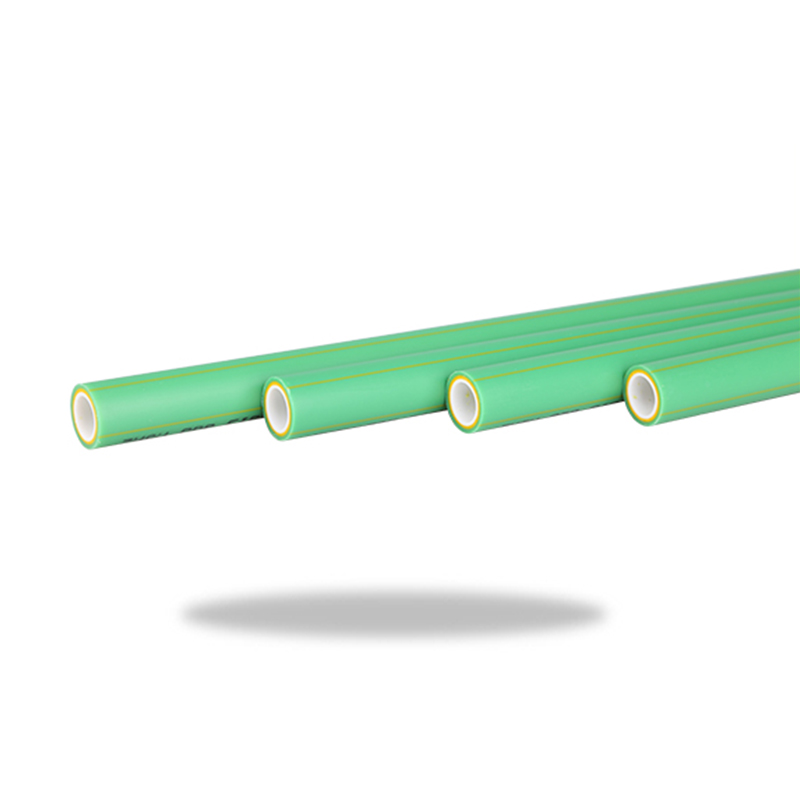
Introduction to PPR Pipes
PPR pipes, made from polypropylene random copolymer, are widely used for water supply, heating, and industrial piping systems. Assessing the quality of PPR pipes is critical to ensure durability, safety, and performance. Understanding key quality indicators helps professionals and consumers make informed decisions.
Material Quality
The base material of a PPR pipe determines its mechanical strength, temperature resistance, and longevity. High-quality pipes are made from pure PPR resin, free from recycled or low-grade additives that can compromise performance.
Resin Grade
PPR resin comes in various grades, affecting impact resistance, heat stability, and chemical resistance. Certified high-grade resins produce pipes that withstand long-term use in hot and cold water systems.
Additives and Fillers
Check for the presence of UV stabilizers, colorants, and reinforcing fillers. Excessive or low-quality additives may reduce pipe flexibility, cause brittleness, or affect safety standards.
Manufacturing Standards
Quality PPR pipes adhere to international and national manufacturing standards. These standards regulate pipe dimensions, wall thickness, tolerance, and performance under pressure and temperature.
Wall Thickness and Dimensions
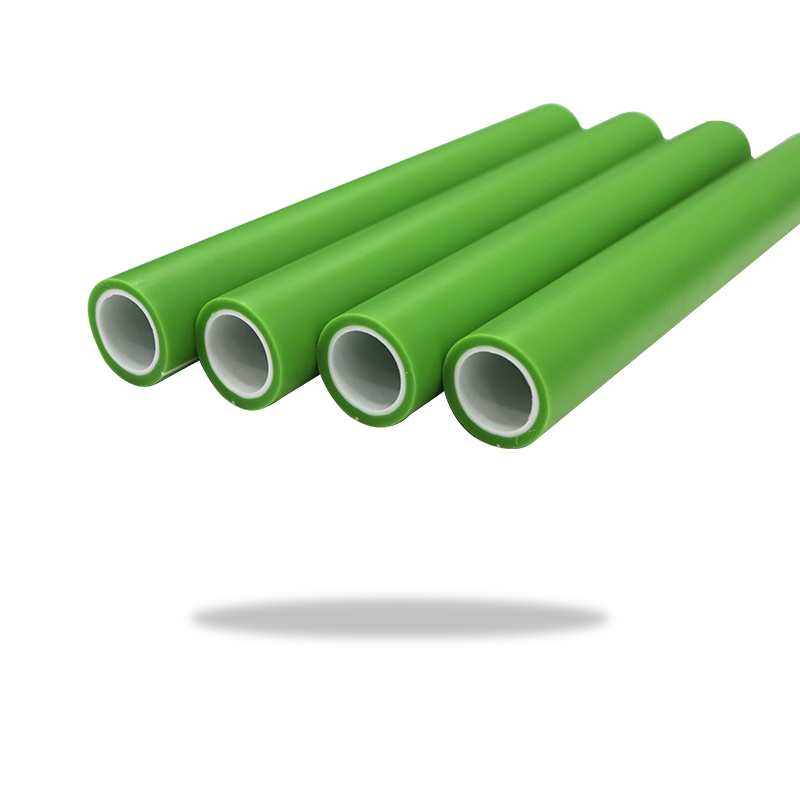
Uniform wall thickness is essential for pressure resistance and longevity. Check the pipe diameter and wall thickness against standard specifications to ensure reliability.
Production Process
High-quality PPR pipes are produced using precise extrusion equipment that ensures uniformity, minimal internal stresses, and smooth surface finish. Poorly manufactured pipes may have uneven surfaces, weak points, or defects that reduce lifespan.
Pressure and Temperature Resistance
PPR pipes must withstand designated pressure ratings at varying temperatures without deformation, leakage, or bursting. Checking the pipe’s pressure and temperature specifications is crucial for both residential and industrial applications.
- PN10, PN16, PN20: Common pressure ratings for water supply and heating systems.
- High-temperature resistance: Pipes should tolerate hot water up to 95°C for long-term use.
- Impact resistance: Pipes should maintain integrity under mechanical stress or temperature fluctuations.
Visual Inspection and Physical Properties
A thorough visual and tactile examination helps identify defects that may indicate poor quality.
Surface Quality
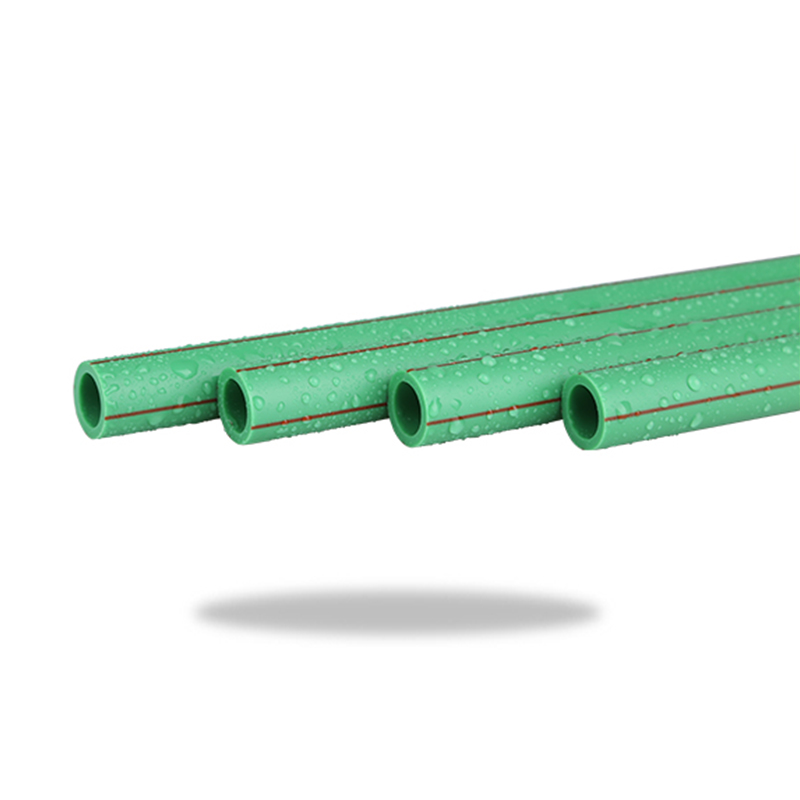
High-quality PPR pipes have smooth, uniform surfaces without cracks, bubbles, or discoloration. Uneven surfaces may lead to weak points and leakage risks.
Flexibility and Hardness
Proper PPR pipes are flexible enough to handle minor bending without cracking but maintain sufficient hardness to resist deformation under pressure.
Certification and Standards Compliance
Check for certifications and compliance with international standards such as ISO, ASTM, DIN, or local building codes. Certified pipes ensure quality, safety, and compatibility with fittings and systems.
- ISO 15874: Standard for plastic piping systems made of polypropylene.
- DIN 8077/8078: German standard for PPR pipes.
- Local approvals: Compliance with plumbing codes ensures safety and reliability.
Installation Considerations
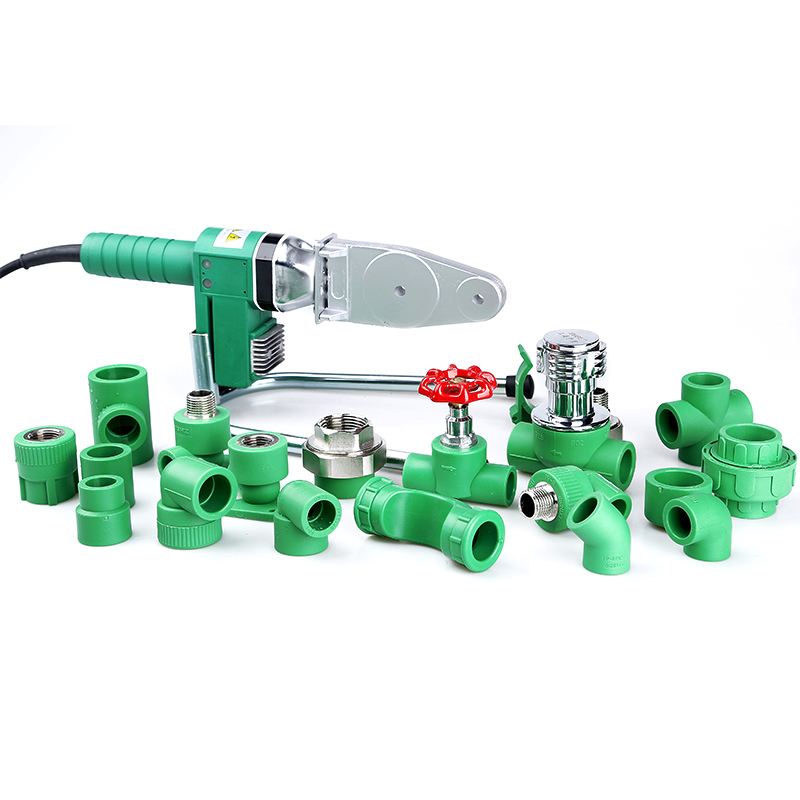
Even high-quality PPR pipes require proper installation. Incorrect fusion, alignment, or support can reduce system performance and lifespan.
- Use recommended fusion welding methods for joints.
- Ensure proper alignment to avoid stress points.
- Provide adequate support and expansion allowances for temperature changes.
- Avoid mechanical damage during handling and installation.
Cost vs. Quality
High-quality PPR pipes may be more expensive upfront but offer longer lifespan, fewer leaks, and lower maintenance costs. Avoid low-cost alternatives that compromise material and production standards, as they can increase long-term expenses.
Tips for Choosing High-Quality PPR Pipes
Follow these practical tips to ensure the PPR pipes you select meet performance and safety requirements.
- Verify material grade and purity of the PPR resin.
- Check wall thickness, dimensions, and pressure ratings against standards.
- Inspect surface finish for uniformity, color, and absence of defects.
- Confirm certifications and compliance with international or local standards.
- Ensure proper installation using recommended fusion and support techniques.
Conclusion
Judging the quality of PPR pipes requires careful evaluation of material, manufacturing process, pressure and temperature resistance, visual and physical properties, certifications, and installation practices. Selecting high-quality PPR pipes ensures reliable, durable, and safe piping systems for residential, commercial, and industrial applications.

 Email:
 Telephone:+86-21-57461561
 Phone:+86-18721379989


