


 简体中文
简体中文 English
 русский
 Español
 Français
 عربى
عربى Português
 日本語
日本語 italiano
 Nederlands
 Polskie
Content
- 1 Introduction to PPR Valves
- 2 Material Properties of PPR Valves
- 3 Advantages of Using PPR Valves for Hot and Cold Water
- 4 Types of PPR Valves for Hot and Cold Water Systems
- 5 Installation Guidelines for Hot and Cold Water Systems
- 6 Maintenance and Longevity
- 7 Comparison Table: PPR Valve Performance in Hot and Cold Water
- 8 Conclusion
Introduction to PPR Valves
PPR valves, made from polypropylene random copolymer, are widely used in modern plumbing systems due to their durability, chemical resistance, and ease of installation. These valves control water flow, prevent backflow, and are compatible with PPR pipes commonly used in residential and commercial water systems. One of the most frequently asked questions by homeowners and contractors is whether PPR valves are suitable for both hot and cold water applications. This article explores their characteristics, performance, and practical applications in different temperature systems.
Material Properties of PPR Valves
The suitability of PPR valves for hot and cold water largely depends on the material properties of polypropylene random copolymer (PPR). This thermoplastic polymer offers excellent thermal stability, chemical resistance, and mechanical strength.
Thermal Resistance
PPR valves can withstand continuous temperatures up to 95°C (203°F) and short-term exposure to temperatures up to 110°C (230°F). This makes them ideal for domestic hot water systems, where water temperatures typically range between 50°C and 70°C. For cold water systems, the thermal tolerance is more than sufficient, ensuring long-term performance without deformation or leakage.
Pressure Resistance
PPR valves are designed to handle typical residential water pressures, usually ranging from 1 to 10 bar. High-pressure variants are available for commercial or industrial applications. Pressure resistance is slightly reduced at elevated temperatures, so it’s important to select a valve rated for both the expected temperature and system pressure.
Advantages of Using PPR Valves for Hot and Cold Water
PPR valves offer several advantages that make them suitable for both hot and cold water systems. Their performance characteristics provide long-term reliability and ease of use.
- Corrosion Resistance: Unlike metal valves, PPR valves do not corrode when exposed to water, even at elevated temperatures.
- Low Thermal Conductivity: PPR material reduces heat loss in hot water systems and prevents condensation in cold water systems.
- Chemical Resistance: They are resistant to most waterborne chemicals, including chlorine and cleaning agents, ensuring durability in both domestic and commercial environments.
- Long Service Life: Properly installed PPR valves can last over 50 years, even with regular hot water use.
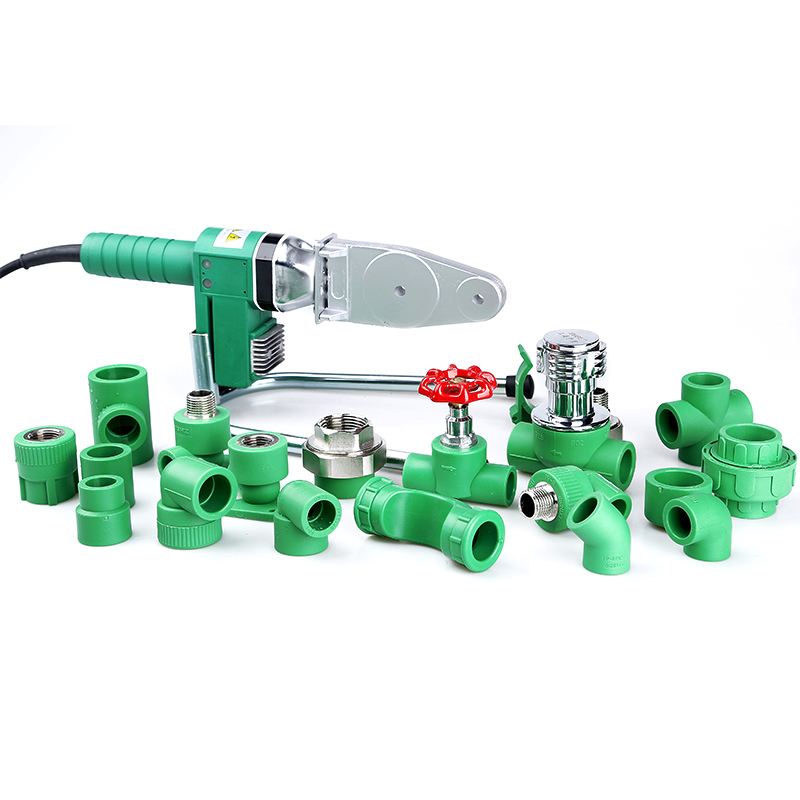
- Easy Installation: Lightweight and compatible with PPR piping systems, these valves can be installed using simple heat-fusion techniques without the need for additional sealing materials.
Types of PPR Valves for Hot and Cold Water Systems
PPR valves come in various designs, each suited to different water system requirements. Understanding the options helps in selecting the right valve for specific applications.
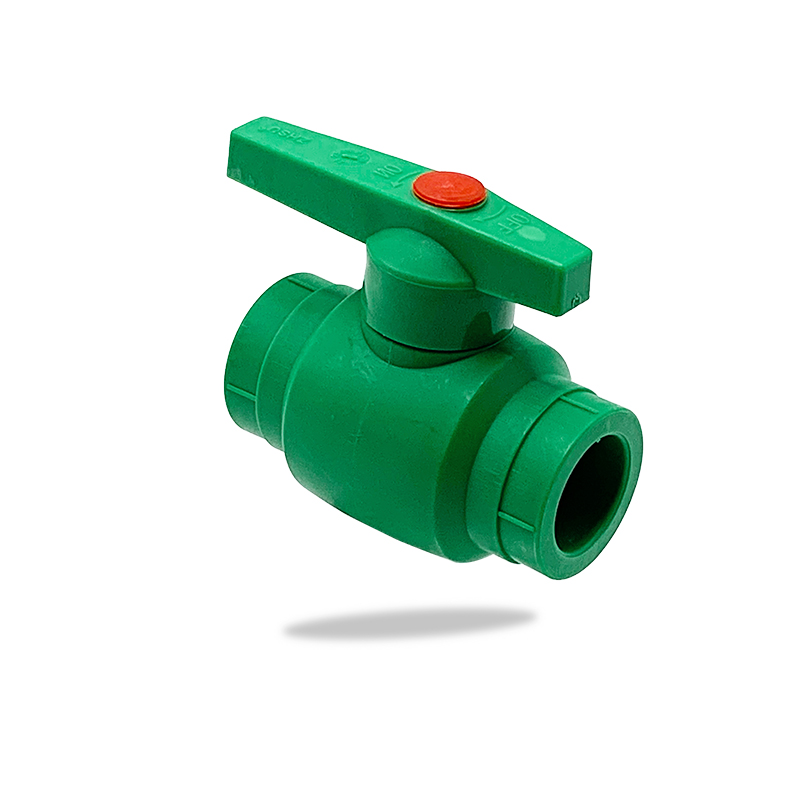
Ball Valves
Ball valves are commonly used for on/off control in PPR systems. They provide a tight seal, easy operation, and are suitable for both hot and cold water lines. Ball valves in PPR systems are often rated PN20 (20 bar at 20°C) or PN16 (16 bar at 95°C).
Gate Valves
Gate valves allow gradual control of water flow and are often installed in main pipelines. They are suitable for cold water and moderate hot water applications but should not be used in high-frequency operations due to wear on the sealing surfaces.
Check Valves
Check valves prevent backflow and protect pumps and water heaters. PPR check valves are designed for both hot and cold water and can maintain their performance even under fluctuating temperatures and pressures.
Installation Guidelines for Hot and Cold Water Systems
Proper installation is critical to ensure PPR valves perform reliably in hot and cold water systems. Following manufacturer guidelines helps prevent leaks, deformation, and premature failure.
- Ensure the valve is rated for the maximum operating temperature of the system.
- Align pipes and valves properly before fusion welding to avoid stress and deformation.
- Allow the system to cool down after hot water exposure before performing maintenance.
- Install valves away from direct sunlight and UV exposure, which can degrade the material over time.
- Flush the pipeline before installation to remove debris that could damage the valve sealing surfaces.
Maintenance and Longevity
Maintenance for PPR valves is minimal compared to metal valves. Routine checks include visual inspections for leaks, ensuring valves operate smoothly, and checking for signs of thermal deformation or discoloration.
Tips for Hot Water Systems
For hot water applications, ensure the operating temperature does not exceed the rated limit of the valve. Avoid sudden thermal shocks, such as introducing cold water into a hot system, which can stress the polymer and reduce lifespan.
Tips for Cold Water Systems
In cold water systems, protect valves from freezing temperatures. PPR valves can become brittle if exposed to extreme cold, potentially leading to cracking or leaks. Proper insulation is recommended in colder climates.
Comparison Table: PPR Valve Performance in Hot and Cold Water
| Application | Temperature Range | Pressure Rating | Notes |
| Cold Water System | 0°C – 40°C | Up to 20 bar | Minimal thermal stress, long-term durability |
| Hot Water System | 40°C – 95°C | Up to 16 bar | Ensure thermal tolerance; avoid thermal shock |
Conclusion
PPR valves are highly suitable for both hot and cold water systems due to their thermal stability, chemical resistance, and pressure tolerance. Proper selection, installation, and minimal maintenance ensure reliable performance over decades. By understanding material properties and following recommended guidelines, homeowners and professionals can confidently use PPR valves in residential, commercial, and industrial water systems without concern for leaks, corrosion, or thermal failure.
 Email:
 Telephone:+86-21-57461561
 Phone:+86-18721379989


