


 简体中文
简体中文 English
 русский
 Español
 Français
 عربى
عربى Português
 日本語
日本語 italiano
 Nederlands
 Polskie
Content
- 1 Introduction: Why PPR Matters in Modern Plumbing
- 2 Material Properties That Give PPR an Edge
- 3 Practical Installation Advantages
- 4 Performance and Longevity: What to Expect
- 5 Comparing PPR to Common Alternatives
- 6 Specification and Best-Practice Tips
- 7 Common Concerns and Troubleshooting
- 8 Conclusion: When to Choose PPR
Introduction: Why PPR Matters in Modern Plumbing
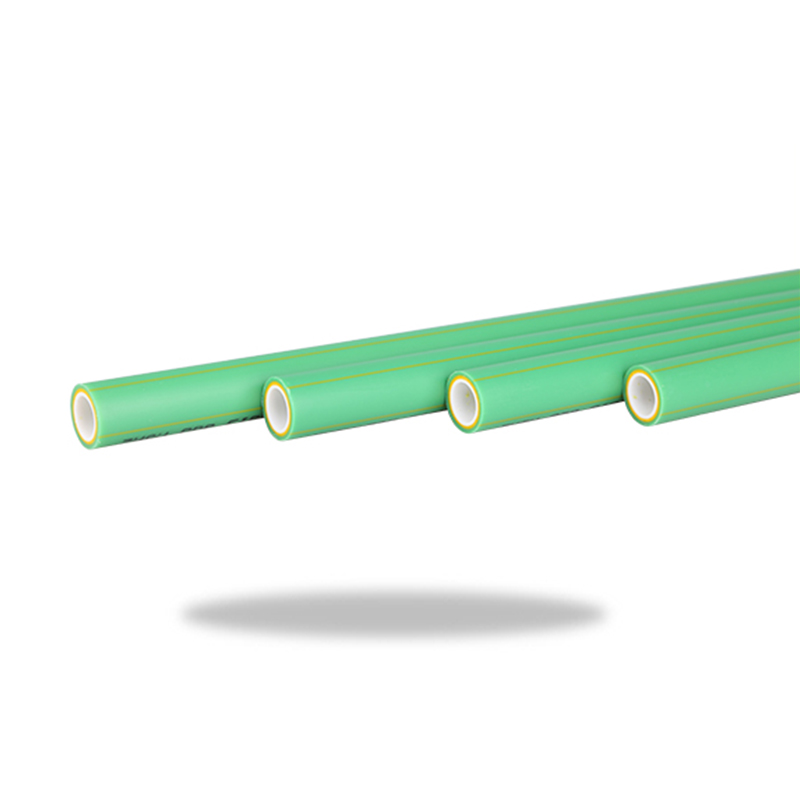
Polypropylene Random Copolymer (PPR) pipes have become a mainstream option for potable and hot-water plumbing systems in residential, commercial, and industrial settings. Their mechanical and chemical properties, combined with easy installation techniques, make them a compelling alternative to metal, PVC, and some engineered plastics. This article explains the practical reasons behind PPR’s reliability and offers actionable guidance for specifying, installing, and maintaining PPR piping systems.
Material Properties That Give PPR an Edge
PPR is a thermoplastic polymer produced by polymerizing propylene under conditions that yield a random copolymer structure. This microscopic structure produces a balance of toughness and heat resistance that benefits plumbing systems in multiple ways:
Thermal Stability and Pressure Handling
PPR maintains mechanical strength at elevated temperatures better than many other plastics. Typical PPR pressure ratings remain adequate for domestic hot-water systems at temperatures up to 95°C for short durations and 70–80°C for continuous service, depending on material class. This stability reduces deformation and creep under sustained thermal and hydraulic loading.
Chemical and Corrosion Resistance
Unlike metal pipes, PPR does not corrode. It resists many common chemicals found in water systems (chlorine at typical dosing levels, detergents, and mineral-laden water) and is insensitive to pH changes within normal drinking-water ranges. This preserves hydraulic capacity and water quality over time.
Low Thermal Conductivity
PPR’s low thermal conductivity reduces heat loss in hot-water lines. For systems where energy efficiency matters, reduced heat transfer lowers standby energy consumption and helps maintain delivered water temperature at fixtures without excessive insulation costs.
Practical Installation Advantages
Beyond raw material properties, PPR’s installation characteristics make it attractive to contractors and facility managers. The following points summarize the most practical installation benefits and common methods.
Heat-Fusion Jointing for Leak-Free Connections
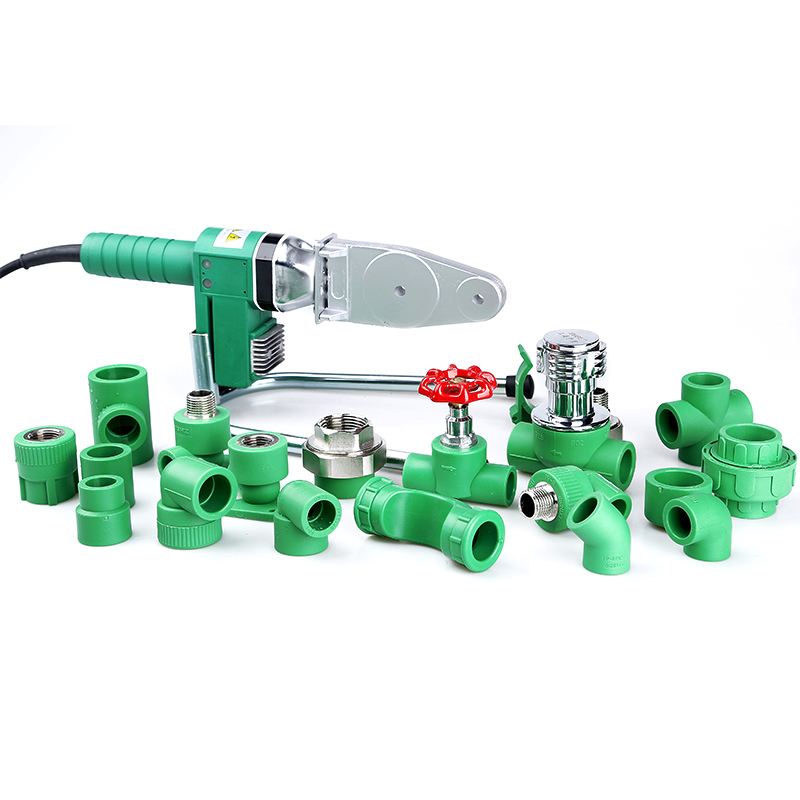
PPR pipes are typically joined by heat fusion (butt fusion or socket fusion). This creates a homogenous, molecularly fused joint that performs nearly as well as the pipe body itself. Properly executed fusion minimizes leak risk and eliminates many mechanical fittings that can fail over time.
Lightweight and Easy Handling
Compared with copper or steel, PPR is lightweight. This reduces labor effort during routing, supports simpler handling on-site, and lowers mounting requirements. For retrofit projects where access is constrained, PPR can significantly speed up installation.
Compatibility with Various Fittings and Systems
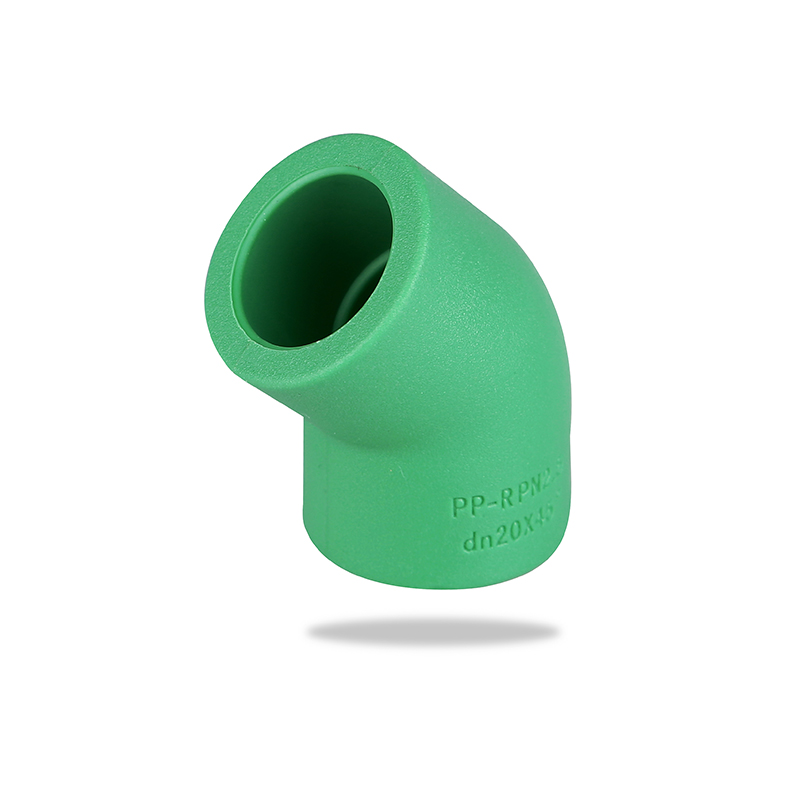
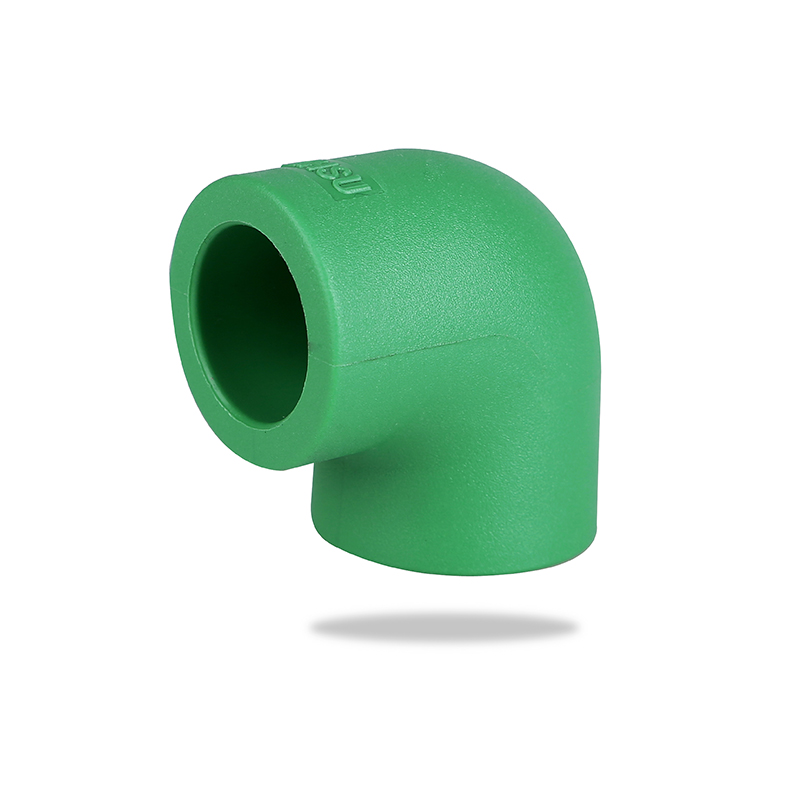
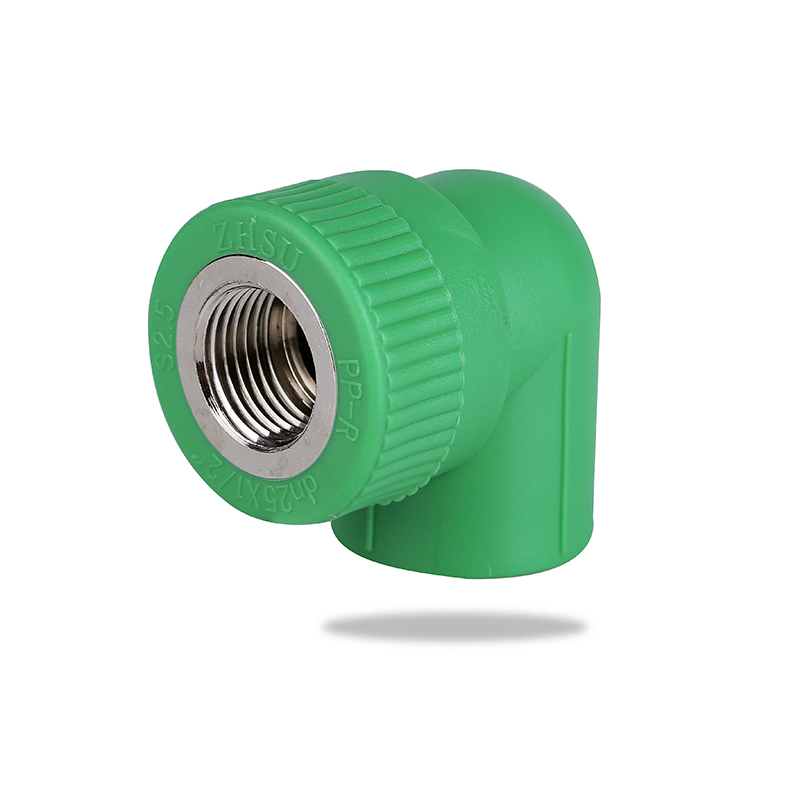
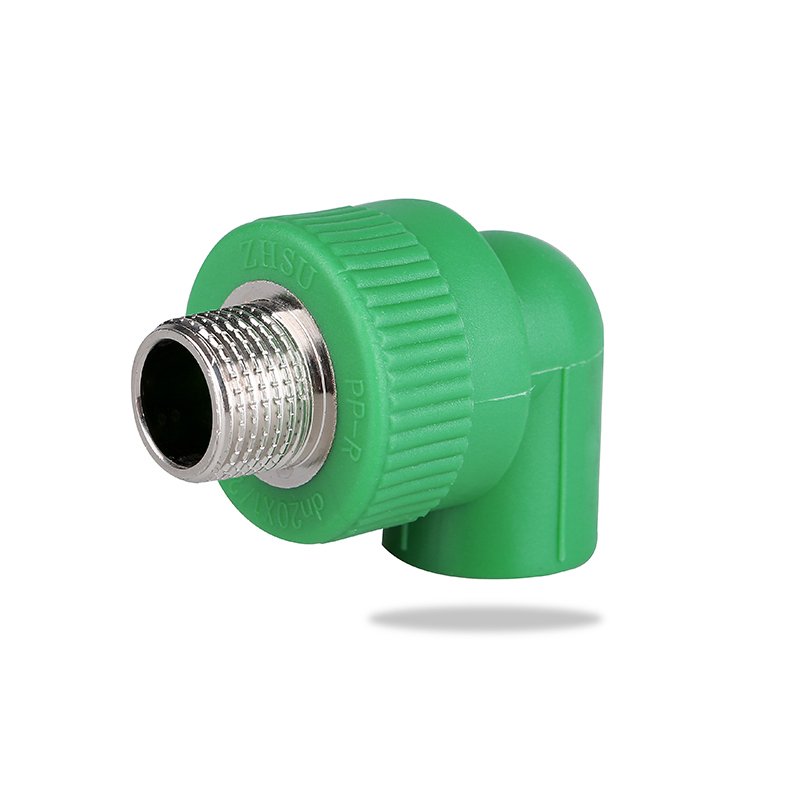
PPR systems offer a broad range of fittings (elbows, tees, manifolds, valves) and are often compatible with transition fittings to metal or other plastics. This flexibility simplifies system design and allows selective use of metallic components where required (e.g., for high-temperature appliances or mechanical connections).
Performance and Longevity: What to Expect
When correctly specified and installed, PPR piping systems deliver long service life with minimal maintenance. Key performance indicators to consider:
- Expected service life often exceeds 25–50 years in typical domestic conditions, depending on operating temperatures and pressures.
- Low maintenance: no internal corrosion, minimal scale buildup compared with unlined steel.
- Stable hydraulic performance: smooth interior surface maintains flow rates and reduces pressure loss over time.
Comparing PPR to Common Alternatives
Understanding how PPR stacks up against other materials helps specify the right pipe for each job. The table below summarizes typical performance attributes for PPR, PVC, PEX, copper, and HDPE.
| Material | Best Use | Temperature Range | Key Advantage |
| PPR | Hot & cold water | 0–95°C (short term) | Heat-fused leak-free joints |
| PEX | Flexible runs, retrofits | 0–90°C | Flexibility and fewer fittings |
| Copper | High temp & pressure | -196–150°C | Durability, fire resistance |
| HDPE | Underground & industrial | -40–60°C | High impact resistance |
Specification and Best-Practice Tips
To ensure reliable long-term performance, follow these practical rules when specifying and installing PPR systems:
- Select the correct pressure and temperature class for the application; over-specification increases cost without benefit, under-specification reduces life.
- Use certified fusion equipment and trained technicians—joint quality determines system reliability.
- Provide thermal expansion loops or slip supports where long runs are used to accommodate expansion.
- Avoid prolonged exposure to direct UV light; use protective cladding or paint when exposed outdoors.
- Follow manufacturer guidance for transition fittings when connecting to metal pipework or appliances.
Common Concerns and Troubleshooting
While PPR is reliable, common installation issues can compromise performance. Typical troubleshooting notes:
- Cold or improperly fused joints —> reheat and refinish or replace fitting.
- Support spacing too wide —> add supports to prevent sagging and reduce stress at joints.
- UV degradation where exposed —> apply UV-resistant covering or replace exposed sections.
Conclusion: When to Choose PPR
PPR pipes are a practical, cost-effective, and reliable choice for modern plumbing systems where hot and cold potable water distribution is required. Their combination of heat resistance, chemical stability, low thermal conductivity, and fusion joint integrity makes them especially suitable for domestic hot-water systems, multifamily buildings, and many commercial applications. When correctly specified and installed by trained professionals, PPR systems deliver low-maintenance service and long life—making them a strong candidate whenever long-term reliability and clean water delivery are priorities.

 Email:
 Telephone:+86-21-57461561
 Phone:+86-18721379989


