


 简体中文
简体中文 English
 русский
 Español
 Français
 عربى
عربى Português
 日本語
日本語 italiano
 Nederlands
 Polskie
PPR couplings are widely used in plumbing, heating, and industrial piping systems due to their durability, corrosion resistance, and ease of installation. Understanding their temperature and pressure resistance properties is crucial for ensuring safe operation, preventing leaks, and optimizing system performance. This article explores the thermal and pressure limits of PPR couplings, factors affecting their performance, and best practices for their application.
Content
Overview of PPR Couplings
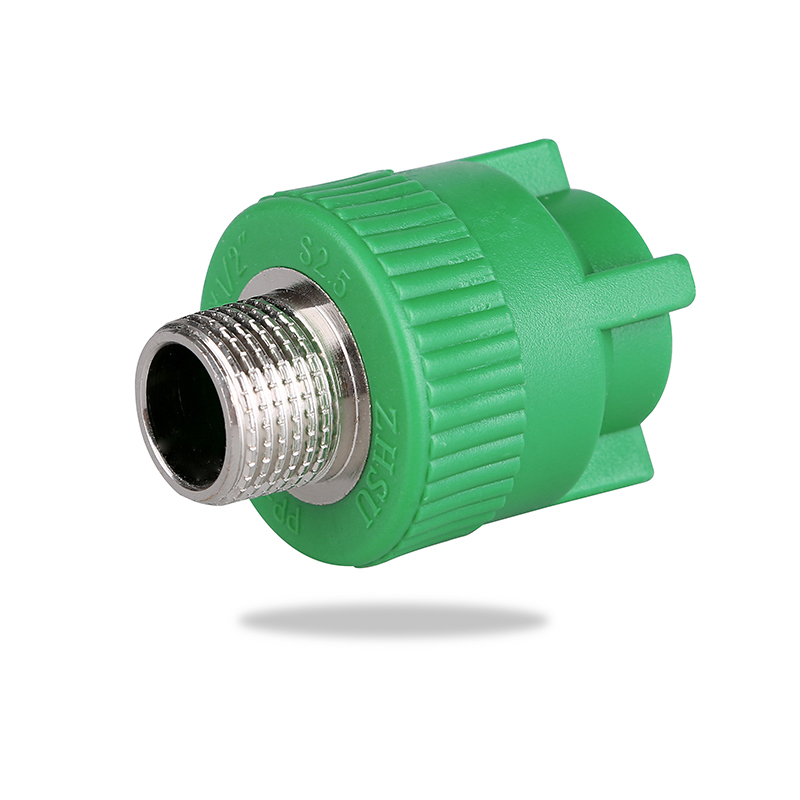
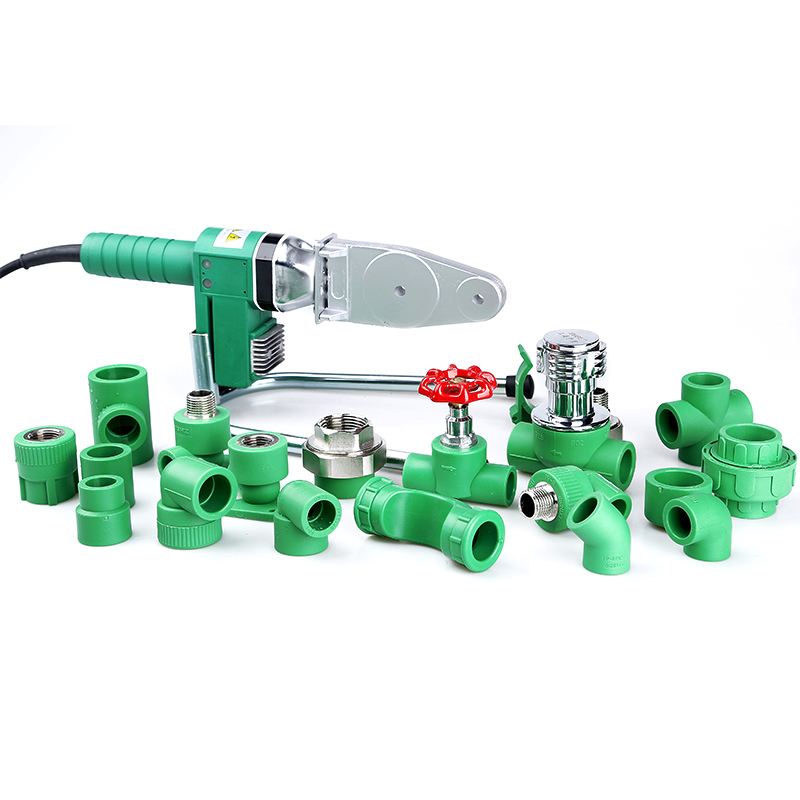
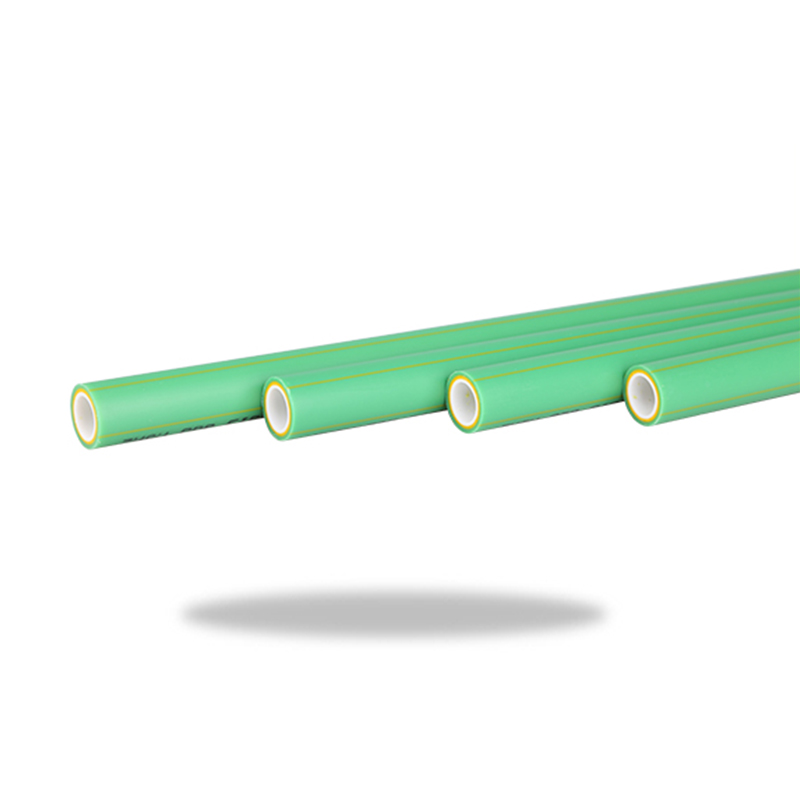
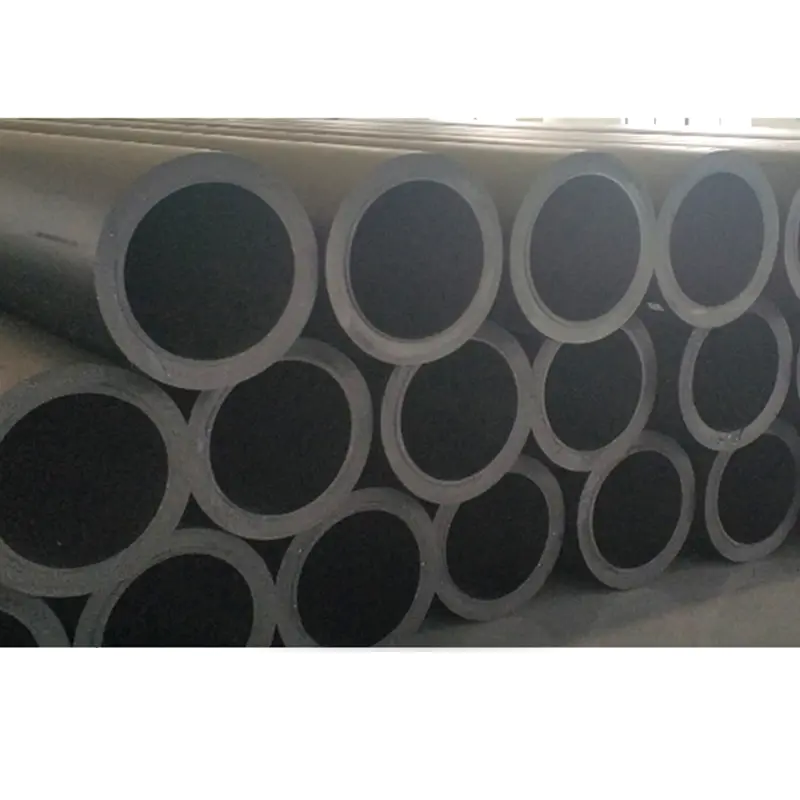
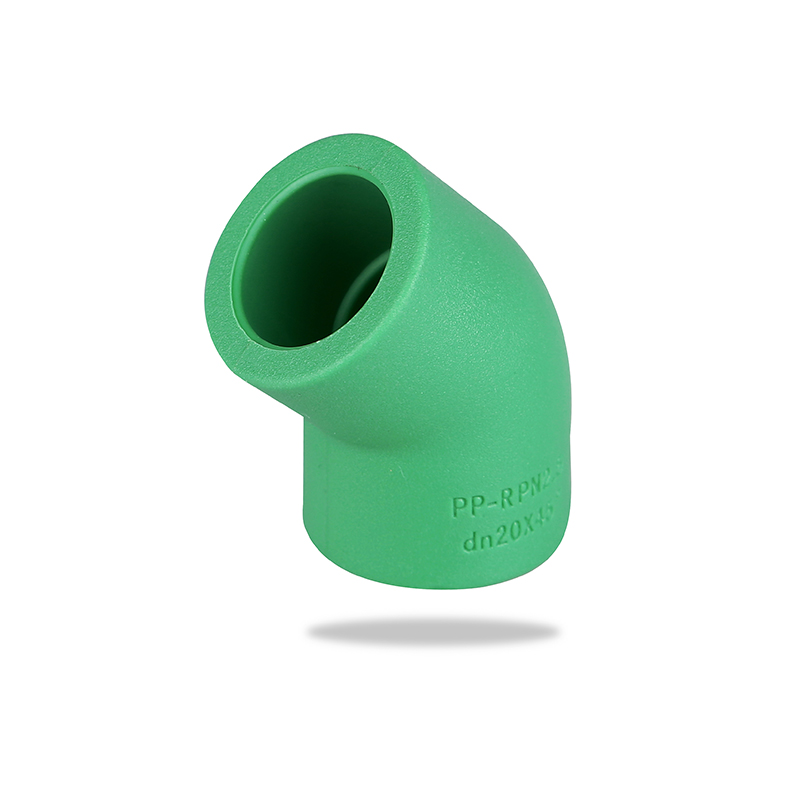
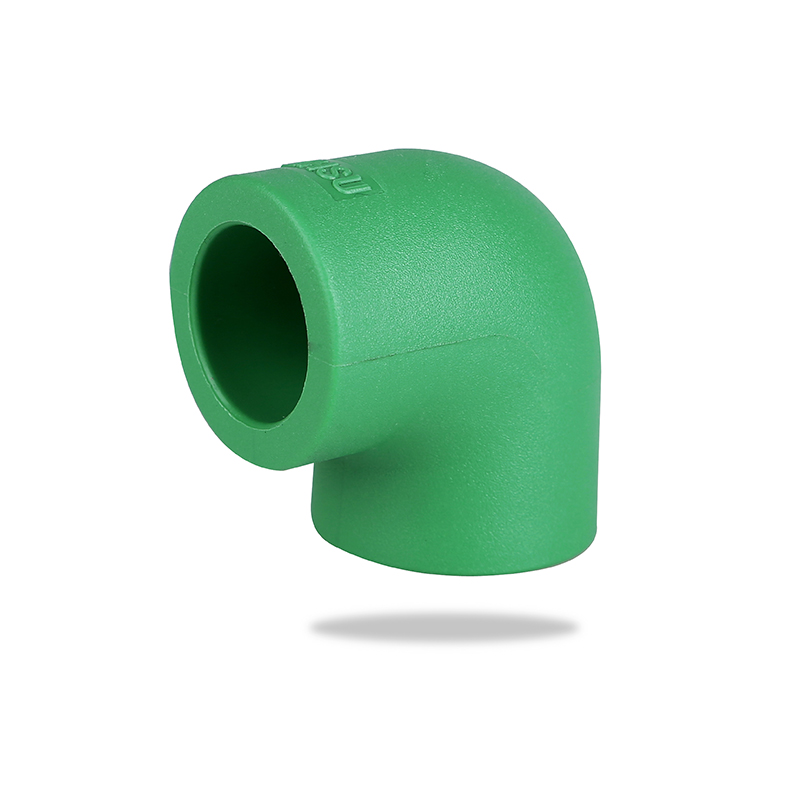
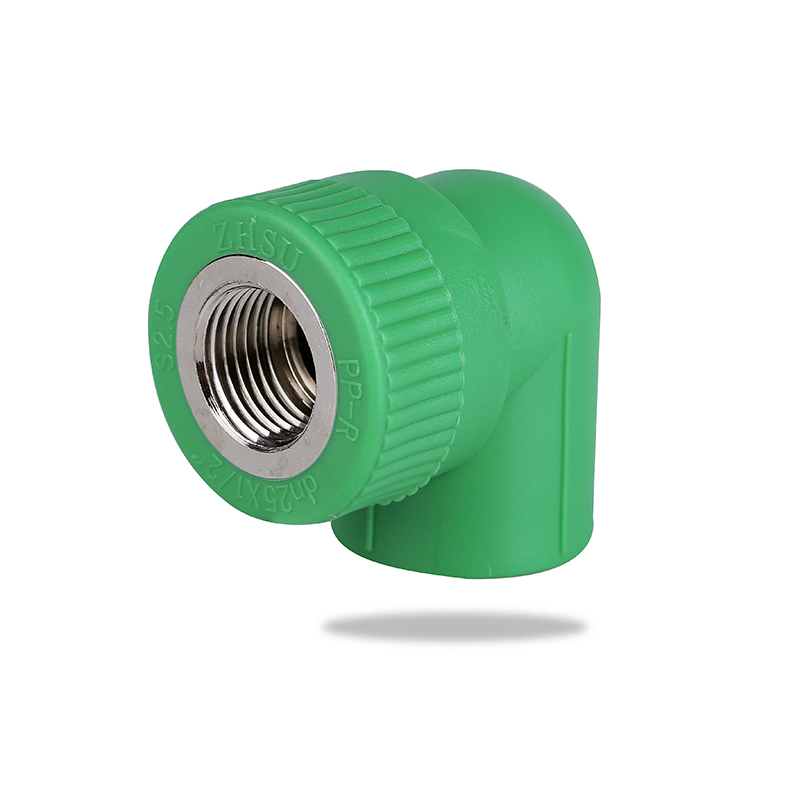
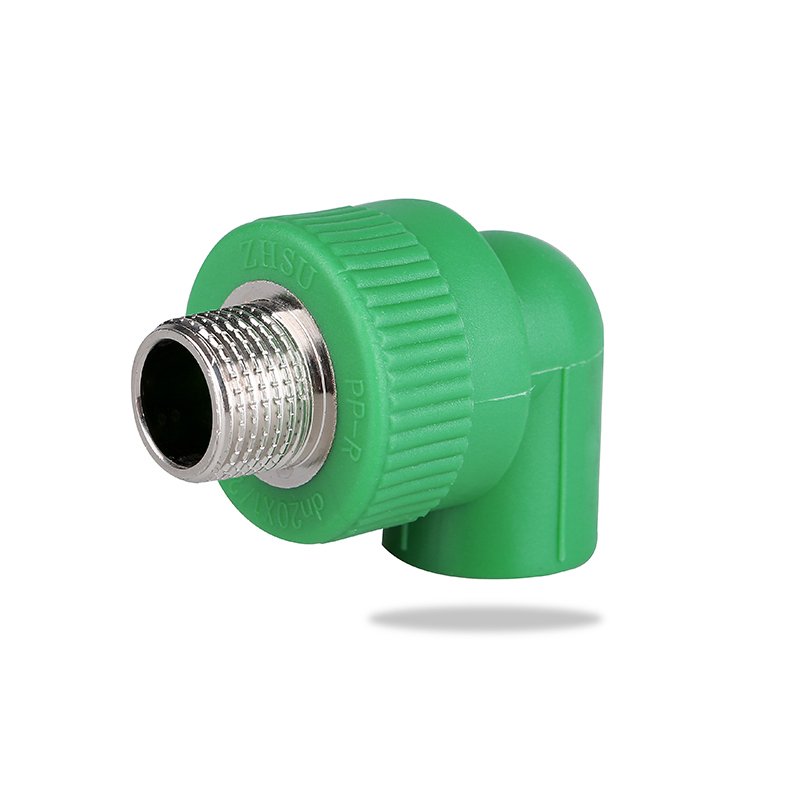
PPR (Polypropylene Random Copolymer) couplings are plastic pipe fittings used to connect PPR pipes in water supply, heating, and chemical transport systems. They are known for their high chemical resistance, long service life, and ability to withstand moderate pressures and temperatures. PPR couplings are commonly manufactured using injection molding, ensuring uniform wall thickness and consistent mechanical properties.
Temperature Resistance Properties
Temperature resistance is a key factor in determining the suitability of PPR couplings for hot water and heating systems. PPR material is designed to maintain structural integrity under elevated temperatures without deformation or degradation. The maximum operating temperature depends on the pipe and coupling class and can vary between manufacturers.
- Standard PPR couplings can typically withstand continuous water temperatures up to 70°C (158°F).
- Short-term exposure to temperatures up to 95°C (203°F) is possible, though prolonged operation at this temperature may reduce service life.
- Higher-temperature PPR variants, often labeled PN25 or PN20, are designed for hot water heating and can safely operate around 90°C to 95°C continuously.
Pressure Resistance Properties
PPR couplings are also rated by nominal pressure, often referred to as PN (pressure nominal). The pressure rating indicates the maximum internal pressure the coupling can withstand at a given temperature. This rating is critical in plumbing and heating systems to prevent leaks or failures.
- At 20°C, standard PPR couplings can typically handle pressures of 20 bar (PN20) or 25 bar (PN25).
- As temperature increases, allowable pressure decreases; for example, at 70°C, a PN20 coupling may only handle 10–12 bar.
- Proper system design must account for both operating pressure and temperature to avoid exceeding material limits.
Factors Affecting Temperature and Pressure Resistance
Several factors can influence the performance of PPR couplings, including material quality, wall thickness, and installation methods. Understanding these variables is essential for reliable operation.
- Wall thickness: Thicker walls provide higher pressure resistance, especially at elevated temperatures.
- Material quality: High-quality PPR resins offer better thermal stability and mechanical strength.
- Installation quality: Proper fusion welding ensures a leak-free connection and maintains the rated pressure and temperature performance.
Testing and Certification
Manufacturers typically test PPR couplings according to international standards such as ISO 15874 or ASTM F2389. These tests validate temperature and pressure resistance, chemical compatibility, and long-term durability.
- Hydrostatic pressure tests confirm couplings can handle rated pressures at specific temperatures.
- Thermal aging tests assess long-term resistance to hot water exposure.
- Certified couplings carry marks or labels indicating compliance with national and international standards.
Application Guidelines
To ensure the safe operation of PPR couplings, several best practices should be followed. These include proper system design, adherence to manufacturer specifications, and accounting for temperature-related pressure reduction.
- Avoid exceeding recommended temperature or pressure limits to prevent material deformation or failure.
- Use appropriate insulation for hot water systems to maintain system efficiency and protect couplings from thermal cycling.
- Regularly inspect joints for signs of stress, leakage, or discoloration that may indicate excessive temperature or pressure exposure.
Quick Reference Table for PPR Coupling Ratings
The following table summarizes typical PPR coupling temperature and pressure ratings for common PN classes:
| PN Class | Max Temperature (°C) | Max Pressure @ 20°C (bar) | Max Pressure @ 70°C (bar) |
| PN20 | 70 | 20 | 10–12 |
| PN25 | 70 | 25 | 12–15 |
Conclusion
PPR couplings offer reliable temperature and pressure resistance suitable for a wide range of plumbing and heating applications. Understanding the limits of PPR material, adhering to manufacturer specifications, and implementing proper system design are essential for safe, long-lasting operation. Regular inspection, quality installation, and certified product selection help ensure optimal performance and prevent failure under thermal or pressure stress.
By carefully considering temperature and pressure resistance properties, engineers and installers can maximize the efficiency, safety, and lifespan of piping systems using PPR couplings.
 Email:
 Telephone:+86-21-57461561
 Phone:+86-18721379989


