


 简体中文
简体中文 English
 русский
 Español
 Français
 عربى
عربى Português
 日本語
日本語 italiano
 Nederlands
 Polskie
Content
- 1 Understanding High Temperature Resistance of PPR Pipes
- 2 Material Properties That Enable Heat Resistance
- 3 Does High Temperature Resistance Decrease Over Time?
- 4 Impact of Temperature and Pressure Combination
- 5 Comparison of Performance Over Time
- 6 Installation Quality and Its Long-Term Effect
- 7 Maintenance and Usage Recommendations
- 8 PPR Pipes Compared to Other Materials
- 9 Conclusion
Understanding High Temperature Resistance of PPR Pipes
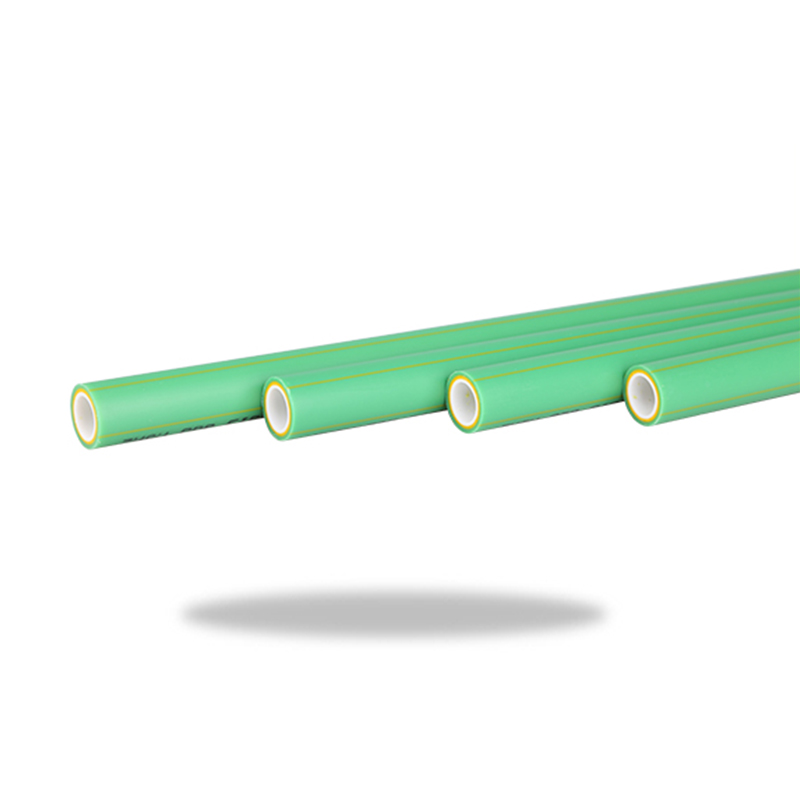
PPR pipes are widely used in hot and cold water systems due to their excellent high temperature resistance, chemical stability, and long service life. Made from polypropylene random copolymer, these pipes are designed to withstand continuous exposure to elevated temperatures without immediate failure. However, many users question whether the high temperature resistance of PPR pipes decreases over time, especially in long-term hot water or heating applications.
Material Properties That Enable Heat Resistance
The high temperature resistance of PPR pipes is rooted in the molecular structure of polypropylene random copolymer. This material offers a balance between rigidity and flexibility, allowing pipes to maintain strength under thermal stress.
Thermal Stability of PPR Material
PPR pipes are typically rated for continuous operation at temperatures up to 70°C and short-term exposure up to 95°C. Within this range, the polymer chains remain stable, preventing sudden softening or deformation under normal pressure conditions.
Role of Additives and Stabilizers
Manufacturers incorporate antioxidants and heat stabilizers into PPR pipes to slow down thermal aging. These additives protect the polymer from oxidation and molecular degradation caused by prolonged exposure to heat and oxygen.
Does High Temperature Resistance Decrease Over Time?
In practical terms, the high temperature resistance of PPR pipes does not suddenly decline, but it can gradually change due to long-term thermal aging. This process is predictable and accounted for in pipe design standards.
Thermal Aging Process
Thermal aging occurs when PPR pipes are exposed to elevated temperatures for extended periods. Over time, molecular chains slowly lose flexibility, leading to reduced impact resistance and slightly increased brittleness. However, this process is very slow under normal operating conditions.
Designed Service Life at High Temperatures
PPR piping systems are designed with a service life of 50 years when operated within rated temperature and pressure limits. This means that even though minor material aging occurs, the pipe retains sufficient high temperature resistance to remain safe and functional throughout its intended lifespan.
Impact of Temperature and Pressure Combination
Temperature alone does not determine performance. The combination of high temperature and internal pressure plays a critical role in how PPR pipes age over time.
Higher Temperature Accelerates Aging
Operating continuously near the upper temperature limit increases stress on the material. While the pipe may still function safely, prolonged exposure to temperatures above recommended levels accelerates material fatigue and reduces long-term pressure resistance.
Pressure Reduction at Elevated Temperatures
As temperature increases, the allowable working pressure of PPR pipes decreases. This is a normal characteristic of thermoplastic materials and is reflected in standard pressure-temperature rating charts.
Comparison of Performance Over Time
| Operating Condition | Expected Performance Over Time | Risk Level |
| 70°C, rated pressure | Stable for 50 years | Low |
| 80°C, reduced pressure | Gradual aging | Moderate |
| 95°C, short-term use | Acceptable for limited duration | Controlled |
Installation Quality and Its Long-Term Effect
Improper installation can significantly accelerate performance degradation, even if the PPR pipe material itself is high quality.
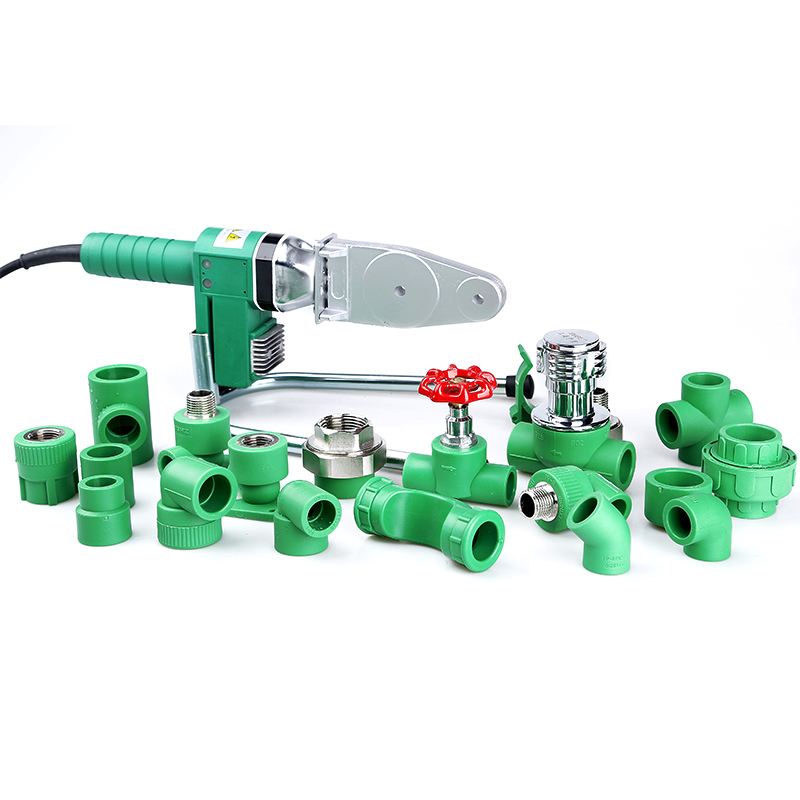
Importance of Proper Fusion Welding
Correct fusion temperature and welding time are critical. Overheating during installation can damage the pipe structure, reducing its resistance to long-term high temperature exposure.
Avoiding Continuous Thermal Stress
Allowing for thermal expansion and avoiding rigid fixation reduces internal stress. Expansion loops and proper supports help preserve the pipe’s mechanical properties over time.
Maintenance and Usage Recommendations
Although PPR pipes require minimal maintenance, certain practices help ensure stable high temperature resistance throughout their service life.
- Operate within recommended temperature and pressure limits
- Avoid prolonged exposure to temperatures above 80°C
- Ensure correct welding and installation procedures
- Use pressure-reducing valves in high-temperature systems
PPR Pipes Compared to Other Materials
Compared to metal pipes, PPR pipes offer stable performance without corrosion, even at high temperatures. Unlike some plastics, PPR maintains structural integrity without sudden loss of strength, making its aging behavior predictable and manageable.
Conclusion
The high temperature resistance of PPR pipes does not significantly decrease over time when operated within design limits. While gradual thermal aging is unavoidable, it is slow, predictable, and fully considered in standard service life ratings. With proper installation, controlled operating conditions, and appropriate system design, PPR pipes can reliably handle high-temperature applications for decades without compromising safety or performance.

 Email:
 Telephone:+86-21-57461561
 Phone:+86-18721379989


