


 简体中文
简体中文 English
 русский
 Español
 Français
 عربى
عربى Português
 日本語
日本語 italiano
 Nederlands
 Polskie
Content
- 1 Understanding PPR Size in Piping Systems
- 2 What Is the Outer Diameter in a PPR Size?
- 3 What Is the Inner Diameter in a PPR Size?
- 4 Relationship Between Inner and Outer Diameters
- 5 Why PPR Size Is Based on Outer Diameter
- 6 How to Choose the Right PPR Size for Your Project
- 7 Practical Implications for Installation and Maintenance
- 8 Conclusion: Key Differences Between Inner and Outer Diameters
Understanding PPR Size in Piping Systems
PPR size is a fundamental concept in plumbing and piping systems, especially in residential, commercial, and industrial water supply projects. When people talk about PPR size, they are often referring to the nominal size of the pipe, but in practice, this size is closely related to two critical measurements: the inner diameter and the outer diameter. Understanding the difference between these two dimensions is essential for proper pipe selection, system design, and long-term performance.
PPR pipes are typically specified by their outer diameter, which is different from many traditional metal piping systems that focus on inner diameter. This distinction can cause confusion, particularly for installers, engineers, or homeowners who are new to PPR systems. Clarifying how inner and outer diameters work together within a PPR size helps avoid costly mistakes and ensures reliable water flow.
What Is the Outer Diameter in a PPR Size?
The outer diameter is the external measurement of a PPR pipe, taken from one outside edge to the opposite outside edge. In PPR systems, the outer diameter is the primary reference used to define the pipe size. For example, a PPR 20 pipe refers to a pipe with an outer diameter of 20 mm, regardless of wall thickness or pressure rating.
This standardized approach allows fittings, valves, and connectors to match precisely with the pipe. Since all pipes with the same outer diameter can fit into the same fittings, installation becomes more consistent and reliable across different pressure classes.
Why Outer Diameter Is Standardized
Standardizing the outer diameter ensures compatibility within the PPR piping system. Whether the pipe is PN10, PN16, PN20, or PN25, the outer diameter remains constant for a given PPR size. Only the wall thickness changes to accommodate different pressure requirements.
- Ensures universal fitting compatibility
- Simplifies installation and maintenance
- Reduces errors during pipe selection
What Is the Inner Diameter in a PPR Size?
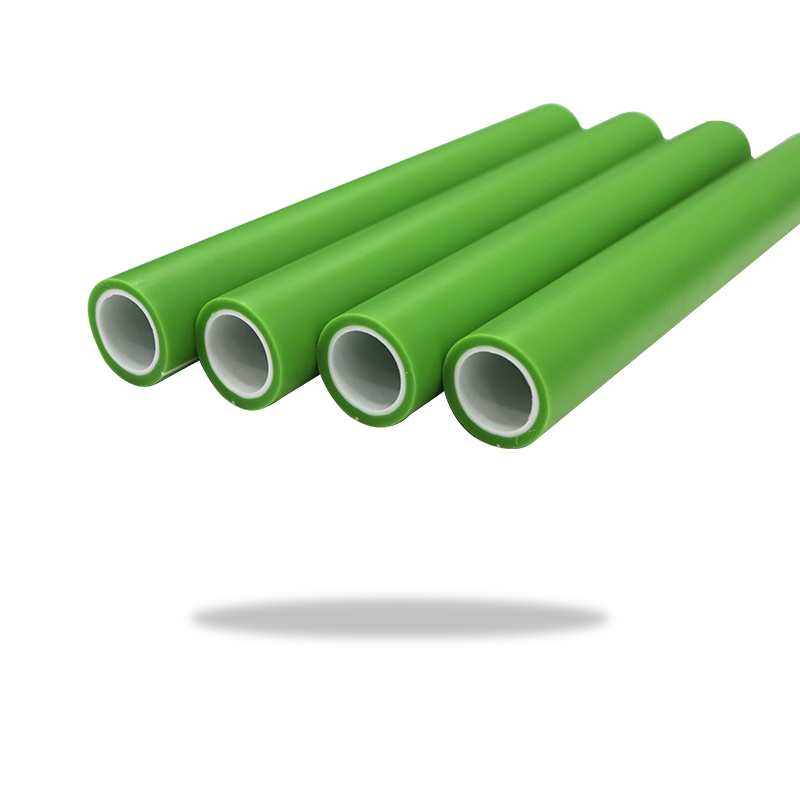
The inner diameter refers to the internal measurement of the pipe, which directly affects water flow capacity. Unlike the outer diameter, the inner diameter is not fixed for a given PPR size. It varies depending on the pipe’s wall thickness, which is determined by the pressure rating.
A thicker wall means a smaller inner diameter, while a thinner wall results in a larger inner diameter. This is why two pipes with the same outer diameter but different pressure ratings can have noticeably different flow characteristics.
How Inner Diameter Affects Flow
The inner diameter plays a critical role in determining flow rate, pressure loss, and overall system efficiency. A smaller inner diameter restricts flow, which may reduce water pressure at outlets, especially in long pipe runs or multi-story buildings.
- Larger inner diameter allows higher flow rates
- Smaller inner diameter increases pressure loss
- Directly impacts system performance
Relationship Between Inner and Outer Diameters
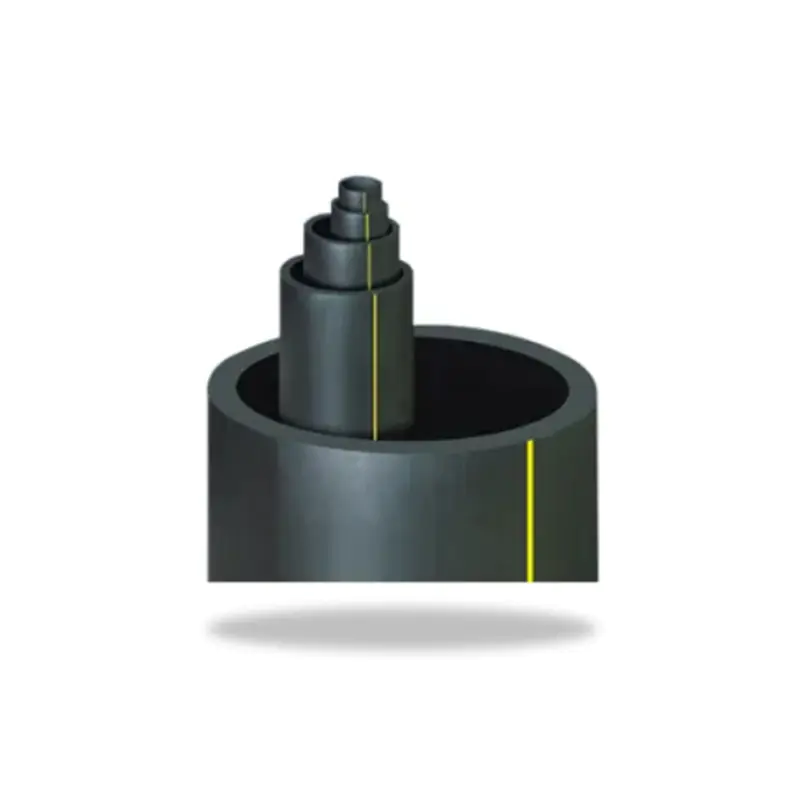
The relationship between inner and outer diameters is defined by the pipe wall thickness. In PPR pipes, wall thickness increases as the pressure rating increases, while the outer diameter remains unchanged. This design allows pipes to handle higher pressure without altering fitting compatibility.
Understanding this relationship is essential when designing systems that require both high pressure resistance and sufficient flow capacity. Choosing a higher pressure class without considering inner diameter can unintentionally reduce water flow.
Typical PPR Size Dimensions
| PPR Size (OD) | Pressure Class | Approx. Wall Thickness | Approx. Inner Diameter |
| 20 mm | PN20 | 3.4 mm | 13.2 mm |
| 25 mm | PN20 | 4.2 mm | 16.6 mm |
| 32 mm | PN20 | 5.4 mm | 21.2 mm |
Why PPR Size Is Based on Outer Diameter
Many users wonder why PPR size focuses on outer diameter instead of inner diameter. The main reason is installation reliability. Fusion welding, which is commonly used for PPR pipes, depends on precise outer diameter control to create strong, leak-free joints.
If inner diameter were the standard reference, variations in wall thickness would cause fitting mismatches and weaken connections. By fixing the outer diameter, manufacturers ensure consistency across the entire system.
How to Choose the Right PPR Size for Your Project
Selecting the correct PPR size requires balancing pressure requirements with flow demand. While higher pressure ratings provide safety and durability, they also reduce inner diameter. This trade-off must be carefully evaluated based on the application.
- Consider total water demand and flow rate
- Evaluate building height and pipe length
- Match pressure rating to actual system needs
Practical Implications for Installation and Maintenance
Understanding the difference between inner and outer diameters helps installers avoid common errors, such as undersized flow capacity or incompatible fittings. It also aids in system upgrades, where maintaining consistent outer diameter ensures new pipes integrate smoothly with existing installations.
From a maintenance perspective, knowing the inner diameter helps diagnose pressure drops, flow restrictions, and potential scaling issues over time. Proper PPR size selection ultimately leads to more efficient, durable, and cost-effective piping systems.
Conclusion: Key Differences Between Inner and Outer Diameters
The difference between the inner and outer diameters of a PPR size lies at the heart of how PPR piping systems function. The outer diameter defines compatibility and installation, while the inner diameter determines flow performance. Understanding how these two dimensions interact allows for smarter design decisions, better system efficiency, and fewer long-term issues.
By focusing on both dimensions rather than just nominal size, users can select PPR pipes that meet real-world demands with confidence and precision.

 Email:
 Telephone:+86-21-57461561
 Phone:+86-18721379989


