


 简体中文
 English
 русский
 Español
 Français
 عربى
 Português
 日本語
 italiano
 Nederlands
 Polskie

Content
Pipe Types Used for Natural Gas at a Glance
Natural gas moves through at least four kinds of pipe, and which one is right depends on where the line runs. Steel carries gas across long distances, black iron and corrugated stainless steel tubing serve inside buildings, and polyethylene dominates underground distribution.
Pipe size also varies widely. According to the federal pipeline safety agency's overview of natural gas systems, gathering and transmission lines are built from steel pipe, while distribution networks have used cast iron, steel, copper and plastic, with plastic now the most common choice for new installations. Service lines to individual buildings are typically ½ inch to 2 inches in diameter.
| Application | Typical pipe | Main reason |
|---|---|---|
| Long-distance transmission | Steel | High pressure and large diameters |
| Underground distribution and service lines | Polyethylene (PE or HDPE) | Corrosion resistance and fused joints |
| Rigid indoor piping | Black iron or steel | Strength and impact resistance |
| Final appliance connections | CSST | Flexible and fast to install |
If your line runs underground, the material is usually plastic. Operators and suppliers working in this area can find the full range of HDPE pipe for water, gas and industrial use organized by application.
Steel and Black Iron Pipe for Transmission and Indoor Lines
Steel is the workhorse of the gas industry. Transmission pipelines that cross regions are steel because the metal tolerates high operating pressure, and the same logic applies to heavy-duty indoor risers and mains in commercial buildings.
Black iron, the uncoated steel pipe with threaded joints, remains the traditional choice for rigid indoor gas piping. Its thick wall resists damage, and an accidental nail strike will not easily puncture it. The trade-off is labor: black iron is heavy, must be cut and threaded to length, and takes longer to install than flexible alternatives.
Black iron also corrodes when buried or exposed to moisture unless it is coated and protected. That is why underground runs have moved away from bare metal in most new work.
CSST for Flexible Appliance Connections
Corrugated stainless steel tubing, or CSST, is a flexible metal tube. Most homeowners have seen it as the bendable line linking a rigid gas pipe to a furnace, water heater or range. It is sold in coils, which means installers can route it around obstacles without the many elbows and joints that rigid pipe requires.
Its use is generally limited to that final connection. Some jurisdictions allow CSST for whole-building supply systems, but local rules differ, so a run that is acceptable in one city may not be in the next. Check the adopted fuel gas code before specifying it, and follow the manufacturer's bonding and grounding requirements.
Polyethylene Pipe for Underground Gas Distribution
For buried distribution mains and service lines, polyethylene is the standard answer. It does not rust, it shrugs off most soil chemistry, and it flexes with ground movement instead of cracking. Those traits matter because digging up a buried gas line to repair corrosion is slow and expensive.
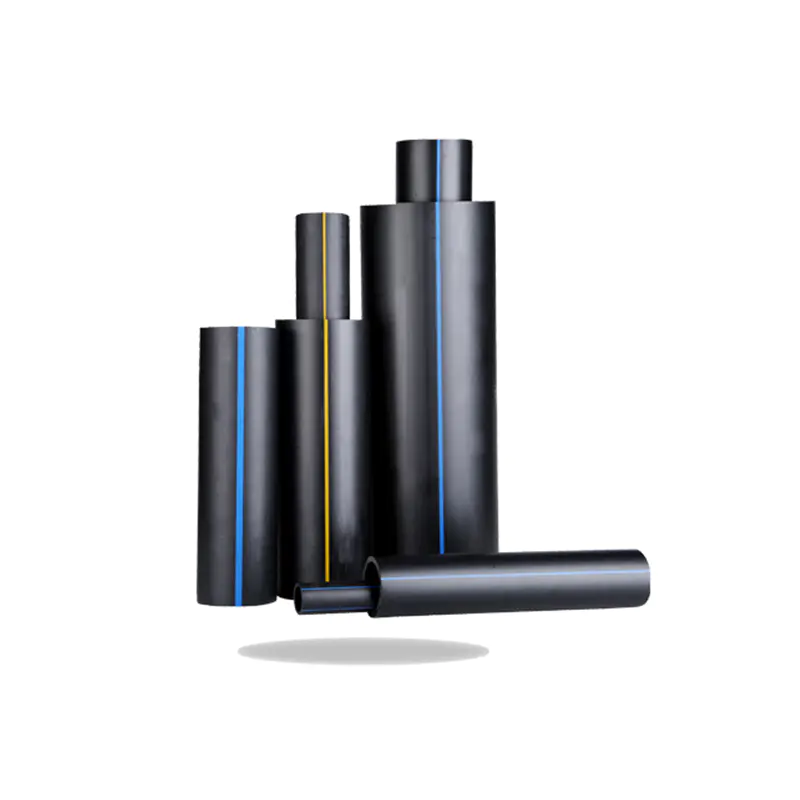
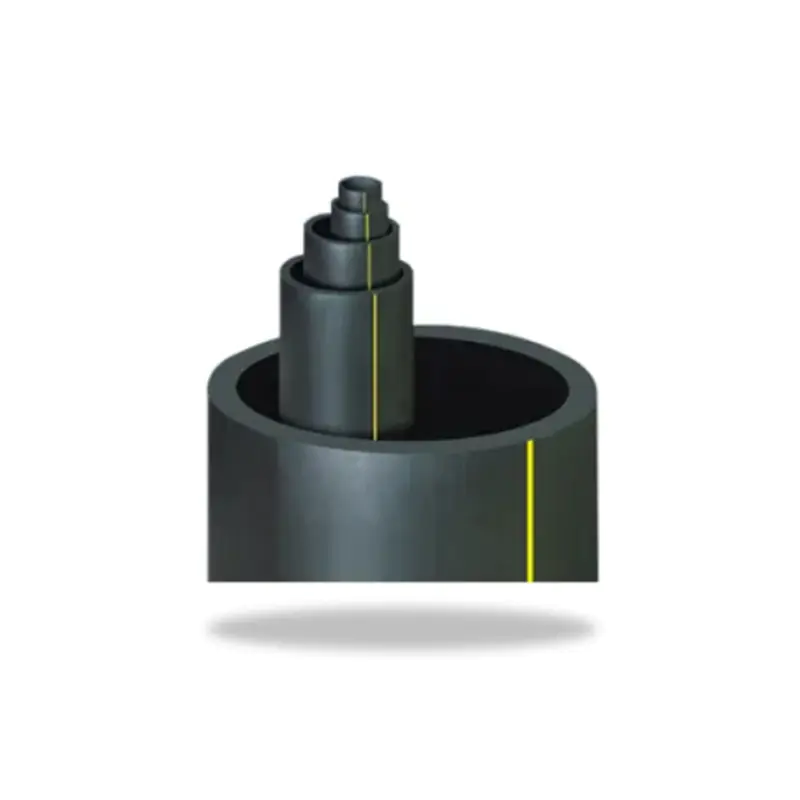
Purpose-built polyethylene pipe built for underground gas gathering and distribution is made from PE 4710 or PE100 resin and joined by fusion, so the joint becomes part of the pipe rather than a mechanical seal that can loosen. Butt fusion is used for larger diameters, and smaller sizes are joined by socket fusion.
Gas-grade polyethylene comes in different strength classes. PE80 suits low and medium pressure lines, while PE100 handles higher pressure and offers greater impact resistance. For a deeper look, see the properties that make HDPE suitable for carrying natural gas, including low gas permeability and long service life.
Polyethylene has limits. It is not used inside buildings for rigid piping, and it must be protected from prolonged sunlight unless it carries UV stabilizers. Operating temperatures for standard HDPE gas pipe generally run from about -40°C to 60°C.
Materials That Should Never Carry Natural Gas
Galvanized steel pipe is the most common mistake. It looks like black iron, but the zinc coating can flake off over time and clog regulators, valves and appliance orifices. Galvanized pipe must never be used for gas lines.
Standard PVC and ABS plumbing pipe are also wrong for pressurized gas. They are designed for water, drainage or venting, and they are not rated or certified for fuel gas. Using them risks brittle failure and leaks.
Copper and cast iron appear in older distribution systems, but rules on copper vary by region and cast iron is largely a legacy material that utilities are replacing. When in doubt, treat any pipe that is not listed and marked for fuel gas as unsuitable.
How to Choose the Right Gas Pipe
Start with three questions: is the line buried or exposed, what is the operating pressure, and what does the local code allow? The answers usually narrow the field to one or two materials.
- Buried line: choose polyethylene rated for gas, fused rather than mechanically joined.
- Rigid indoor line: black iron or steel, installed to code.
- Appliance hookup: CSST or an approved flexible connector.
- High-pressure line: use steel or a high-strength polyethylene grade sized for the pressure.
For polyethylene, the wall thickness is set by the SDR rating. A lower SDR means a thicker wall and higher pressure capacity, and gas systems commonly specify SDR11 for higher pressure and SDR17 for general pressure. Guidance on how to match PE grade, wall thickness and joining method to a gas line walks through each decision.
Finally, gas work is regulated. Permits, pressure testing and installation by a licensed professional are required in most places, and the pipe itself should carry certification to recognized standards such as ISO or ASTM. The right material installed incorrectly is still a hazard.
 Email:
 Telephone:+86-21-57461561
 Phone:+86-18721379989


