


 简体中文
简体中文 English
 русский
 Español
 Français
 عربى
عربى Português
 日本語
日本語 italiano
 Nederlands
 Polskie
Content
- 1 Introduction to HDPE Pipes in Nuclear Plants
- 2 Mechanical Strength and Pressure Resistance
- 3 Corrosion and Chemical Resistance
- 4 Thermal and Radiation Stability
- 5 Installation and Maintenance Benefits
- 6 Applications in Nuclear Plant Systems
- 7 Comparing HDPE with Traditional Materials
- 8 Standards and Certification
- 9 Conclusion: Safe and Reliable Piping Solutions
Introduction to HDPE Pipes in Nuclear Plants
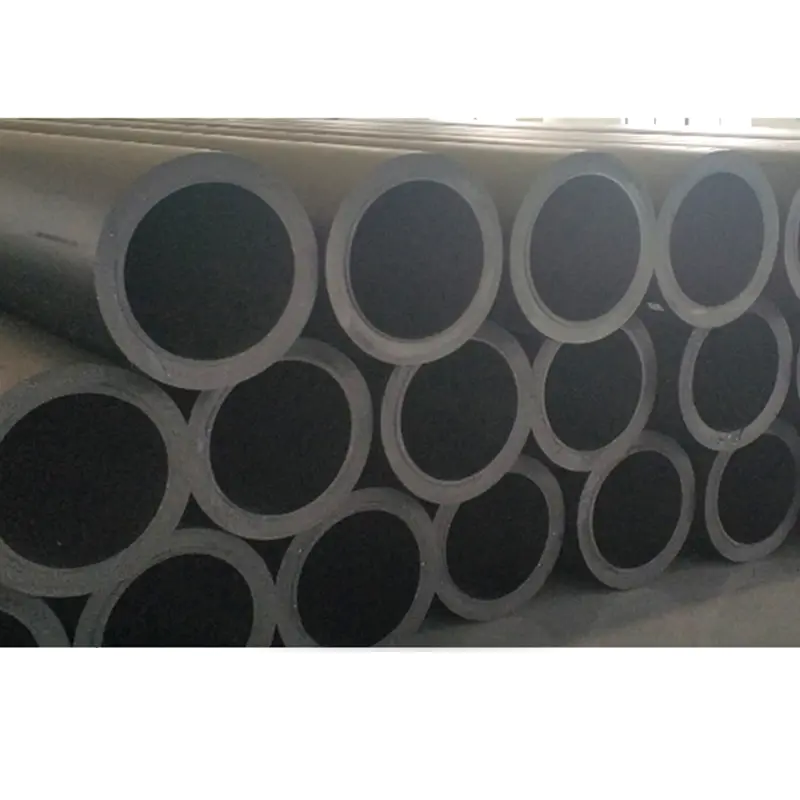
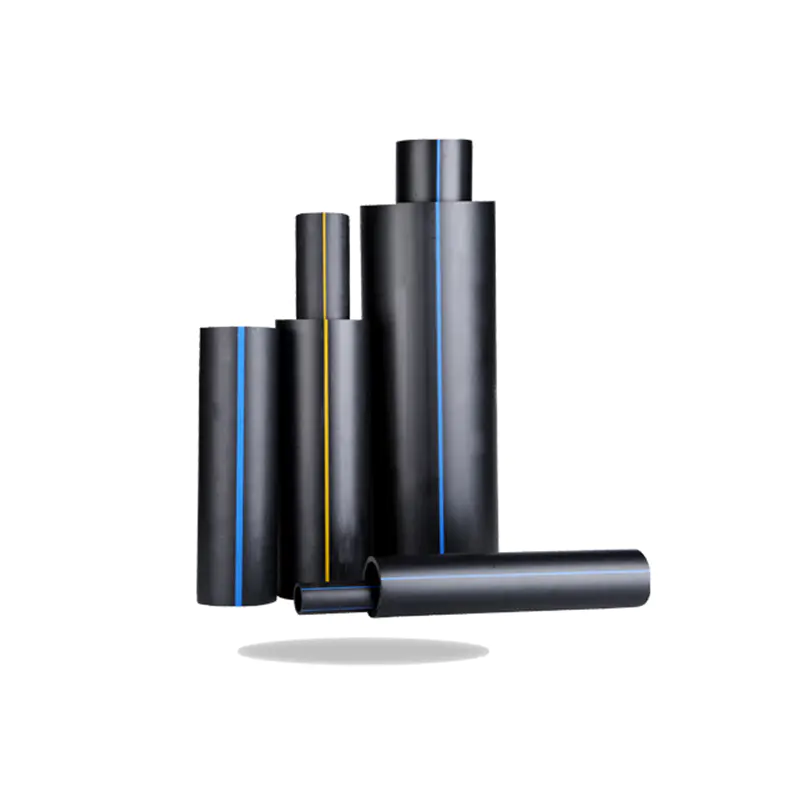
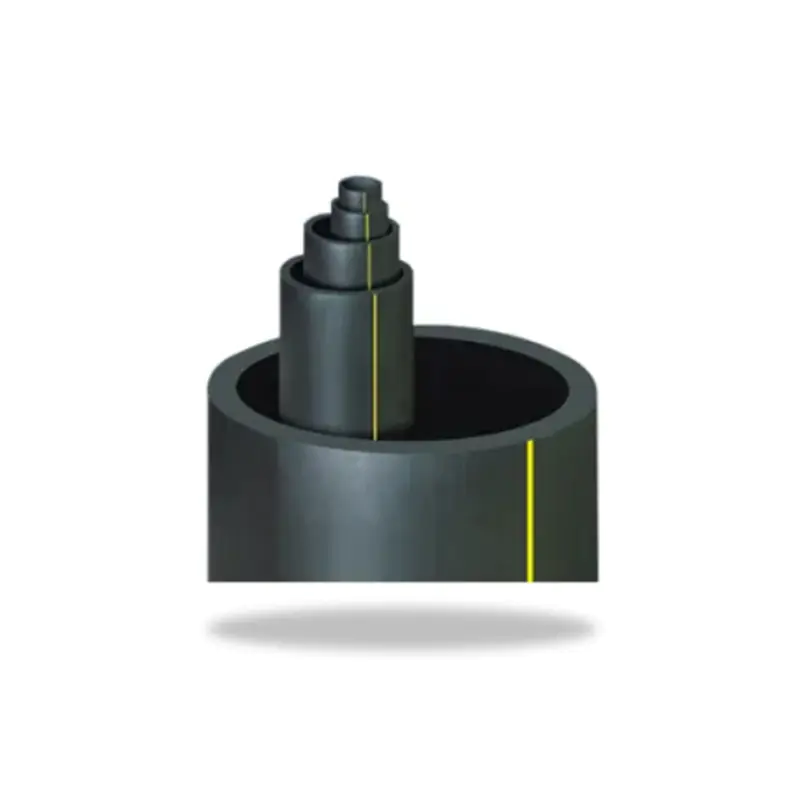
High-Density Polyethylene (HDPE) pipes have become a critical component in nuclear plant infrastructure due to their exceptional mechanical and chemical properties. Designed to handle high-pressure conditions and resist corrosion, HDPE pipes ensure the safe and efficient transport of water, cooling fluids, and other critical substances within nuclear facilities.
Their durability, lightweight construction, and resistance to radiation, chemicals, and thermal stress make HDPE pipes a preferred choice over traditional metal piping systems, reducing maintenance needs and extending service life in highly demanding environments.
Mechanical Strength and Pressure Resistance
HDPE pipes offer superior mechanical strength, enabling them to withstand extreme internal and external pressures often found in nuclear plants. Their molecular structure allows flexibility under stress, minimizing the risk of cracking or bursting. Key attributes include:
- High tensile strength and impact resistance for long-term reliability.
- Ability to maintain structural integrity under fluctuating pressure conditions.
- Reduced expansion and contraction, improving stability in high-temperature environments.
- Resistance to fatigue caused by cyclic loading, common in cooling and fluid transport systems.
Corrosion and Chemical Resistance
One of the main advantages of HDPE pipes is their inherent resistance to corrosion, which is crucial for nuclear plant safety and longevity. Unlike steel or metal pipes, HDPE does not rust or degrade when exposed to chemicals or water with varying pH levels. Benefits include:
- Resistance to oxidation, eliminating rust-related failures.
- Non-reactivity with most acids, alkalis, and salts present in cooling or process water.
- Protection against biofilm formation and microbial corrosion.
- Maintenance-free performance, reducing downtime and operational costs.
Thermal and Radiation Stability
HDPE pipes are engineered to maintain performance under high temperatures and low-level radiation exposure typical in nuclear facilities. Their thermal and radiation resistance ensures:
- Minimal degradation over time under fluctuating temperatures.
- Resistance to embrittlement caused by gamma radiation.
- Stable performance in critical cooling and chemical transfer applications.
- Compliance with nuclear safety standards for long-term use.
Installation and Maintenance Benefits
HDPE pipes provide significant advantages during installation and maintenance compared to traditional piping:
- Lightweight design reduces handling costs and labor requirements.
- Flexible joints allow for easier installation in complex plant layouts.
- Fusion welding creates leak-proof connections, enhancing system integrity.
- Reduced maintenance frequency lowers operational interruptions and costs.
Applications in Nuclear Plant Systems
HDPE pipes are utilized in various nuclear plant systems, contributing to safety and operational efficiency:
- Cooling water systems transporting high-volume water under high pressure.
- Process piping for chemical transfer and treatment systems.
- Wastewater and effluent management systems.
- Subsurface piping for safety-related emergency water and fire suppression networks.
Comparing HDPE with Traditional Materials
HDPE pipes provide clear advantages over metal and concrete pipes commonly used in nuclear applications:
| Feature | Steel Pipe | HDPE Pipe |
| Corrosion Resistance | Low, prone to rust | High, chemical-resistant |
| Flexibility | Low, rigid | High, accommodates expansion |
| Maintenance | Frequent, costly | Low, minimal intervention |
| Installation | Heavy, requires cranes | Lightweight, easy handling |
Standards and Certification
HDPE pipes used in nuclear plants adhere to strict international standards, including ISO, ASTM, and nuclear-specific guidelines. Compliance ensures performance under extreme conditions and guarantees safety, reliability, and long-term operational integrity.
Conclusion: Safe and Reliable Piping Solutions
HDPE pipes are ideally suited for high-pressure, corrosion-prone applications in nuclear plants. Their combination of mechanical strength, chemical resistance, thermal stability, and ease of installation ensures safe, reliable, and cost-effective operation over decades. By adopting HDPE piping solutions, nuclear facilities can enhance performance, reduce maintenance, and meet stringent safety standards.

 Email:
 Telephone:+86-21-57461561
 Phone:+86-18721379989


