


 简体中文
简体中文 English
 русский
 Español
 Français
 عربى
عربى Português
 日本語
日本語 italiano
 Nederlands
 Polskie
Content
- 1 Introduction to PPR Pipe Fittings
- 2 Material Composition and Standards
- 3 Factors Affecting Pressure Resistance
- 4 Pressure Ratings and Classification
- 5 Installation and Joint Considerations
- 6 Applications Requiring High Pressure Resistance
- 7 Maintenance and Safety
- 8 Conclusion: Understanding PPR Pipe Fittings Pressure Resistance
Introduction to PPR Pipe Fittings
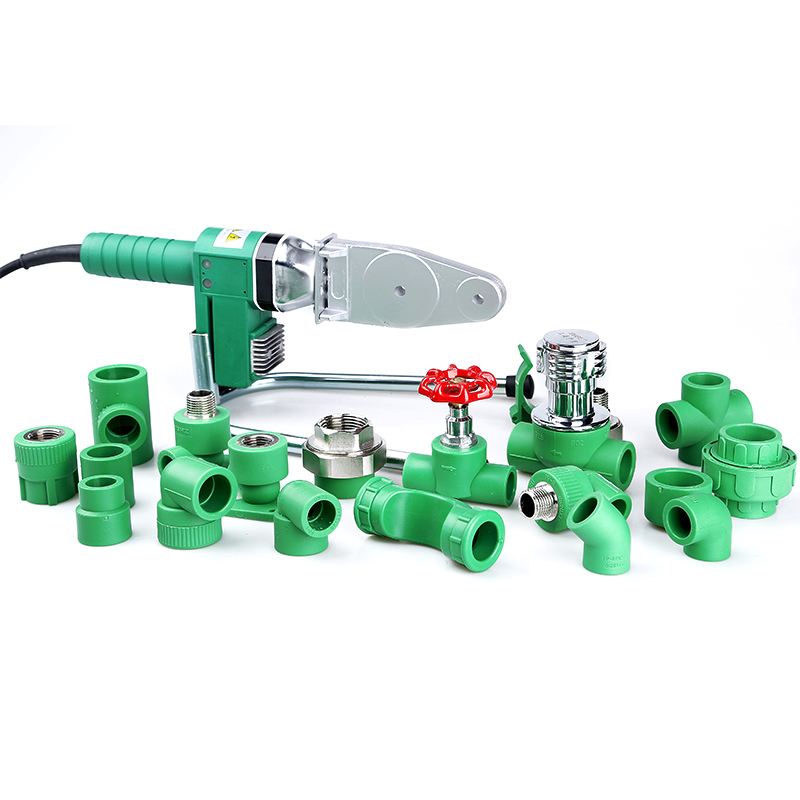
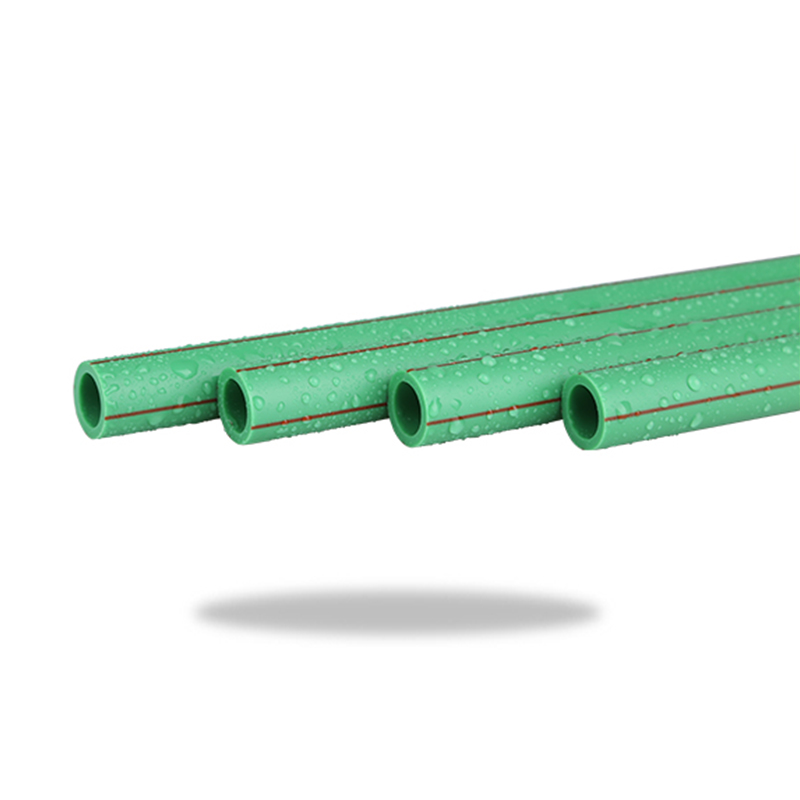
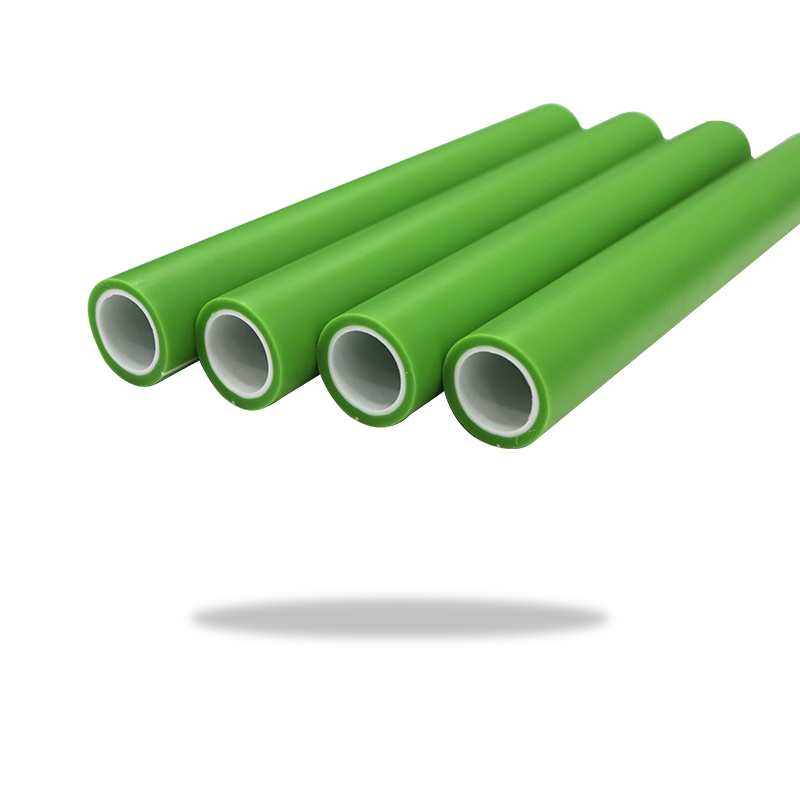
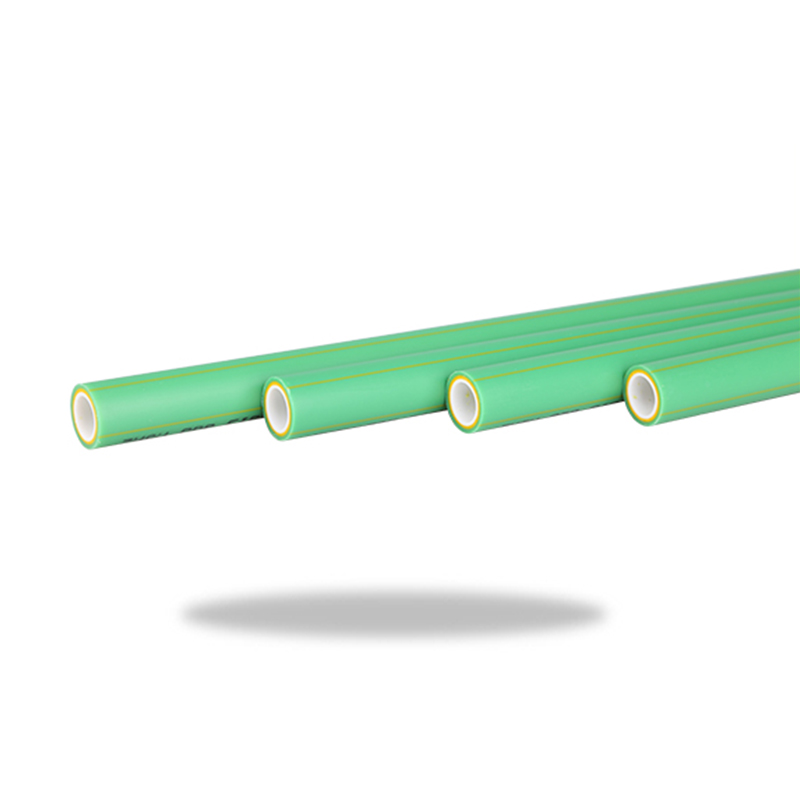
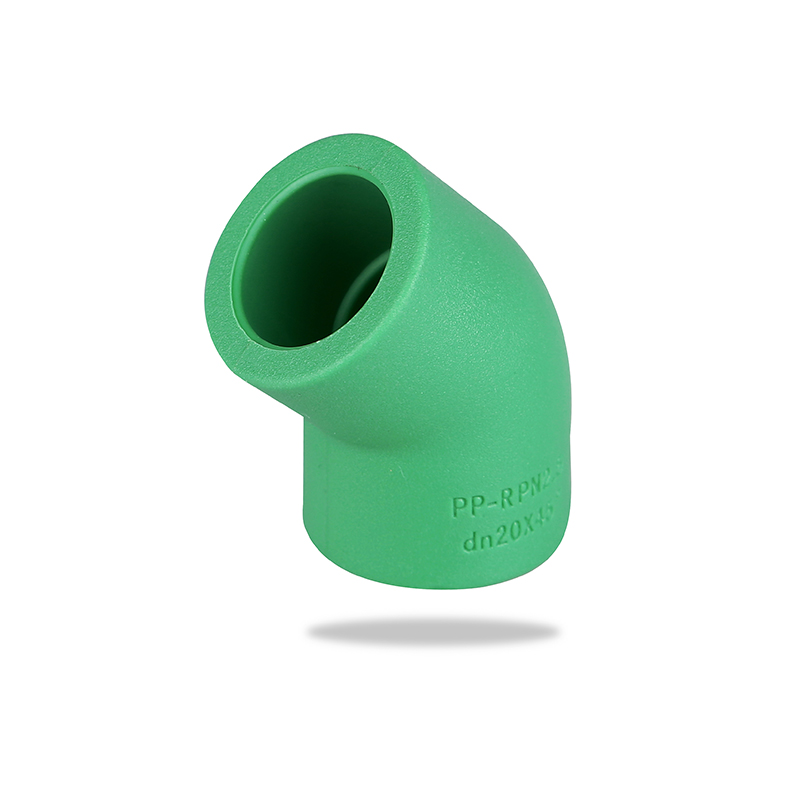
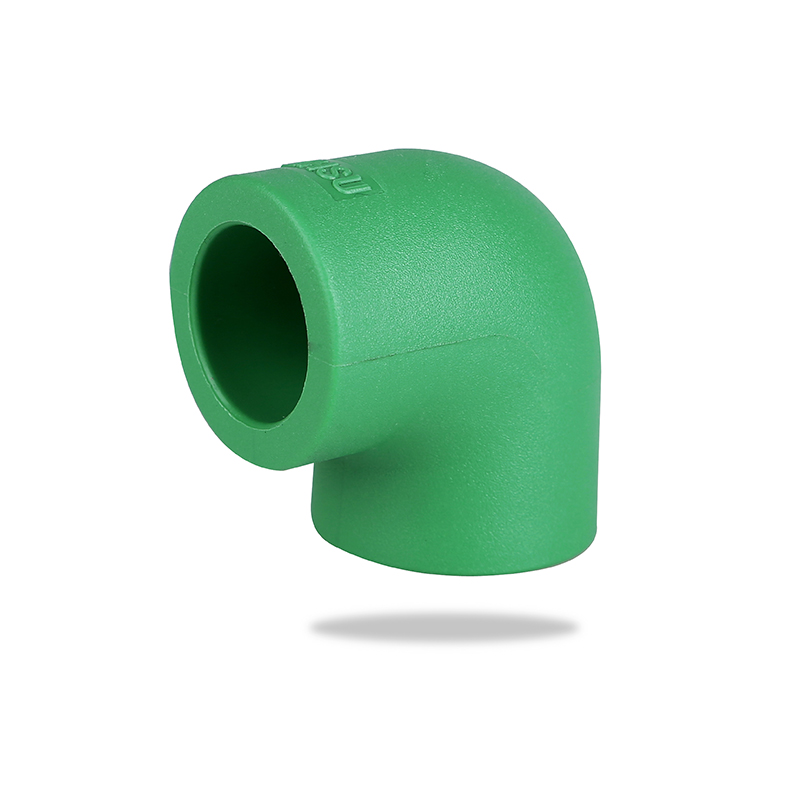
PPR (Polypropylene Random Copolymer) pipe fittings are widely used in plumbing, heating, and industrial piping systems due to their corrosion resistance, long service life, and ease of installation. Understanding their pressure resistance is crucial for ensuring safe operation under various temperature and fluid conditions. Pressure resistance determines the maximum working pressure that a pipe system can safely withstand, influencing design, installation, and operational reliability.
The performance of PPR pipe fittings depends on material quality, wall thickness, temperature, and manufacturing standards. Engineers, plumbers, and end-users must be familiar with these factors to select the appropriate fittings for different applications.
Material Composition and Standards
PPR pipe fittings are manufactured from polypropylene random copolymer, which provides high chemical resistance, durability, and thermal stability. The material allows for consistent wall thickness, smooth internal surfaces, and excellent fusion during heat welding. International standards such as ISO 15874 and DIN 8077/8078 specify material grades, dimensions, and pressure ratings for PPR pipes and fittings.
Impact of Material Quality
High-quality PPR material ensures uniform density, low porosity, and superior resistance to cracking under pressure. Inferior materials may have microvoids or inconsistent polymer distribution, reducing pressure tolerance and increasing the risk of failure in high-pressure systems.
Factors Affecting Pressure Resistance
Several factors determine the pressure resistance of PPR pipe fittings. These include the pipe and fitting dimensions, wall thickness, working temperature, and the type of fluid being transported. Each of these factors contributes to the maximum allowable pressure a system can safely handle.
Wall Thickness and Fitting Size
Thicker-walled PPR fittings provide higher pressure resistance due to greater material cross-section and strength. Standard PPR fittings are available in various pressure ratings such as PN10, PN16, and PN20, where the number indicates the maximum working pressure in bars at 20°C. For example, a PN20 fitting can safely withstand 20 bars of pressure at room temperature.
Operating Temperature
Pressure resistance decreases as temperature increases. PPR fittings rated at PN20 may only withstand around 10–12 bars at 70°C. Understanding temperature-pressure relationships is essential for hot water supply systems, heating circuits, and industrial applications involving elevated fluid temperatures.
Fluid Type and Chemical Compatibility
PPR fittings are resistant to most chemicals, including potable water, chemicals used in heating, and certain industrial fluids. However, aggressive chemicals, oils, or organic solvents can degrade the polymer, reducing pressure tolerance. Always ensure the fluid is compatible with PPR material to maintain safety and longevity.
Pressure Ratings and Classification
PPR pipe fittings are classified based on their nominal pressure (PN) rating, which indicates the maximum working pressure at 20°C. Common ratings include PN10, PN16, and PN20. The following table summarizes typical pressure resistance at different temperatures:
| Rating (PN) | Max Pressure at 20°C (bar) | Approx. Pressure at 60°C (bar) | Common Use |
| PN10 | 10 | 6–7 | Low-pressure water supply |
| PN16 | 16 | 10–11 | Domestic hot and cold water |
| PN20 | 20 | 12–13 | High-pressure systems |
Installation and Joint Considerations
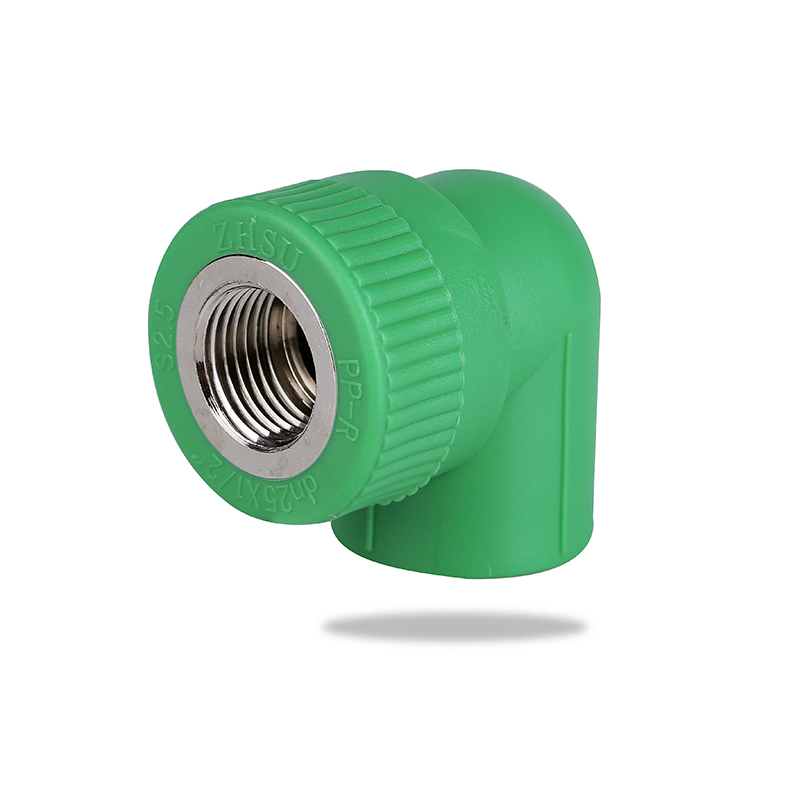
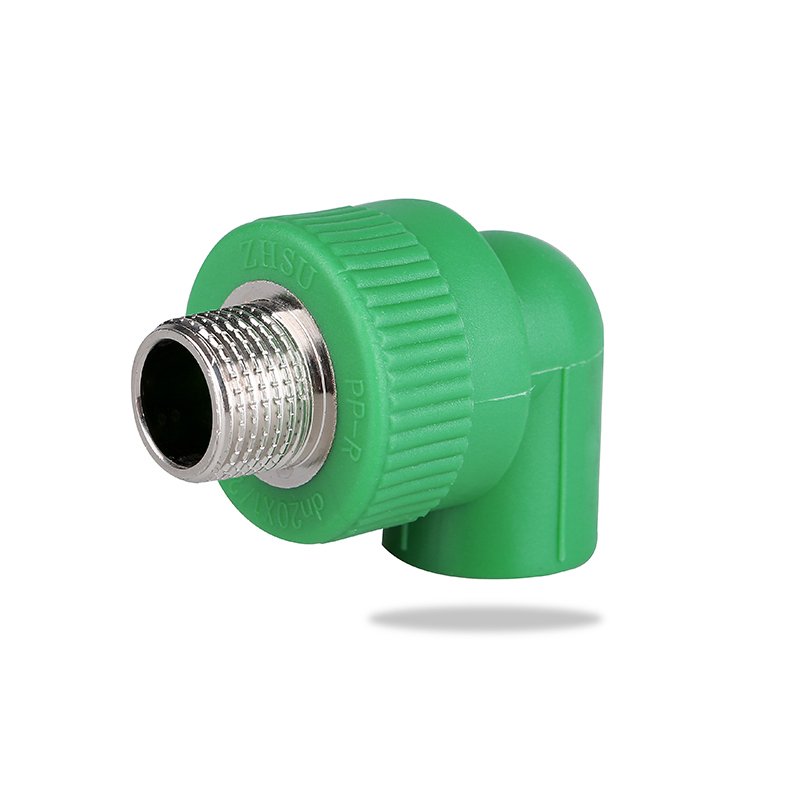
Proper installation is essential for maximizing the pressure resistance of PPR fittings. Heat fusion welding is the most reliable method, creating a homogeneous joint with the same strength as the pipe itself. Mechanical connections, such as threaded fittings, may slightly reduce pressure tolerance if not properly tightened or sealed.
Additional factors such as avoiding sharp bends, supporting long pipe runs, and minimizing exposure to UV light or chemical corrosion contribute to maintaining designed pressure ratings.
Applications Requiring High Pressure Resistance
PPR pipe fittings are used in various applications depending on their pressure rating. PN10 is suitable for low-pressure cold water distribution, PN16 for domestic hot and cold water, and PN20 for high-pressure industrial or commercial systems. Correct selection ensures safety, durability, and long-term performance under operating pressures and temperatures.
Maintenance and Safety
Regular inspection of PPR fittings is essential to ensure pressure safety. Check for leaks, discoloration, or deformation. Avoid mechanical stress, chemical exposure, or sudden temperature fluctuations, as these can compromise the fittings’ ability to withstand designed pressures. Proper installation and preventive maintenance maximize system reliability.
Conclusion: Understanding PPR Pipe Fittings Pressure Resistance
PPR pipe fittings provide reliable pressure resistance when the correct material grade, wall thickness, temperature rating, and installation method are selected. Understanding the relationship between pressure, temperature, and material properties ensures safe operation in residential, commercial, and industrial piping systems. Following standards and maintenance guidelines maximizes the lifespan and performance of PPR piping networks.

 Email:
 Telephone:+86-21-57461561
 Phone:+86-18721379989


