


 简体中文
简体中文 English
 русский
 Español
 Français
 عربى
عربى Português
 日本語
日本語 italiano
 Nederlands
 Polskie
Content
- 1 How UV Radiation Damages Plastic Pipe
- 2 Visible Signs of UV Degradation in Plastic Pipe
- 3 PVC Pipe and UV Resistance: What the Research Shows
- 4 How PPR and HDPE Pipe Compare Under UV Exposure
- 5 Five Methods to Protect Plastic Pipe from UV
- 6 Anti-UV PPR Pipe: Built-In Protection for Outdoor Applications
- 7 UV Protection During Storage and Installation
How UV Radiation Damages Plastic Pipe
Ultraviolet radiation is part of the electromagnetic spectrum emitted by the sun. Of its three bands — UVA, UVB, and UVC — only UVA and UVB reach the Earth's surface in significant quantities, but both carry enough energy to initiate damaging photochemical reactions inside plastic pipe materials.
When UV photons strike the outer surface of a plastic pipe, they are absorbed by the polymer chains that make up the material. This absorbed energy excites and weakens the molecular bonds in the plastic, triggering a chain reaction that generates free radicals. These free radicals then attack adjacent polymer chains, causing them to break down in a process called photo-oxidative degradation. The result is a progressive loss of molecular weight and structural integrity — starting at the surface and working inward over time.
It is important to note that UV degradation is strictly a surface phenomenon in most thermoplastic pipe materials. Studies confirm that UV damage penetrates to depths of less than 0.01 inches (approximately 0.25 mm) in standard PVC. This means that buried pipe is fully protected the moment it is no longer exposed to sunlight, and that any opaque barrier — even a thin coat of paint — immediately stops further degradation.
Visible Signs of UV Degradation in Plastic Pipe
UV degradation produces four recognizable effects that appear progressively with exposure time. Recognizing these signs early allows for timely intervention before structural performance is compromised.
- Discoloration. The earliest and most visible sign. White PVC turns yellowish, then brown. Standard PPR pipes may fade or develop an uneven surface tone. The color change itself does not indicate structural failure, but it signals that degradation has begun.
- Surface chalking. The pipe surface develops a powdery, matte texture that can be felt by running a fingernail across it. This is caused by the breakdown of the outermost polymer layer. Chalking is particularly pronounced at joints, bends, and fittings where UV exposure may be concentrated by reflection.
- Surface microcracking. As the degraded surface layer becomes increasingly brittle, fine cracks begin to appear. These are initially cosmetic but can develop into pathways for moisture ingress and stress concentration under load.
- Reduced impact strength. This is the most mechanically significant effect. Research by the PVC Pipe Association (Uni-Bell) found that impact strength — the ability of the pipe to withstand sudden blows during handling and installation — begins to decline noticeably after approximately two years of direct outdoor exposure. Tensile strength and pressure-bearing capacity, however, remain largely unaffected even after extended exposure.
The industry-accepted practical limit for unprotected outdoor storage of standard plastic pipe is two years. Beyond this threshold, the reduction in impact strength warrants additional caution during handling, even though the pipe's pressure performance remains intact. Any pipe exposed for longer than two years without protection should be covered or evaluated before installation.
PVC Pipe and UV Resistance: What the Research Shows
Standard PVC (Type I, Grade I, Cell Class 12454) is not formulated for UV resistance. It contains small quantities of titanium dioxide (TiO₂) as a UV inhibitor, but this is insufficient to prevent surface degradation under prolonged direct sunlight. The practical performance of PVC under UV, however, is often better than it appears.
A landmark two-year study conducted by the Uni-Bell PVC Pipe Association exposed PVC pipes to extreme sunlight across 12 locations throughout the United States. The findings were clear: tensile strength and modulus of elasticity showed virtually no change. The pipe's structural integrity and pressure capacity remained fully intact. Impact strength did decrease — the lowest recorded value after two years was approximately 75% of the original — but even this reduced value exceeded those of most alternative sewer pipe products on the market at the time.
The practical conclusion: standard PVC pipe can withstand outdoor exposure without losing its ability to carry loads and hold pressure, provided it is handled carefully and installed within a reasonable timeframe. The risks are surface brittleness during handling and, for above-ground permanent installations, long-term cosmetic and structural surface degradation without protection.
For above-ground PVC installations where UV exposure is ongoing, industry guidance consistently recommends painting with a light-colored acrylic or latex (water-based) paint. A single coat provides effective UV shielding. Petroleum-based paints must be avoided as they interfere with adhesion. The paint must be chemically compatible with PVC — most standard latex paints are.
How PPR and HDPE Pipe Compare Under UV Exposure
PVC is not the only plastic pipe material affected by UV. Two of the most widely used alternatives — PPR (polypropylene random copolymer) and HDPE (high-density polyethylene) — respond to UV radiation in distinct ways that affect their suitability for outdoor and above-ground applications.
PPR pipe in its standard white or grey formulation is susceptible to UV degradation in a manner similar to PVC. Polypropylene's molecular structure makes it vulnerable to photo-oxidative attack, and standard PPR should not be left exposed to direct sunlight for extended periods without protection. Discoloration and surface embrittlement occur within months under intense UV conditions. For balcony plumbing, outdoor water supply lines, and exposed above-ground installations, standard PPR requires either physical shielding or the use of a specially formulated UV-resistant grade.
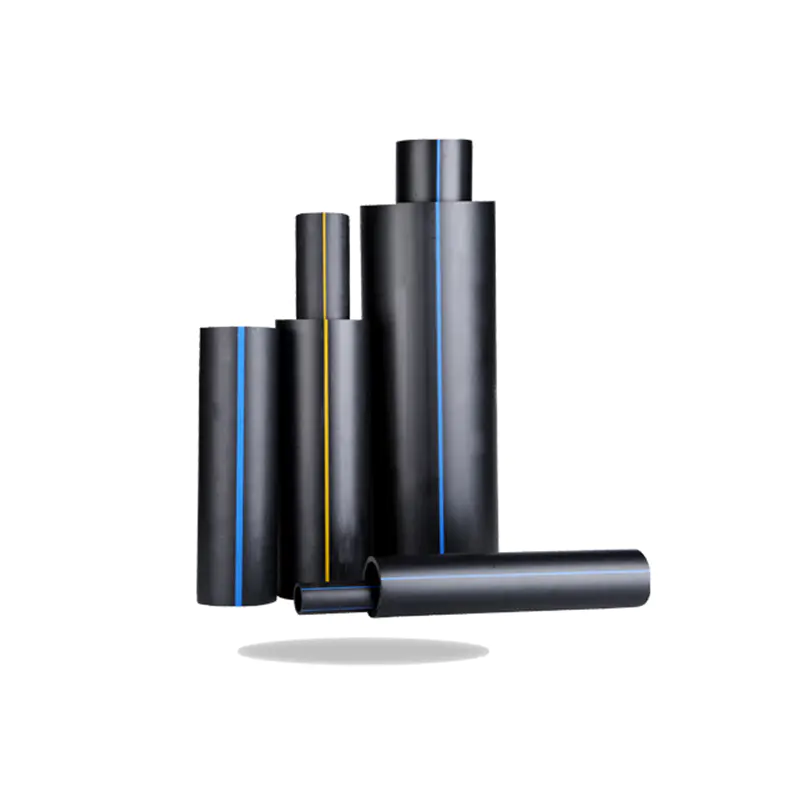
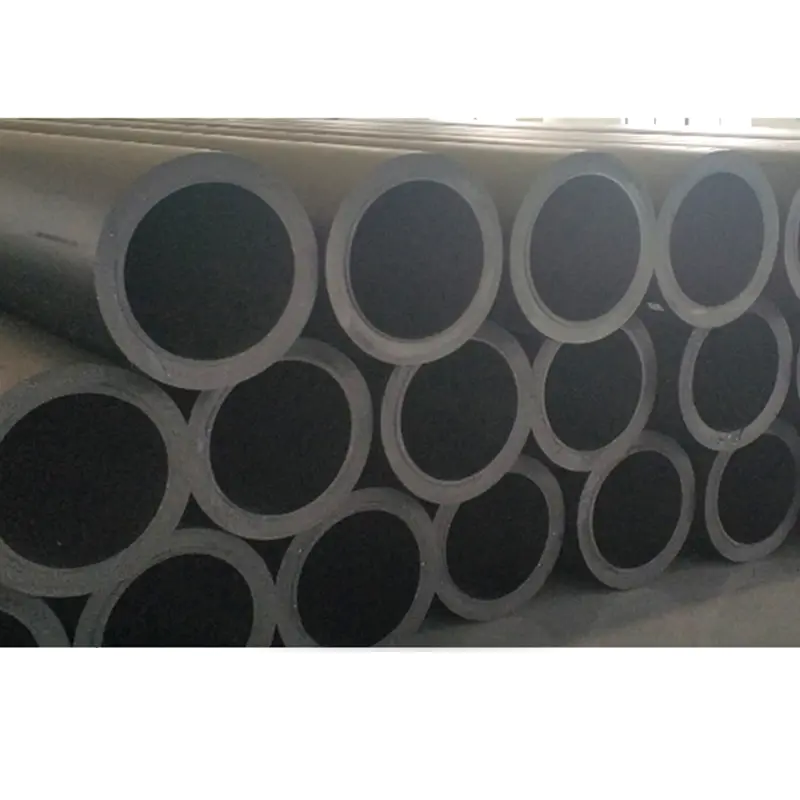
HDPE pipe presents a notably different profile. Black HDPE contains between 2% and 3% carbon black by weight, uniformly distributed throughout the pipe wall. Carbon black is an extremely effective UV absorber — it intercepts UV photons before they can initiate photo-oxidative reactions in the polyethylene matrix. This built-in protection allows black HDPE pipe to perform reliably under long-term direct UV exposure without additional treatment, which is why it is the standard specification for above-ground and surface-laid water supply lines in outdoor infrastructure projects. Natural (non-pigmented) HDPE has no such protection and should be treated as UV-sensitive.
| Pipe Material | UV Resistance (Standard) | UV Resistance (Formulated/Protected) | Recommended for Outdoor Use? |
|---|---|---|---|
| Standard PVC | Low — surface degradation within 6–12 months | Good with latex paint or UV-stabilized grade | With protection only |
| Standard PPR (white/grey) | Low — discoloration and embrittlement risk | Excellent with anti-UV PPR formulation | With protection or anti-UV grade |
| Black HDPE (carbon black) | Excellent — carbon black provides inherent protection | N/A — already UV-stabilized | Yes — suitable for long-term outdoor exposure |
| Natural / coloured HDPE | Low — no UV absorber present | Good with UV stabilizer additives | With protection only |
Five Methods to Protect Plastic Pipe from UV
Protection strategies fall into two categories: reactive measures applied to existing pipe, and proactive material selection that eliminates the problem at the design stage. The most effective long-term approach combines both.
- Latex or acrylic paint. The most accessible and widely recommended method for existing PVC and PPR installations. Apply one or two coats of a light-colored, water-based paint that is chemically compatible with the pipe material. Light colors reflect more solar energy and reduce heat buildup. Avoid dark colors for pressurized pipe exposed to direct sun, as absorbed heat can accelerate thermal expansion and stress at fittings.
- Opaque wrapping or sheathing. Covering exposed pipe runs with an opaque material — UV-resistant tape, foam insulation sleeves, or specialized plastic wrap — physically blocks UV from reaching the pipe surface. This approach is practical for short pipe runs and temporary protection during construction. It also provides some thermal insulation benefit.
- Burial or concealment. Underground installation provides complete UV protection the instant the pipe is covered. Even partial burial — routing pipe behind walls, through conduit, or under shading structures — eliminates direct exposure. Where above-ground routing is unavoidable, positioning pipe on the shaded side of structures significantly reduces UV dose.
- UV stabilizer additives in the compound. Manufacturers incorporate UV absorbers and stabilizers — primarily TiO₂ and carbon black, but also hindered amine light stabilizers (HALS) for specialized grades — directly into the pipe compound during production. These additives intercept UV energy before it can initiate polymer chain degradation. The effectiveness depends heavily on the concentration and distribution of the additive; standard pipe grades contain minimal stabilizer, while outdoor-rated grades contain significantly more.
- Selecting an anti-UV rated pipe material. For permanent above-ground installations where ongoing UV exposure is unavoidable, specifying a pipe material engineered for UV resistance eliminates the need for additional site-applied protection. This is both the most reliable and the most cost-effective long-term solution, as it removes maintenance requirements and removes the risk of protection failure over the system's design life.
Anti-UV PPR Pipe: Built-In Protection for Outdoor Applications
For projects requiring PPR piping in exposed outdoor locations — balcony water supply, rooftop systems, above-ground municipal connections, or outdoor plumbing in commercial and industrial facilities — standard PPR grades present an ongoing UV management challenge. The alternative is to specify a pipe that addresses UV resistance at the material formulation level rather than through site-applied coatings.
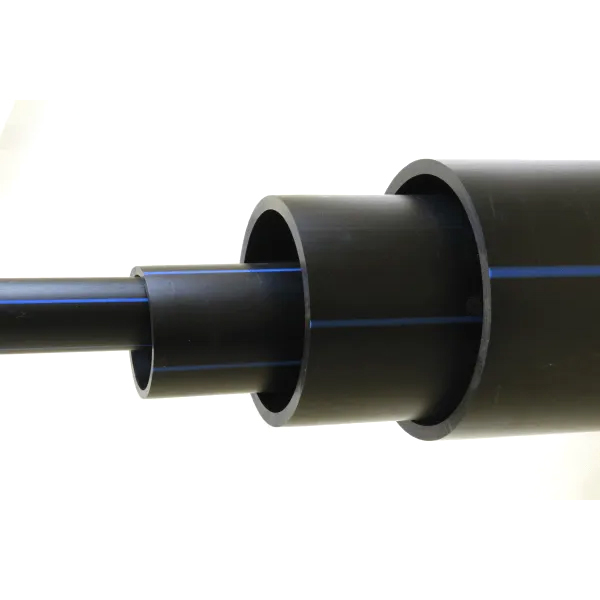
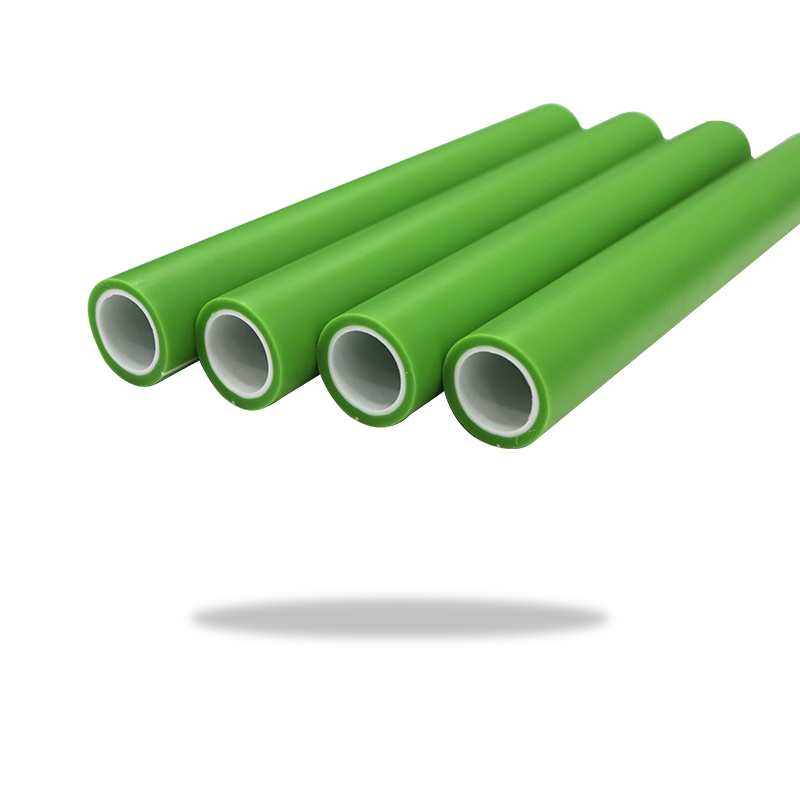
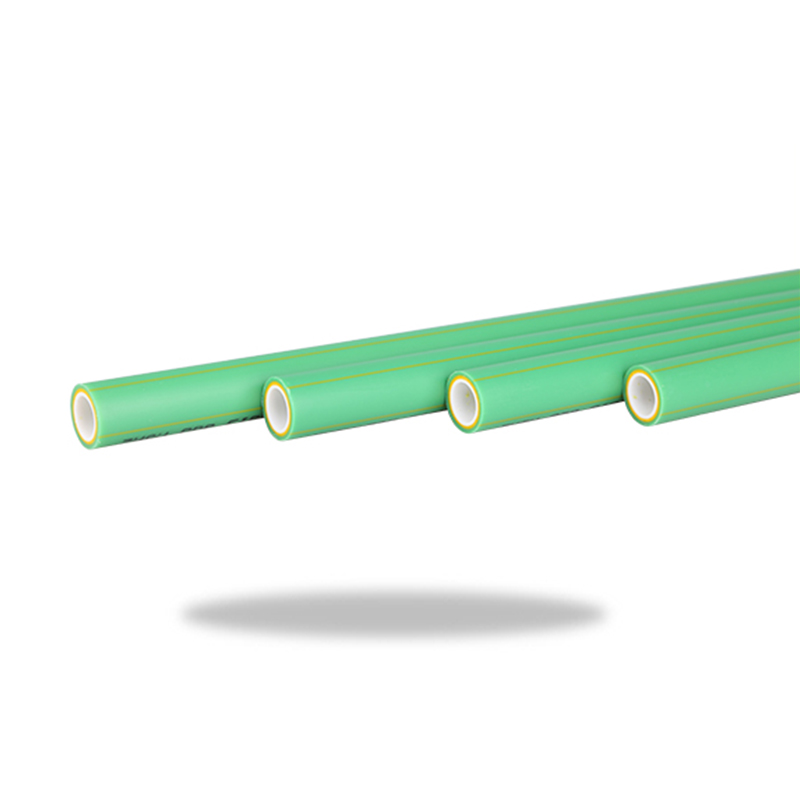
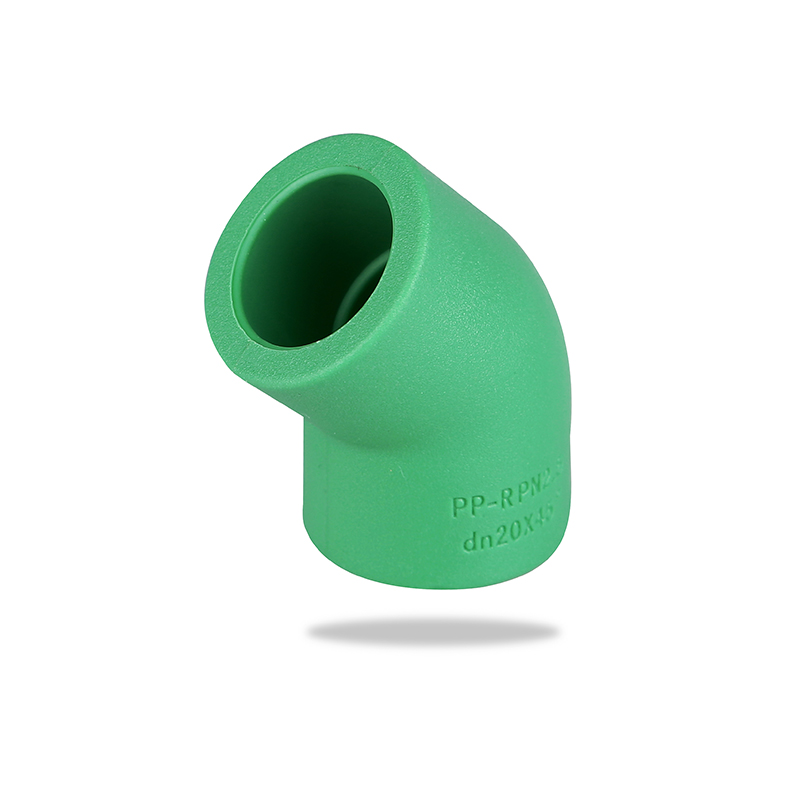
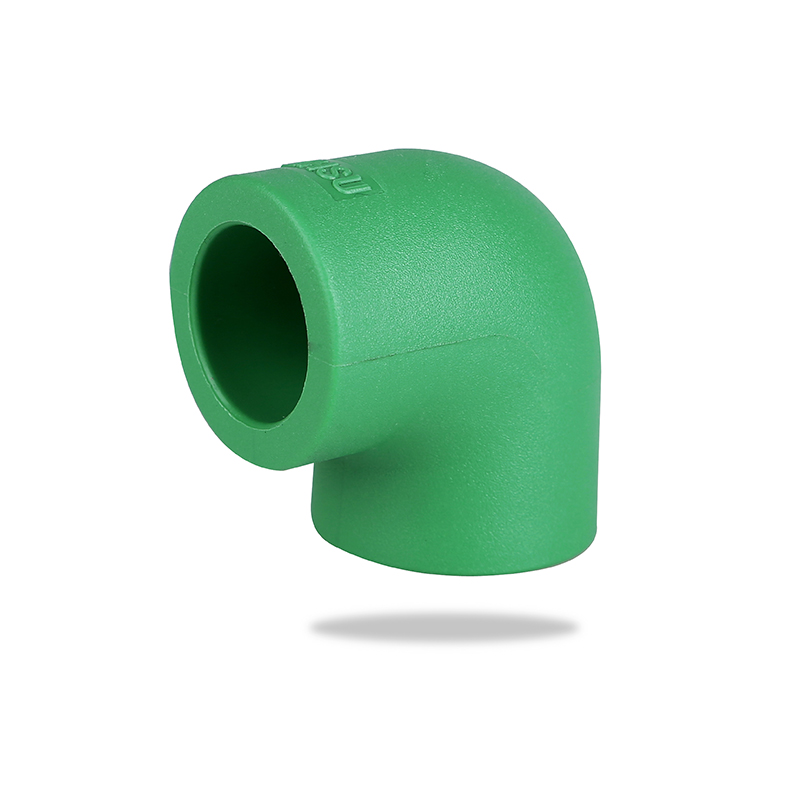
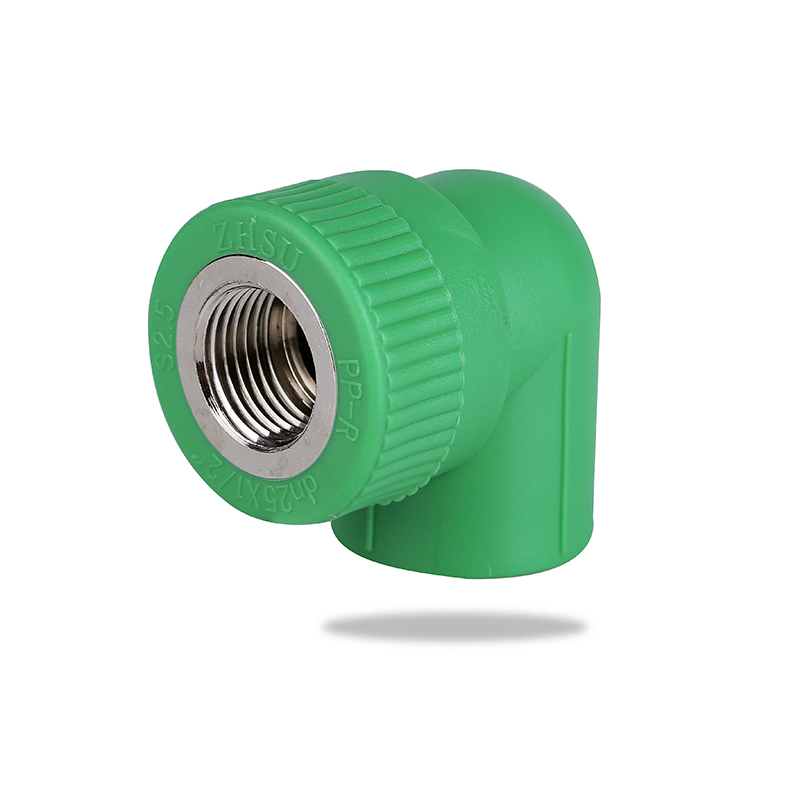
ZHSU's anti-UV PPR pipe is formulated with UV stabilizers and absorbers integrated into the polypropylene compound, providing protection against photo-oxidative degradation that is consistent throughout the pipe wall and does not depend on surface treatment integrity. This approach offers several practical advantages over post-production UV protection methods:
- No maintenance requirement. Unlike painted surfaces that can chip, peel, or wear away over time — particularly at joints, clamps, and fittings — the UV protection in anti-UV PPR pipe cannot be removed by abrasion, UV exposure itself, or thermal cycling.
- Consistent protection at joints and bends. Site-applied coatings frequently fail first at fittings and joint areas — the exact locations where UV-induced brittleness poses the greatest risk. Anti-UV compound protection is uniform across the entire system, including fittings.
- Full PPR performance retained. Anti-UV PPR pipe retains all the thermal resistance (up to 70°C continuous, 95°C short-term), pressure performance (PN10 to PN20), and chemical inertness of standard PPR — adding outdoor durability without compromising system specifications.
- CNAS laboratory verified. All ZHSU pipe products, including the anti-UV PPR range, are tested in the company's CNAS-certified national laboratory against national and international standards, with inspection reports available to support project specification and procurement requirements.
The anti-UV PPR pipe range is available in sizes from DN20 to DN160, with OEM color and brand options available for distribution partners and large-scale project supply.
UV Protection During Storage and Installation
A significant proportion of UV-related pipe damage occurs not during service, but during the period between delivery to site and installation. Pipes stored outdoors on jobsites — sometimes for weeks or months — can accumulate substantial UV exposure before they ever carry water. The following practices minimize this risk.
Cover stored pipe with opaque tarps or wrapping. Translucent sheeting is not sufficient; UV penetrates most clear and semi-clear plastics readily. Opaque polyethylene tarps or purpose-made pipe covers are appropriate. Ensure that covers are secured against wind and do not trap moisture or excessive heat underneath.
Allow adequate air circulation. When covering stored pipe runs in warm climates, avoid airtight wrapping that causes heat accumulation. Elevated temperatures combined with UV exposure accelerate degradation rates; maintaining airflow under covers reduces thermal stress on stored materials.
Observe the two-year storage limit for unprotected pipe. Standard plastic pipe that has been stored outdoors without UV protection for more than two years should be assessed before installation. While tensile strength and pressure capacity are likely unaffected, reduced impact strength may require adjusted handling procedures and additional care during cutting and fitting operations.
Install promptly after delivery where possible. The most straightforward protection against storage-related UV damage is to minimize the gap between delivery and installation. For large infrastructure projects where phased delivery is impractical, covered pipe storage areas should be specified in the project logistics plan from the outset.
For project teams sourcing PPR pipe and HDPE systems for outdoor or mixed indoor/outdoor applications, ZHSU's technical team can advise on appropriate pipe grades, storage requirements, and installation specifications to ensure long-term system performance. Contact us to discuss your project requirements.

 Email:
 Telephone:+86-21-57461561
 Phone:+86-18721379989


