


 简体中文
简体中文 English
 русский
 Español
 Français
 عربى
عربى Português
 日本語
日本語 italiano
 Nederlands
 Polskie
Content
- 1 What is PPR Pipework and Why It Matters
- 2 Technical Specifications and Material Properties
- 3 Installation Methods and Best Practices
- 4 Advantages Over Traditional Piping Materials
- 5 Common Applications and System Design
- 6 Quality Standards and Certification Requirements
- 7 Maintenance and Troubleshooting Considerations
- 8 Cost Analysis and Economic Considerations
- 9 Environmental Impact and Sustainability
What is PPR Pipework and Why It Matters
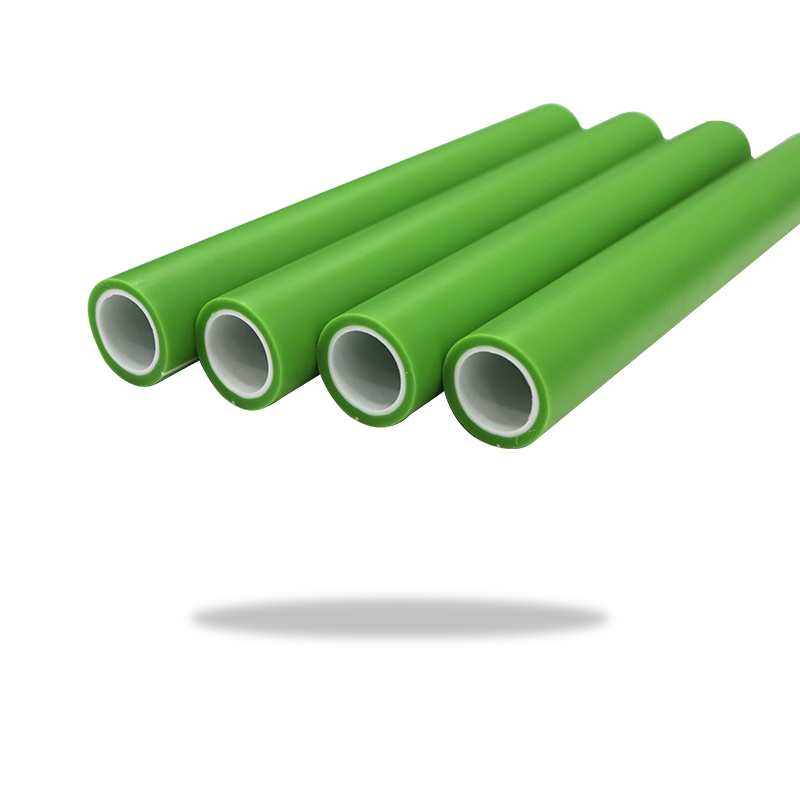
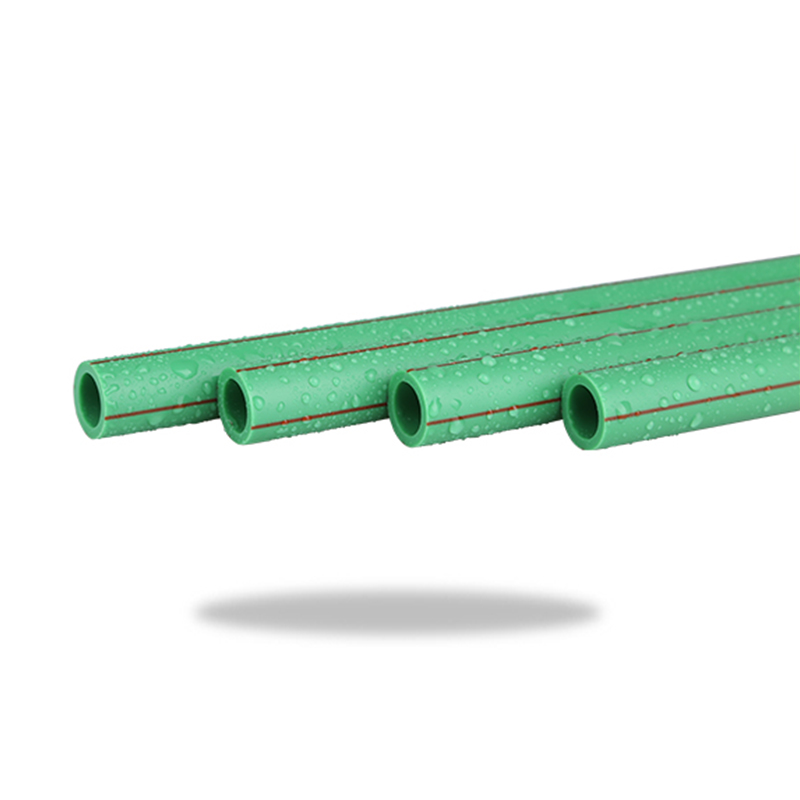
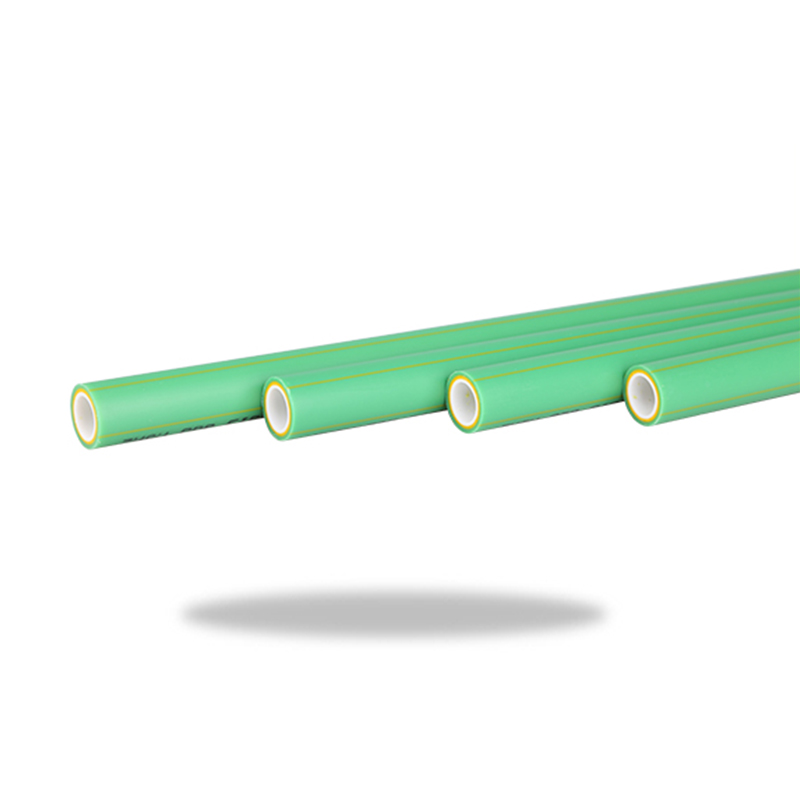
PPR pipework refers to plumbing systems constructed from Polypropylene Random Copolymer (PPR), a thermoplastic material that has become the preferred choice for residential and commercial water supply systems worldwide. This pipe system uses heat fusion welding to create permanent, leak-proof connections without requiring adhesives, sealants, or mechanical joints. PPR pipes offer exceptional chemical resistance, thermal stability up to 95°C for continuous operation, and a service life exceeding 50 years under normal conditions.
The material's molecular structure combines the rigidity of polypropylene with the flexibility of random copolymers, resulting in pipes that resist corrosion, scale buildup, and bacterial growth. Unlike traditional metal piping, PPR pipework maintains water quality without leaching metallic ions or chemicals, making it particularly suitable for potable water distribution. Installation efficiency is significantly higher than conventional systems, with fusion welding taking only 5-10 seconds per joint and requiring minimal specialized training.
Technical Specifications and Material Properties
Understanding PPR pipework's technical characteristics is essential for proper system design and application selection:
Pressure and Temperature Ratings
PPR pipes are classified according to their Pressure Number (PN), which indicates maximum operating pressure at 20°C. Common classifications include PN10, PN16, PN20, and PN25, corresponding to working pressures of 1.0, 1.6, 2.0, and 2.5 MPa respectively. The relationship between temperature and pressure follows a derating curve: at 70°C, a PN20 pipe operates safely at approximately 1.0 MPa, while at 95°C it should not exceed 0.6 MPa.
The material maintains structural integrity across a wide temperature range, from -10°C to 95°C for continuous service. Short-term exposure up to 110°C is permissible for limited durations not exceeding 100 hours annually. This thermal stability makes PPR pipework suitable for both cold water distribution and hot water circulation systems, including low-temperature radiant heating applications.
Physical and Mechanical Characteristics
PPR exhibits a density of 0.89-0.91 g/cm³, making it lighter than water and significantly easier to handle than metal alternatives. The material's tensile strength ranges from 25-35 MPa, with an elastic modulus of approximately 800-1000 MPa at 20°C. Thermal expansion coefficient is relatively high at 0.15 mm/m·K, requiring proper allowance for expansion loops or compensation fittings in long runs exceeding 10 meters.
The thermal conductivity of PPR is remarkably low at 0.24 W/m·K, approximately 1/300th that of copper piping. This property provides natural insulation against heat loss in hot water systems and prevents condensation on cold water lines without additional insulation in many applications.
| Pipe Classification | Pressure at 20°C (MPa) | Pressure at 70°C (MPa) | Typical Application |
|---|---|---|---|
| PN10 | 1.0 | 0.5 | Cold water, drainage |
| PN16 | 1.6 | 0.8 | Residential cold/hot water |
| PN20 | 2.0 | 1.0 | Commercial hot water |
| PN25 | 2.5 | 1.25 | High-pressure systems |
Chemical Resistance Profile
PPR pipework demonstrates excellent resistance to a broad spectrum of chemicals commonly encountered in water systems. The material is unaffected by acids and alkalis within pH range 2-12, chlorinated water up to 5 ppm residual chlorine, and most organic solvents at normal temperatures. This chemical inertness ensures that water quality remains uncompromised throughout the system's lifespan, with no metallic taste or discoloration issues that plague copper or galvanized steel installations.
Installation Methods and Best Practices
Proper installation techniques are crucial for achieving the reliability and longevity that PPR pipework systems are designed to deliver:
Heat Fusion Welding Process
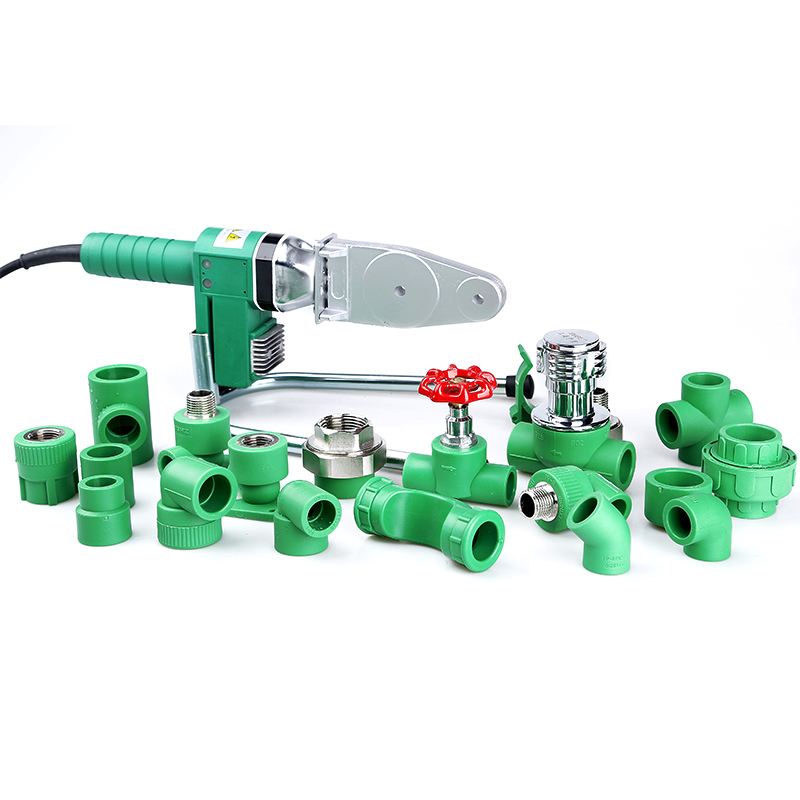
Socket fusion welding is the standard joining method for PPR pipes up to 110mm diameter. The process requires a specialized heating tool with controlled temperature settings at 260±10°C. Installation follows a precise sequence: pipes and fittings are simultaneously heated for specific durations based on diameter—typically 5 seconds for 20mm pipes and up to 40 seconds for 110mm pipes. After heating, components are immediately joined with firm pressure and held stationary during the cooling period.
Critical parameters for successful fusion include:
- Heating time: Insufficient heating prevents proper molecular bonding, while overheating degrades material properties
- Insertion depth: Pipes must be inserted to marked depth indicators to ensure adequate fusion area
- Cooling time: Joints must remain undisturbed for minimum 2 minutes for small diameters and up to 8 minutes for large pipes
- Alignment: Angular misalignment should not exceed 2 degrees to prevent stress concentration
Pipe Cutting and Preparation
Clean, square cuts are essential for leak-free joints. Professional installers use dedicated PPR pipe cutters that produce perpendicular cuts without deforming the pipe wall. After cutting, the outer layer of pipe ends must be scraped or shaved to remove the oxidized surface layer, and fittings must be cleaned with isopropyl alcohol to ensure contamination-free fusion surfaces. Any grease, moisture, or debris will compromise joint integrity.
Support and Fixing Requirements
Due to PPR's thermal expansion characteristics, proper support spacing is critical. Horizontal pipes require supports at intervals of 10 times the pipe diameter for cold water and 8 times for hot water, with maximum spacing not exceeding 1.2 meters. Vertical pipes need support every 2 meters. Expansion compensation must be provided for long runs through expansion loops, offsets, or flexible couplings. A straight run experiencing a 50°C temperature change will expand approximately 7.5mm per meter of length.
Pressure Testing Procedures
After installation completion, systems must undergo hydrostatic pressure testing before concealment or commissioning. Standard testing protocol involves pressurizing to 1.5 times the system's rated working pressure for 1 hour, during which no pressure drop exceeding 0.05 MPa is acceptable. A secondary test at 1.15 times working pressure for 2 hours verifies long-term joint integrity. Testing should occur at stable ambient temperature, as thermal fluctuations can cause pressure variations unrelated to system leakage.
Advantages Over Traditional Piping Materials
PPR pipework offers multiple performance and economic advantages compared to conventional plumbing materials:
Corrosion and Scale Resistance
Unlike metal pipes, PPR is completely immune to electrochemical corrosion, galvanic action, and mineral scale accumulation. Field studies of 20-year-old installations show zero internal diameter reduction, whereas galvanized steel pipes in the same conditions experienced 30-50% flow capacity reduction due to rust and scale buildup. This maintains consistent water pressure and flow rates throughout the system's service life.
Installation Efficiency and Labor Costs
Heat fusion welding eliminates the need for threading, soldering, or adhesive curing times required by metal or PVC systems. Comparative installation studies demonstrate that PPR pipework requires 40-60% less installation time than copper piping and 25-35% less than threaded steel systems. The lightweight nature of PPR reduces physical strain on installers—a 6-meter length of 25mm PN20 pipe weighs approximately 1.2kg compared to 6kg for equivalent copper tubing.
Energy Efficiency and Heat Retention
The low thermal conductivity of PPR translates to measurable energy savings in hot water systems. Thermal loss analysis indicates that uninsulated PPR piping loses approximately 75% less heat than copper under identical conditions. For a typical residential hot water circulation system, this can represent annual energy savings of 15-25% compared to copper installations, with payback periods of 2-3 years in energy costs alone.
Noise Reduction Properties
PPR pipework significantly dampens water flow noise and water hammer effects. Acoustic measurements show that PPR systems operate at sound levels 15-20 decibels lower than copper or steel piping at equivalent flow velocities. This acoustic advantage proves particularly valuable in multi-story residential buildings and hotels where pipe noise transmission can affect occupant comfort.
| Material | Service Life (years) | Corrosion Resistance | Installation Time | Relative Cost |
|---|---|---|---|---|
| PPR | 50+ | Excellent | Fast | $$ |
| Copper | 30-50 | Good | Moderate | $$$$ |
| Galvanized Steel | 15-25 | Poor | Slow | $$$ |
| PVC | 25-40 | Excellent | Moderate | $ |
Common Applications and System Design
PPR pipework serves diverse applications across residential, commercial, and industrial sectors:
Residential Plumbing Systems
In residential construction, PPR has become the dominant choice for both hot and cold water distribution. Typical residential systems use 20mm pipes for individual fixture branches, 25mm for bathroom groups, and 32mm for main distribution lines. The material's flexibility in routing allows for efficient layout design with minimal fittings, reducing both material costs and potential leak points.
Radiant Floor Heating
PPR's thermal properties and flexibility make it particularly suitable for underfloor heating installations. Systems typically operate at 40-60°C with flow velocities of 0.3-0.5 m/s, well within PPR's optimal performance range. The oxygen barrier versions of PPR prevent oxygen diffusion that could corrode system components, extending overall system life. Installation density typically ranges from 5-7 linear meters of pipe per square meter of floor area, depending on desired heat output.
Commercial and Industrial Applications
In commercial settings, PPR pipework serves hotels, hospitals, schools, and office buildings with reliable performance. Industrial applications include chemical processing facilities where PPR's chemical resistance provides advantages over metal systems, particularly in handling deionized water, certain acids, and alkalis. Food processing facilities utilize PPR for its hygienic properties and ease of cleaning, with the smooth internal surface preventing bacterial colonization.
Irrigation and Agricultural Systems
Agricultural applications benefit from PPR's resistance to fertilizers, pesticides, and variable water quality. The material's UV resistance when properly compounded allows for exposed outdoor installations with minimal degradation over 20+ year service periods. Drip irrigation systems, greenhouse climate control, and livestock watering systems all utilize PPR for its durability and low maintenance requirements.
Quality Standards and Certification Requirements
Quality assurance in PPR pipework depends on adherence to international standards and proper material verification:
International Standards Compliance
PPR pipes and fittings must comply with various international standards depending on the market. ISO 15874 provides comprehensive specifications for PPR piping systems, covering dimensions, material properties, and testing requirements. European standards EN 15874 align with ISO specifications while adding regional requirements. German standard DIN 8077/8078 sets stringent quality criteria widely recognized as industry benchmarks. Products meeting these standards undergo rigorous testing including pressure resistance, thermal cycling, and long-term strength assessment.
Material Grade Classification
PPR materials are classified into three main grades based on performance characteristics. Type 1 (PPH) represents basic homopolymer, Type 2 (PPB) indicates block copolymer, and Type 3 (PPR) designates random copolymer—the preferred grade for plumbing applications. Quality PPR pipe should display clear markings indicating manufacturer, dimension ratio (SDR), pressure class, production date, and standard compliance. Absence of proper marking suggests substandard products that may not meet performance specifications.
Certification and Testing Protocols
Reputable manufacturers maintain third-party certifications from recognized bodies. Common certifications include NSF-61 for drinking water system components, confirming that materials do not leach harmful substances. DVGW certification from Germany's technical standards organization represents one of the most stringent approval processes, requiring extensive testing and regular factory audits. These certifications provide assurance of product safety and performance reliability.
Maintenance and Troubleshooting Considerations
While PPR pipework requires minimal maintenance compared to metal systems, certain considerations ensure optimal long-term performance:
Routine Inspection Points
Regular visual inspections should focus on exposed sections, particularly at support points and joints. Signs of stress include discoloration, deformation, or unusual sagging between supports. Properly installed systems show no visible stress whitening or crazing at fusion joints. Support brackets should be checked for tightness without over-compression, which can deform pipes and restrict flow.
Common Installation Defects and Remediation
The most frequent issue in PPR systems stems from improper fusion welding. Weak joints may develop slow leaks months or years after installation as thermal cycling stresses the defective connection. Repair requires cutting out the faulty joint and creating a new fusion connection following proper procedures. Unlike threaded or compression fittings, PPR joints cannot be tightened or adjusted—defective joints must be completely replaced.
System Flushing and Cleaning
New PPR systems should be thoroughly flushed before commissioning to remove installation debris and welding residue. Flushing velocities should reach minimum 1.5 m/s for effective cleaning. Unlike metal pipes, PPR does not require chemical cleaning or descaling treatments. If contamination occurs, the smooth internal surface allows easy restoration through simple water flushing without harsh chemicals that might degrade other piping materials.
Freeze Protection Strategies
While PPR exhibits better freeze tolerance than rigid plastics due to its slight flexibility, freezing water can still cause damage. Pipes exposed to freezing temperatures should be drained or protected with insulation and heat tracing. PPR can typically withstand 1-2 freeze cycles without rupture, but repeated freezing shortens service life. In cold climates, insulation requirements for PPR are less stringent than for copper due to lower thermal conductivity, typically requiring 50-60% of the insulation thickness needed for metal pipes.
Cost Analysis and Economic Considerations
Evaluating PPR pipework economics requires examining both initial investment and lifecycle costs:
Material and Installation Costs
PPR pipe material costs typically range from $1.50-$4.00 per linear meter for common residential sizes (20-32mm PN20), varying by region and manufacturer. Comparable copper piping costs $6-$12 per meter, representing a 60-75% material savings. When installation labor is included, total installed cost for PPR systems runs approximately 40-50% less than copper and 20-30% less than steel, despite requiring specialized fusion equipment.
Lifecycle Cost Comparison
The economic advantage of PPR becomes more pronounced when considering lifecycle costs. Metal pipe systems typically require replacement or major repairs within 20-30 years due to corrosion, whereas PPR systems operate maintenance-free for 50+ years under normal conditions. Elimination of corrosion-related failures prevents water damage, which represents the most expensive aspect of plumbing system failure. Insurance industry data indicates that plumbing failures cause average repair costs of $5,000-$15,000 per incident when structural damage occurs.
Energy Savings Calculations
For hot water systems, PPR's insulation properties generate measurable energy savings. A typical 100-meter residential hot water circulation system in PPR saves approximately 1,500-2,500 kWh annually compared to uninsulated copper, equivalent to $150-$250 in energy costs at typical electricity rates. Over a 30-year period, cumulative energy savings can exceed the initial system cost difference between PPR and copper installations.
Environmental Impact and Sustainability
PPR pipework presents both advantages and considerations from an environmental perspective:
Manufacturing Environmental Footprint
PPR production requires significantly less energy than metal pipe manufacturing. Comparative lifecycle assessment studies indicate that PPR pipe production generates approximately 40% lower CO2 emissions per kilogram than copper pipe production. The lower weight of PPR also reduces transportation energy requirements—a standard shipping container can transport 3-4 times more linear meters of PPR pipe compared to equivalent copper products.
Recyclability and End-of-Life Management
PPR is theoretically recyclable, though practical recycling infrastructure remains limited in many regions. Clean PPR waste from manufacturing can be reprocessed, but post-consumer recycling faces challenges due to contamination and collection logistics. The material's long service life means that recycling demand remains relatively low as most installed systems have not yet reached end-of-life. When disposed in landfills, PPR is chemically inert and does not leach harmful substances, though it persists without biodegrading.
Water Quality and Health Impact
PPR's chemical inertness ensures no metallic ion leaching, eliminating concerns about copper or lead contamination present in metal systems. The material does not support bacterial growth on internal surfaces, and its smooth bore resists biofilm formation. Testing per NSF-61 standards confirms that PPR contributes no detectable contaminants to potable water, making it one of the safest materials for drinking water distribution from a health perspective.


 Email:
 Telephone:+86-21-57461561
 Phone:+86-18721379989


