


 简体中文
简体中文 English
 русский
 Español
 Français
 عربى
عربى Português
 日本語
日本語 italiano
 Nederlands
 Polskie
High temperature resistant PPR (Polypropylene Random Copolymer) pipes represent advanced plumbing solutions designed to withstand elevated water temperatures while maintaining structural integrity and safety. These specialized pipes serve hot water distribution systems in residential, commercial, and industrial settings where standard plastic piping would fail or degrade. Understanding temperature ratings, material specifications, and proper installation techniques ensures reliable performance in demanding thermal environments.
Content
- 1 Temperature Ratings and Performance Standards
- 2 Material Composition and Construction
- 3 Common Applications for High Temperature PPR
- 4 Installation Methods and Fusion Welding
- 5 Thermal Expansion Management
- 6 Insulation Requirements and Energy Efficiency
- 7 Quality Standards and Certifications
- 8 Maintenance and Service Life Expectations
- 9 Comparison with Alternative Piping Materials
- 10 Installation Best Practices and Common Mistakes
- 11 Cost Analysis and Return on Investment
Temperature Ratings and Performance Standards
Standard PPR pipes handle continuous operating temperatures up to 70°C (158°F) with short-term spikes to 95°C (203°F). High temperature resistant variants extend these limits significantly, accommodating continuous operation at 95°C with brief exposure capabilities reaching 110°C (230°F). These enhanced specifications make them suitable for industrial hot water systems, radiant heating circuits, and commercial applications demanding consistent high-temperature performance.
Pressure ratings decrease as operating temperatures increase due to thermal expansion and reduced material strength at elevated temperatures. Manufacturers provide derating charts showing maximum allowable pressures at various temperatures. A pipe rated for 25 bar at 20°C might only support 10 bar at 95°C. Always consult manufacturer specifications when designing systems with sustained high-temperature operation to ensure adequate safety margins.
| PPR Type | Max Continuous Temp | Peak Temp (Short Duration) | Typical Applications |
| PPR-80 (Type 3) | 70°C | 95°C | Residential hot water |
| PPR-100 (FASER) | 95°C | 110°C | Industrial systems, radiant heating |
| Fiber-Reinforced PPR | 95°C | 110°C | High-pressure hot water systems |
Material Composition and Construction
High temperature PPR pipes utilize advanced polymer formulations with enhanced thermal stability compared to standard grades. Manufacturers incorporate stabilizers, antioxidants, and UV inhibitors that prevent degradation under sustained heat exposure. The random copolymer structure provides superior impact resistance and flexibility while maintaining rigidity necessary for pressurized systems.
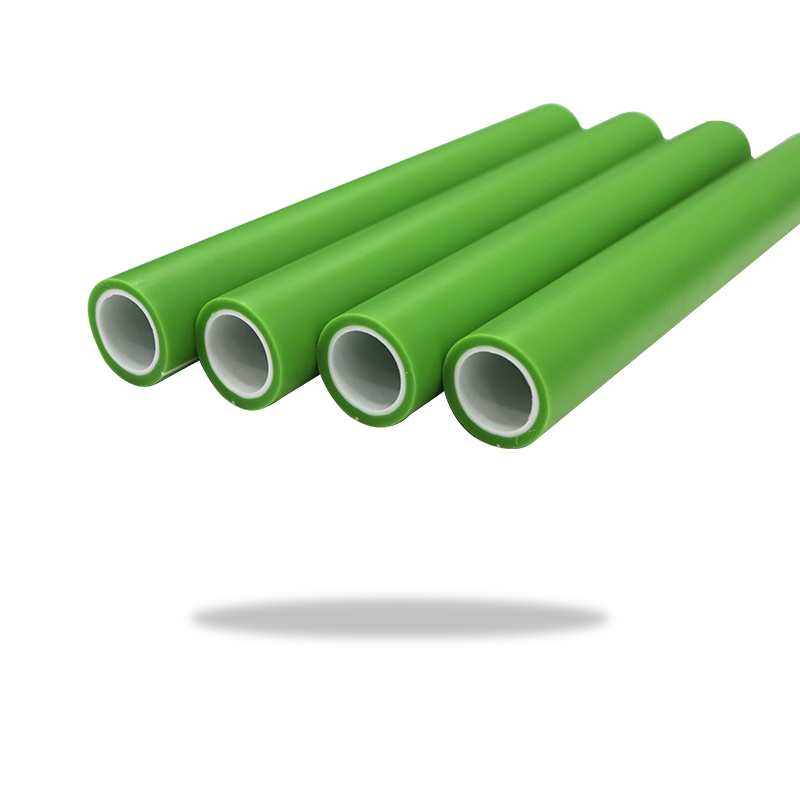
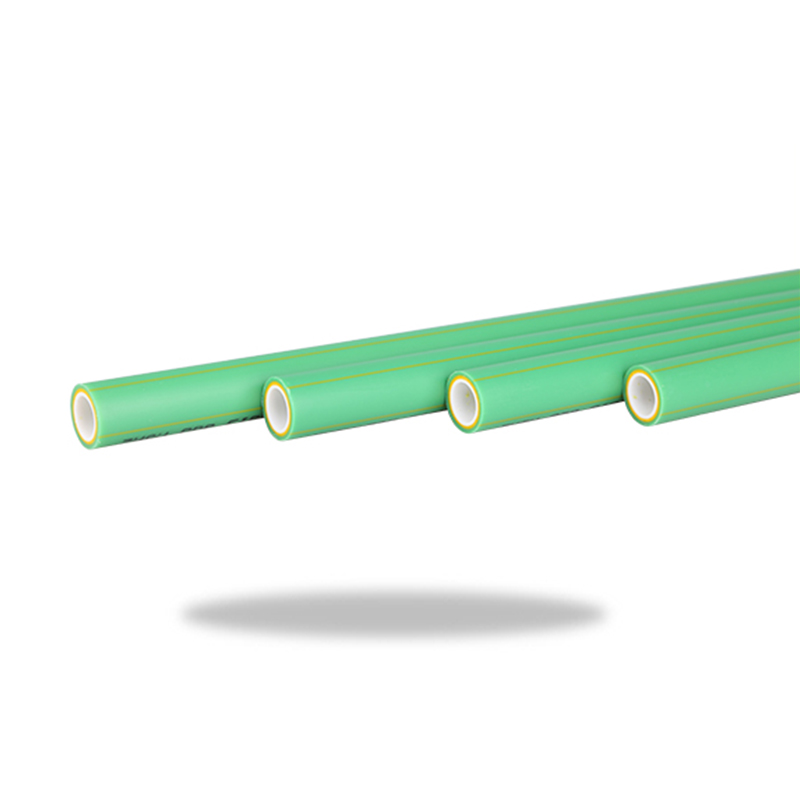
Fiber-reinforced PPR pipes integrate fiberglass or aluminum layers between inner and outer PPR shells. This composite construction reduces thermal expansion by approximately 75% compared to homogeneous PPR, minimizing pipe movement and stress on fittings. The reinforcement layer also increases pressure capacity and dimensional stability at high temperatures, making these variants ideal for demanding commercial applications.
- Multi-layer construction prevents oxygen diffusion in closed-loop heating systems
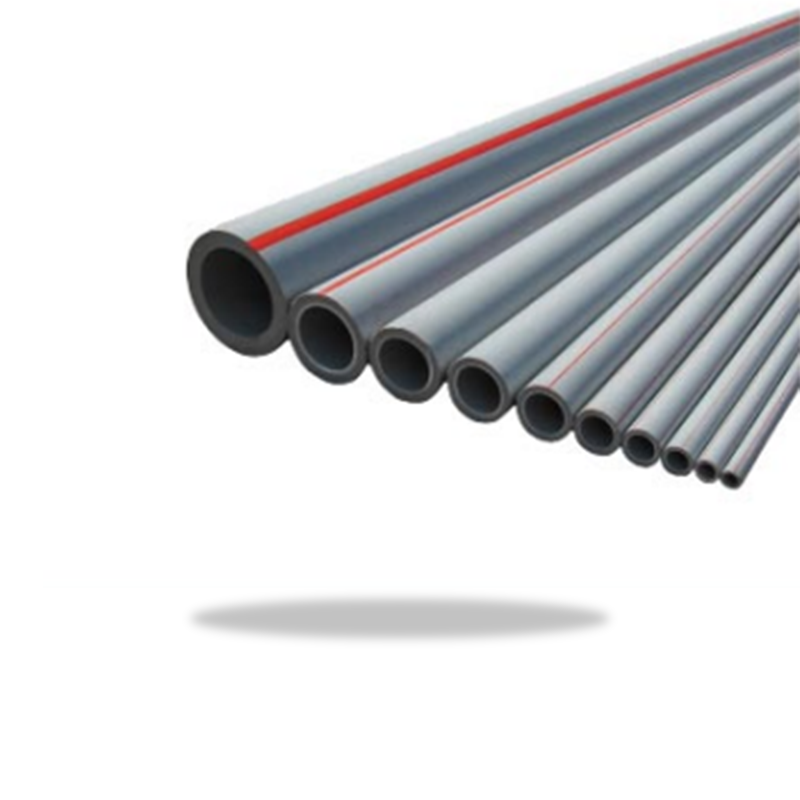
- White or gray coloring indicates standard hot water applications
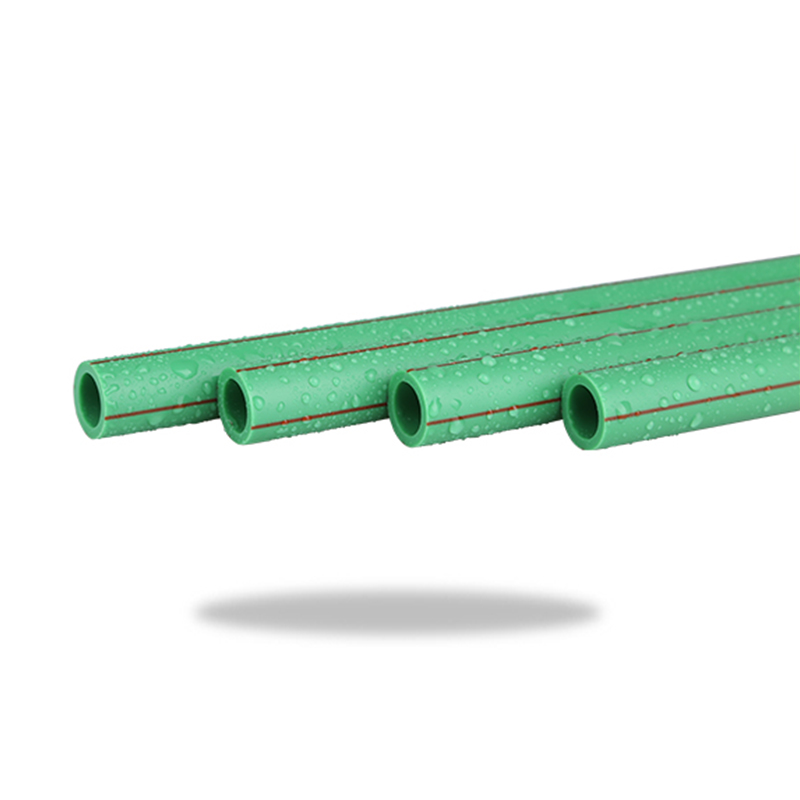
- Green coloring typically designates potable water applications
- Wall thickness varies by pressure class (PN10, PN16, PN20, PN25)
Common Applications for High Temperature PPR
Residential hot water distribution systems represent the most widespread application for high temperature PPR pipes. These systems connect water heaters to fixtures throughout homes, delivering hot water at temperatures typically ranging from 50-70°C. The pipes resist scaling, corrosion, and chemical degradation common with metal alternatives, providing maintenance-free service for decades.
Radiant floor heating systems require pipes capable of continuous operation at elevated temperatures while maintaining flexibility for serpentine layouts. High temperature PPR pipes embedded in concrete slabs circulate heated water at 40-60°C, providing efficient space heating. The material's low thermal conductivity minimizes heat loss between heating loops, improving system efficiency compared to copper alternatives.
Industrial processes involving hot water circulation, chemical transport, or food-grade applications benefit from PPR's chemical resistance and temperature capabilities. Breweries, dairies, pharmaceutical plants, and commercial laundries utilize high temperature PPR for process water systems where metal pipes would corrode or contaminate products. The smooth interior surface prevents bacterial growth and maintains flow efficiency.
Solar Water Heating Systems
Solar thermal collectors generate water temperatures exceeding 80°C during peak sunlight hours, requiring high temperature resistant piping. PPR pipes connect collectors to storage tanks, withstanding thermal cycling between ambient nighttime temperatures and daytime peaks. The material's UV resistance allows outdoor installation when protected from direct sunlight through insulation or conduit.
Installation Methods and Fusion Welding
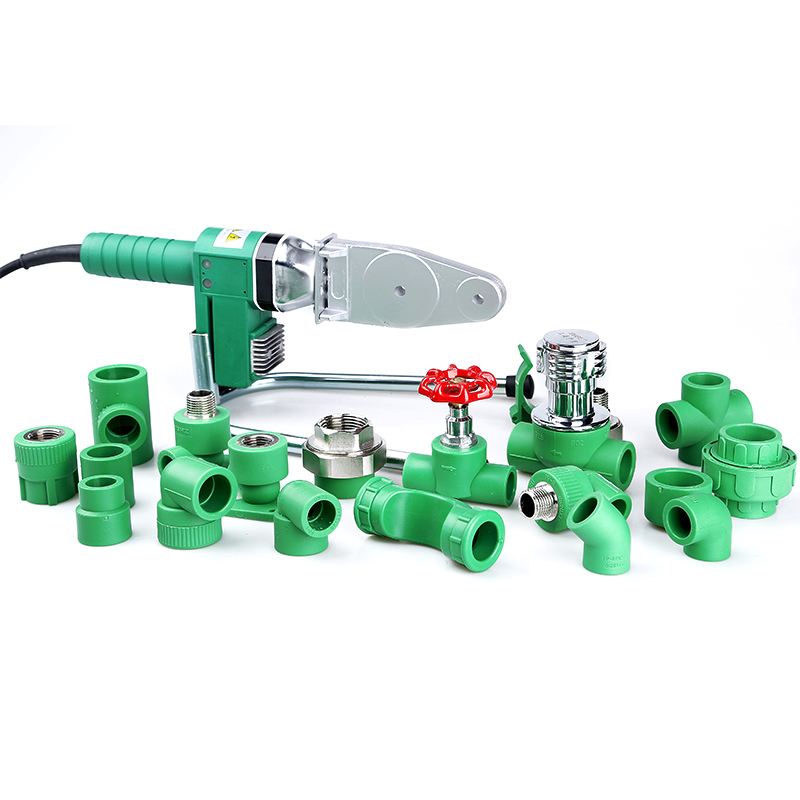
Heat fusion welding creates permanent, leak-proof joints in PPR pipe systems. Specialized fusion machines heat pipe ends and fitting sockets simultaneously to precise temperatures (typically 260°C for PPR). Heated surfaces press together for specified durations, creating molecular bonds stronger than the base material. Proper fusion technique requires clean cuts, correct heating times, and immediate joining without rotation.
Pipe preparation begins with square cuts using specialized PPR cutters that prevent deformation. Mark insertion depth on pipe ends to ensure proper socket engagement. Clean all surfaces with isopropyl alcohol to remove oils and contaminants. Insert pipe and fitting onto heating elements simultaneously, heating for durations specified by pipe diameter—typically 5-8 seconds for 20mm pipes, scaling upward for larger sizes.
Join heated components immediately after removing from fusion machine, inserting pipe into fitting socket with steady pressure until reaching marked depth. Hold assembly motionless for cooling time specified by manufacturer, typically 4-6 seconds for hand pressure followed by several minutes before system pressurization. Never rotate or adjust joints during cooling, as this creates weak points prone to failure.
- Heating times increase with pipe diameter following manufacturer charts
- Ambient temperatures below 5°C require adjusted heating parameters
- Overheating causes excessive material flow and weakened joints
- Underheating results in incomplete fusion and leak potential
Thermal Expansion Management
PPR pipes expand approximately 0.15mm per meter for each 10°C temperature increase. A 10-meter pipe run experiencing 50°C temperature change expands 75mm, creating significant stress on fixed points if unaccommodated. Install expansion loops, offset configurations, or flexible couplings at regular intervals to absorb movement. Calculate required expansion compensation using pipe length, temperature differential, and material expansion coefficient.
Fixed support points anchor pipe runs at strategic locations while allowing movement between supports. Install sliding supports or clips that permit axial pipe movement while preventing lateral displacement. Space supports according to diameter and orientation—horizontal runs require closer spacing than vertical installations. Consult manufacturer guidelines for specific support intervals based on temperature and pressure conditions.
Fiber-reinforced PPR pipes reduce expansion concerns through their composite construction. The fiberglass or aluminum layer restricts polymer expansion, cutting movement by approximately 75% compared to homogeneous PPR. This allows longer unsupported spans and simpler installation in applications where standard PPR would require extensive expansion accommodation.
Insulation Requirements and Energy Efficiency
Insulating high temperature PPR pipes prevents energy loss, maintains water temperature, and prevents condensation on cold water lines. Closed-cell foam insulation sleeves sized for specific pipe diameters provide thermal protection with minimal installation effort. Ensure insulation temperature ratings exceed maximum pipe operating temperatures—standard foam sleeves typically handle 95°C, while specialized products accommodate higher temperatures.
Outdoor and unheated space installations require weather-resistant insulation protection. UV-resistant jacketing, PVC covers, or aluminum foil facing shields insulation from degradation while preventing moisture infiltration. In freezing climates, insulation alone may prove insufficient—consider heat tracing or pipe location within heated building envelopes to prevent freeze damage.
Energy savings from proper insulation offset installation costs through reduced heating requirements. A typical residential hot water system loses 10-20% of heat through uninsulated piping. Insulation reduces losses to 2-5%, translating to measurable utility bill reductions over system lifetime. Commercial systems with extensive pipe runs realize even greater savings, often achieving payback periods under two years.
Quality Standards and Certifications
High temperature PPR pipes must meet international standards ensuring safety and performance. ISO 15874 specifies requirements for PPR pipe systems including dimensions, materials, and testing protocols. European standards EN 15874 align closely with ISO requirements. NSF/ANSI 14 certification indicates pipes meet North American potable water standards, while NSF 61 confirms materials don't leach harmful substances.
Pressure class markings (PN10, PN16, PN20, PN25) indicate maximum working pressures at 20°C. These ratings decrease proportionally at higher temperatures following derating charts. PN20 pipes (rated for 20 bar at 20°C) represent common choices for residential hot water systems, while PN25 variants serve higher-pressure commercial applications. Always verify pressure ratings at actual operating temperatures.
Reputable manufacturers print specifications directly on pipes including diameter, wall thickness, pressure rating, temperature class, production date, and certification marks. This traceability ensures compliance verification and facilitates proper material selection. Avoid unmarked or poorly documented products lacking certification, as these may fail prematurely or introduce safety hazards.
Maintenance and Service Life Expectations
Properly installed high temperature PPR systems require minimal maintenance throughout their service lives. The material resists corrosion, scaling, and chemical degradation affecting metal pipes. No periodic painting, coating, or corrosion protection proves necessary. Inspect visible pipe sections annually for signs of stress, sagging, or joint separation. Address any issues immediately to prevent progressive damage.
Expected service life exceeds 50 years under normal operating conditions within rated temperature and pressure limits. Sustained operation above design temperatures accelerates aging and reduces longevity. Similarly, pressure spikes from water hammer or system malfunctions stress pipe walls and joints. Install pressure relief valves and water hammer arrestors to protect systems from destructive transients.
Leaks typically occur at fusion joints rather than pipe bodies when installations fail. Poor fusion technique during installation represents the primary cause of joint failures. Repairing leaking joints requires cutting out affected sections and re-fusing new components with proper technique. Unlike threaded connections, PPR fusion joints cannot be disassembled for repair—defective joints necessitate complete replacement.
Comparison with Alternative Piping Materials
Copper pipes historically dominated hot water applications but carry higher material and installation costs. Copper resists higher temperatures than PPR but suffers from corrosion in aggressive water chemistry and requires skilled soldering for leak-free joints. PPR's fusion welding proves easier for many installers, reducing labor costs despite longer joint cooling times compared to soldered copper.
PEX (cross-linked polyethylene) competes with PPR in residential applications through its flexibility and simple mechanical fittings. However, PEX maximum temperature ratings typically reach only 93°C continuously, limiting applications compared to PPR-100 materials. PEX also exhibits higher thermal expansion than fiber-reinforced PPR, requiring more expansion accommodation in long runs.
CPVC (chlorinated polyvinyl chloride) handles similar temperatures to PPR but proves more brittle, particularly in cold environments. CPVC also requires chemical primers and solvent cement for joints, introducing volatile organic compounds during installation. PPR's heat fusion creates clean, solvent-free joints while the material maintains impact resistance across wider temperature ranges than CPVC.
| Material | Max Continuous Temp | Corrosion Resistance | Relative Cost |
| High Temp PPR | 95°C | Excellent | Medium |
| Copper | 120°C+ | Variable | High |
| PEX | 93°C | Excellent | Low-Medium |
| CPVC | 93°C | Excellent | Low-Medium |
Installation Best Practices and Common Mistakes
Achieve optimal results by following proven installation protocols. Plan pipe routes minimizing fittings and joints, as each connection represents potential failure points. Maintain adequate clearance around pipes for insulation installation and future maintenance access. Slope horizontal runs slightly toward drainage points to facilitate complete system evacuation during maintenance.
Common installation errors include inadequate support spacing, allowing pipe sagging under weight of water and insulation. Excessive tightening of pipe clips causes stress concentrations that may crack pipes under thermal cycling. Allow clips sufficient clearance for thermal expansion while preventing lateral movement. Use pipe clips specifically designed for PPR with cushioned contact surfaces preventing point loading.
- Never exceed fusion machine temperature settings attempting faster installation
- Avoid reheating failed joints—cut out and replace with new materials
- Test systems at 1.5 times working pressure before concealment or insulation
- Document pipe routes photographically before covering for future reference
- Install pressure gauges and temperature sensors at system high points
Cost Analysis and Return on Investment
Initial material costs for high temperature PPR systems fall between PEX and copper alternatives. However, total installation costs often prove lower than copper due to simpler joining techniques and reduced labor time. Fiber-reinforced PPR carries premium pricing over standard grades but eliminates expansion compensation costs, potentially offsetting material premiums through installation savings.
Long-term value derives from maintenance-free operation and extended service life. Corrosion-related failures common in metal systems don't affect PPR, eliminating replacement costs over decades. Energy efficiency improvements through proper insulation provide ongoing operational savings, while system reliability prevents water damage and associated repair costs.
Commercial applications realize fastest returns on investment through reduced downtime and maintenance costs. Hospitality, healthcare, and multi-family residential properties benefit from PPR's reliability and low maintenance requirements. Industrial facilities handling hot process fluids avoid costly corrosion-related contamination while eliminating painting and coating maintenance typical of metal pipe systems.

 Email:
 Telephone:+86-21-57461561
 Phone:+86-18721379989


