


 简体中文
 English
 русский
 Español
 Français
 عربى
 Português
 日本語
 italiano
 Nederlands
 Polskie

Content
New Standard Puts PPR Pipe Fusion on Paper
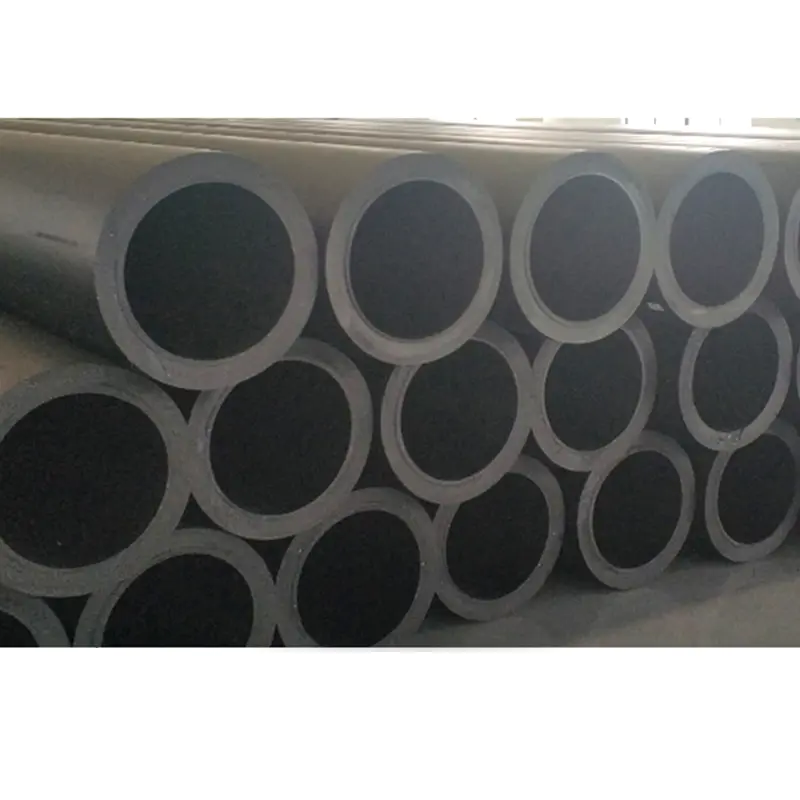
Heat fusion has joined polypropylene pipe in hot and cold water systems for decades, but the field procedure has often lived in manufacturer sheets and German guidance. That changed in November 2024, when ASTM International published F3722-24, a standard practice for heat fusion joining of polypropylene pipe and fittings. PPI's announcement of the new heat fusion practice for polypropylene pipe explains that it was written by PPI's Building & Construction Division together with the ASTM F17 committee.
The practice draws on the German DVS 2207-11 code and more than twenty years of installation experience in North America. It applies to pressure pipe made to ASTM F2389, CSA B137.11 or ISO 15874, and it covers both factory and field work. For PP-R and PP-RCT pipe, which serve plumbing, hydronic and chilled water lines in high-rise buildings and data centers, it gives specifiers a single document to cite.
Four Fusion Methods Covered
F3722-24 gives each of four joining methods its own section: butt fusion, socket fusion, sidewall outlet fusion and electrofusion. Butt fusion suits larger pipe, where the ends are faced, heated against a plate and pressed together. Electrofusion helps in tight spaces where a heating tool cannot reach.
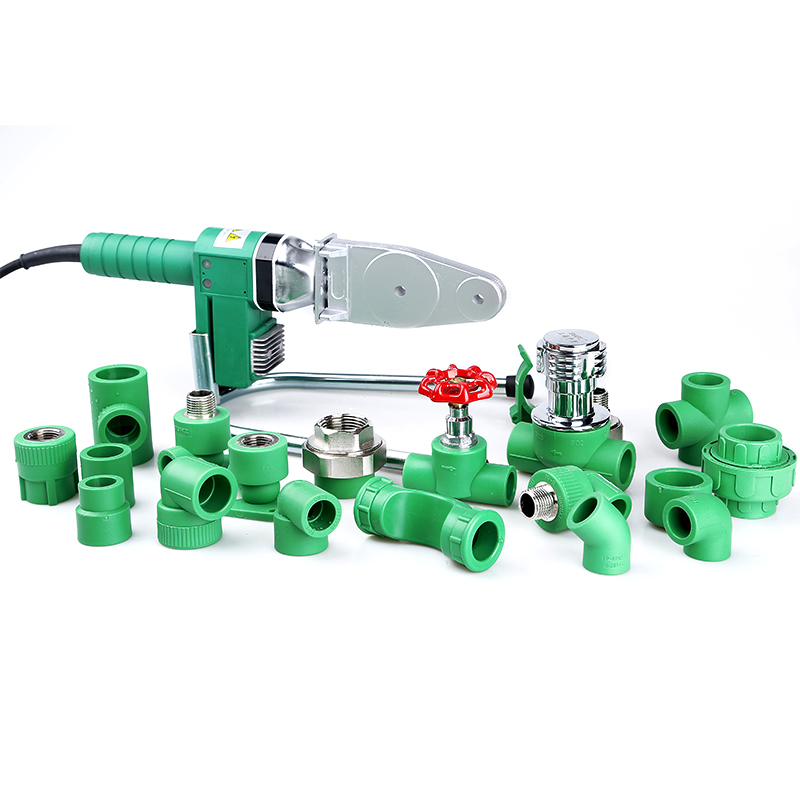
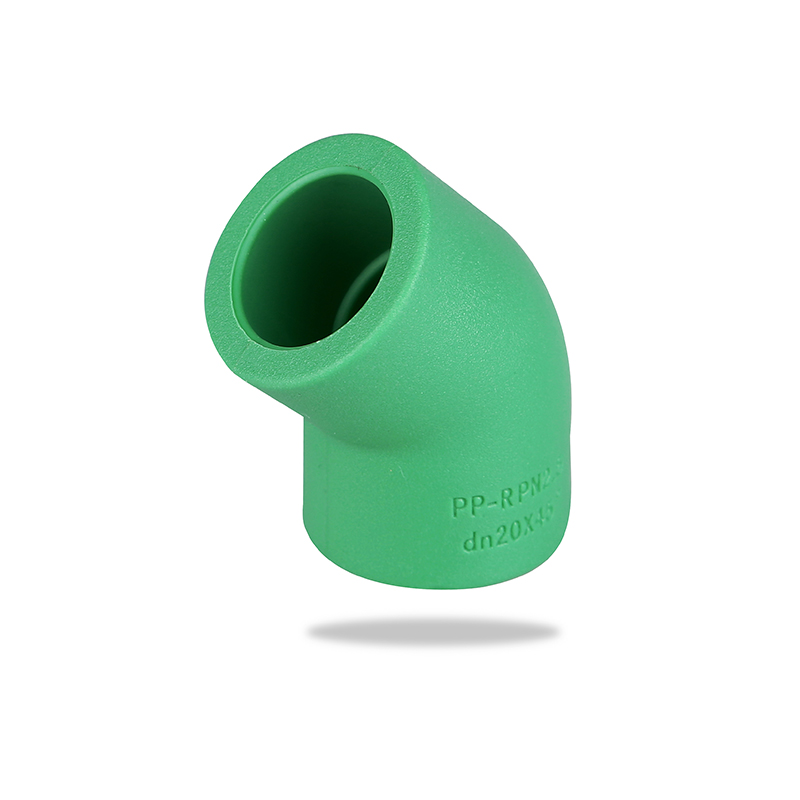
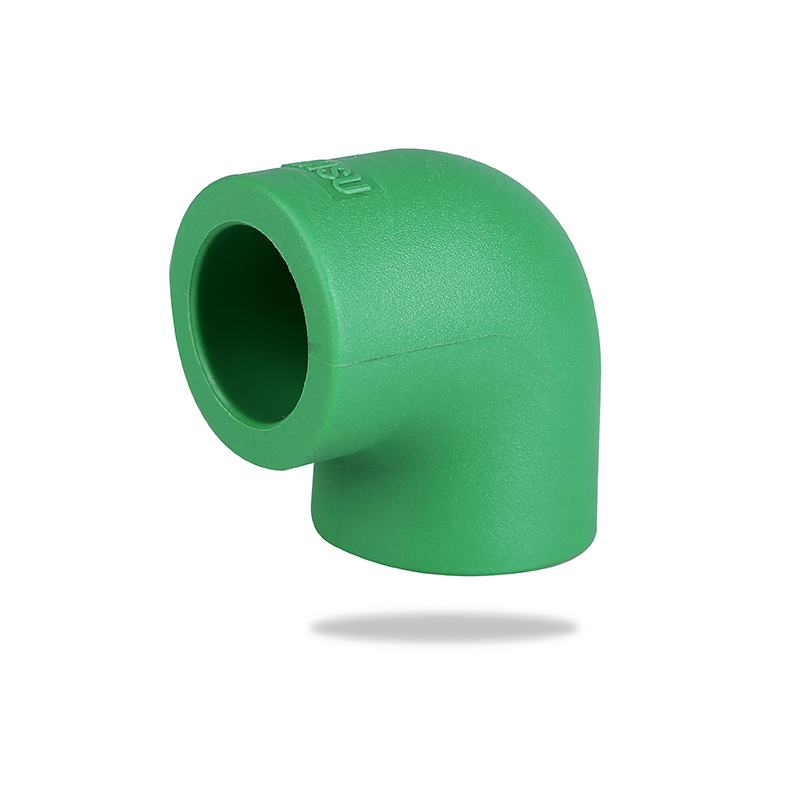
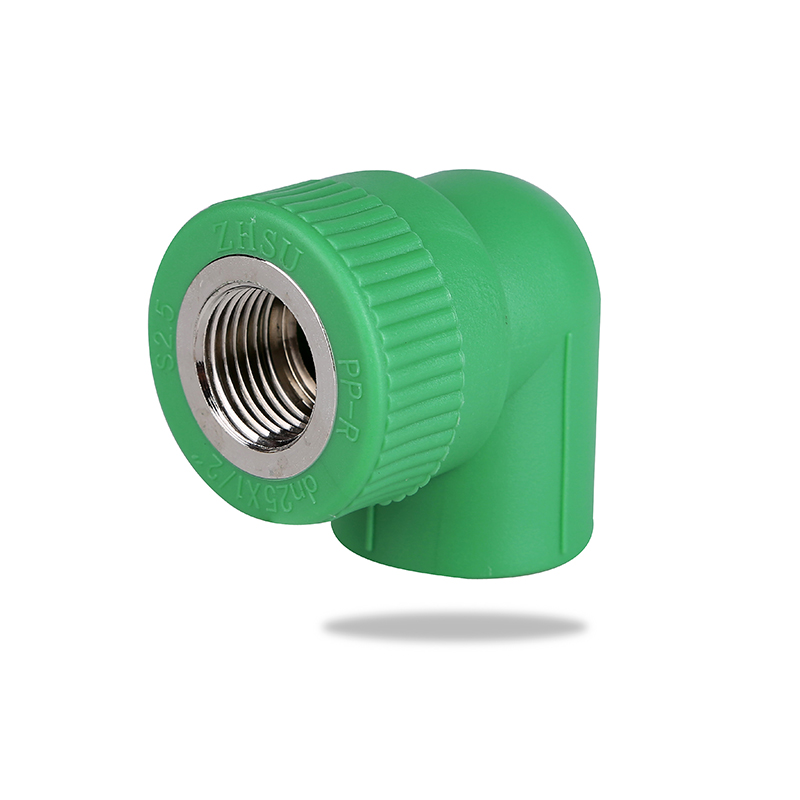
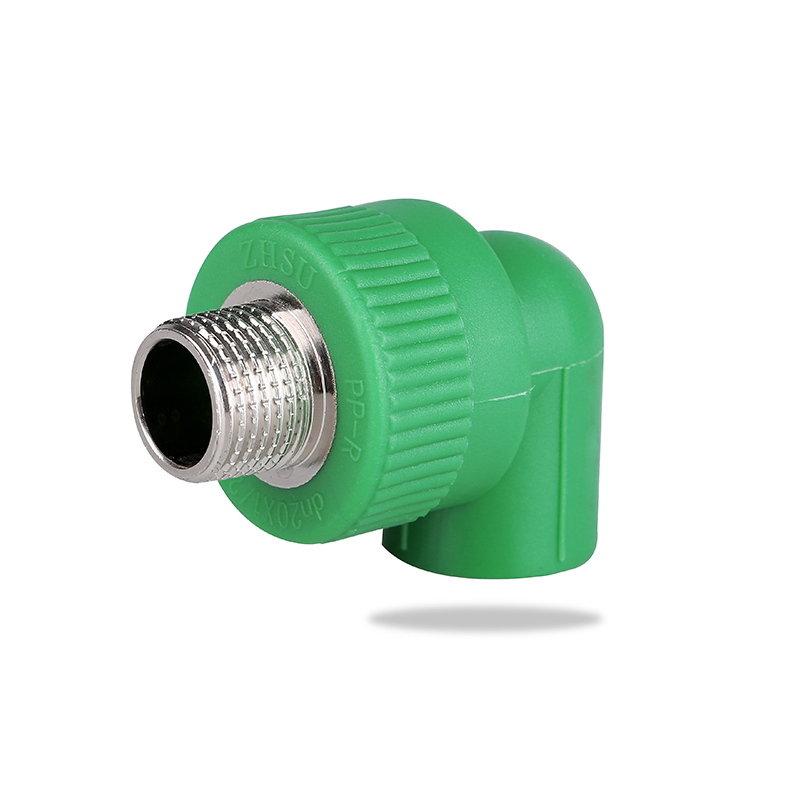
Socket fusion is the method most installers meet first, because it needs only a handheld welding tool, matched heating dies and a pipe cutter. The same tool joins pipe to the full range of PPR fittings used in socket fusion, from elbows and tees to unions and valves.
Socket Fusion Parameters for Common Pipe Sizes
The core of the process is heat and timing. The tool is set to about 260°C, and the pipe end and fitting are pushed onto their dies at the same moment, straight and without twisting. When the heating time ends, they are pulled off and joined at once, usually inside four seconds for small sizes.
| Pipe diameter (mm) | Weld depth (mm) | Heating time (s) | Joining time (s) | Cooling time (min) |
|---|---|---|---|---|
| 20 | 14 | 5 | 4 | 2 |
| 25 | 15 | 7 | 4 | 2 |
| 32 | 16.5 | 8 | 6 | 4 |
| 40 | 18 | 12 | 6 | 4 |
| 50 | 20 | 18 | 6 | 4 |
| 63 | 24 | 24 | 8 | 6 |
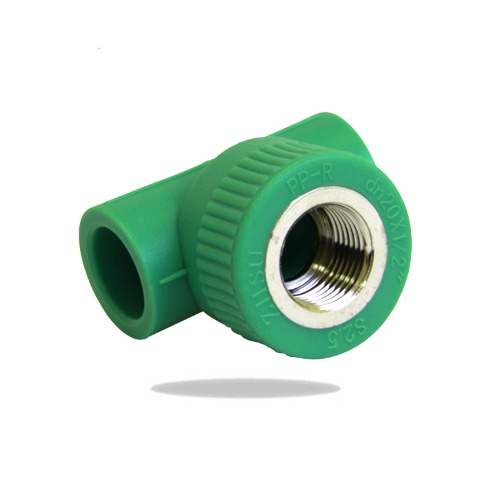
Temperature changes the numbers. When the working environment drops below 5°C, the same data sheet calls for heating time to be extended by 50 percent. Straight runs are usually joined with PPR couplings that join straight runs of pipe, and the table applies to them in the same way.
What a Sound Joint Looks Like
A good joint starts before the heater is switched on. The pipe is cut square, burrs are removed, and dirt, oil and moisture are wiped from both surfaces. A depth gauge marks the insertion depth, which prevents a shallow bond on one side and a narrowed bore on the other.
After joining, look for a small, even bead of melted material around the whole rim of the fitting. Gaps, a lopsided bead or a pipe that has shifted all point to a joint that moved while it set. The joint should rest undisturbed for the full cooling time, and it should never be cooled with water. Our step-by-step socket fusion checklist for leak-free PPR joints walks through each stage.
The new standard backs this up with four quality assurance appendices, one per fusion method, that show photographs of acceptable and unacceptable joints. Inspectors and crew leads get a visual reference instead of a verbal description.
Material Choice Matters: PP-R and PP-RCT
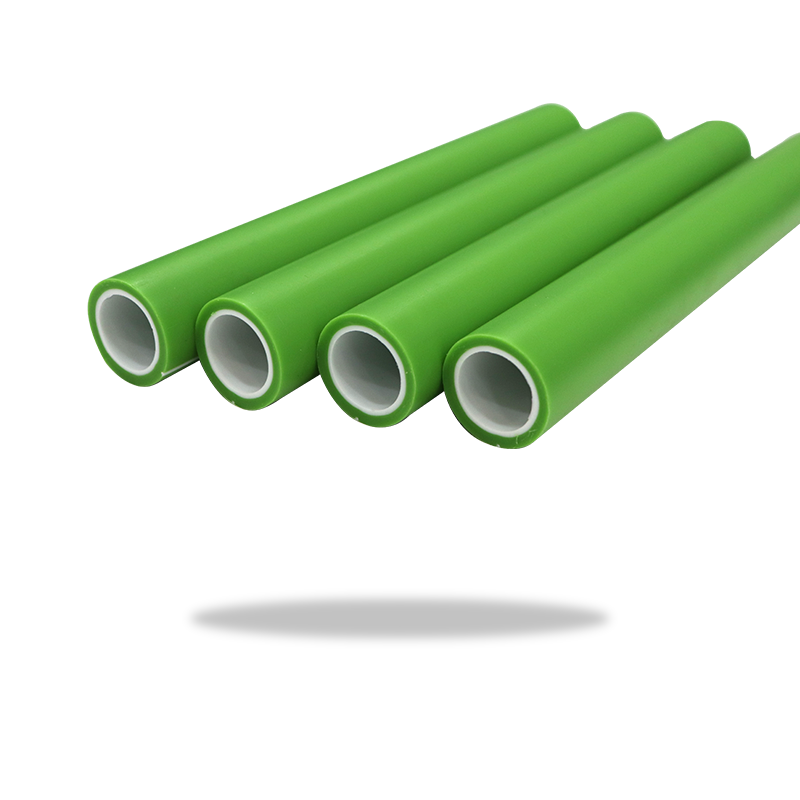
F3722-24 treats PP-R and PP-RCT together, yet the two behave differently once the water gets hot. PP-RCT uses a modified crystalline structure that holds its pressure rating better at elevated temperatures. ZHSU lists its PP-RCT pipe rated for continuous operation up to 90°C, with a working life of 50 years at 70°C and 1 MPa, in sizes from 20 mm to 160 mm.
That headroom matters in heating and hot water circuits, where a lower-rated pipe would need a thicker wall for the same pressure. For a closer look at the material, see the key properties that suit PP-RCT to high-temperature service.
What Installers Should Check Before the Next Job
The practical effect of a published standard is a shorter list of things to argue about on site. Before the next fusion job, a crew can run through a few points:
- Confirm the pipe and fittings come from the same system and meet the specification named in the project documents.
- Check that dies are clean and the coating is undamaged, then let the tool stabilize at temperature.
- Use the heating and cooling times for the actual pipe size, and extend heating in cold conditions.
- Inspect every bead, then pressure test the system before the walls are closed.
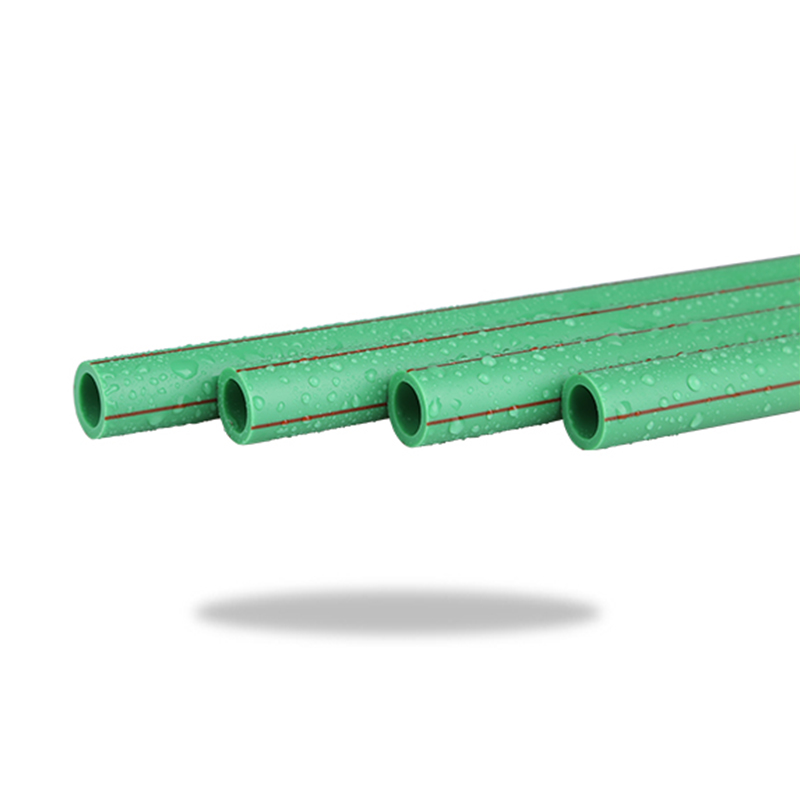
Crews should also be trained and qualified on the equipment they use. For projects that carry drinking water, potable water PPR pipe for hot and cold supply lines is the product family to specify, with fusion carried out to the same procedure.
 Email:
 Telephone:+86-21-57461561
 Phone:+86-18721379989


