


 简体中文
 English
 русский
 Español
 Français
 عربى
 Português
 日本語
 italiano
 Nederlands
 Polskie

Content
- 1 The Short Answer on PVC and Drinking Water
- 2 What NSF/ANSI 61 Certification Covers
- 3 What Can Leach From PVC and Why People Worry
- 4 Which PVC Types Belong in a Drinking Water Line
- 5 Conditions That Raise the Risk
- 6 How to Check a Pipe Before Installation
- 7 When Other Pipe Materials Make More Sense
- 8 Quick Answers to Common Questions
The Short Answer on PVC and Drinking Water
Rigid PVC pipe that carries NSF/ANSI 61 certification is accepted for cold drinking water supply in North America. That is the practical answer, and it comes with a condition: the pipe has to be the right type, it has to be certified for potable contact, and it has to be installed with compatible materials.
Accepted does not mean every question is closed. Industry groups describe certified PVC as proven and safe. Environmental groups argue that the long-term evidence on plastic pipe chemistry is thin. Both positions rest on real documents, and this article sets them side by side so you can judge which concerns apply to your project.
The most useful rule fits in one sentence: check the print on the pipe, not the color or the price.
What NSF/ANSI 61 Certification Covers
NSF/ANSI 61 sets minimum health-effects requirements for chemicals and impurities that a product can pass into drinking water. Pipes, fittings, valves, gaskets and adhesives all fall inside its scope. The standard and its limits are laid out in NSF's description of the NSF/ANSI 61 scope and what it leaves out.
That last part matters. The standard does not set performance, taste and odor, or microbial growth requirements. A certified pipe has passed a chemical contaminant test. It has not necessarily been tested for how well it resists biofilm or whether it gives water a plastic taste.
For buyers, the takeaway is simple. Certification answers the question "what comes out of the pipe wall," and nothing beyond it.
What Can Leach From PVC and Why People Worry
Two groups of substances drive most of the debate: residual vinyl chloride monomer, the building block of PVC, and the additives mixed into the plastic.
Vinyl chloride is a known health concern. The EPA sets a goal of zero for it in drinking water and an enforceable limit of 2 parts per billion for public water systems, explained in the agency's archived consumer fact sheet on vinyl chloride. The limit was set at the lowest level water systems can reasonably achieve, which is why the goal and the limit differ. Industry sources say vinyl chloride is stripped from PVC resin to levels not considered hazardous, and that certification testing verifies it.
Critics focus on the additives. A 2023 report from an environmental coalition, summarized in a press release urging officials to avoid PVC for water lines, argues that no drinking water standard accounts for the combined exposure to chemical mixtures. It also points out that manufacturers are not required to publish their pipe formulations. The report recommends recycled copper and stainless steel instead.
The industry answer is specific: rigid pipe made for drinking water does not contain phthalates, the plasticizers behind many health headlines. Those two claims do not cancel each other out. The first is about chemical testing standards, the second about how much those standards cover. Choosing certified rigid pipe addresses the first concern, and it is the best available way to limit the second.
Which PVC Types Belong in a Drinking Water Line
"PVC" is a family of compounds, and only some members are meant for potable water.
| Material | Typical use | Drinking water notes |
|---|---|---|
| Rigid PVC (uPVC) | Cold water supply | No plasticizers; acceptable when certified |
| CPVC | Hot and cold lines inside buildings | Handles higher temperatures; acceptable when certified |
| Flexible PVC | Hoses and soft tubing | Contains plasticizers; not recommended for supply lines |
| Drain, waste and conduit PVC | Drainage and electrical runs | Not tested for potable contact; do not use |
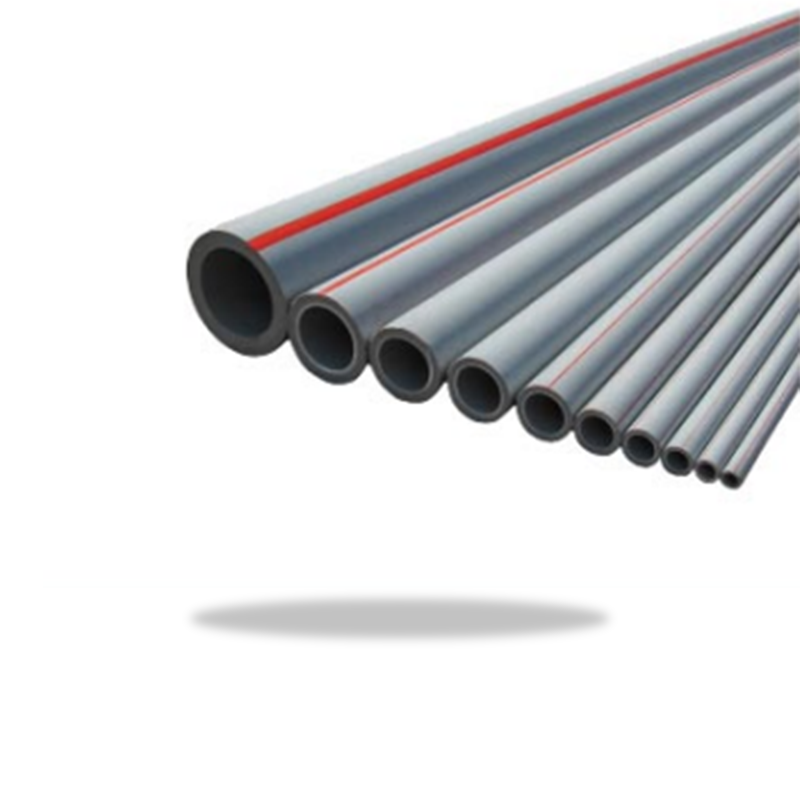
Temperature is the dividing line between the first two rows. Industry guidance rates standard PVC pressure pipe up to about 140°F (60°C) and CPVC up to about 180°F (82°C). A water heater line belongs in CPVC or another hot-rated material, never standard PVC.
Conditions That Raise the Risk
Even a certified pipe is not equally safe in every situation. Four conditions deserve attention.
- Heat: warmer water speeds up chemical migration from any plastic, and standard PVC is not built for hot lines.
- Stagnant water: liquid that sits in a pipe overnight or through a long vacancy has more time in contact with the wall.
- Age and damage: brittle, yellowed or cracked pipe is a sign the material has degraded.
- Wrong product: drain or conduit pipe installed in a supply line was never tested for drinking water.
Age raises a fair question about lifespan. Estimates vary widely by source. Some comparisons put PVC at 25 to 40 years, as in this look at how PPR antibacterial pipe lifespan compares with PVC and metal pipes, while industry testing of buried mains points to far longer service. Soil, sunlight exposure, pressure and installation quality all push the real number in either direction.
How to Check a Pipe Before Installation
Five checks take a few minutes and remove most of the avoidable risk.
- Read the print line along the pipe. Look for NSF-PW or NSF-61. No marking means no assurance.
- Match the cement to the job. Solvent cement and primer should be labeled for potable water, since joining materials are within the certification scope.
- Flush new lines before drinking from them. A faint plastic smell in new pipe is common and usually fades with flow.
- Keep drain, vent and conduit pipe out of supply runs, even for a temporary fix.
- Treat a taste that does not fade as a warning. Persistent chemical taste after days of flushing is a reason to verify the product and test the water.
For an older building with original plastic plumbing, the same logic applies in reverse: if you cannot confirm what the pipe is, a certified water test from a laboratory or a call to your water utility gives you facts instead of guesses.
When Other Pipe Materials Make More Sense
Certified PVC suits cold supply lines well. Other jobs favor different materials.
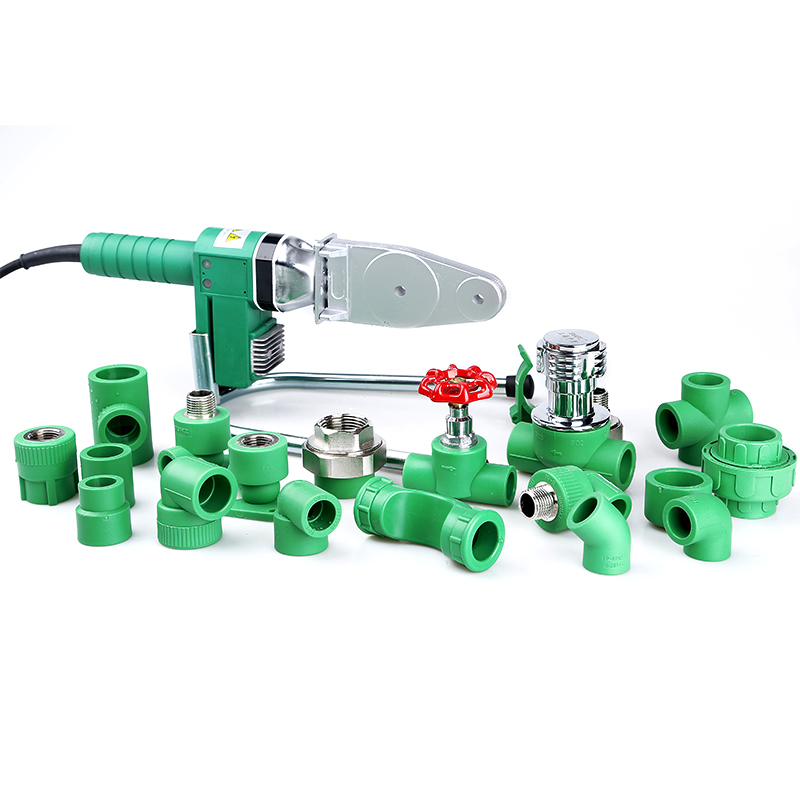
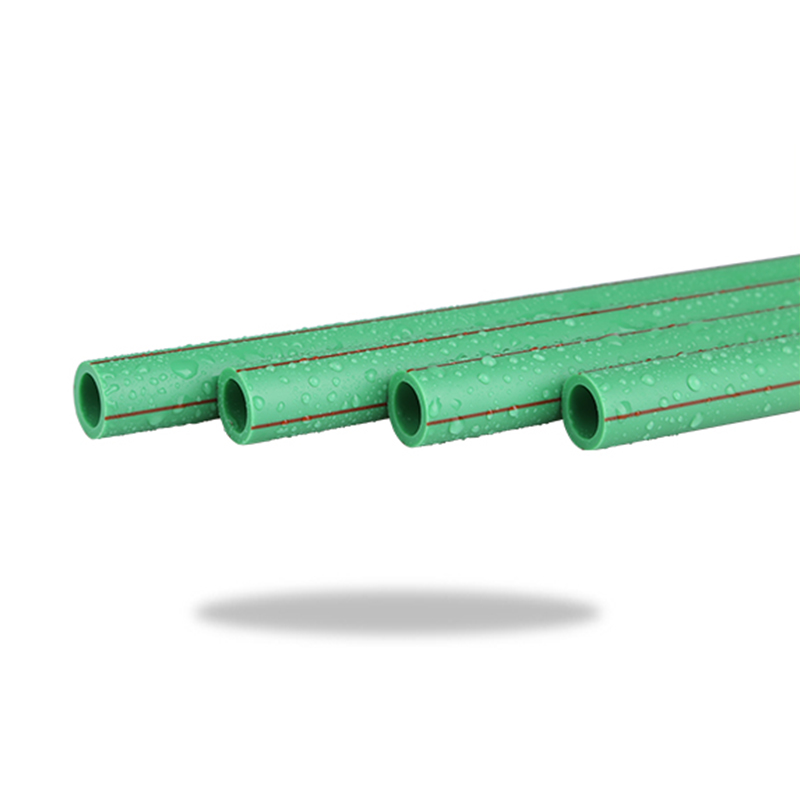
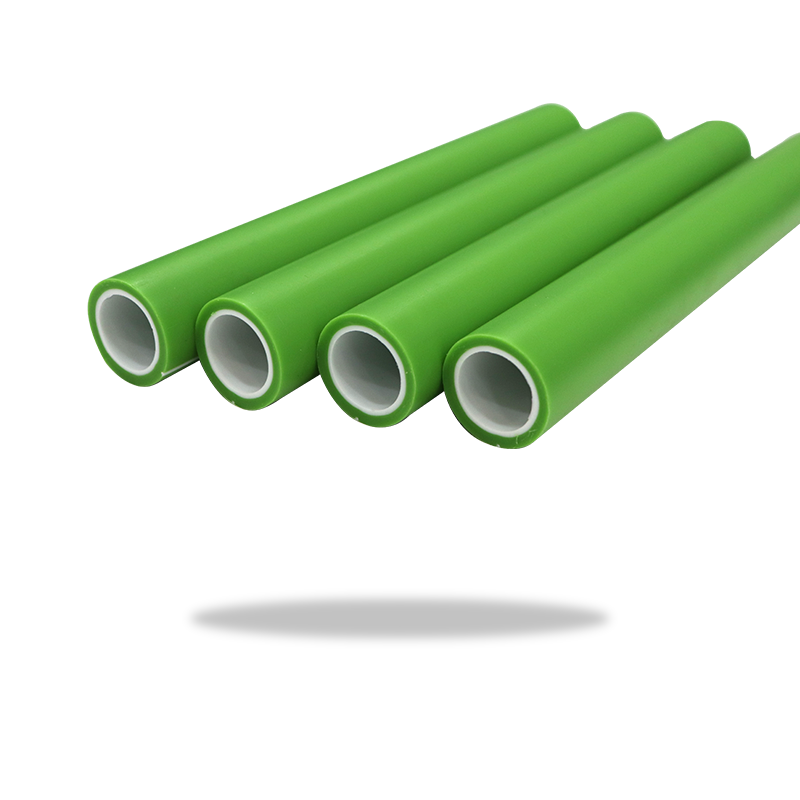
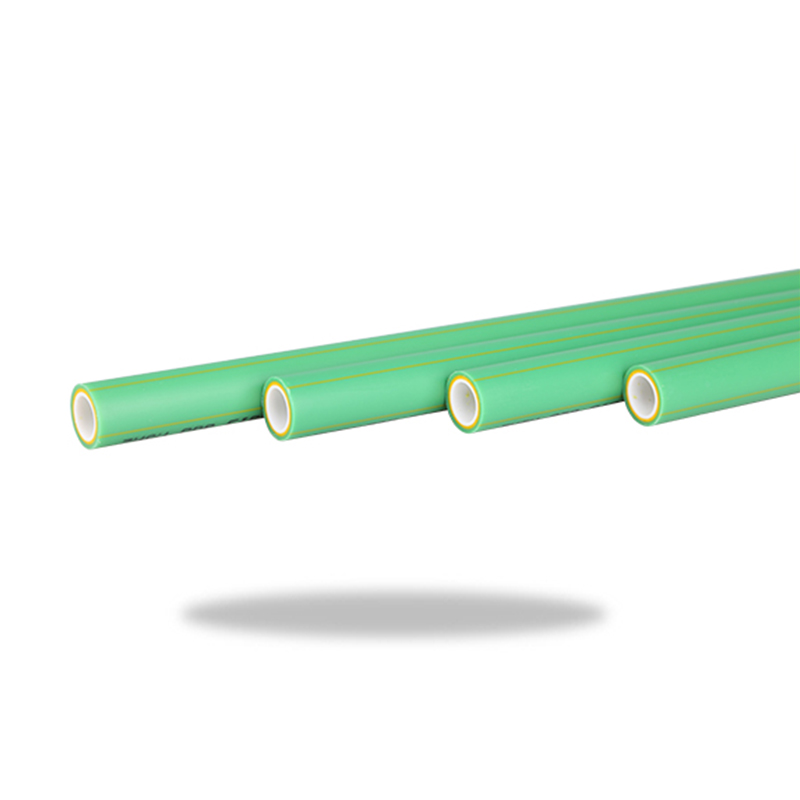
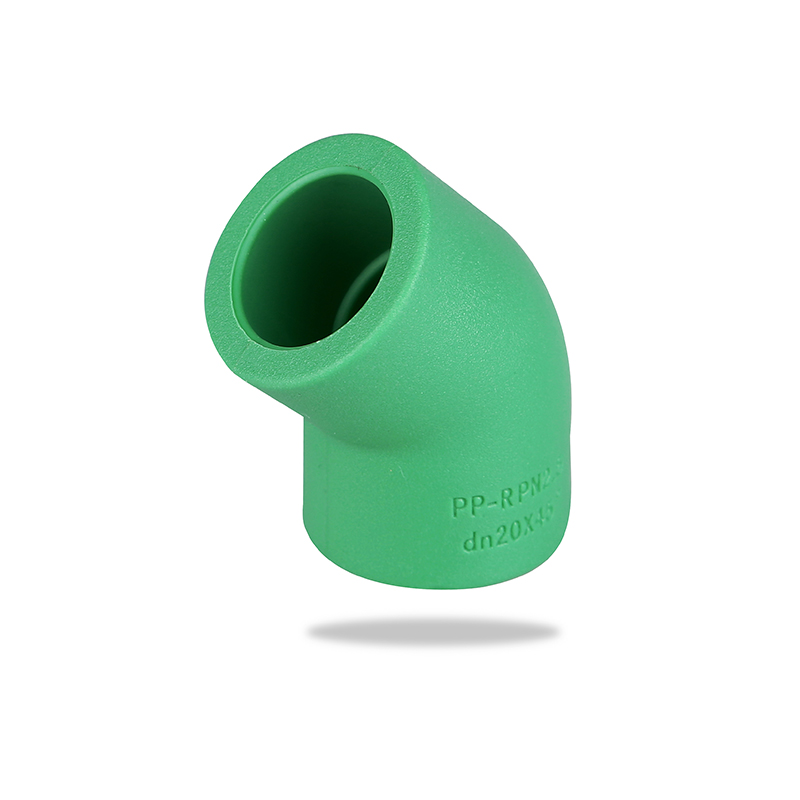
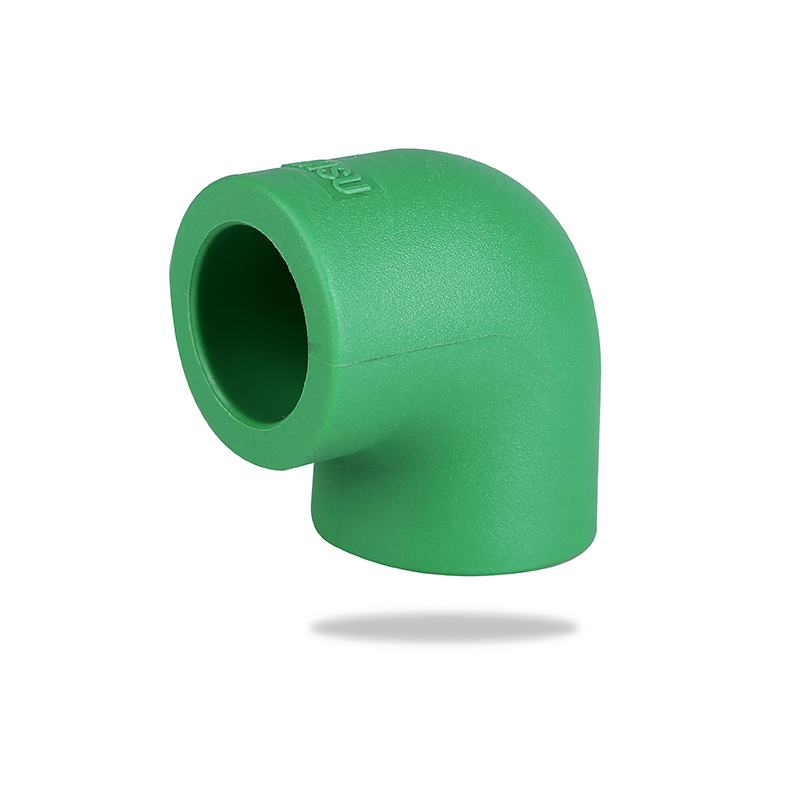
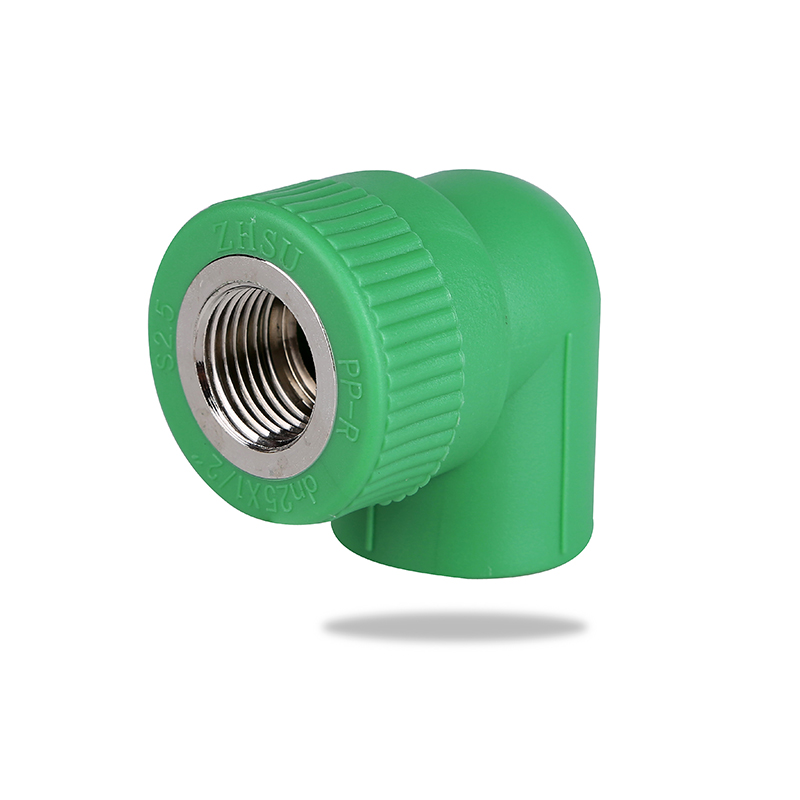
For hot and cold lines inside a building, potable water PPR pipe for hot and cold supply lines is built for both temperature ranges, and heat-fused joints remove the need for solvent cement. Where microbial growth is the main worry, PPR antibacterial pipe with a silver-ion inner layer adds a dedicated inner layer for that purpose, according to the manufacturer.
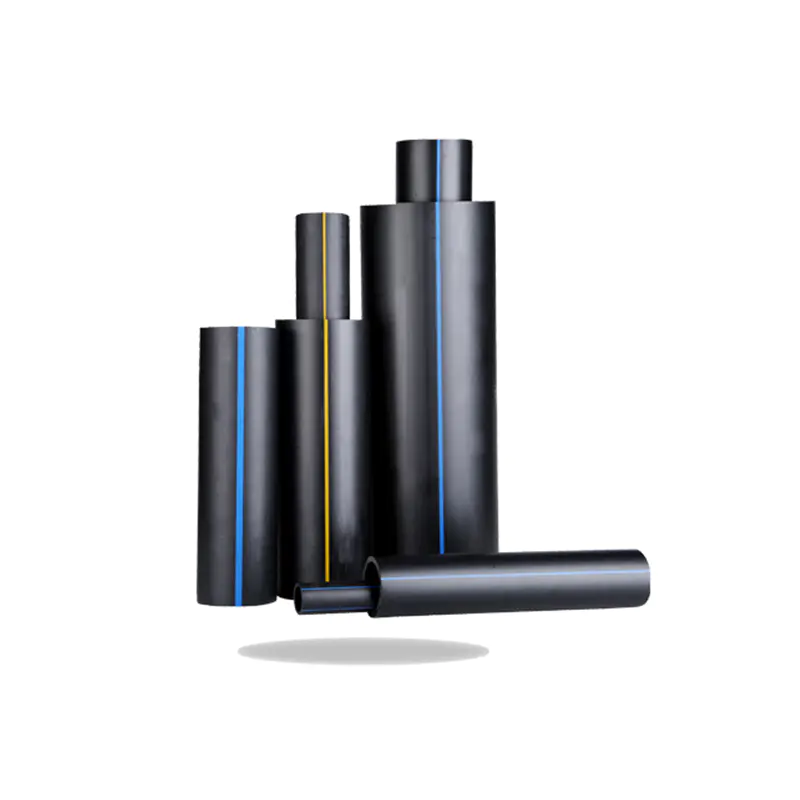
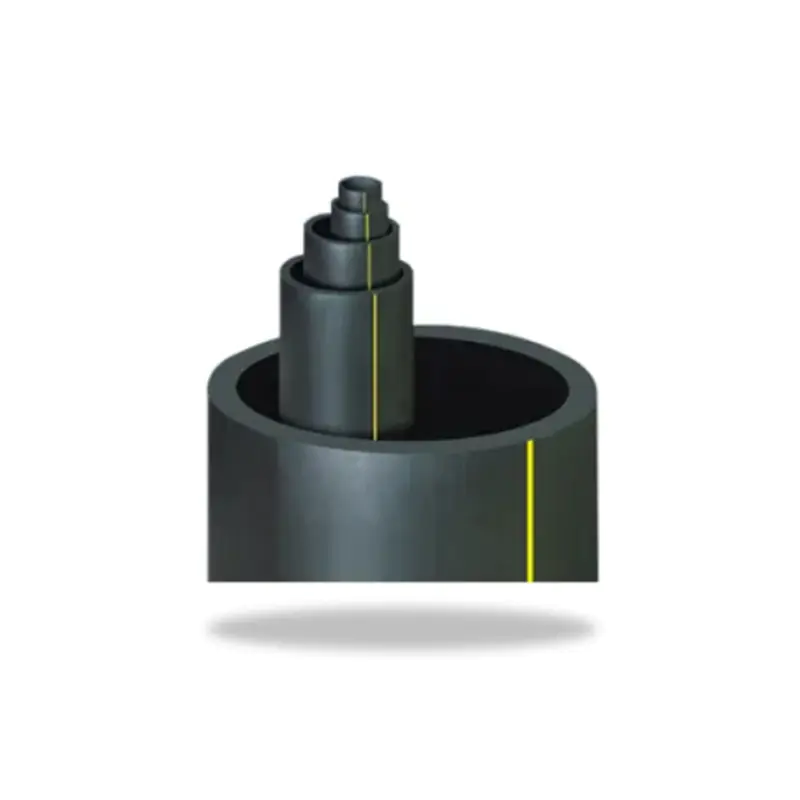
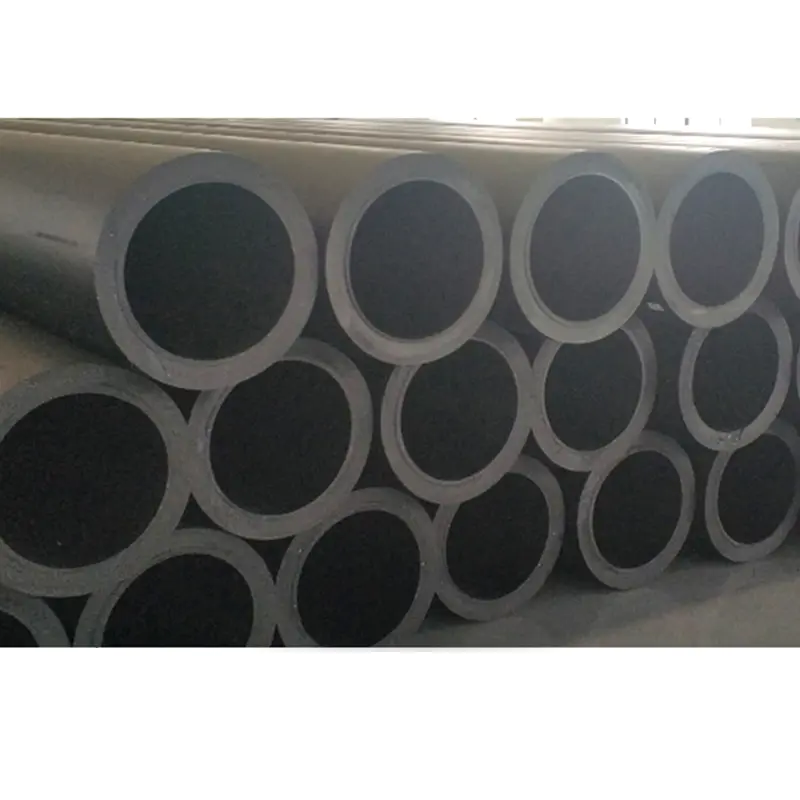
For long runs and buried mains, HDPE pipe for water in buried supply lines offers flexibility on uneven ground. A side-by-side look at HDPE, PVC and steel pipe strength and durability sets out how the three behave under impact, UV exposure and chemical contact.
The right choice depends on water temperature, burial conditions, local code and budget. Whichever material you pick, the same discipline applies: confirm the certification on the product itself.
Quick Answers to Common Questions
Can PVC pipe be used for hot water?
Standard PVC cannot. Hot lines call for CPVC or another material rated for the temperature.
Does certified PVC pipe contain phthalates?
Industry sources state that rigid PVC pipe made for drinking water does not. Flexible PVC does contain plasticizers and should stay out of supply lines.
Is new PVC pipe safe to drink from right away?
Certified pipe is designed for drinking water contact, but flushing new lines first is sensible. A mild odor that fades within days is common.
Is PVC pipe a safe replacement for old lead lines?
That question is contested. Utilities often choose certified plastic for cost and durability, while some environmental groups prefer metal alternatives. Your local water utility can explain which materials it approves.
 Email:
 Telephone:+86-21-57461561
 Phone:+86-18721379989


