


 简体中文
简体中文 English
 русский
 Español
 Français
 عربى
عربى Português
 日本語
日本語 italiano
 Nederlands
 Polskie
Content
- 1 Understanding Underfloor Heating System Requirements
- 2 What Is a High-Temperature Resistant PPR Pipe?
- 3 Temperature and Pressure Conditions in Underfloor Heating
- 4 Compatibility of PPR Pipes with Underfloor Heating
- 5 Advantages of Using High-Temperature PPR Pipes
- 6 Limitations and Potential Risks
- 7 Comparison with Common Underfloor Heating Pipe Materials
- 8 Best Practices for Using PPR in Underfloor Heating
- 9 Standards and Long-Term Performance
- 10 Conclusion: Are They a Practical Choice?
Understanding Underfloor Heating System Requirements
Underfloor heating systems rely on a network of pipes embedded beneath the floor surface to circulate warm water and evenly distribute heat throughout a space. These systems operate continuously for long periods, often under moderate pressure and stable temperatures. Because the pipes are concealed once installed, durability, thermal resistance, and long-term reliability are critical considerations when selecting piping materials.
Unlike radiator systems that may experience frequent temperature fluctuations, underfloor heating typically works at lower but sustained temperatures. This unique operating profile means that the pipe material must resist thermal aging, deformation, and internal stress over decades of use.
What Is a High-Temperature Resistant PPR Pipe?
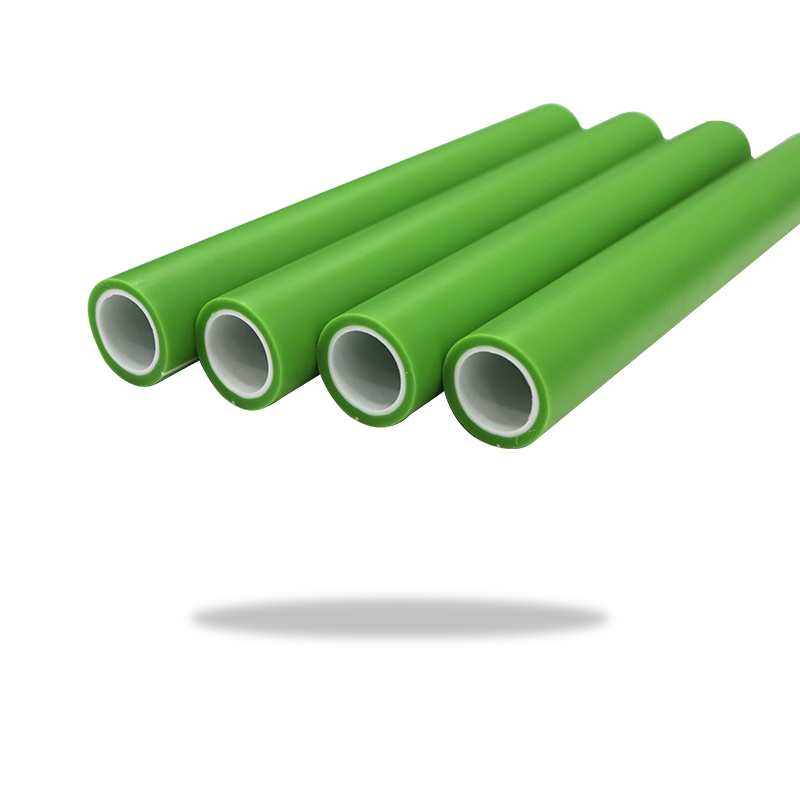
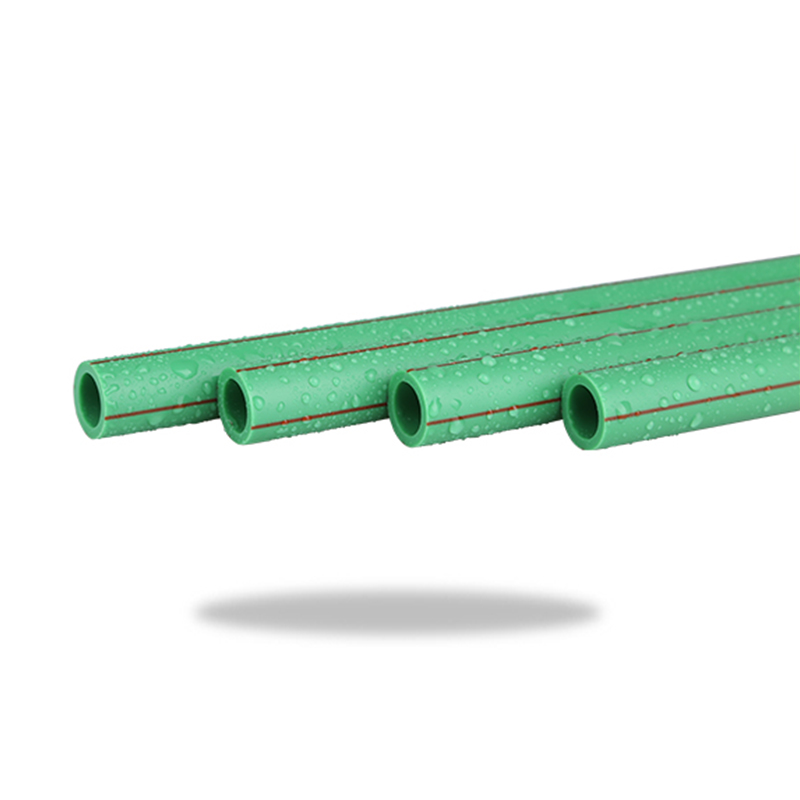
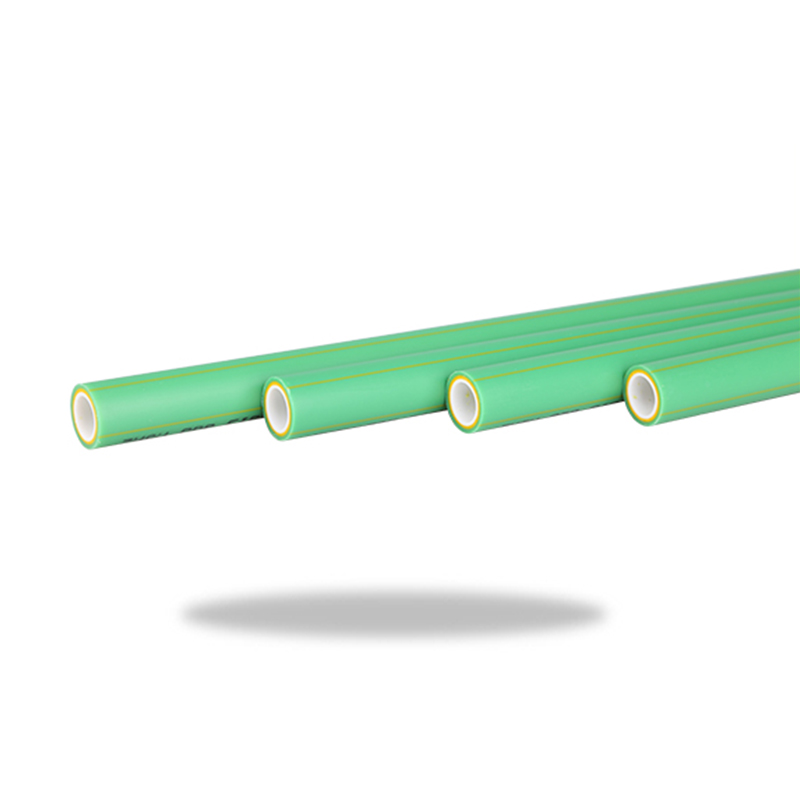
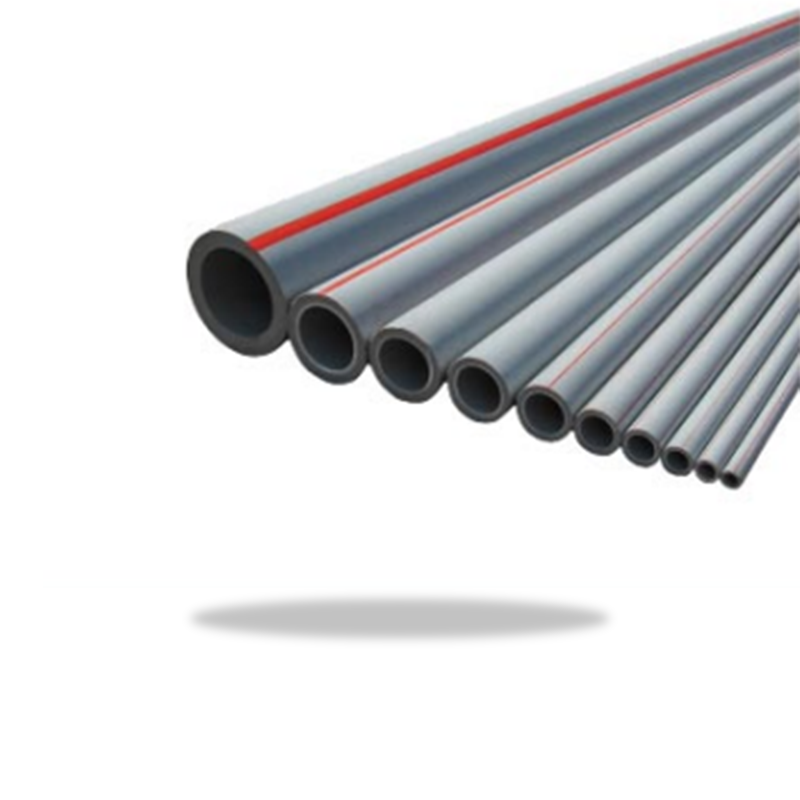
High-temperature resistant PPR pipes are made from polypropylene random copolymer that has been optimized to withstand elevated temperatures over long periods. Compared with standard PPR pipes, these variants are formulated to improve thermal stability, reduce creep under heat, and maintain mechanical strength when exposed to hot water.
Most high-temperature resistant PPR pipes are rated for continuous operation at around 70°C, with short-term tolerance up to 95°C. This performance range places them within the typical operating conditions of many residential and commercial heating systems, including underfloor heating.
Temperature and Pressure Conditions in Underfloor Heating
Underfloor heating systems usually operate with water temperatures between 35°C and 55°C. These lower temperatures are sufficient to heat rooms efficiently due to the large radiant surface area of the floor. Pressure levels are also relatively stable, generally ranging from 2 to 6 bar depending on system design.
From a purely thermal perspective, these conditions fall well within the safe operating range of high-temperature resistant PPR pipes. However, temperature alone does not determine suitability; long-term stress, installation quality, and system control also play important roles.
Compatibility of PPR Pipes with Underfloor Heating
High-temperature resistant PPR pipes can technically be used in underfloor heating systems, provided they meet relevant standards and are properly installed. Their ability to handle hot water, combined with corrosion resistance and smooth inner walls, makes them attractive for heating applications.
However, PPR pipes are rigid compared with flexible piping materials. This rigidity affects how they respond to thermal expansion and floor movement, which must be carefully managed during design and installation to avoid stress buildup.
Thermal Expansion Considerations
All plastic pipes expand when heated, and PPR is no exception. In underfloor heating, repeated heating and cooling cycles can cause linear expansion and contraction. Without adequate expansion joints or flexible connections, this movement may lead to noise, deformation, or long-term fatigue.
Advantages of Using High-Temperature PPR Pipes
When applied correctly, high-temperature resistant PPR pipes offer several advantages in underfloor heating systems. Their material properties and manufacturing consistency contribute to reliable performance over extended service life.
- Excellent resistance to scaling and corrosion
- Smooth inner surface that minimizes flow resistance
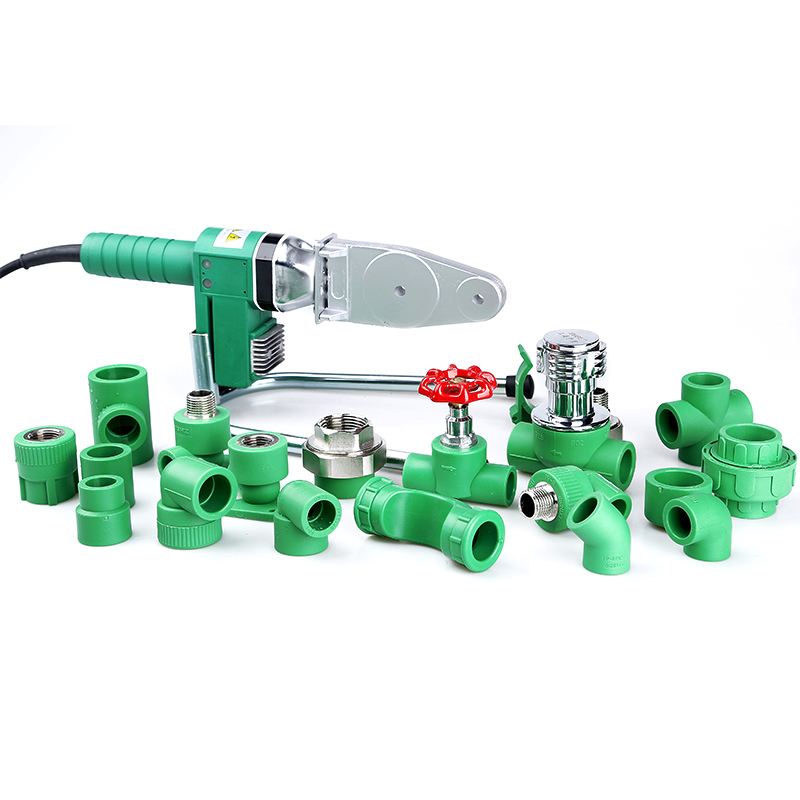
- Strong weld integrity when heat-fused correctly
- Long service life under stable temperature conditions
Limitations and Potential Risks
Despite their strengths, high-temperature resistant PPR pipes are not universally ideal for all underfloor heating designs. Their rigidity can complicate installation in large floor areas that require tight bending radii or continuous loops.
Another concern is repairability. Because underfloor heating pipes are embedded in concrete or screed, any failure requires floor demolition. This increases the importance of selecting pipes with proven long-term thermal and mechanical stability.
Comparison with Common Underfloor Heating Pipe Materials
To better understand where high-temperature resistant PPR pipes stand, it is useful to compare them with materials traditionally used in underfloor heating systems, such as PEX and multilayer composite pipes.
| Material | Flexibility | Heat Resistance | Typical Use |
| High-temp PPR | Low | High | Heating mains, manifolds |
| PEX | High | High | Floor heating loops |
| Multilayer Pipe | Medium | Very High | Premium heating systems |
Best Practices for Using PPR in Underfloor Heating
If high-temperature resistant PPR pipes are chosen for an underfloor heating project, careful planning and execution are essential. Their use is generally more suitable for distribution lines, risers, or connections to manifolds rather than long embedded loops.
- Limit PPR use to straight runs or accessible areas
- Allow for thermal expansion with proper spacing and supports
- Use certified pipes rated for heating applications
Standards and Long-Term Performance
High-temperature resistant PPR pipes used in heating systems should comply with relevant international or regional standards. These standards define pressure classes, temperature ratings, and expected service life under specific operating conditions.
When operated within rated limits, PPR pipes can achieve service lives of 30 to 50 years. For underfloor heating, maintaining stable temperatures and avoiding thermal shocks significantly improves long-term reliability.
Conclusion: Are They a Practical Choice?
High-temperature resistant PPR pipes can be used in underfloor heating systems, but their application should be carefully considered. While they easily meet temperature and pressure requirements, their rigidity and expansion characteristics make them better suited for supply lines rather than fully embedded heating loops.
For projects prioritizing flexibility and ease of installation, alternative piping materials may be more practical. However, when used in the right locations and installed according to best practices, high-temperature resistant PPR pipes can play a reliable role in underfloor heating systems.

 Email:
 Telephone:+86-21-57461561
 Phone:+86-18721379989


