


 简体中文
简体中文 English
 русский
 Español
 Français
 عربى
عربى Português
 日本語
日本語 italiano
 Nederlands
 Polskie
A Market in Motion: Composite Pipe Growth in 2026 and Beyond
Global infrastructure is ageing faster than it is being replaced. Buried steel and concrete pipelines that were installed decades ago are corroding, leaking, and failing at accelerating rates — and the cost of that failure is measured not just in maintenance budgets but in water loss, contamination events, and energy system disruptions. Composite pipes have emerged as the structural answer to that challenge, offering corrosion immunity, weight advantages, and service lives stretching from 50 to 100 years that conventional materials cannot match.
The numbers reflect that momentum. The global composite pipe market was valued at approximately USD 14–15 billion in 2025 and is projected to expand at a compound annual growth rate of around 5% through 2036, reaching an estimated USD 23 billion by the end of the forecast period. Across multiple independent research estimates, the growth trajectory is consistent: demand is structural, broad-based, and accelerating as more sectors recognise the long-term economic and performance case for composite solutions.
Three forces are converging to sustain that trajectory. First, the physical degradation of existing steel and concrete pipeline networks in mature economies is creating urgent replacement demand. Second, rapid urbanisation in emerging markets — particularly across Asia-Pacific, the Middle East, and Latin America — is driving new build requirements at a scale that traditional materials struggle to serve cost-effectively. Third, tightening environmental regulations are pushing project developers toward materials with lower lifecycle carbon profiles and zero corrosion risk. Composite pipes sit precisely at the intersection of all three pressures.
Content
Material Segmentation: Which Composite Pipe Types Are Leading
The composite pipe category is not a single material — it is a family of pipe constructions united by the principle of combining two or more materials to achieve performance that neither component could deliver alone. Within that family, three segments currently define the competitive landscape.
Glass Fibre Reinforced Plastic (GFRP)
GFRP, also referred to as fibreglass or GRP pipe, holds the largest market share and has done so consistently across industrial, municipal, and offshore applications. Its combination of high strength, low weight, and exceptional chemical resistance makes it the default specification for aggressive-environment pipelines — chemical processing plants, desalination systems, sewage infrastructure, and offshore oil platforms. GFRP pipe is typically produced by filament winding, a process that allows fibre orientation to be tailored to the specific pressure and bending load profile of each application.
Thermoplastic Composite Pipes (TCP)
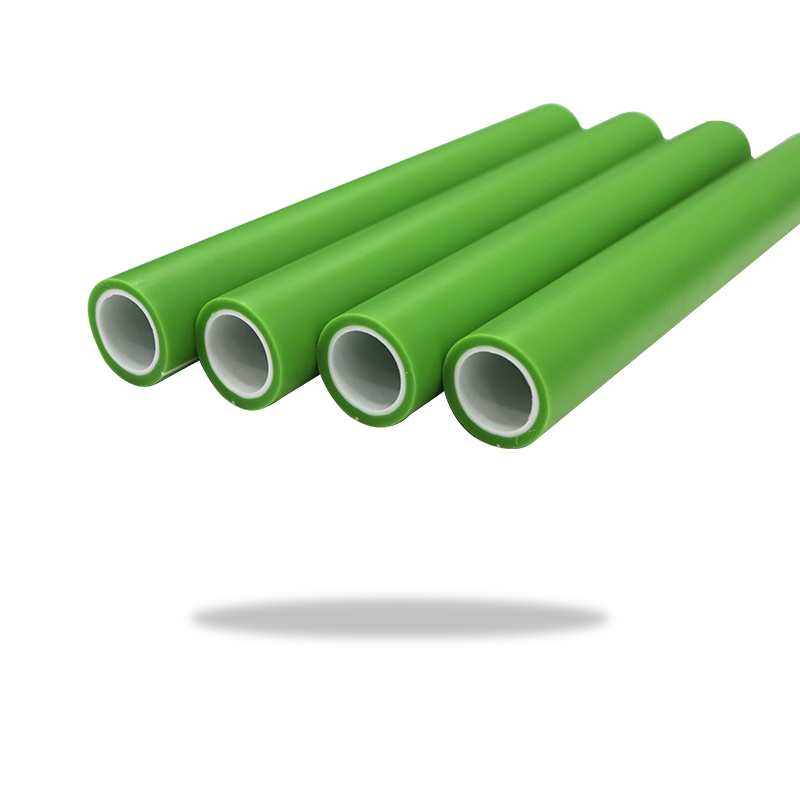
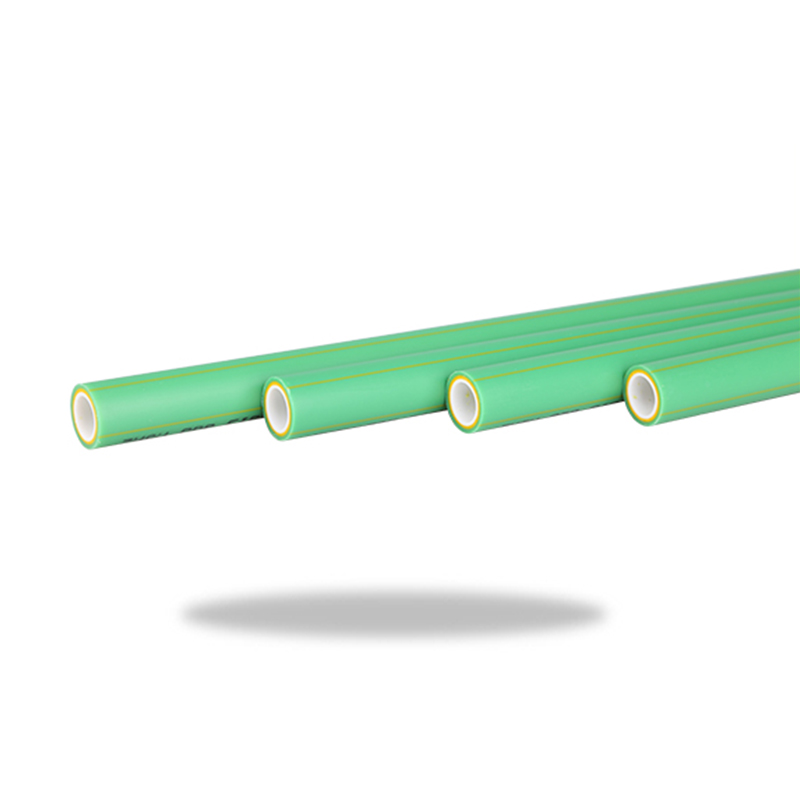
Thermoplastic composite pipes represent the fastest-growing segment within the market, and the reasons are practical: they combine the installation flexibility of thermoplastic materials with reinforced structural performance, and they can be produced in continuous lengths that reduce the number of joints — and therefore the number of potential failure points — in a system. Within TCP, the polyethylene-based variants dominate volume due to HDPE's established track record in water and gas distribution. But PPR-based fibre composites are gaining ground rapidly in building and construction applications, where thermal stability and dimensional stability under hot water service conditions are critical. PPR fiber composite pipes combining thermal stability and dimensional strength represent exactly this convergence — a three-layer structure where a fibre reinforcement layer between two PPR shells delivers the performance of enhanced pressure resistance with the health and installation benefits of polypropylene.
Metal Composite Pipes
Metal composite pipes — typically an aluminium core bonded between inner and outer thermoplastic layers — occupy a distinct position in the market, primarily serving building services applications where dimensional stability, pressure resistance, and compatibility with both push-fit and compression fittings are required. Their market share is smaller than GFRP or TCP, but they hold a durable position in residential and light commercial plumbing.
| Material Type | Market Position | Primary Applications | Key Advantage |
|---|---|---|---|
| GFRP / GRP | Largest share | Industrial, offshore, municipal sewage | Chemical resistance, high strength |
| Thermoplastic Composite (TCP) | Fastest growing | Water supply, gas, building services | Flexible, continuous length, joint-free runs |
| PPR Fibre Composite | Rising in construction | Hot/cold water supply, heating systems | Thermal stability, low thermal expansion |
| Metal Composite (Al-PE) | Stable niche | Residential plumbing, HVAC | Dimensional stability, multi-fitting compatible |
| Carbon Fibre Reinforced (CFRP) | Premium/specialist | Aerospace, high-pressure industrial | Extreme strength-to-weight ratio |
The Four Demand Engines Driving the Market
Market growth in composite piping is not driven by a single application wave — it is distributed across four distinct sectors, each with its own growth logic and investment timeline.
Oil and Gas
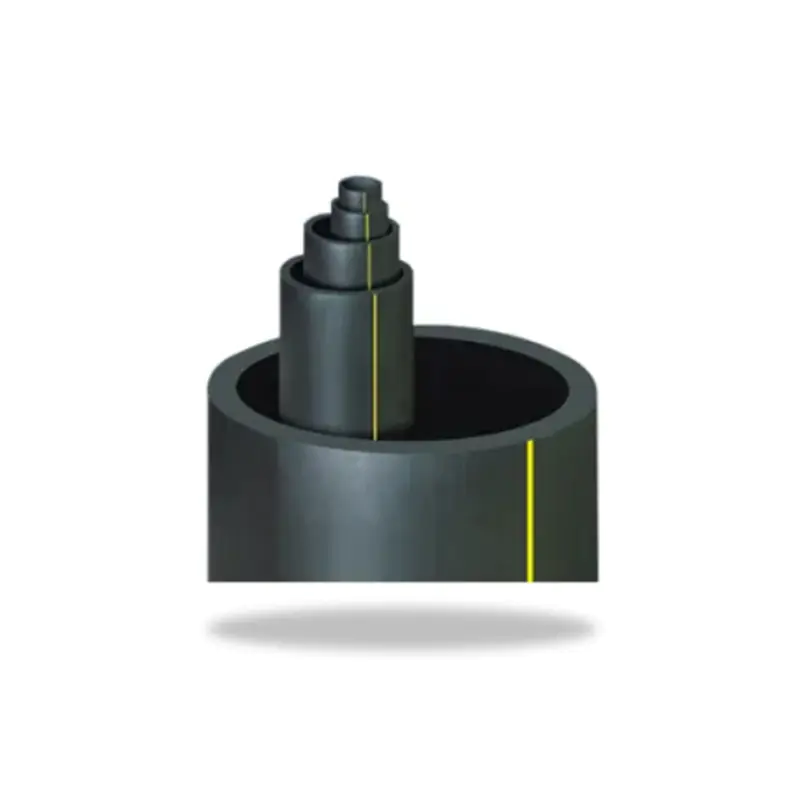
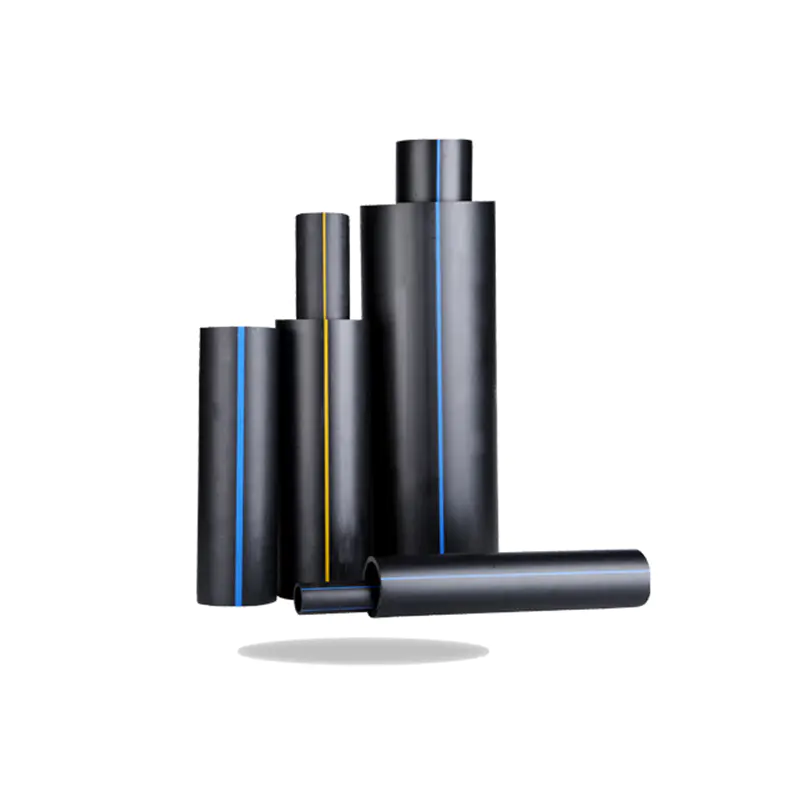
The oil and gas sector remains the single largest end-use segment for composite pipe globally, accounting for approximately 35–40% of total market revenue. The driver is straightforward: deepwater and subsea environments create corrosion conditions that steel pipelines cannot reliably survive without cathodic protection systems that are expensive to install and maintain. Composite pipes eliminate that requirement entirely. Their non-conductive structure makes cathodic protection unnecessary, and their resistance to hydrogen sulphide (H₂S), carbon dioxide (CO₂), and saltwater means they outperform steel in the environments where pipeline failure has the highest consequences. HDPE pipes engineered for natural gas distribution serve the onshore and midstream segments of this demand, where polyethylene's combination of pressure resistance and chemical inertness has made it the standard material for gas network infrastructure.
Water and Wastewater
Municipal water infrastructure represents the second-largest demand segment and, arguably, the one with the longest runway for growth. According to market analysis citing World Bank data, global infrastructure investment requirements reach approximately USD 2.5 trillion annually through 2030, with water and energy sectors representing the dominant demand vectors for composite piping solutions. Major cities including Singapore, Dubai, and São Paulo have already committed to large-scale composite pipe installations for critical water distribution networks. The scale of these programmes is expected to intensify as water scarcity and quality regulations drive public utilities away from ageing metal networks. HDPE pipe systems for municipal water supply and drainage are at the centre of this infrastructure renewal cycle.
Construction and Building Services
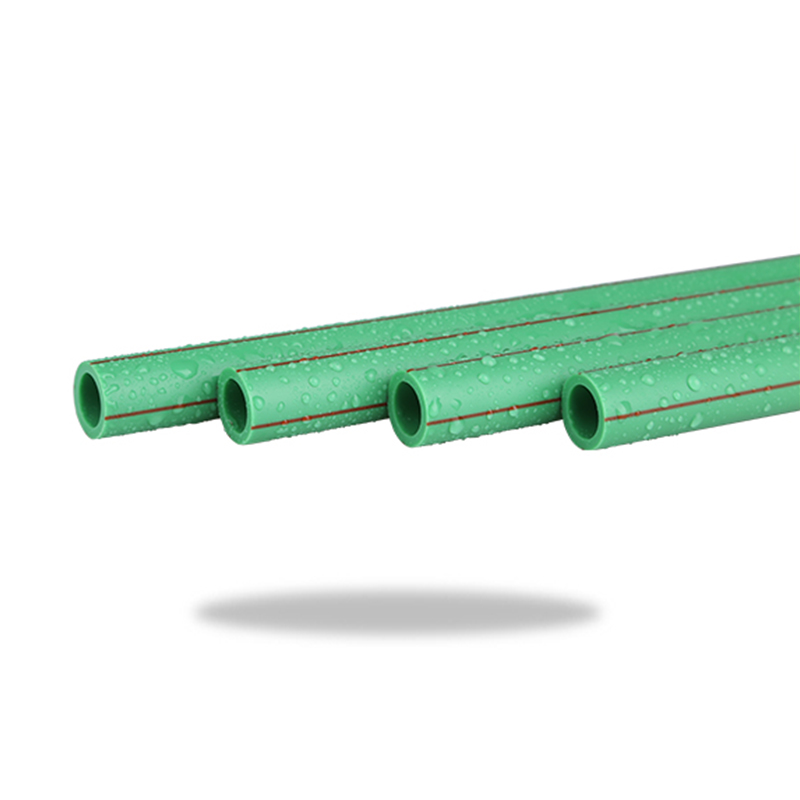
The construction sector's demand for composite pipe is quieter than oil and gas but structurally durable. High-rise residential and commercial buildings increasingly specify fibre-reinforced PPR and HDPE systems for hot and cold water supply, underfloor heating distribution, and concealed in-wall plumbing — applications where corrosion immunity, smooth internal bore (which inhibits bacterial growth and scale accumulation), and long-term pressure retention under temperature cycling are non-negotiable. PPR pipes for residential and commercial building systems address this demand across the full range of building scales, from single-family homes to large-scale urban development projects.
Renewables and Industrial Processing
Two emerging sectors are opening new demand corridors that were not significant factors in previous market cycles. In renewable energy, composite pipes are specified for cooling water circuits in large-scale solar thermal plants, for hydrogen transportation infrastructure, and for offshore wind platform systems where corrosion resistance and weight reduction directly affect installation economics. In chemical processing, the global expansion of production capacity — particularly in Asia and the Middle East — is generating demand for piping systems capable of handling highly aggressive process fluids at elevated temperatures and pressures, where GFRP and carbon fibre reinforced systems outperform any metallic alternative.
Regional Dynamics: Asia-Pacific Leads, Middle East Accelerates
The geographic distribution of composite pipe demand has shifted markedly over the past decade, and the trajectory of that shift is expected to continue through the forecast period.
Asia-Pacific is now the largest and fastest-growing regional market, with an estimated CAGR of 6.2% through 2031 — above the global average. China, India, and Southeast Asia are the primary growth engines, driven by the combination of massive ongoing urbanisation, national infrastructure programmes targeting rural water network coverage, and a domestic manufacturing base that is rapidly scaling production of composite pipe systems. India's National Infrastructure Pipeline and China's continued investment in municipal water and gas distribution have created sustained multi-year order volumes for both local and international composite pipe suppliers.
The Middle East and Africa represent a structurally important growth cluster. The Middle East's position as a major oil and gas producer creates persistent baseline demand for high-performance pipeline systems, while national desalination programmes — some of the world's largest — generate significant demand for corrosion-resistant water conveyance infrastructure. In Africa, the expansion of rural water access programmes and industrial mining operations is creating new demand corridors for HDPE and GFRP systems.
North America and Europe are mature markets where growth is primarily driven by replacement — the accelerating need to renew ageing steel and concrete infrastructure that was installed in the mid-twentieth century. While volume growth rates are lower than in Asia-Pacific, the replacement cycle in these regions involves large-diameter, high-specification systems where value per unit is substantially higher. Regulatory pressure to eliminate lead and corroded iron from water distribution networks is intensifying that replacement urgency.
The True Cost of Composite Pipes: Beyond the Purchase Price
The most persistent challenge in composite pipe market development is not technical — it is perceptual. Initial material costs for composite systems typically run 15–20% above equivalent steel alternatives, and for projects managed against short-term capital budgets, that premium creates friction in the specification process. The procurement decision looks unfavourable on a purchase-price-only basis. The picture reverses entirely when the comparison is conducted across the full lifecycle.
Composite pipes do not corrode. That single property eliminates the requirement for cathodic protection systems — a significant capital and operational cost in metallic pipeline installations — and removes the recurring maintenance expenditure associated with coating inspection, anode replacement, and corrosion monitoring. Over a 30-year operating period, these avoided costs can exceed the initial material premium by a substantial margin.
Service life is the second major factor. While steel pipes in corrosive environments may require replacement within 20–30 years, composite pipe systems are rated for 50–100 years of service under normal operating conditions. Spread across that extended service life, the annualised cost of composite piping is consistently lower than steel alternatives — even before factoring in the disruption and civil works cost of earlier replacement cycles.
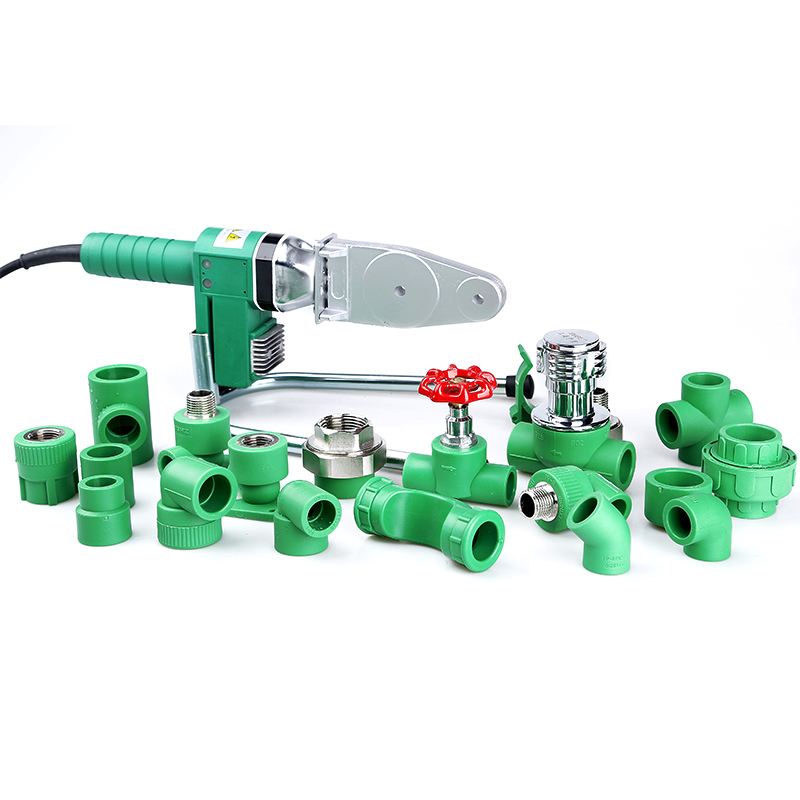
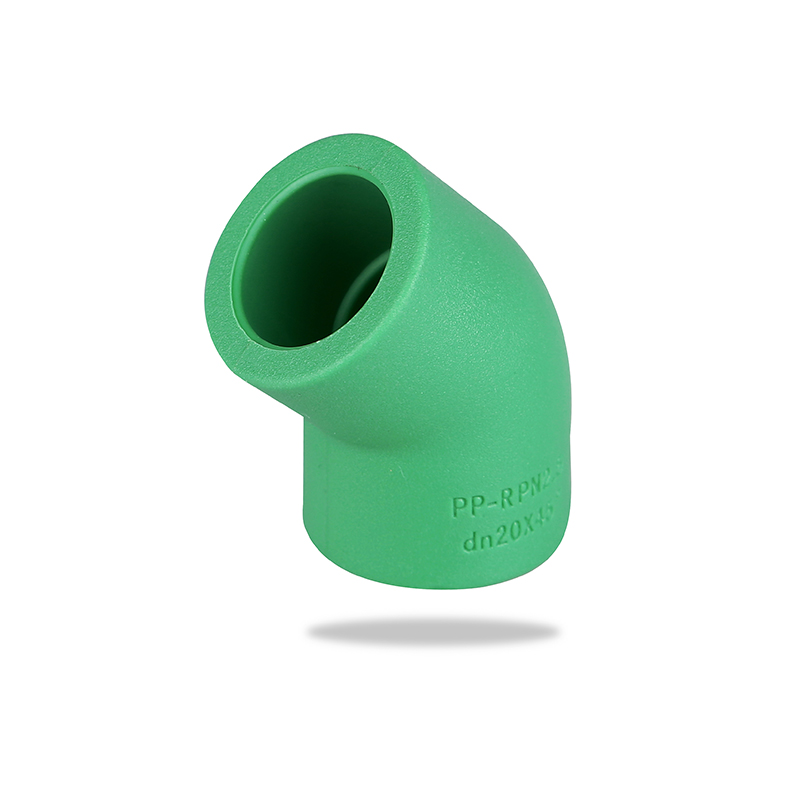
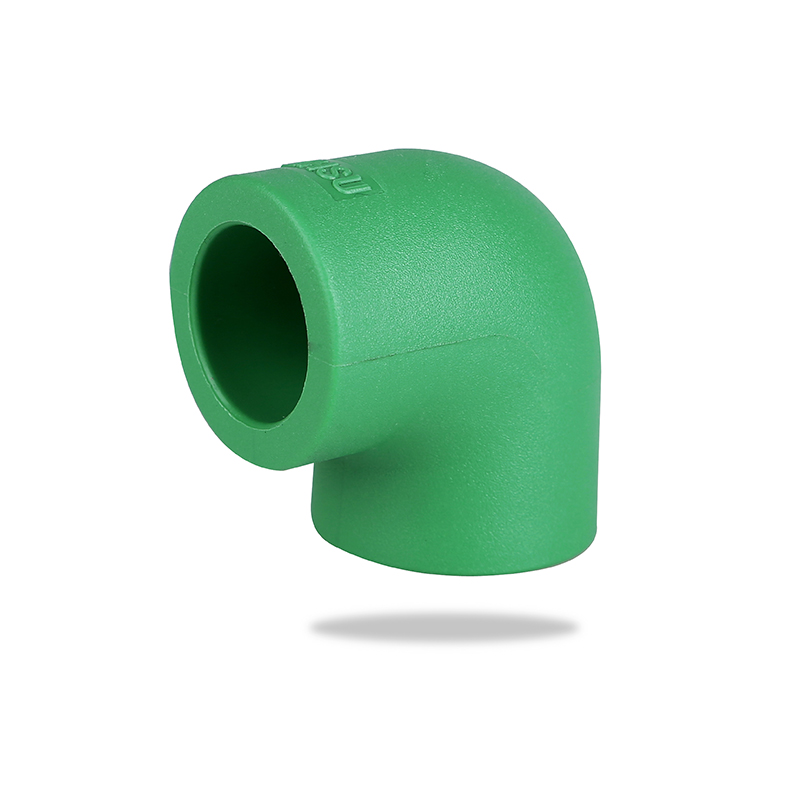
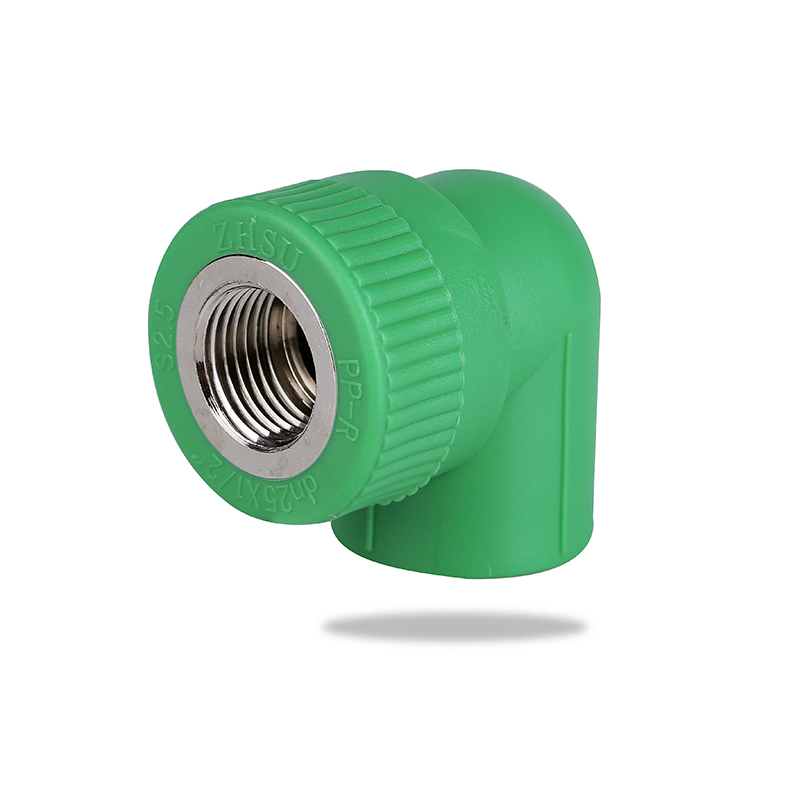
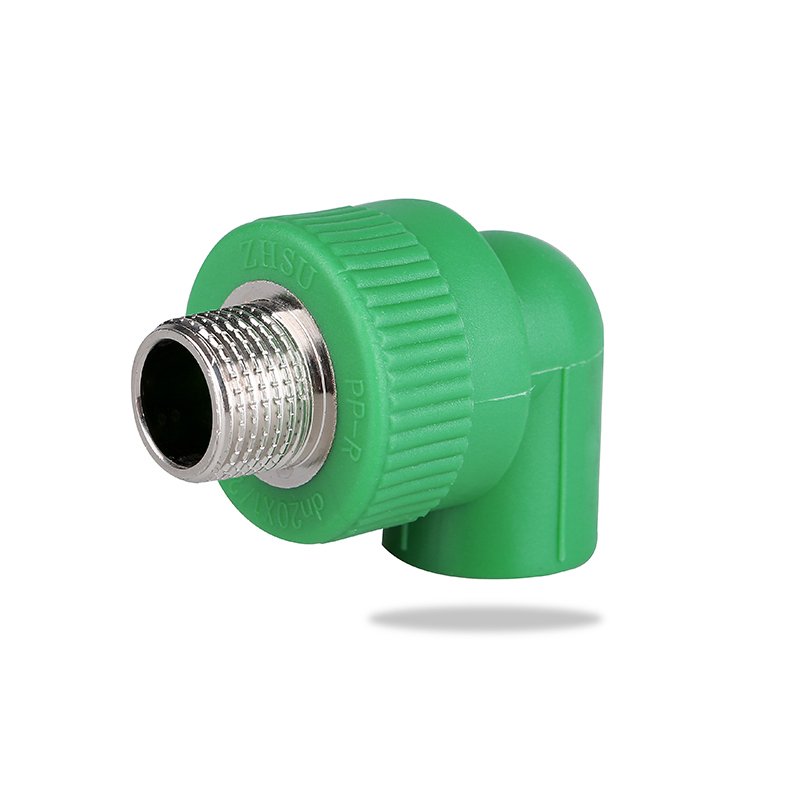
The installation cost advantage adds a further layer. Composite pipes weigh roughly half as much as equivalent steel sections, which reduces crane and lifting equipment requirements, allows larger sections to be handled manually, and cuts installation time on complex sites. For deepwater offshore applications, this weight advantage has a direct structural impact on platform loading and installation vessel requirements. PPR fittings for complete hot and cold water piping installations extend this economic logic to building-scale systems, where heat-fusion jointing eliminates the mechanical fittings that represent ongoing maintenance liabilities in traditional installations.
The total cost of ownership argument for composite pipes is well-established in engineering literature. Closing the gap between that technical reality and purchasing practice — particularly in public sector procurement processes that are structurally biased toward lowest initial cost — remains one of the market's primary growth levers.
Smart Pipes and Sustainability: The Next Competitive Frontier
Two innovation trajectories are beginning to reshape the competitive landscape within the composite pipe market, and both point toward a product category that is materially more sophisticated than today's market standard.
The first is sensor integration. Composite pipe's non-conductive structure, which was once seen as a limitation in some monitoring applications, is now being recognised as an advantage: it allows sensor elements to be embedded within the pipe wall without the electromagnetic interference that affects metallic systems. Distributed fibre optic sensing — capable of detecting pressure variation, temperature gradients, and flow anomalies along the full length of a pipeline — is being piloted in long-distance water and gas transmission systems. Smart composite pipes that continuously report their own condition, flag developing failures before they occur, and provide operational data to network management platforms represent a significant step up from any conventional pipe material. The development pipeline for these systems is active across North America, Europe, and China.
The second frontier is sustainability. Composite pipes already deliver environmental benefits through their long service life — fewer replacement cycles means less material consumption, less civil disruption, and lower embodied carbon over the infrastructure lifetime. But the industry is pushing further. Research into biodegradable composite matrices, recyclable thermoplastic composite systems, and closed-loop manufacturing processes for GRP pipe is advancing, with several European and North American producers already operating commercial take-back programmes for production offcuts and end-of-life pipe sections. As green building certification standards and public procurement environmental requirements tighten globally, these sustainability credentials are moving from differentiation to specification requirement.
The composite pipe market in 2026 is a market with structural tailwinds, proven technology, and a compelling economic case — but also genuine innovation ahead. For manufacturers, specifiers, and infrastructure investors, the opportunity is not just in capturing today's replacement and new build demand, but in positioning for a piping industry that is materially smarter, more sustainable, and better integrated into the digital infrastructure management systems of the decade ahead.


 Email:
 Telephone:+86-21-57461561
 Phone:+86-18721379989


