


 简体中文
简体中文 English
 русский
 Español
 Français
 عربى
عربى Português
 日本語
日本語 italiano
 Nederlands
 Polskie
A cold water supply system that delivers 12 litres per minute at a ground-floor tap can easily fall to 5 or 6 litres per minute at the top of the same building. The pipework has not changed, so the cause lies elsewhere: the pressure available at that outlet, the route the water takes to reach it, and the diameter of the branch serving the fixture. In practice, most cold water problems are decided long before the first pipe is clipped to a wall. Three early choices drive the outcome: the system type, the pipe material and diameter, and the pressure and storage strategy.
Content
What a Cold Water Supply System Actually Includes
The boundary matters. Everything upstream of the incoming stop valve usually belongs to the water utility or the property owner up to the meter, depending on local rules; everything downstream is the building's distribution system. A complete cold water installation normally contains the following elements.
- Service pipe: the buried line from the main to the building, sized for peak demand and protected against frost and ground movement.
- Water meter and main stop valve: the primary isolation point used for repairs, leaks and emergencies.
- Internal distribution pipework: a riser or backbone plus branches running to each fixture.
- Isolation valves: local valves at each wet area so one repair does not shut down an entire building.
- Storage tank and float valve: present only in indirect systems, where mains water fills a tank before distribution.
- Terminal fittings: taps, cisterns, water heaters and any point where cold water is drawn or heated.
- Backflow protection: air gaps, check valves or reduced-pressure zone assemblies wherever a cross-connection risk exists.
Every one of these parts affects performance. A correctly sized backbone with an undersized branch still produces a weak shower, and a well-sized branch behind a partially closed gate valve still delivers poor flow.
Direct and Indirect Systems: The First Decision
If mains pressure is adequate and steady, a direct system is simpler to install, easier to maintain and delivers better pressure at the outlet. If mains pressure is weak, intermittent, or the building is tall, an indirect system with a storage tank buffers the supply, at the cost of lower outlet pressure and an added hygiene routine.
| Aspect | Direct system | Indirect system |
|---|---|---|
| Water source | Mains pressure feeding every cold outlet | Storage tank filled from the mains, then gravity or booster fed |
| Outlet pressure | Matches mains pressure, minus friction losses | Roughly 0.1 bar per metre of head below the tank |
| Storage capacity | None | Typically 100 to 300 litres domestic, larger in commercial buildings |
| Best suited to | Stable mains of 2 bar or more, low-rise buildings | Weak or fluctuating mains, high-rise buildings, backup demand |
| Main risk | Loss of supply during mains interruption | Tank contamination and reduced pressure at upper floors |
The pressure arithmetic is worth doing before choosing. Gravity provides about 0.1 bar per metre of height, so a tank outlet 10 metres above a shower gives roughly 1 bar before friction losses. A 15 mm branch with four elbows can lose a further 0.2 to 0.4 bar. That leaves a workable but unremarkable shower. Push the same tank 5 metres above the shower and the situation changes considerably.
Pipe Materials for Cold Water Duty
Cold water is a gentler duty than hot water, which widens the practical shortlist. The main options are polypropylene random copolymer, high-density polyethylene, copper, cross-linked polyethylene and multilayer composite pipe. The right choice depends on where the pipe runs, how it is jointed, and what the local code accepts for potable contact.
Polypropylene random copolymer
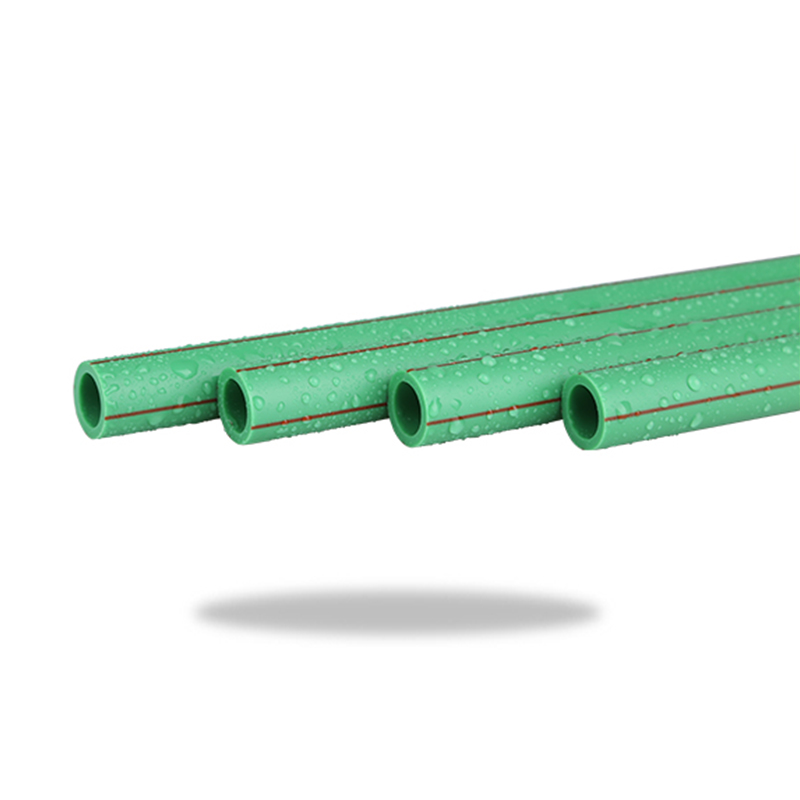
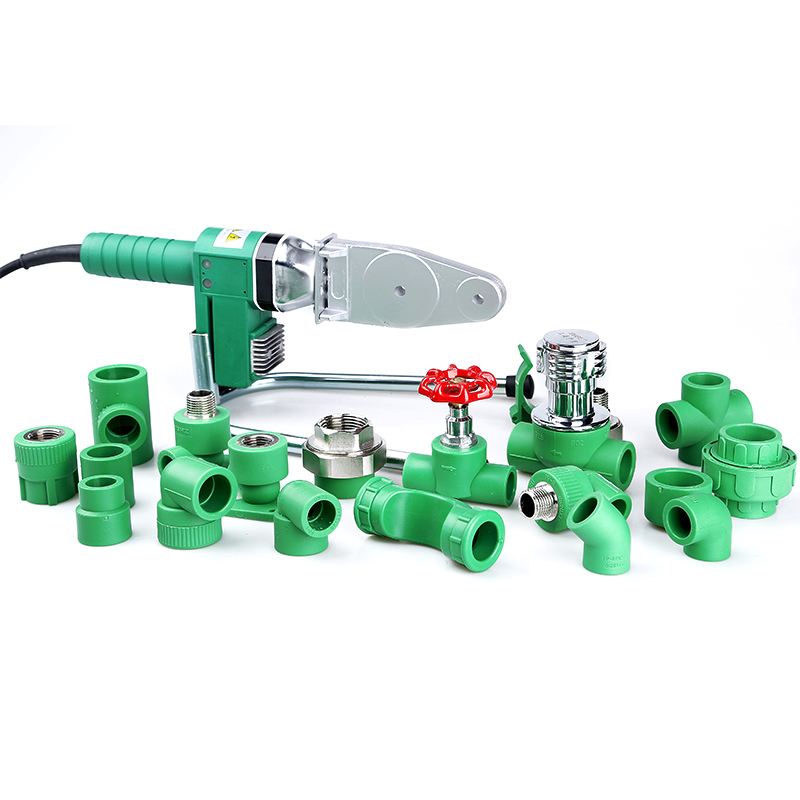
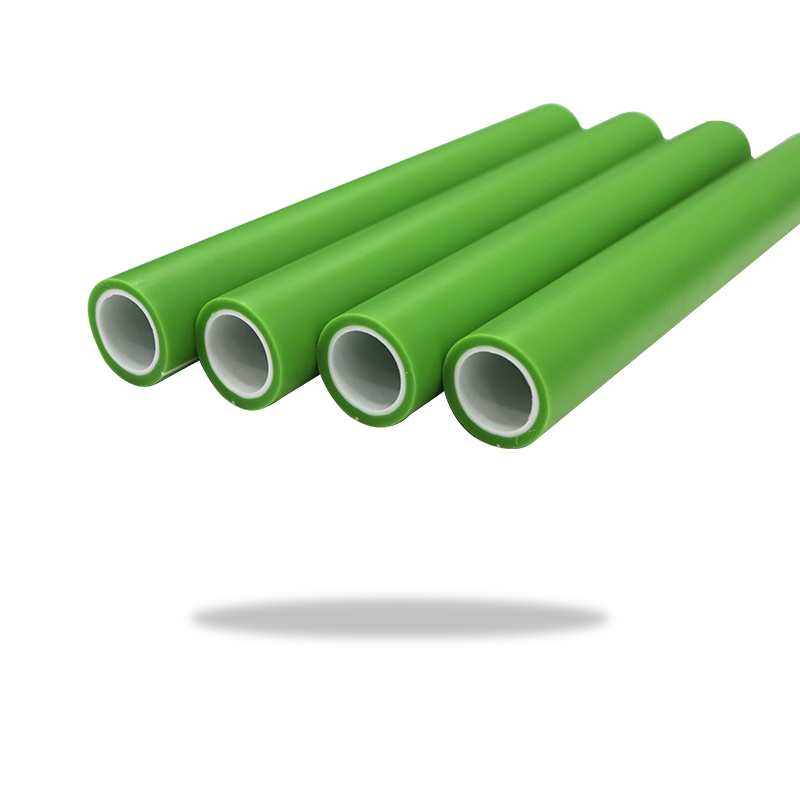
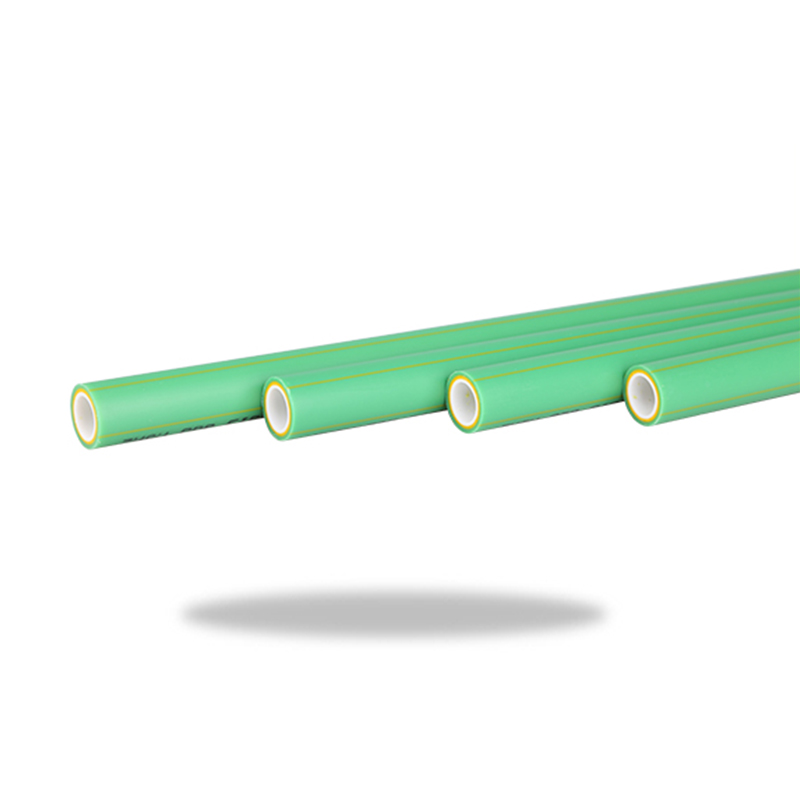
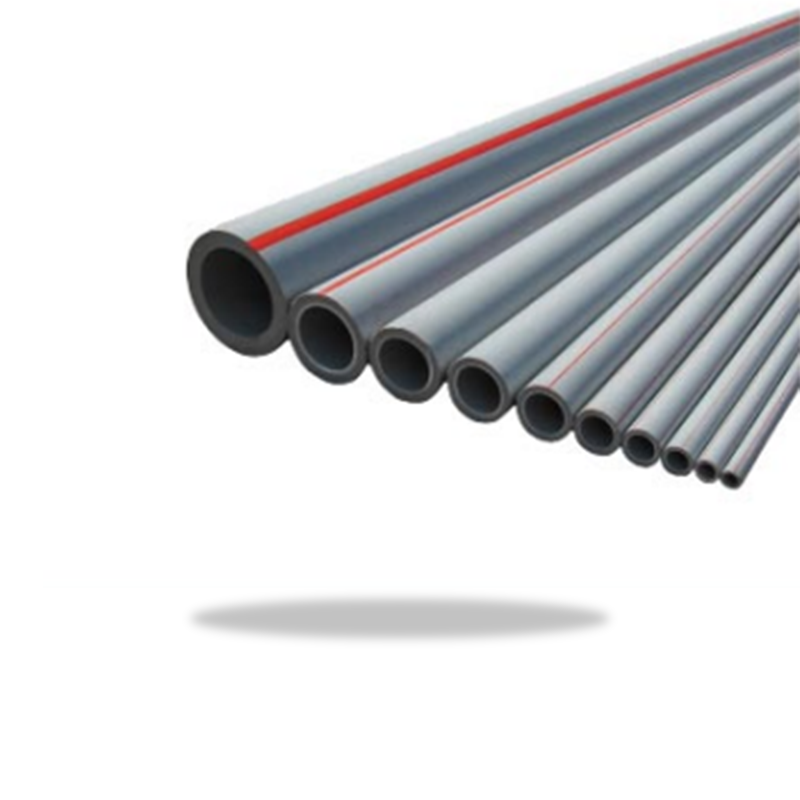
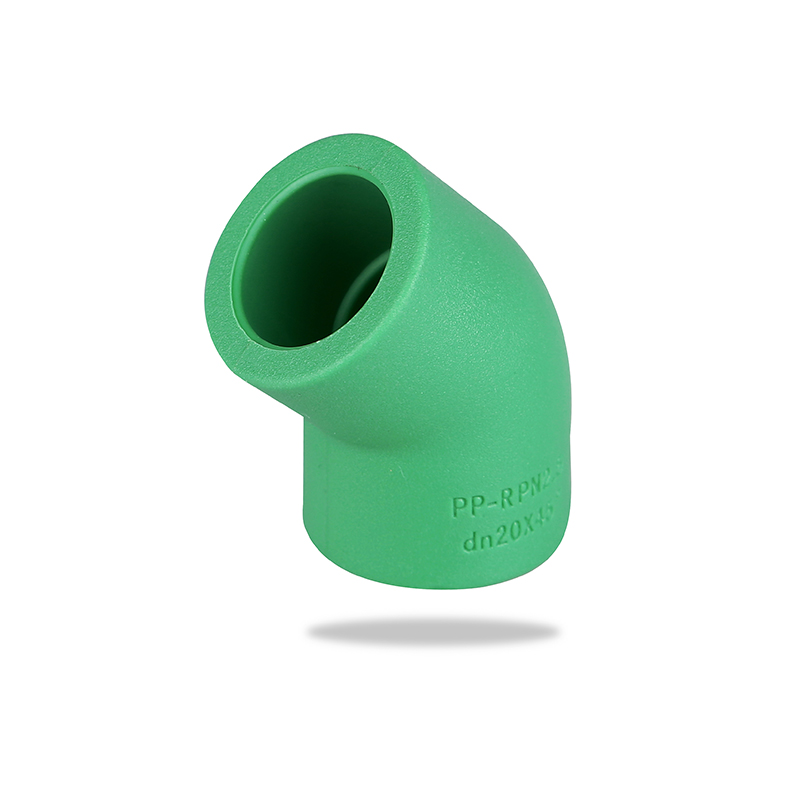
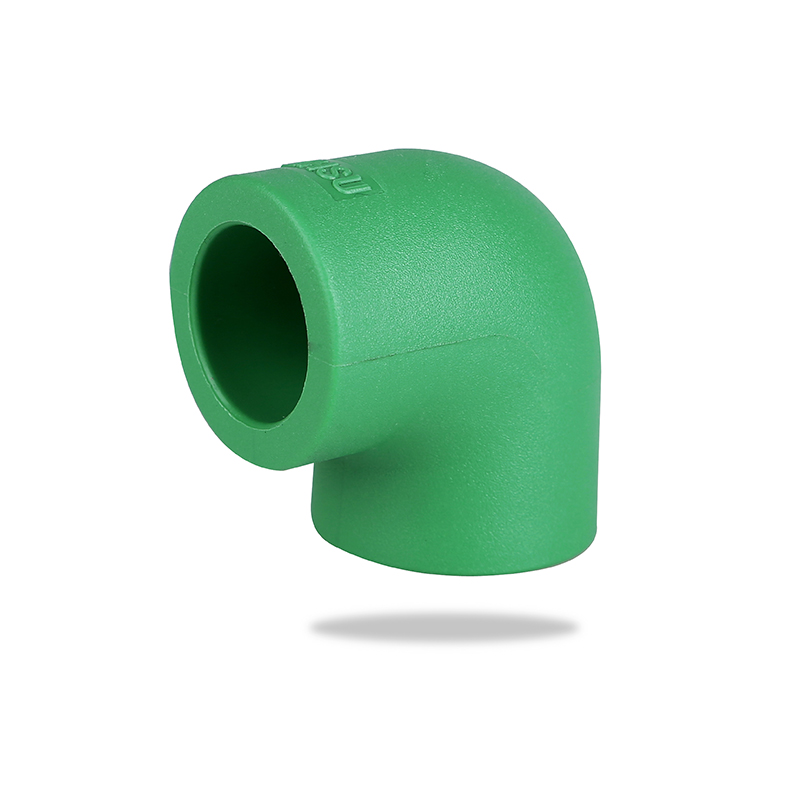
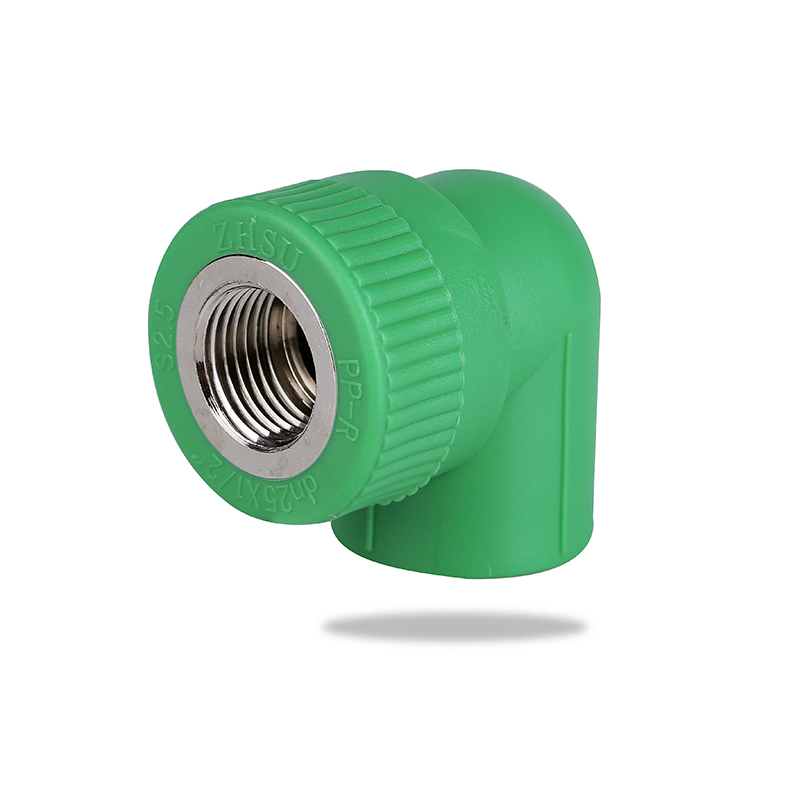
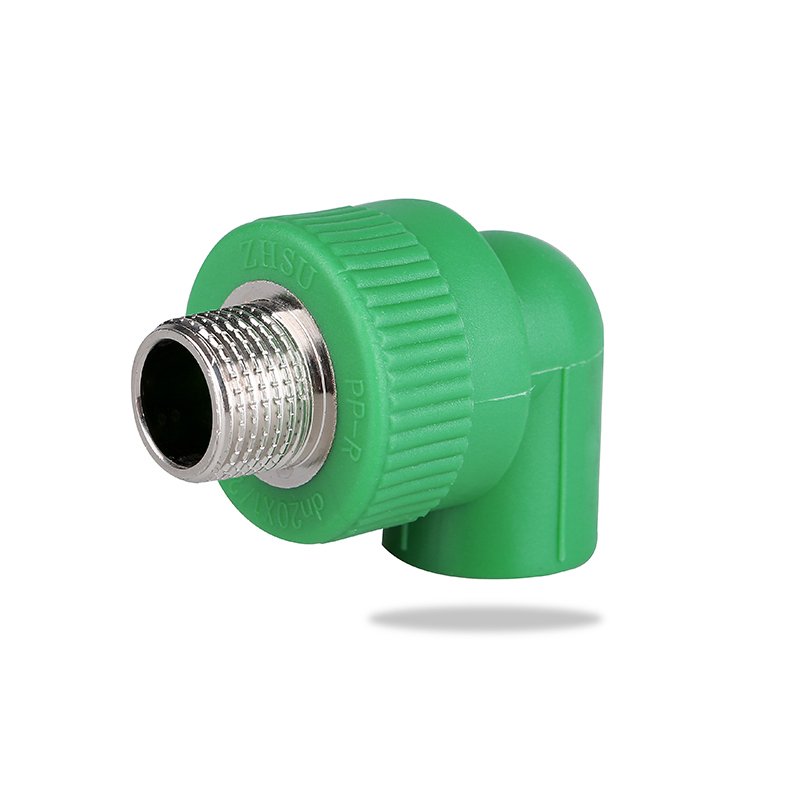
Covered by standards such as ISO 15874, this material is joined by heat fusion, which produces a homogeneous, leak-resistant joint with no O-rings or solvent. Pressure classes of PN10, PN16 and PN20 cover most building services. Its low thermal conductivity limits condensation on cold lines, and the same pipe family can handle domestic hot water, which simplifies stocking and installation on combined systems.
High-density polyethylene
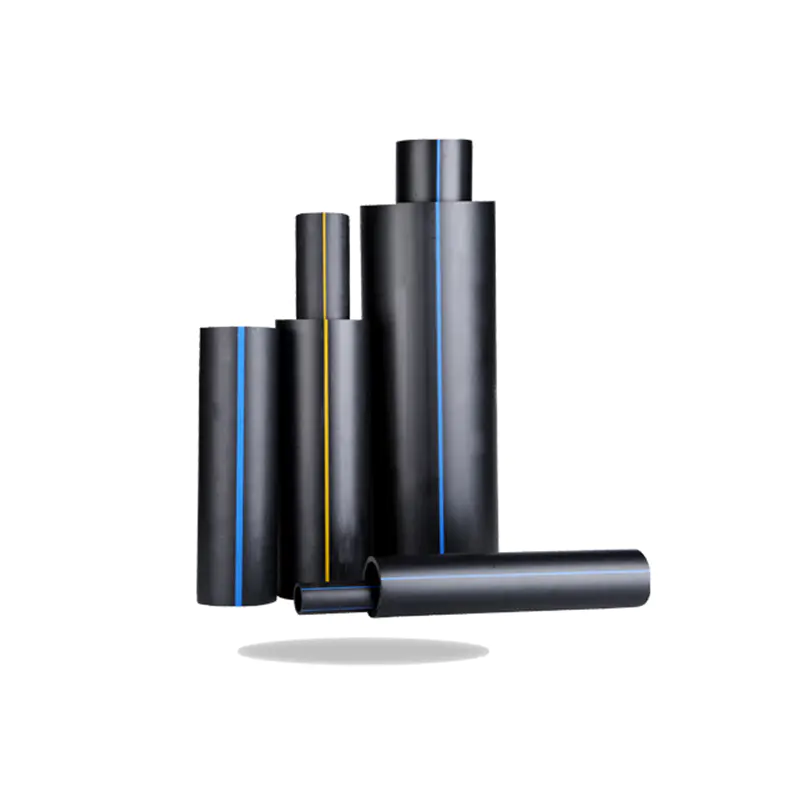
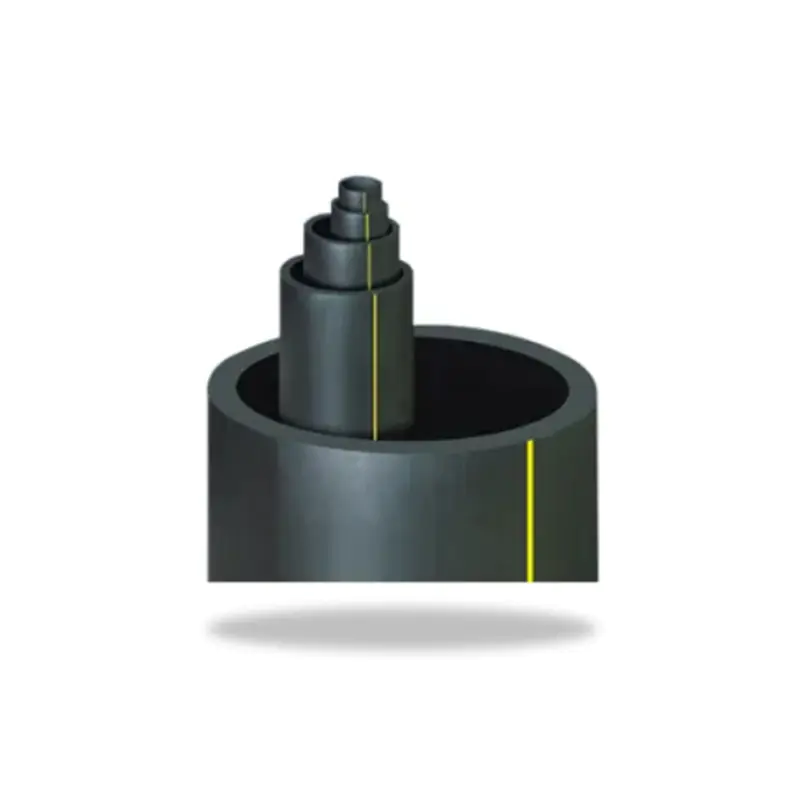
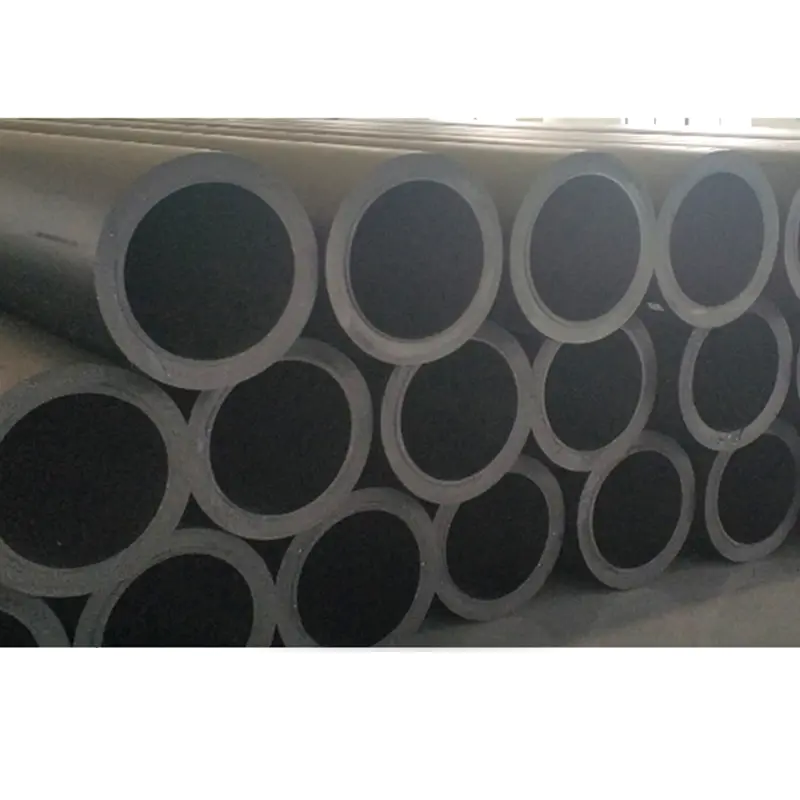
Specified under ISO 4427 or EN 12201, PE100 pipe is the usual choice for buried service connections and long external runs. It is flexible, tolerates ground settlement, and is joined by butt fusion or electrofusion. Wall thickness is described by SDR, so a lower SDR means a thicker wall and a higher pressure rating. For cold water mains, PN10 or PN16 covers typical municipal and site conditions.
Copper and cross-linked polyethylene
Copper remains common in retrofit work because it is rigid, dimensionally stable and familiar to most installers. Cross-linked polyethylene suits concealed runs in floors and walls because it bends around obstacles and needs fewer joints. Both materials require rated transitions when connected to polyolefin pipe, and dissimilar metals need dielectric separation to avoid galvanic corrosion.
Sizing, Velocity and Pressure
Undersized pipe is the most common cause of poor cold water flow, and oversized pipe wastes material and slows the water enough to encourage stagnation. Design velocity in building cold water pipework usually sits between 0.5 and 1.5 metres per second, with about 2.0 metres per second as a practical ceiling on long runs. Minimum residual pressure at the most disadvantaged outlet is typically 0.5 bar, while static pressure above roughly 5 bar usually justifies a pressure-reducing valve at the incoming supply.
A repeatable sizing sequence looks like this.
- List every fixture and its rated cold water flow.
- Apply a diversity factor, since not all fixtures run at once.
- Size the backbone for the diversified total at an acceptable velocity.
- Size each branch for the largest fixture it serves, not the average.
- Check residual pressure at the most remote and highest outlet.
Surge pressure deserves attention as well. Fast-closing valves on high-velocity lines generate water hammer that can crack fittings and loosen joints over time. Keeping velocities moderate and using slow-closing valves on washing machine and cistern connections reduces the risk without extra cost.
Storage, Hygiene and Backflow
Stored cold water is a managed risk rather than an automatic problem. Tanks should be covered, insect-proofed and vented through a screened opening, and the stored water should stay below 20 degrees Celsius to limit microbial growth. Insulating the tank and its surroundings, and keeping it away from heat sources, matters more than the tank material itself. Cleaning and disinfection should follow local requirements, typically annually for domestic installations and more frequently in commercial buildings.
Backflow protection is a separate obligation. Where irrigation lines, boilers, process water or fire systems connect to the potable network, an air gap or a mechanical backflow preventer is required. Newly installed pipework should be flushed and, where regulations demand it, disinfected and sampled before the system is handed over.
Testing and Handover
A hydrostatic pressure test is the single most useful acceptance check. The usual practice is to test at 1.5 times the working pressure and hold it long enough for temperature and material creep to stabilise, often one hour for polyolefin systems, then inspect every joint. Fusion joints should be recorded with batch numbers and welding parameters so any future failure can be traced. After the test passes, the system is flushed, chlorinated where required, and returned to service with a signed record of test pressures and durations.
What to Check Before You Buy
On a project where pipe is bought in bulk, small specification gaps become expensive on site. These points cover most of the practical risk.
- Pressure rating and SDR or wall thickness matched to design pressure, with a sensible safety margin.
- Virgin polymer with a traceable source; recycled content requires documented suitability for potable water contact.
- Dimensional tolerances and roundness, since oval pipe fuses poorly and leaks at the joint.
- Certification for potable water contact and the relevant product standard.
- Fittings from the same system, so fusion and joining parameters match the pipe.
- Consistent delivery lead times, because a stalled fusion crew costs more than the pipe.
Cold water systems rarely fail because of exotic causes. They fail because the system type was chosen without checking mains pressure, because a branch was sized for convenience rather than flow, or because the pipe sat in the ground for a season before anyone tested it. Get the layout, the diameter and the material right at design stage, verify them with a proper pressure test, and the installation will behave predictably for decades.

 Email:
 Telephone:+86-21-57461561
 Phone:+86-18721379989


